Free Potty Training Visual Schedule for Autism
Potty training is one of the hardest transitions for autistic kids because it bundles body awareness, sequencing, and a new sensory environment all at once. This visual schedule breaks the routine into eight predictable steps so your child can follow along without verbal prompting.
Make the schedule look like your child: show a boy or girl in a light or dark skin tone, then print or download the matching PDF.
- 8 activities
- Free printable PDF
- Editable in browser
Editor preview
All 8 steps with picture symbols, ready to customize before you print.
- Step 1
 Pants down
 - Step 2
 Sit on toilet
 - Step 3Pee or poop
- Step 4
 Get toilet paper
 - Step 5
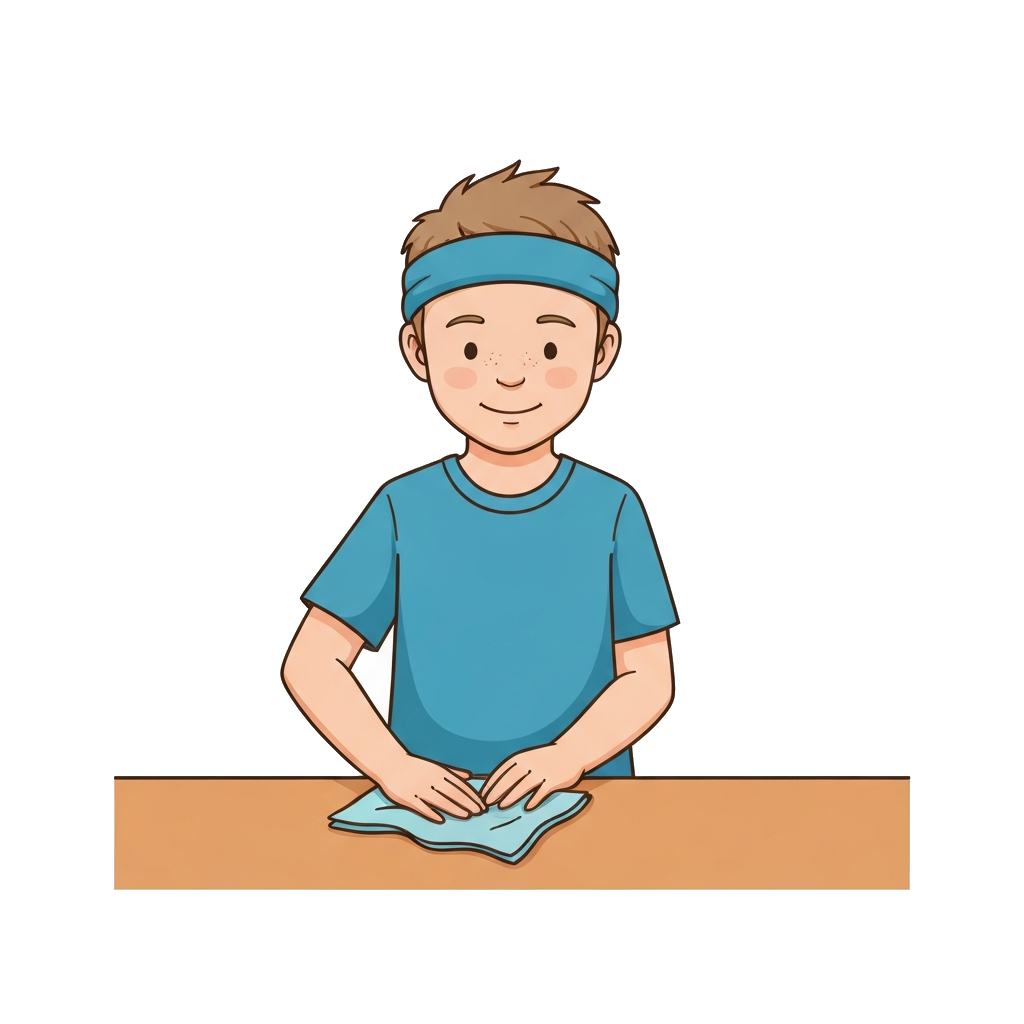 Wipe
Wipe - Step 6
 Flush
Flush - Step 7
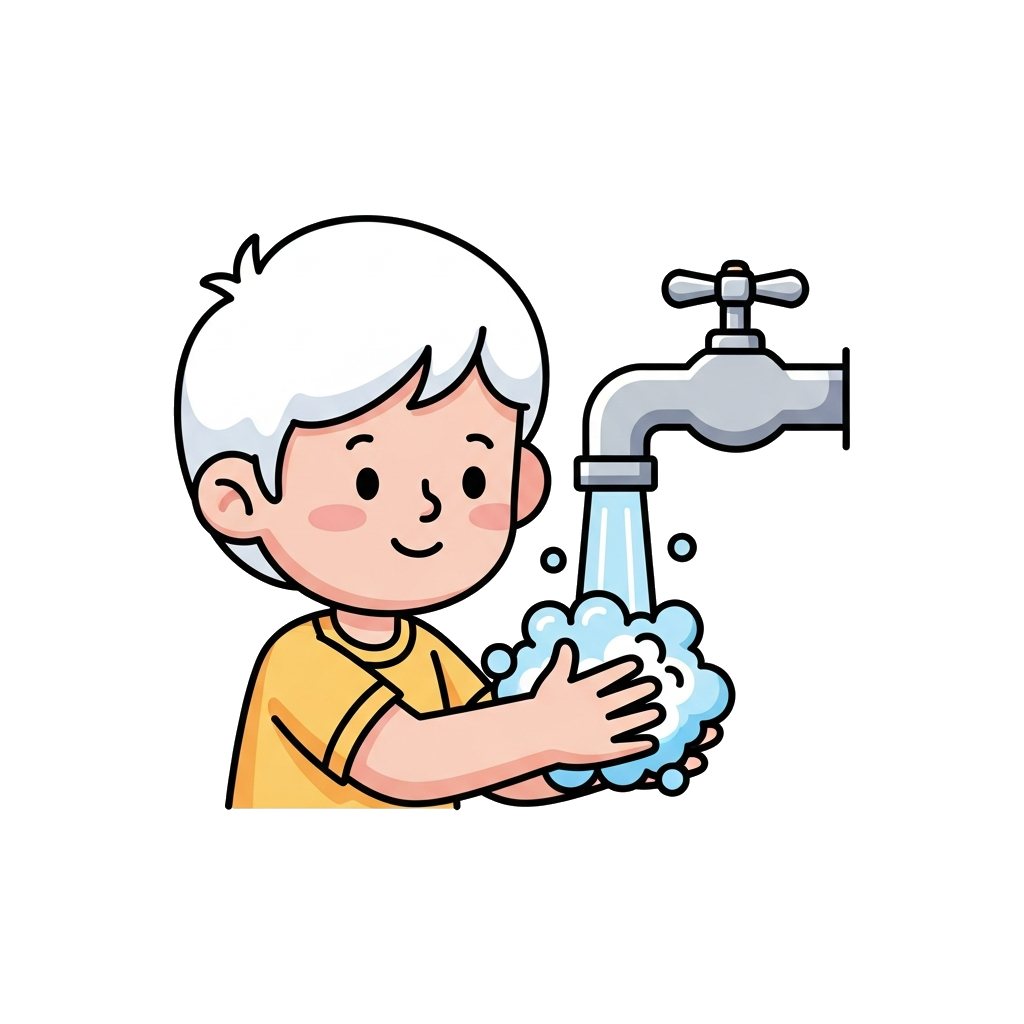 Wash hands
 - Step 8
 Sticker reward
Printable preview
What the free PDF looks like once you download or print it. Every toggle above updates it.
Show a boy or girl in a light or dark skin tone to match your child, and pick your layout, card size, page size, and orientation. On the checklist layout you can also turn numbers, times, checkboxes, and icons on or off. The preview and PDF follow your choice.
Potty training is a sensory and executive function project before it is anything else. For an autistic child, the bathroom is a new environment full of unfamiliar sensations: the cold seat, the flush noise, the texture of toilet paper, the smell of soap, the feeling of pants moving up and down. On top of that, they have to track an eight-step sequence, recognize a body signal that may be hard for them to feel, and do all of this while a parent watches and waits. It is a lot.
A visual schedule removes one big piece of the load: the sequence. Your child no longer has to hold the order in working memory or interpret verbal prompts in the middle of a body-signal moment. They look at the schedule, see what is next, and do it. Over time, the schedule becomes the prompt, and parent prompting fades. That shift, from parent-as-coach to child-and-schedule, is the difference between a child who only goes when reminded and a child who handles the bathroom independently.
This template covers eight steps that work for most kids in the home bathroom: pants down, sit on toilet, pee or poop, get toilet paper, wipe, flush, wash hands, sticker reward. The sticker step is intentional. For potty training, the natural consequence is not immediate enough or motivating enough for most autistic kids, so a small concrete reward at the end of the sequence speeds up learning. You can drop the sticker once the routine is stable, usually within a few weeks.
Print this template and post it inside the bathroom at your child's eye level. If you can laminate it or slip it into a clear sleeve, the schedule survives splashes. Walk through the steps with your child during a calm moment, not during an actual potty attempt. Point at each picture, name the step, and have them mimic the action without sitting on the toilet first. That dry run lowers the cognitive load of the real attempt.
Two common adjustments. First, if your child is still in diapers or pull-ups, add a step at the start for taking the pull-up off. Second, if your child has a hard time with the flush noise, you can move the flush step to last (after wash hands) so your child is already out of the bathroom when it happens, or drop it from this version of the schedule and add it back once the rest of the routine is stable.
Ready-made daily and routine visual schedules to print and post, in US Letter and A4 with a setup guide.
When to use this template
Best for kids ages 2 to 7 who are starting potty training or stalled mid-training. Especially helpful when verbal step-by-step instructions cause overwhelm or your child loses track of where they are in the sequence.
How to customize this template
- If your child still wears pull-ups, add a step at the start for taking the pull-up off.
- For boys learning to stand, swap the toilet symbol for a step labeled "stand at toilet" and remove the sit step.
- Move the flush step to last if the flush noise causes a meltdown. Some kids do better flushing after they have left the bathroom.
- Drop the sticker reward once the routine is stable, usually after two to four weeks of consistent independence.
- Use a stool for younger kids so their feet are flat. Foot placement matters more than parents expect for pooping.
Frequently asked questions
- At what age can autistic kids start potty training?
- There is no single age. Many autistic kids are ready between ages 3 and 5, but some start earlier and some need until age 6 or 7. Readiness signals matter more than age: staying dry for two-plus hours, showing awareness of being wet, interest in the bathroom, and ability to follow a simple two-step instruction. If your child is missing those signals, a schedule alone will not bridge the gap. Wait, then revisit.
- Should I use a potty chair or go straight to the toilet?
- Either works. A potty chair is closer to the floor, less scary, and gives your child the foot grounding they need to relax. A regular toilet with a stool and child-size seat insert is fine too and skips the eventual transition. The right choice usually comes down to which one your child is willing to sit on. Try both for a week each, see what sticks.
- What if my child refuses to wipe?
- Refusing to wipe is one of the most common autism potty training sticking points, usually because of the texture or the body awareness needed. Three options. Use flushable wet wipes instead of dry paper, which most kids tolerate better. Wipe for them for the first month and then start phasing in their own wipe with hand-over-hand support. Or break the wipe step into smaller pieces: take paper, fold paper, wipe once, check, again. The visual schedule supports any of these without rewriting the whole thing.
- How long does potty training take for autistic kids?
- Longer than the neurotypical average of two to four weeks. Plan for three to six months of consistent practice for daytime training, and another six to twelve months for nighttime. Some kids land faster, others take longer. The schedule helps because it removes guesswork: your child knows what to do every single time, which builds the muscle memory faster than verbal prompting does.
- Is the sticker reward going to backfire?
- For most kids no. Concrete rewards work well during the learning phase because they give immediate, predictable feedback that the brain needs to wire in the new behavior. Drop the sticker once your child is going independently for two to four weeks. If you keep it forever, it becomes the goal instead of the bathroom skill. Pair the sticker with a verbal acknowledgment so the child also internalizes the social piece.
- Can I make the visual schedule for a Black boy or girl, or match my child's skin tone?
- Yes. Use the Boy / Girl and Skin tone toggles at the top of the template to switch the whole schedule at once. You can show the schedule with a Black boy or girl, or a white boy or girl, in a light or dark skin tone, and the on-screen preview, the printable, and the downloaded PDF all match. In the editor you can also swap any individual symbol or upload your own photos.