Free classroom communication board
A 20-cell classroom communication board built for school: turn-taking, asking for help, finishing an activity, and bathroom needs, in fixed color-coded spots a whole class team can learn.
- 20 words
- Free printable PDF
- Editable in browser
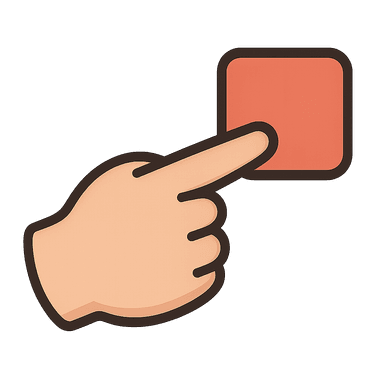 I want
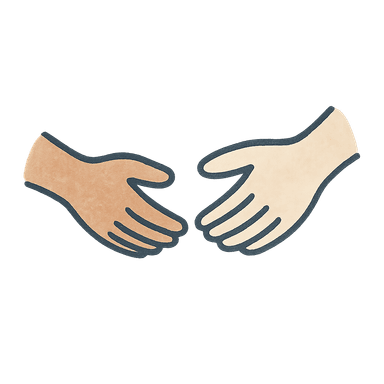 Help
Help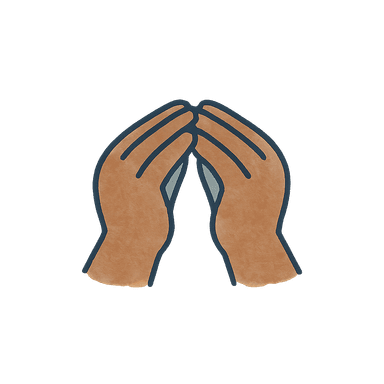 More
More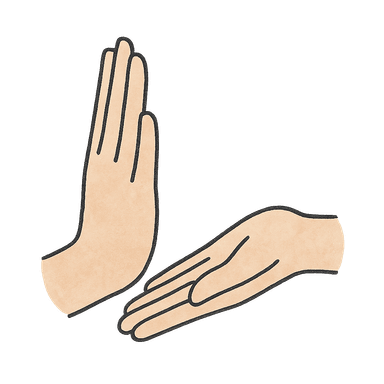 Stop
Stop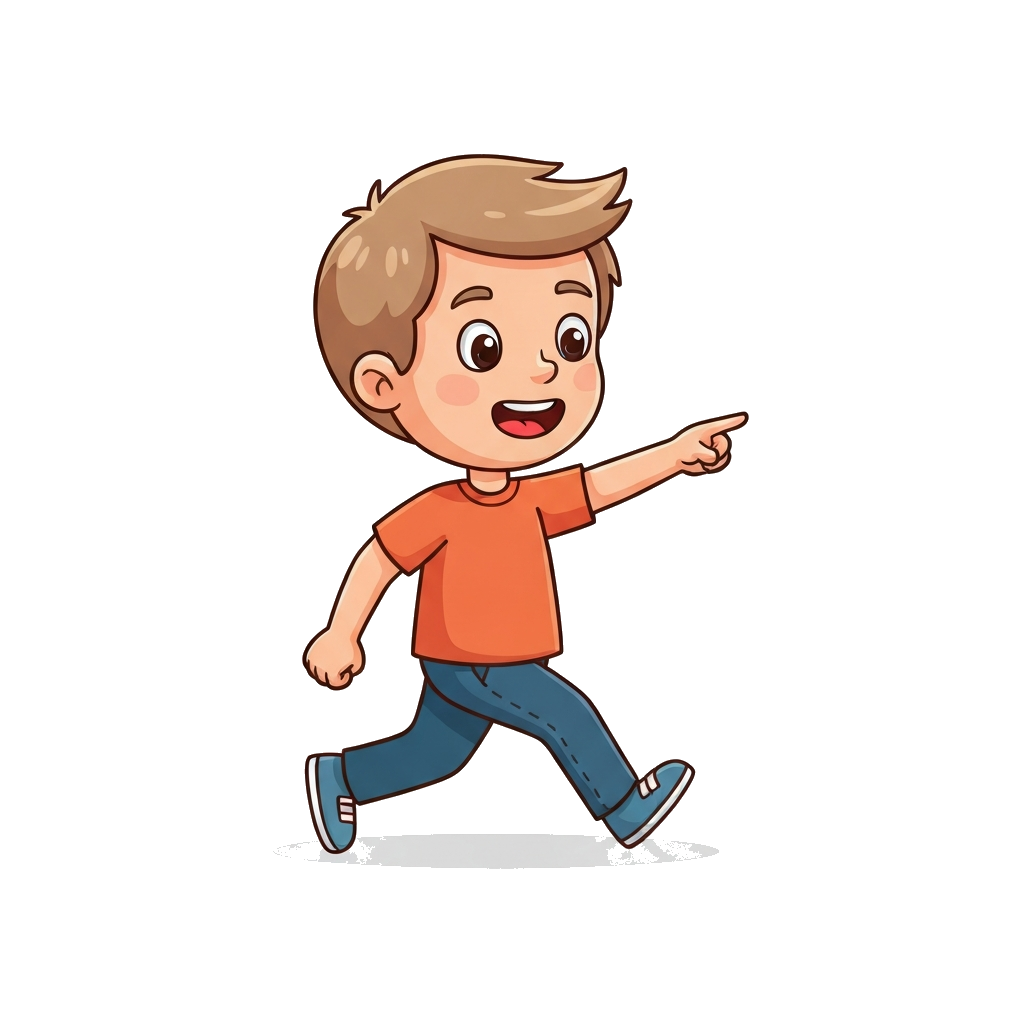 Go
Go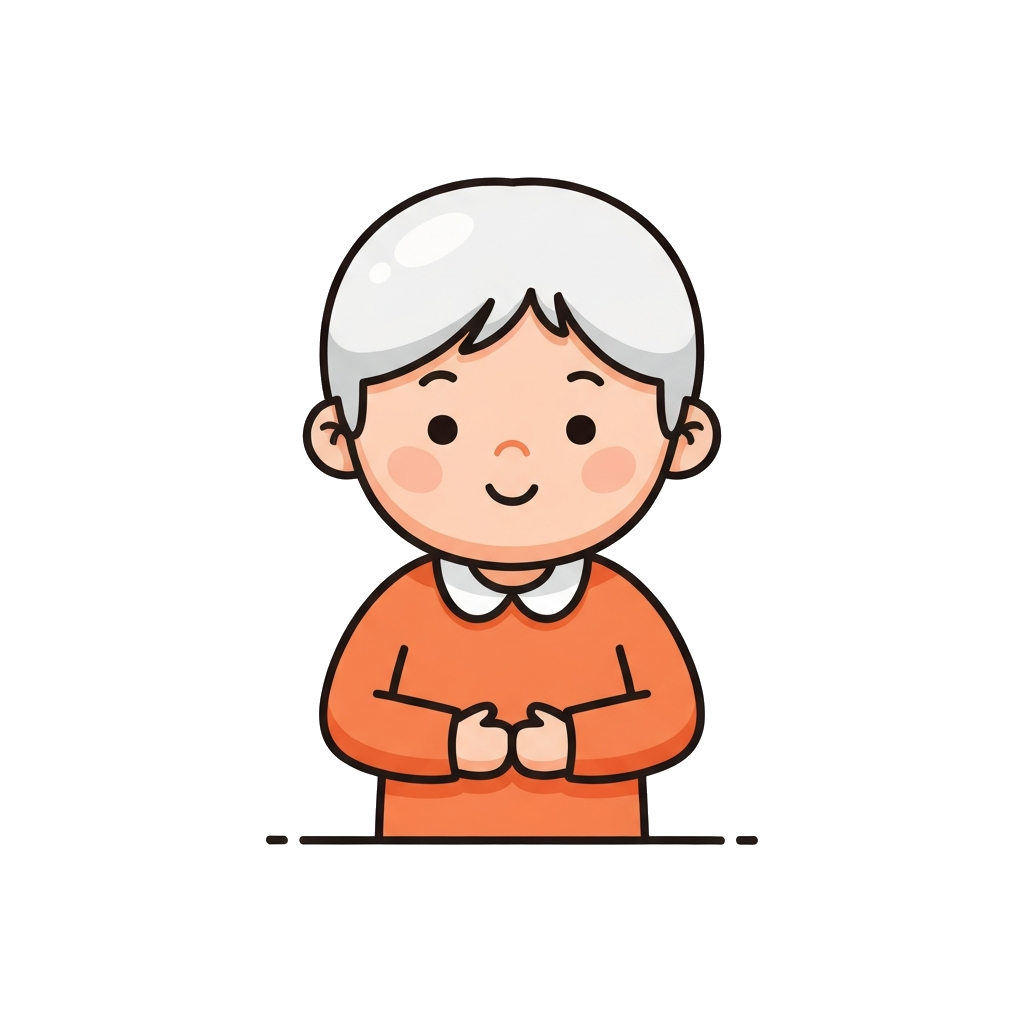 Wait
Wait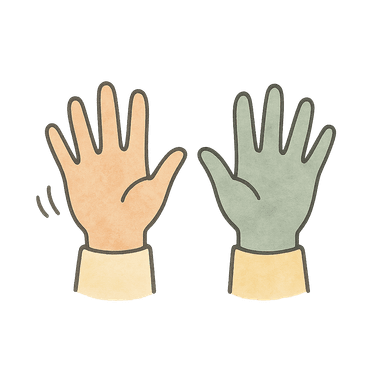 Finished
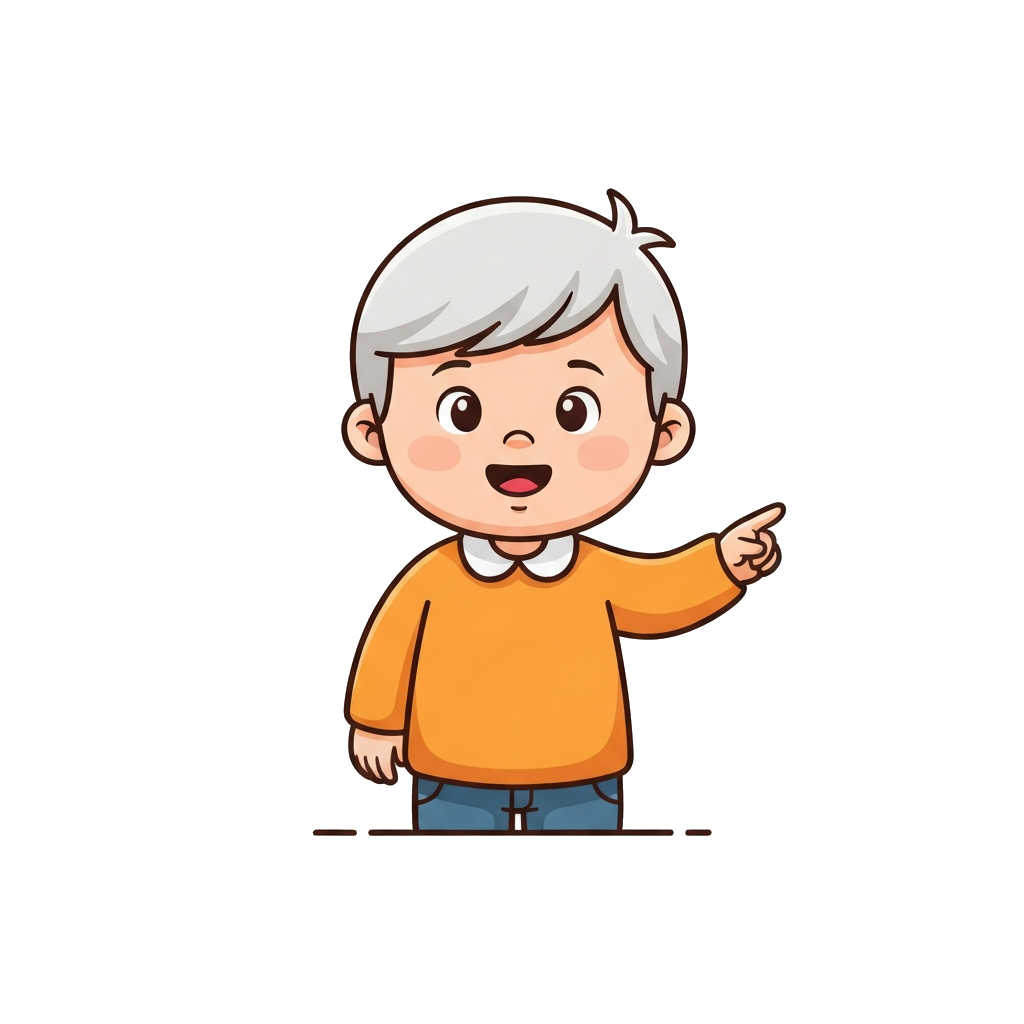 Look
Look My turn
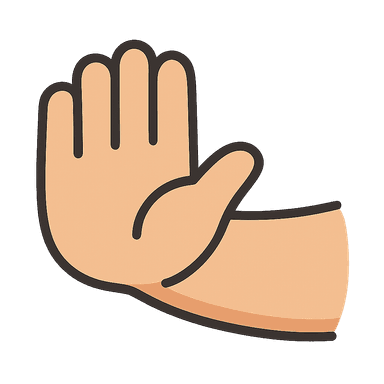 Your turn
 Yes
Yes No
No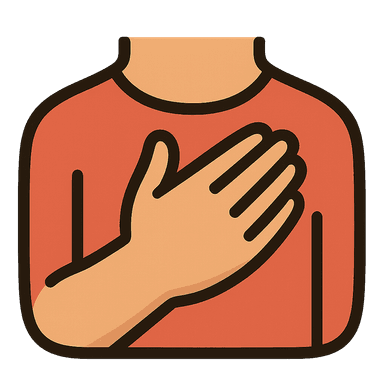 Please
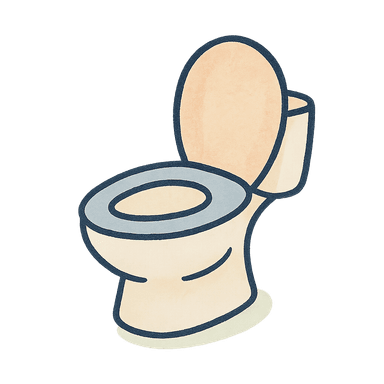 Bathroom
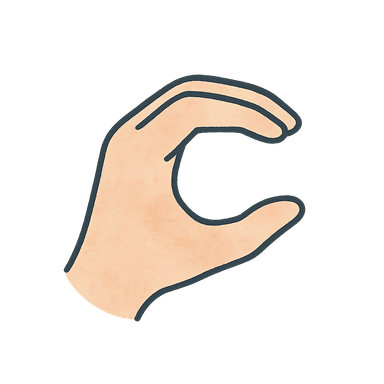 Drink
Drink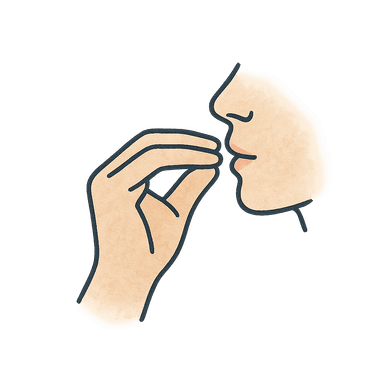 Eat
Eat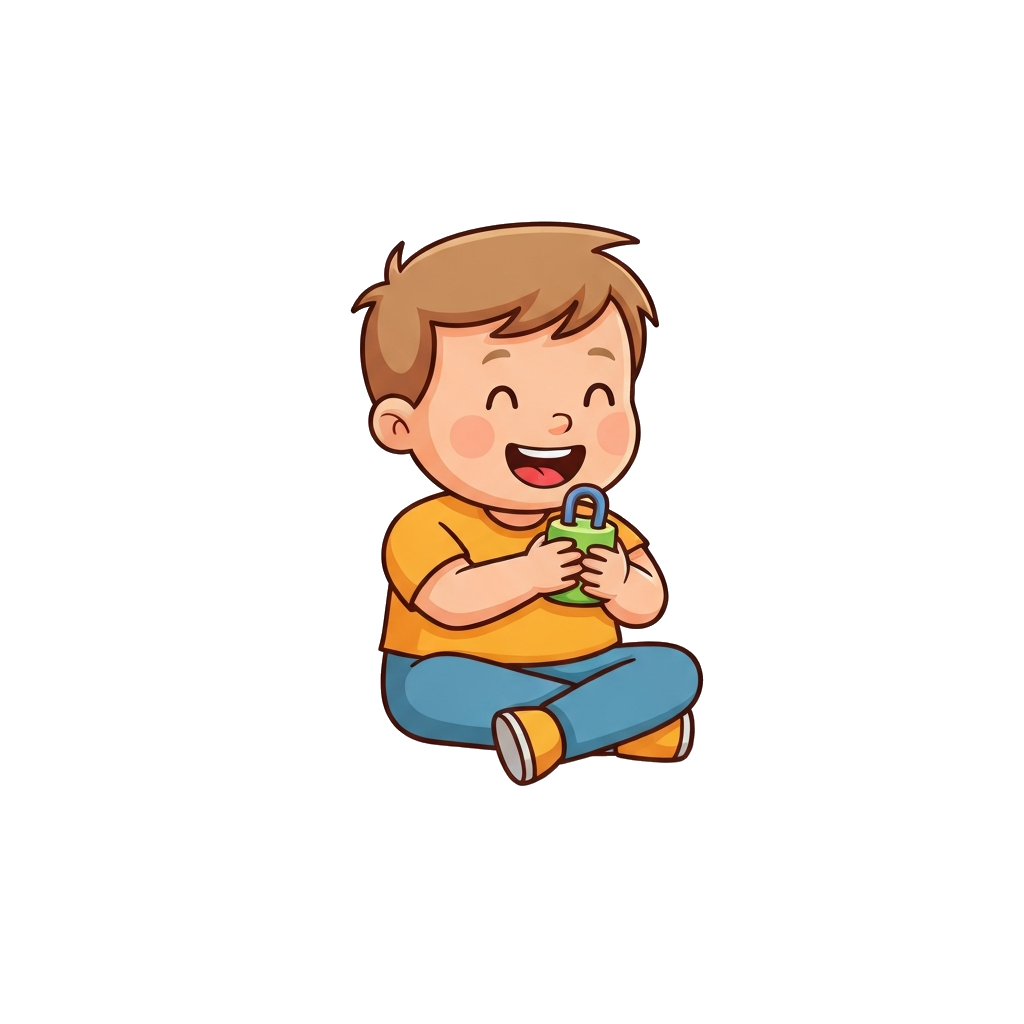 Play
Play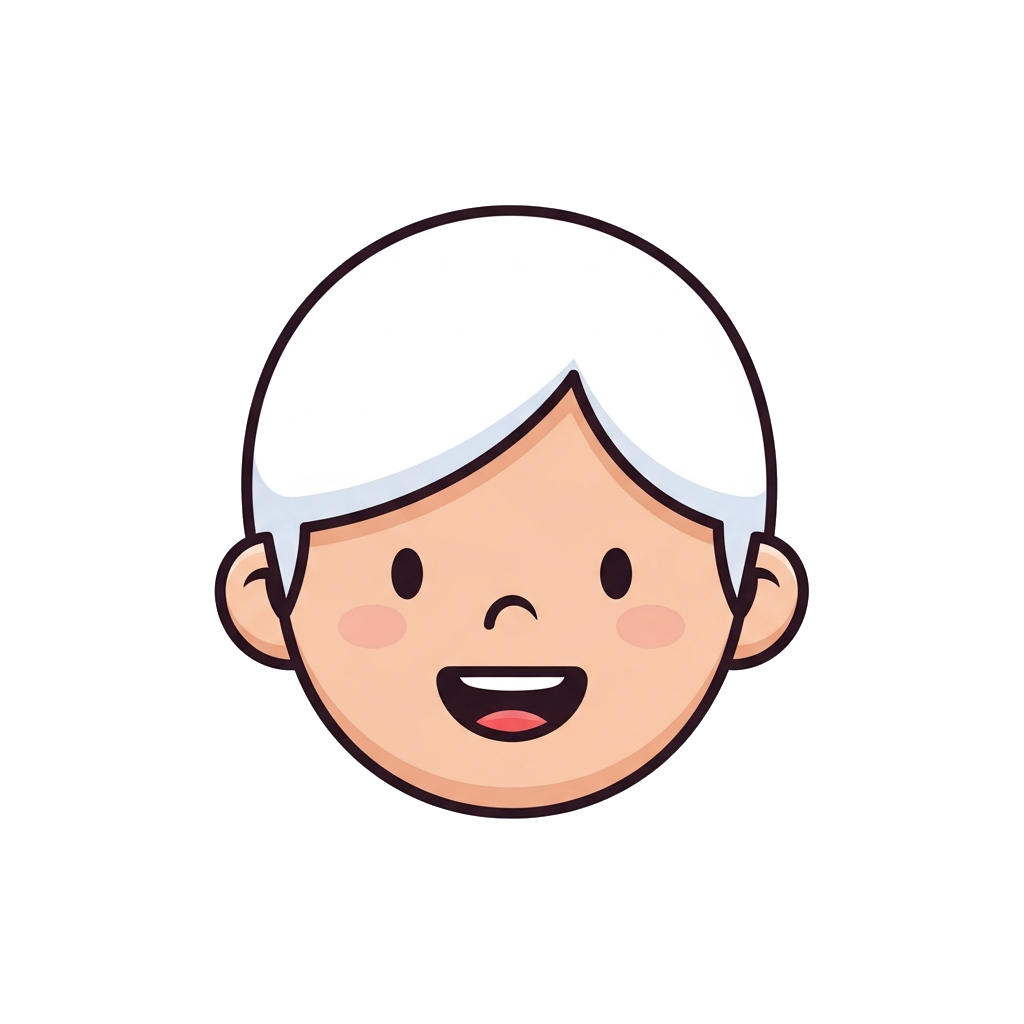 Happy
Happy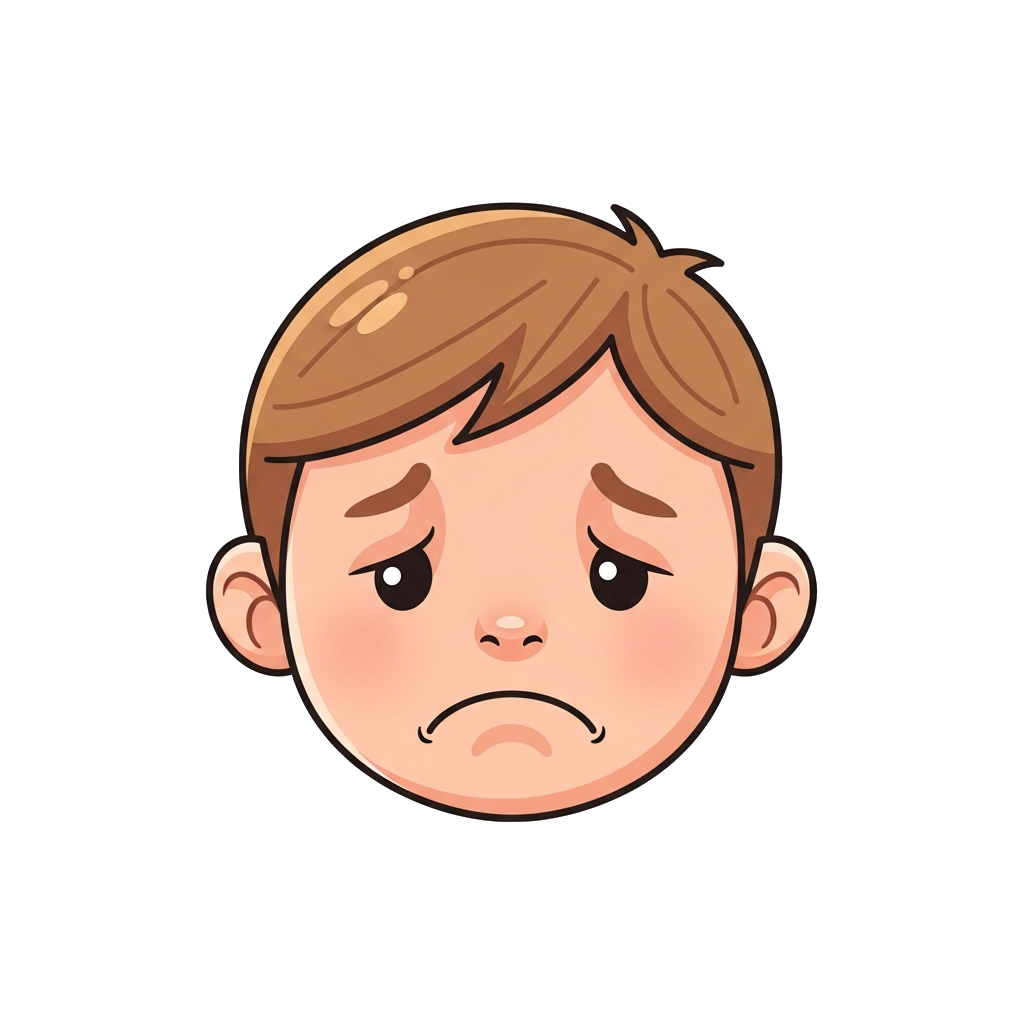 Sad
Sad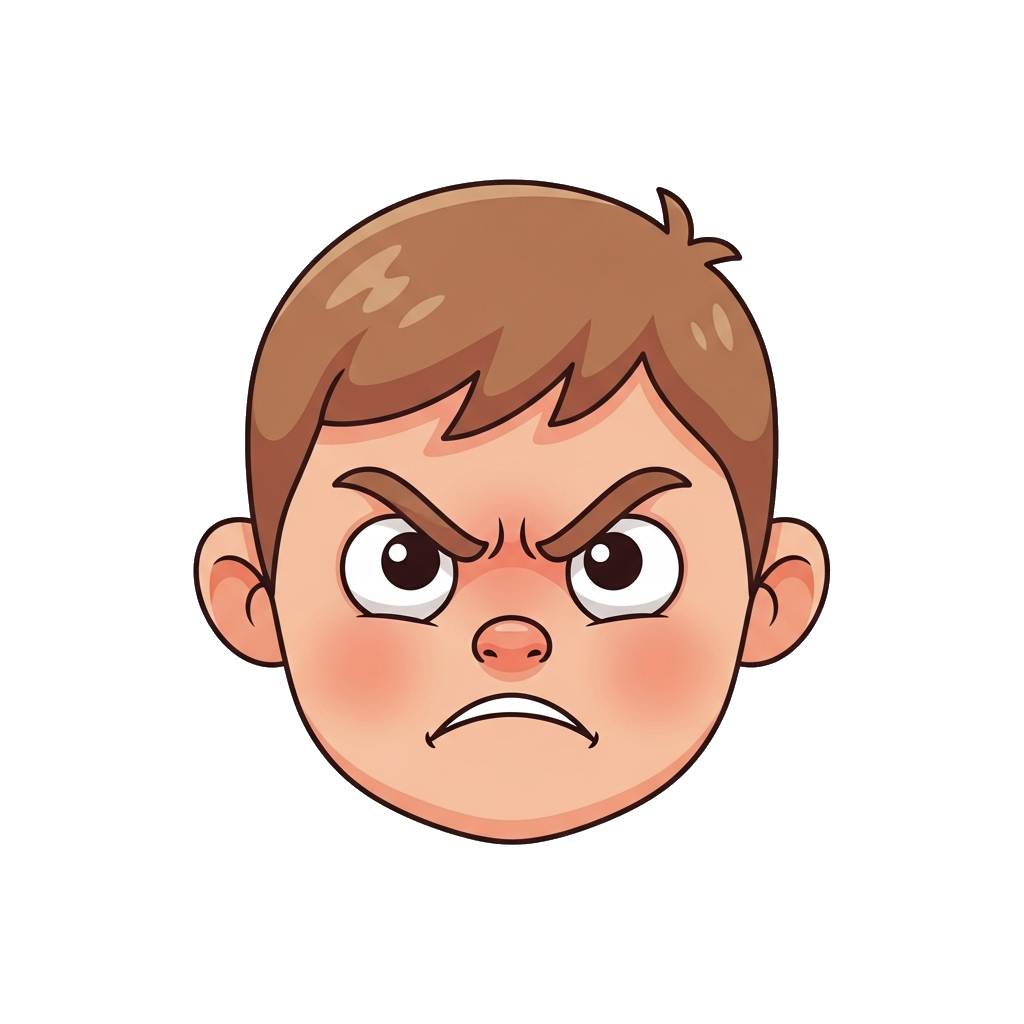 Mad
MadA classroom board leans on the words a child needs at school, where the demands are different from home. It keeps the core requests but adds the school basics: wait, my turn, your turn, finished, look, and bathroom.
The point of a shared classroom board is that every adult uses the same one. When the teacher, the aide, and the speech therapist all model on the same layout, the child gets far more practice than with a board only one person knows.
Print a copy for the desk, one for circle time, and one for the bathroom door, so the board is wherever your child needs to say something. Laminate each so they survive a school day.
High-frequency core-word boards for nonspeaking and emerging communicators, in US Letter and A4 with a guide.
When to use this board
Use this board in the classroom so the whole team, teacher, aide, and therapist, models on one shared layout. It carries the school-day words a general core board leaves out.
How to customize this board
- Add a teacher or aide name in a people cell so your child can call the right adult.
- Print multiple copies, one per location, so the board follows your child around the room.
- Keep the layout identical across every printed copy so the position of each word stays a cue.
Frequently asked questions
- What is a classroom communication board?
- A classroom communication board is a core board built for the school day, with the words a student needs most in class: help, wait, my turn, finished, bathroom, and the core requests. The whole class team models on the same shared layout.
- Why should the whole class team use one board?
- Because a child gets far more practice when every adult, teacher, aide, and therapist, models on the same layout. A board only one person knows how to use becomes a board the child rarely sees used.
- How is a classroom board different from a home core board?
- A classroom board emphasizes school-day vocabulary, turn-taking, finishing an activity, asking for help, and bathroom, over home-specific words. The core requests stay, but the surrounding words match what happens in a classroom.
- Can this go in an IEP?
- Yes. A communication board can be written into a student's IEP as assistive technology, along with which staff are trained to model on it and where it is kept. Ask for AAC training for the classroom team in the supports-for-staff section.
- Is the classroom board free to print?
- Yes. Edit and print it for free with no sign-up. Print a laminated copy for each location the student uses, and reprint when they wear out.