Behavior & Big Feelings
Hitting Social Story
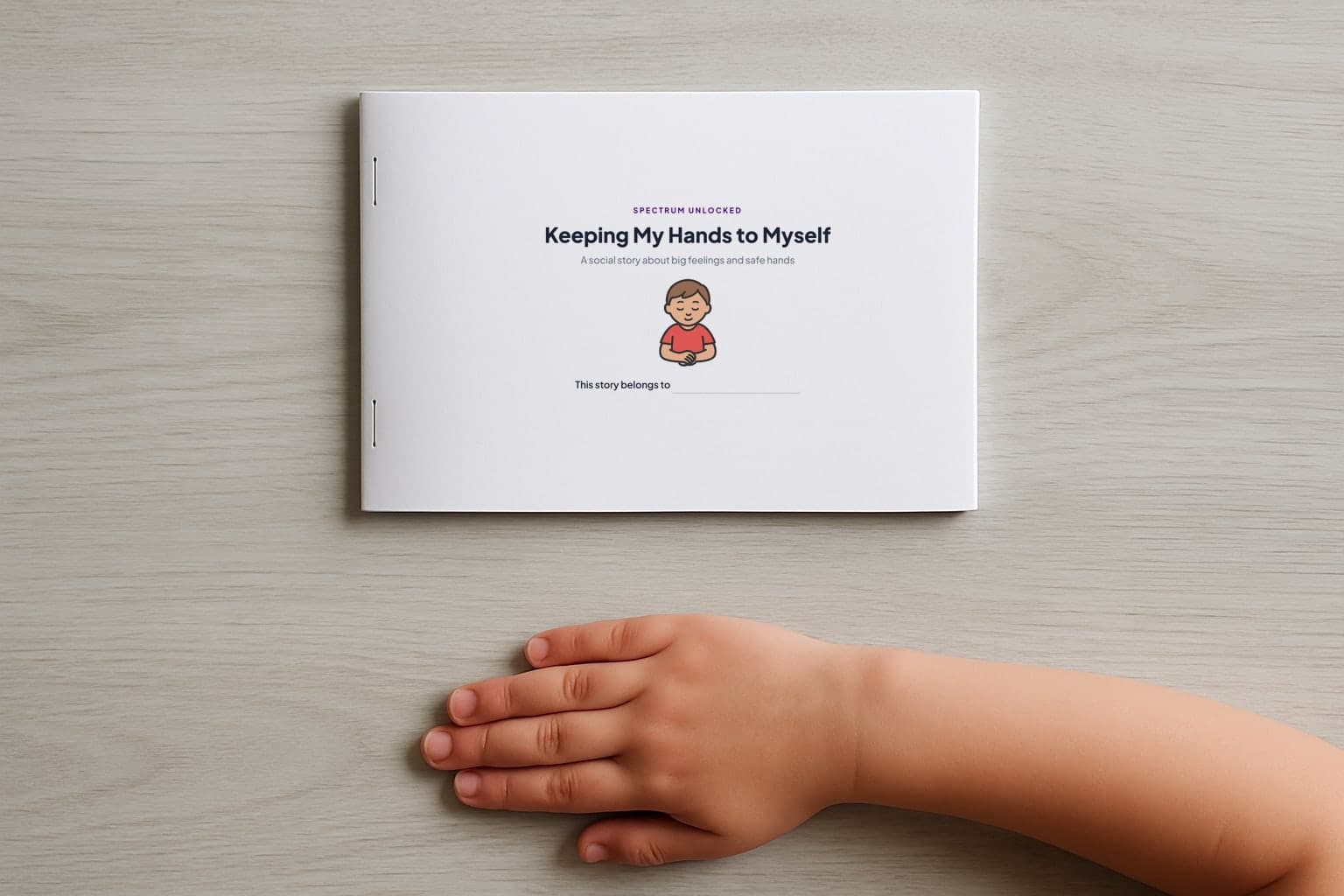
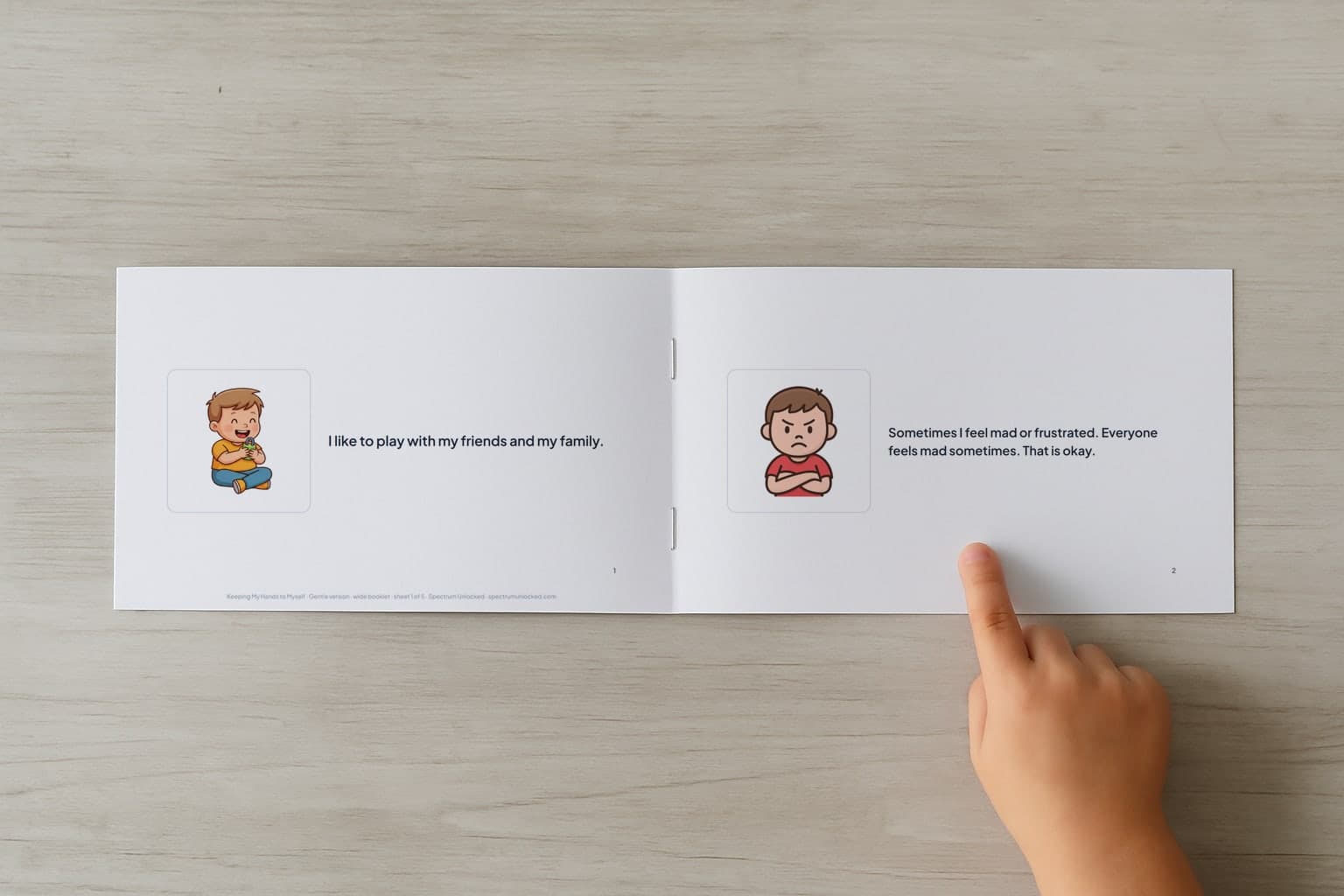
Two ready-to-read versions of a social story about hitting: a gentle one that names the mad feeling and practices safe hands, and a firmer We Do Not Hit version for families who want the rule and its consequences spelled out. Read both below, then personalize the one that fits.
Download the printable PDF
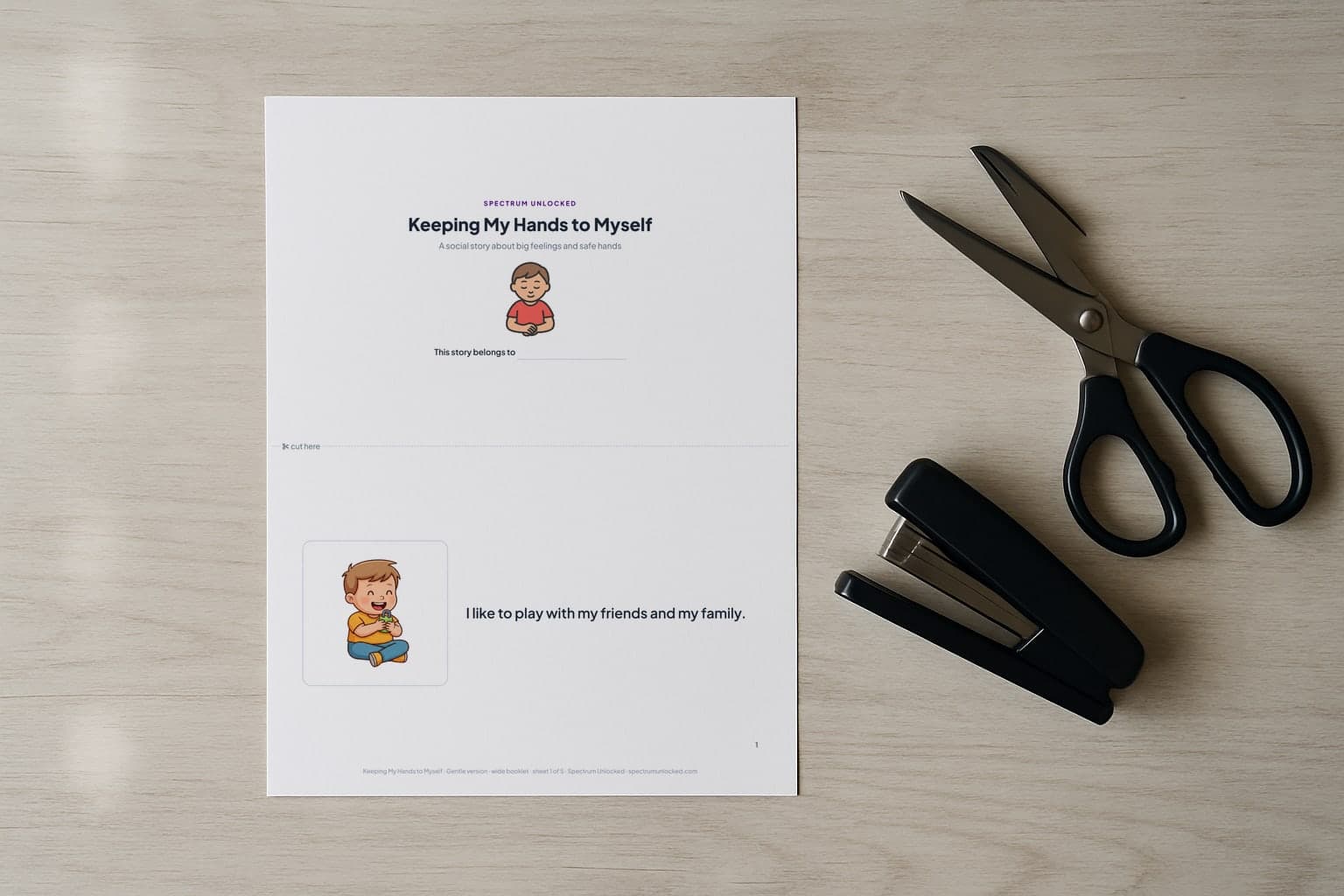
Print the story as-is, no email required. Match the pictures to your child and pick your page layout, then download.

The story
Read the full story below. In the maker you can add your child's name, swap pictures, and print it as a booklet.
Keeping My Hands to Myself
A social story about big feelings and safe hands
- 1
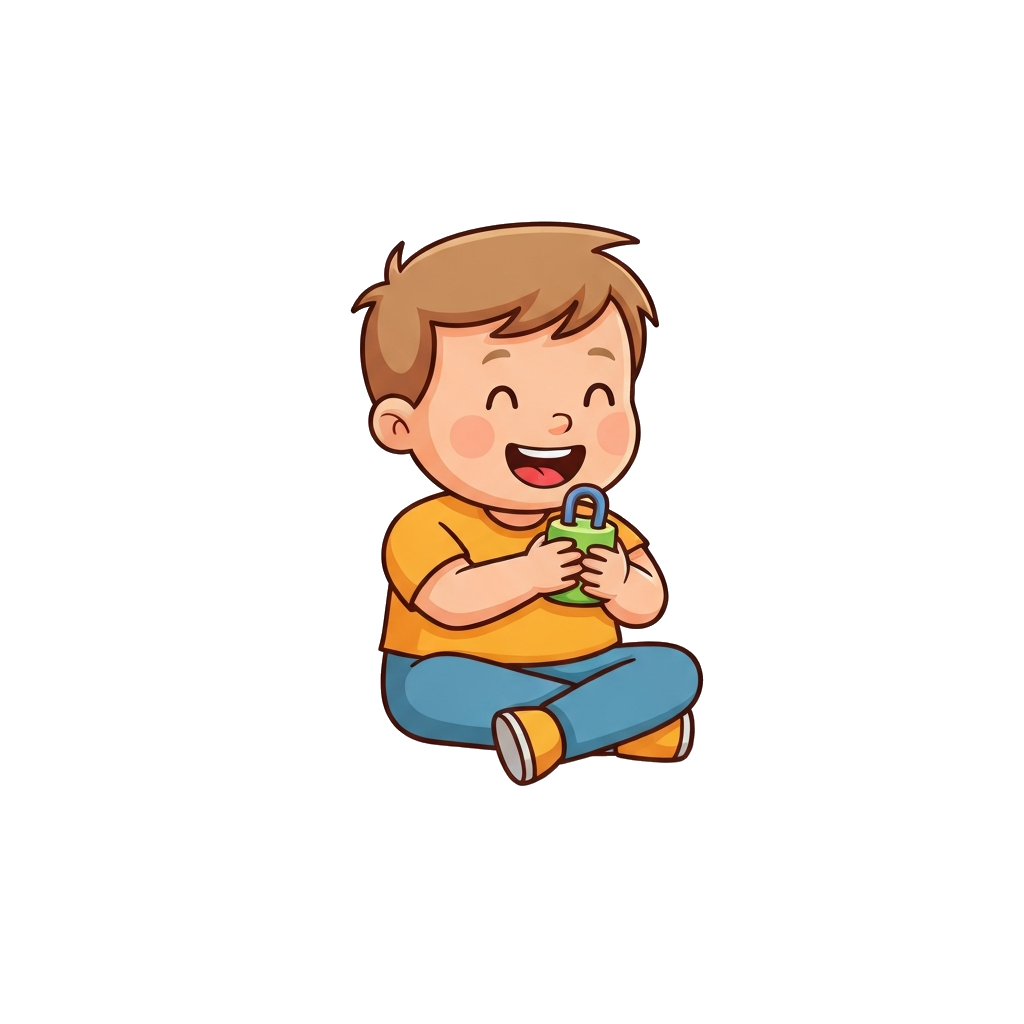 I like to play with my friends and my family.Describes
 - 2
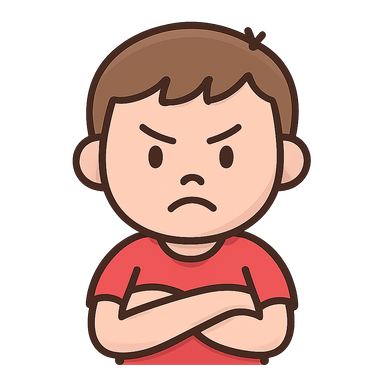 Sometimes I feel mad or frustrated. Everyone feels mad sometimes. That is okay.Describes
 - 3
 When I feel mad, my hands might want to hit.Describes
 - 4
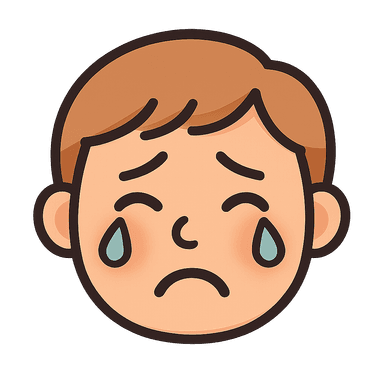 Hitting can hurt people. It can make them feel sad or scared.Describes
 - 5I will try to keep my hands to myself when I feel mad.Coaches
- 6
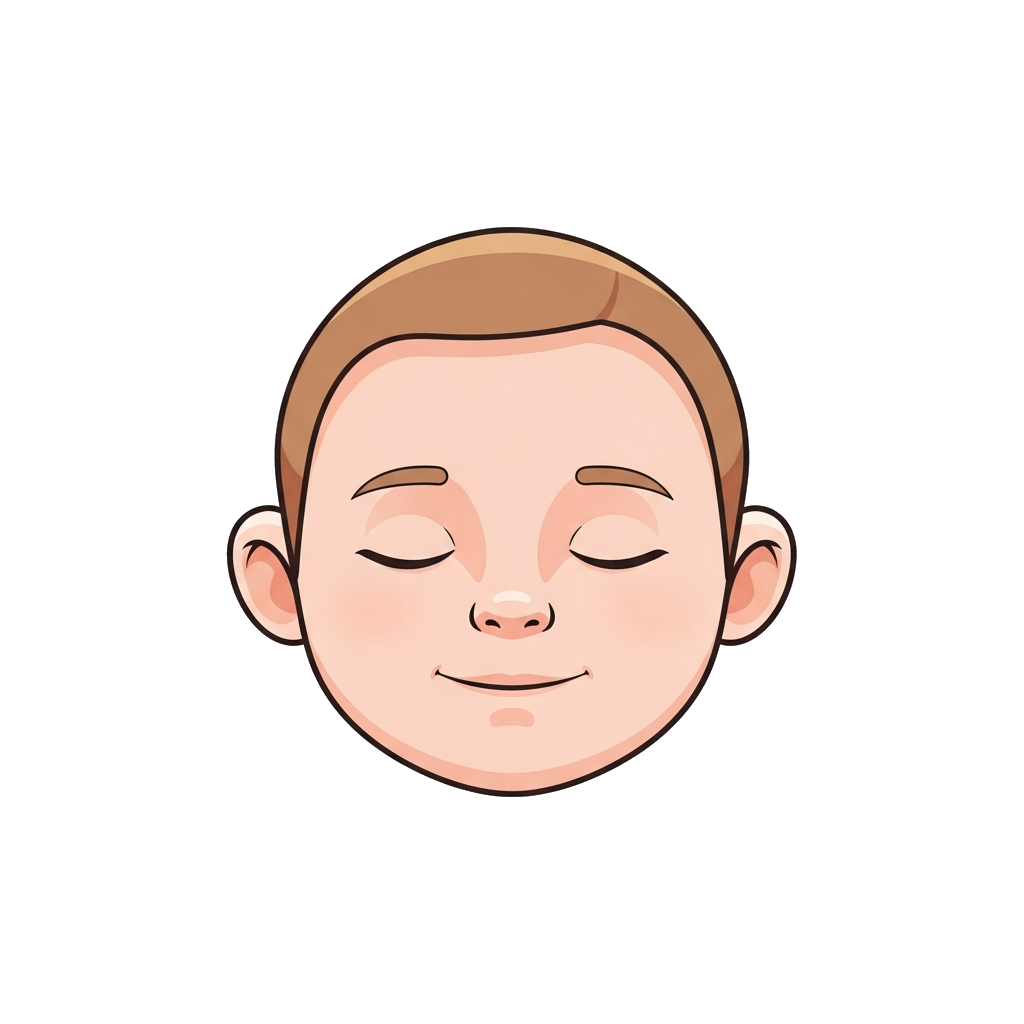 I can take a deep breath, squeeze a pillow, or ask a grown-up for help.Coaches
 - 7When I use safe hands, my friends feel safe playing with me.Describes
- 8
 My family is proud of me when I try to use safe hands.Describes
We Do Not Hit: the direct version
We Do Not Hit
A social story about the consequences of hitting
- 1Sometimes I feel mad or frustrated and want to hit.Describes
- 2
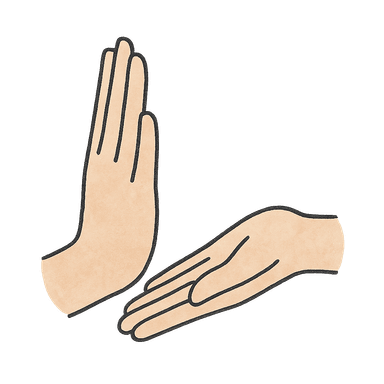 We do not hit. Hitting hurts other people.Coaches
 - 3Hitting is not a safe choice. If I hit, my friends might feel sad or scared.Describes
- 4
 If I hit, I might lose my toys or have to leave the game.Describes
 - 5
 Instead, I can take a deep breath or count to 10.Coaches
 - 6
 I can tell a grown-up, "I feel mad."Coaches
The direct version uses firmer wording. Many families start gentle and switch only if the gentle version is not landing.
Single stories, $3 each
When one situation is the whole problem, take just that story. A gentle and a firmer wording, four child looks, booklet pages in US Letter and A4, and a link to edit it free.
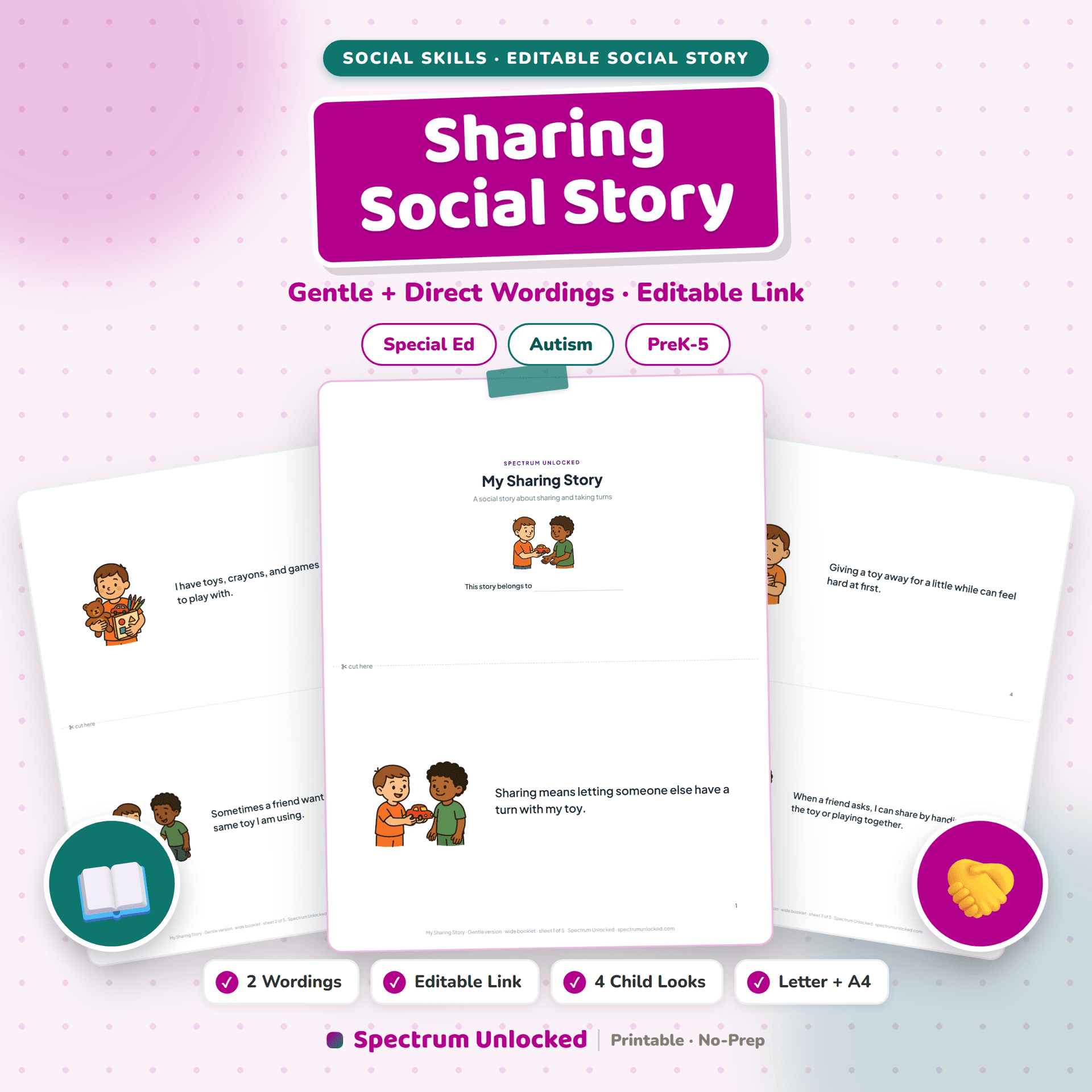
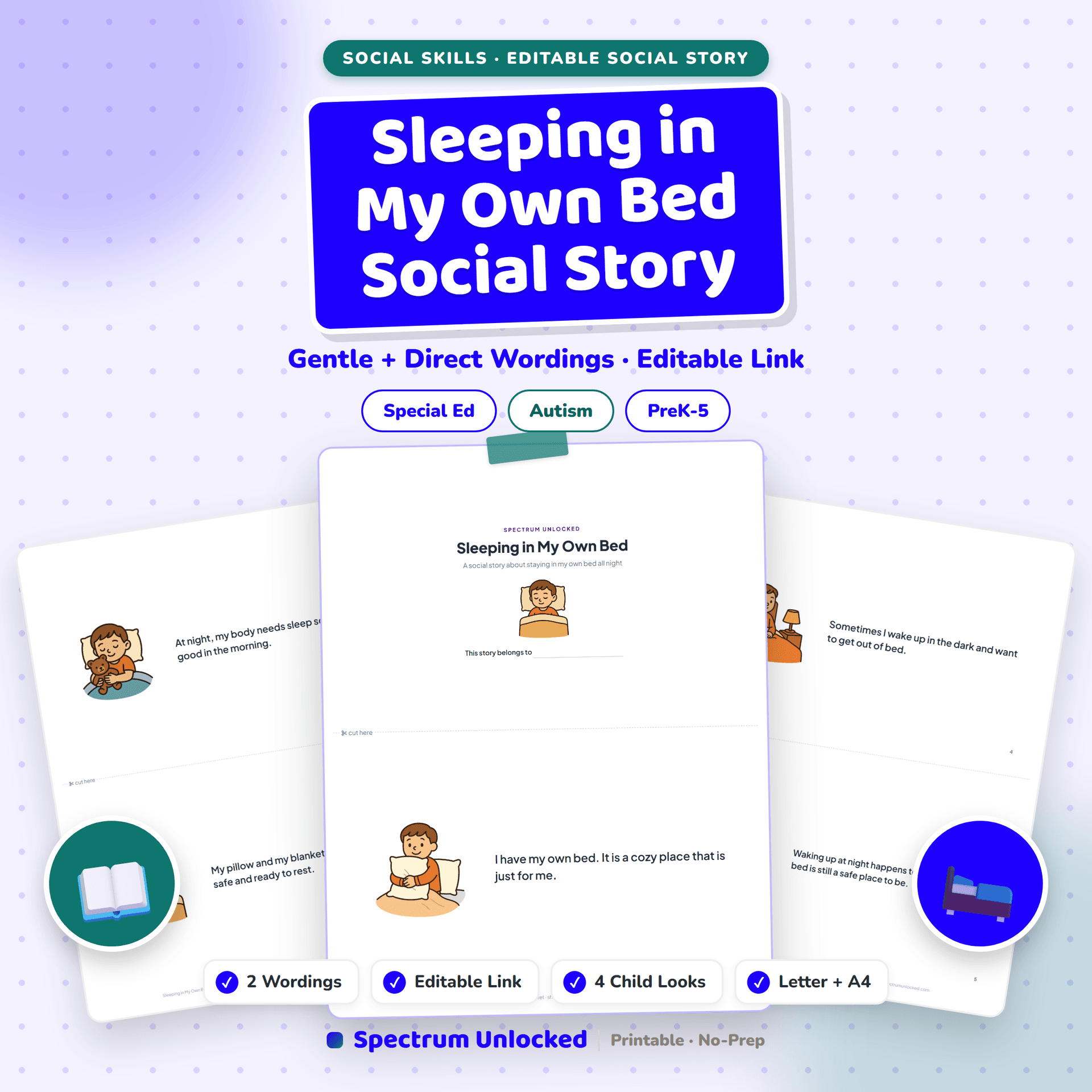
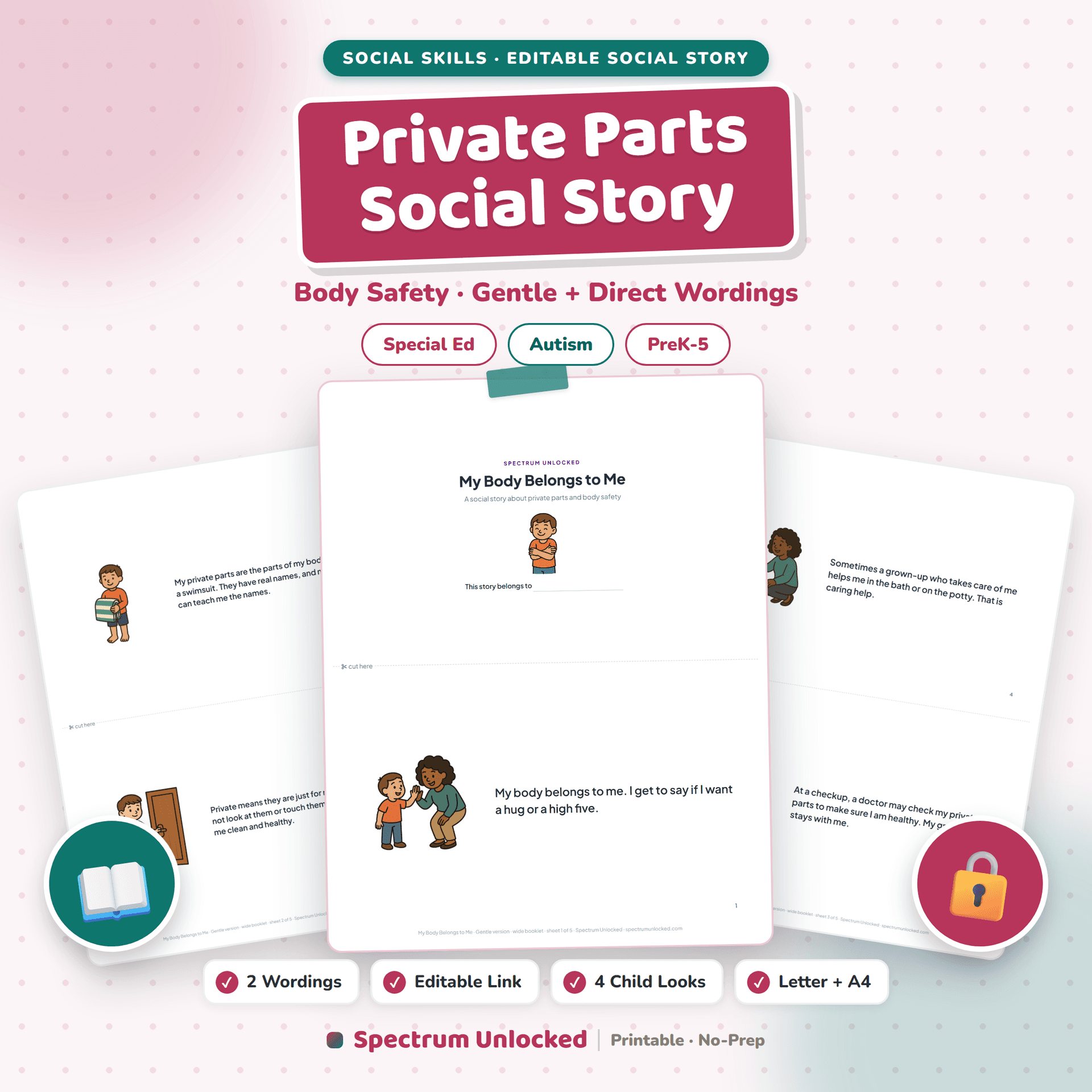
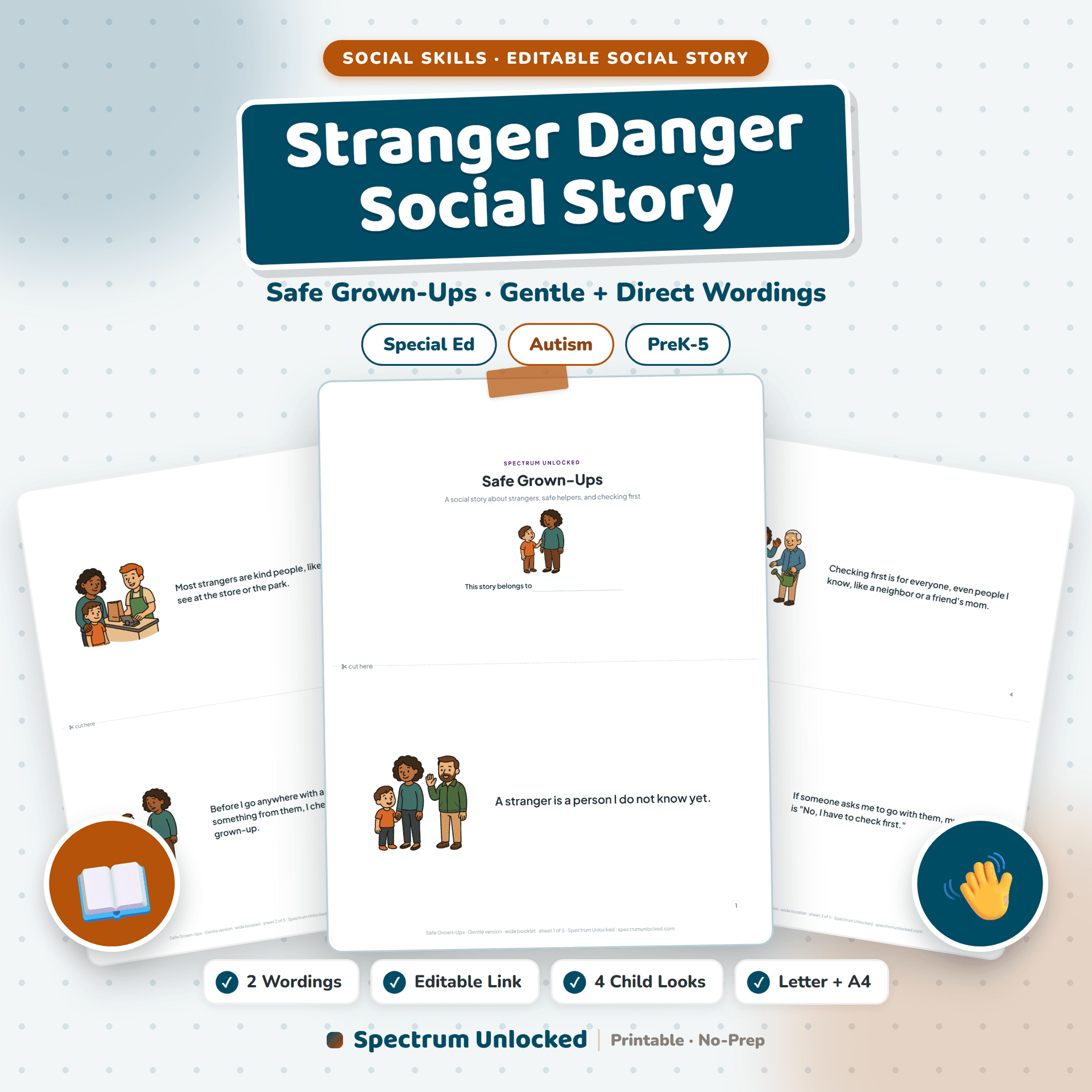
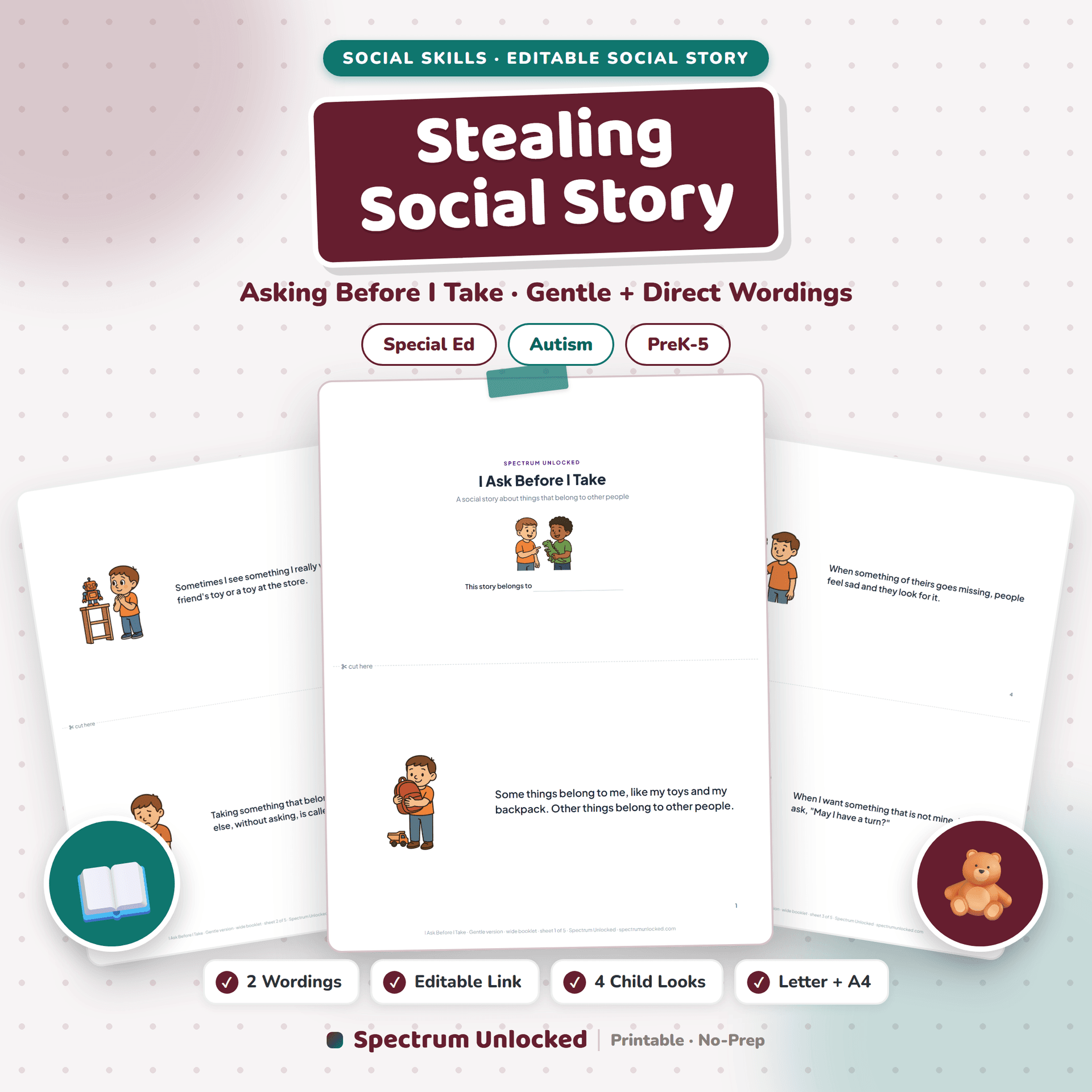
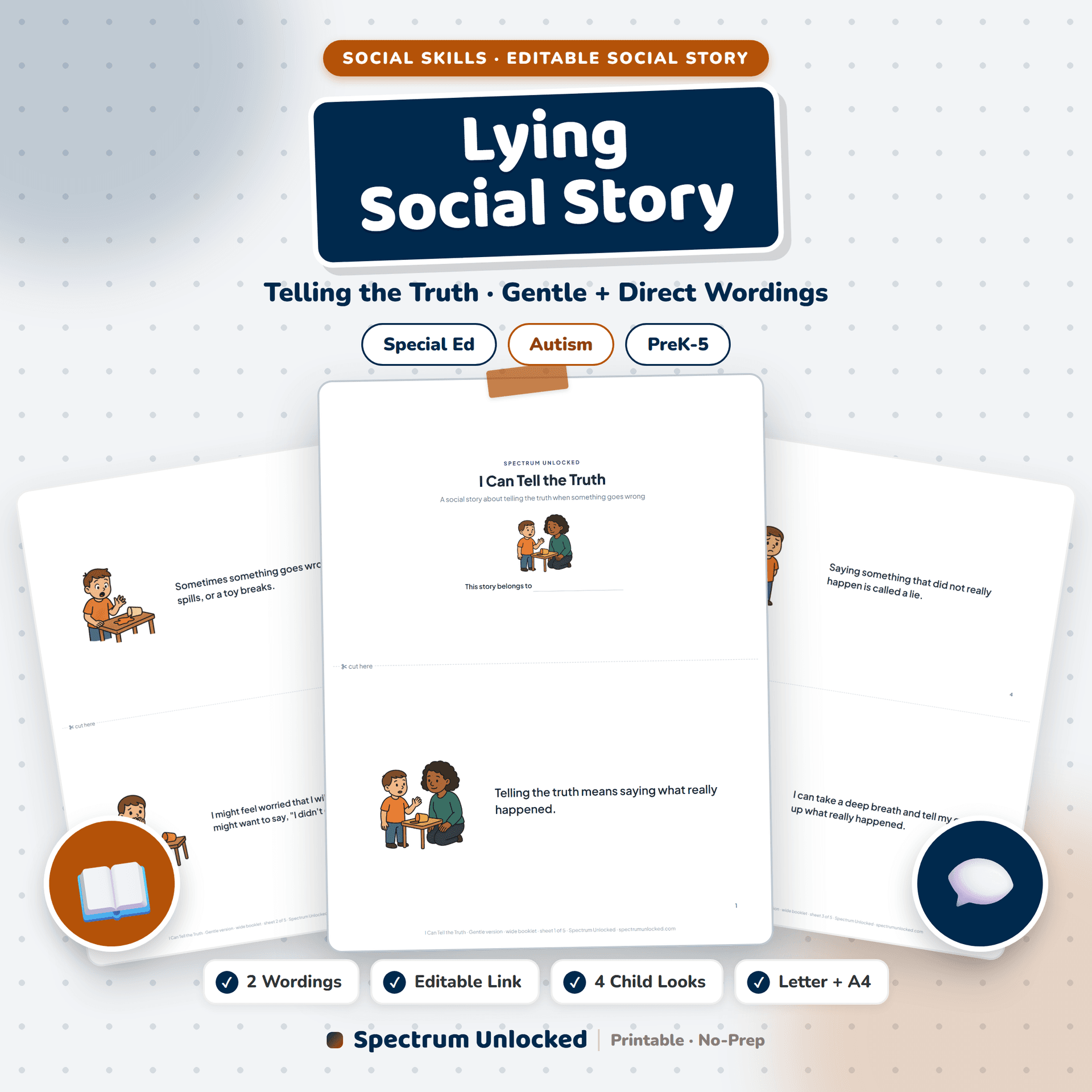
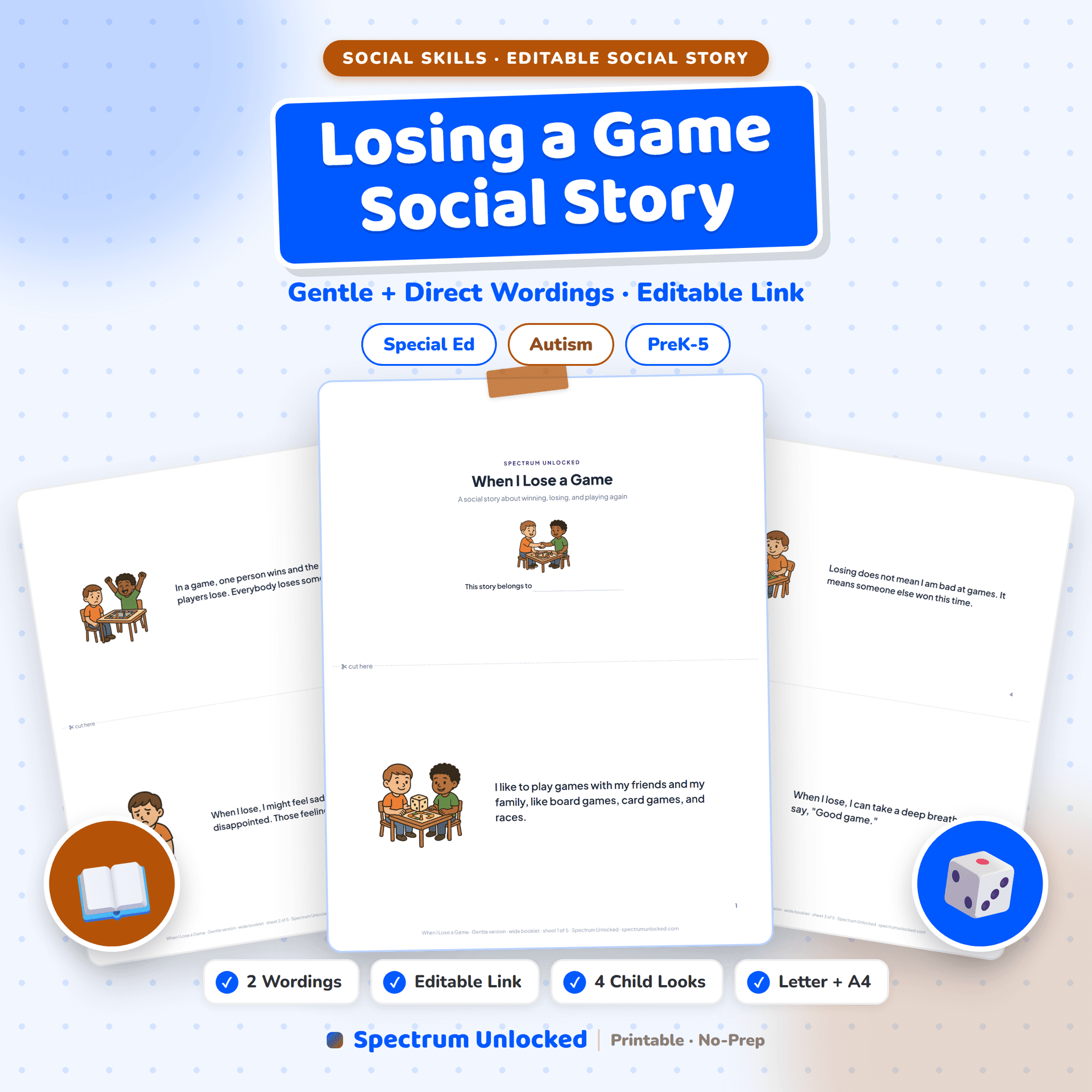
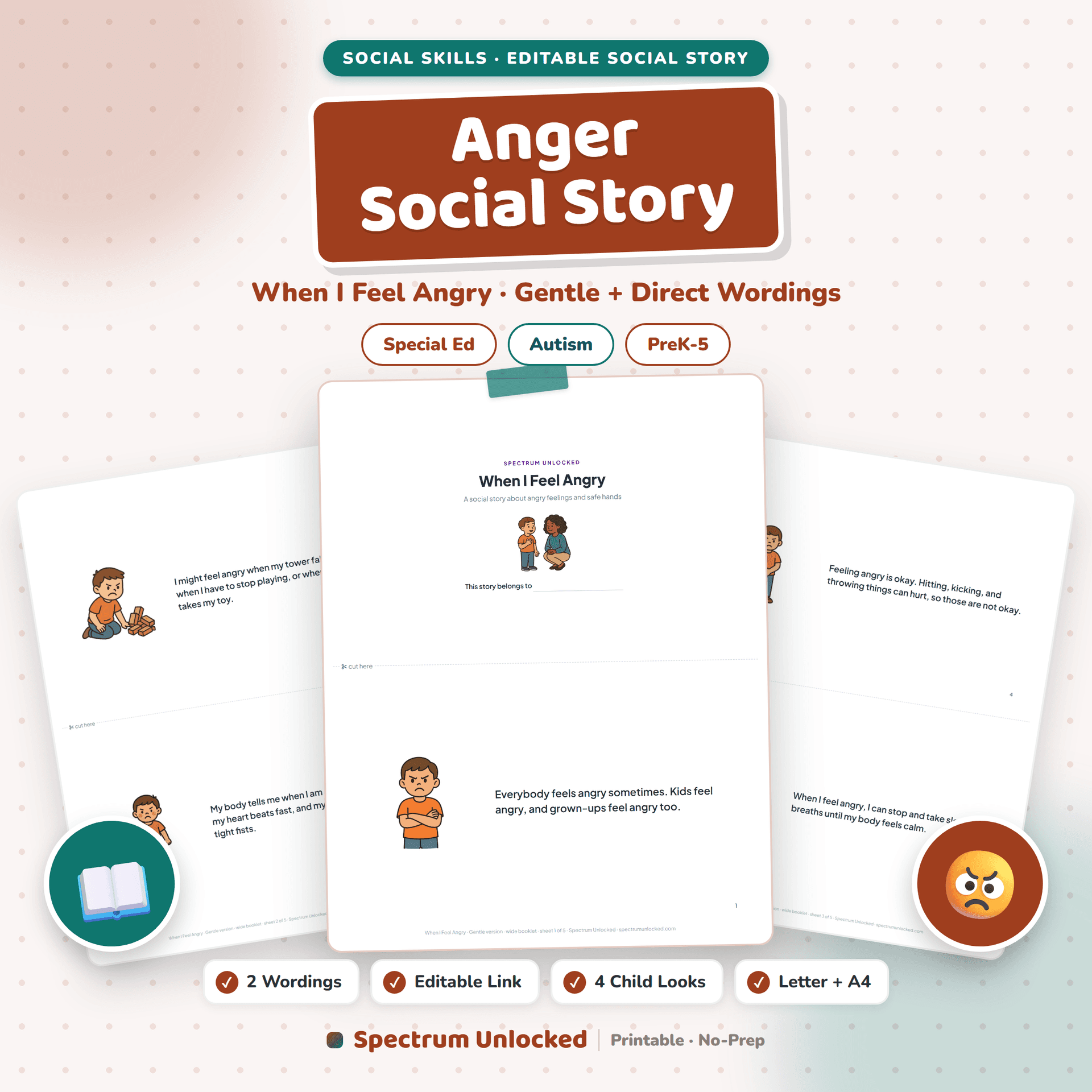
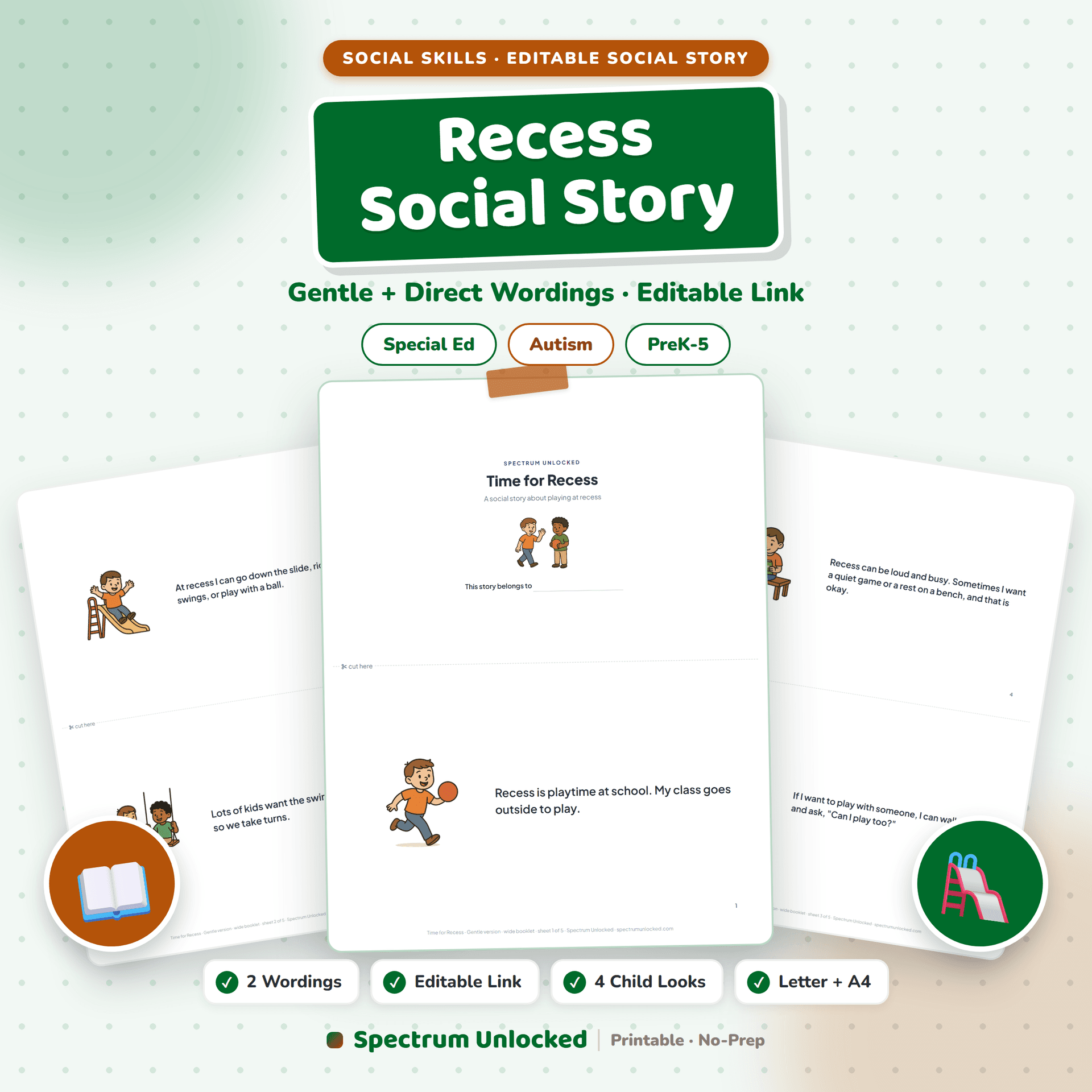
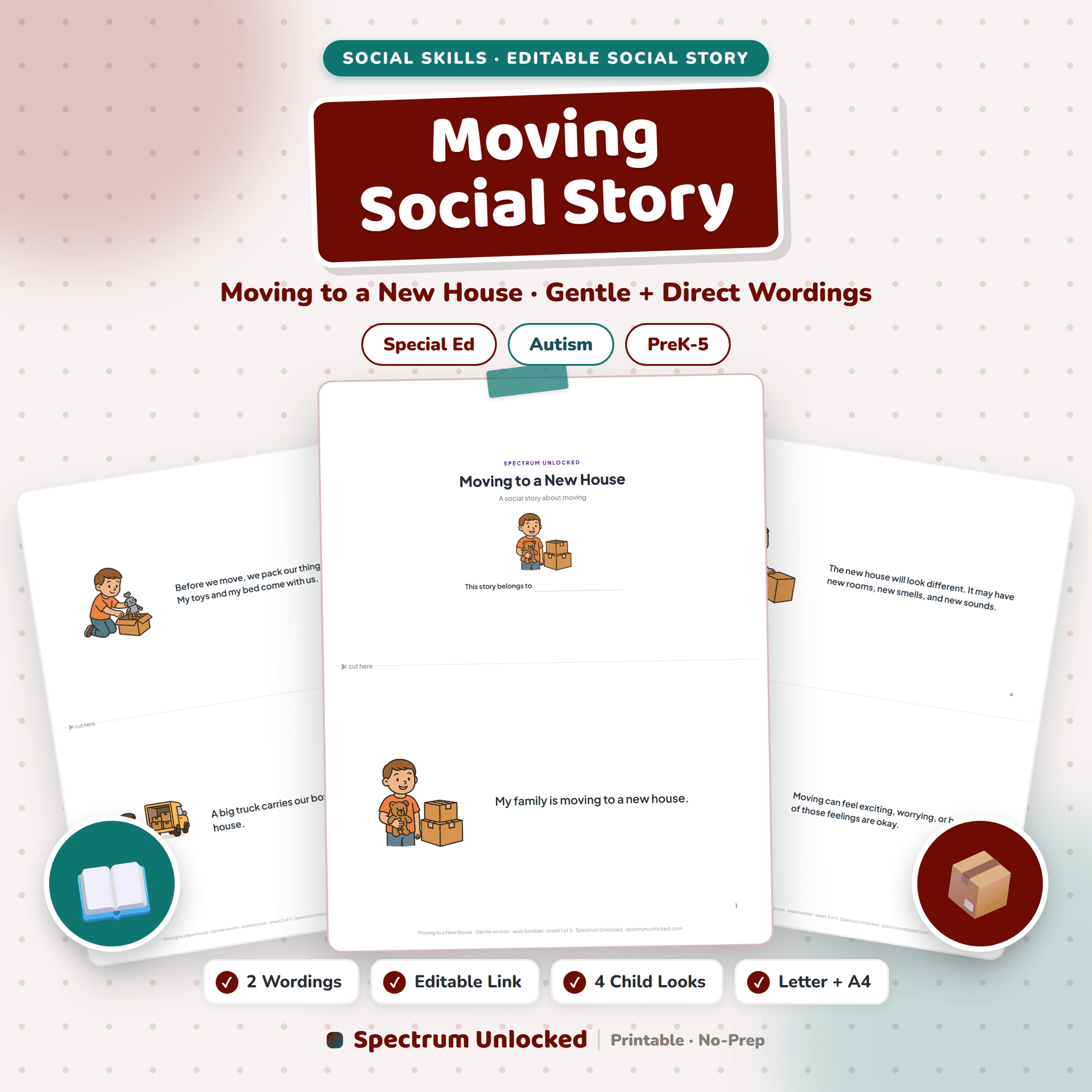
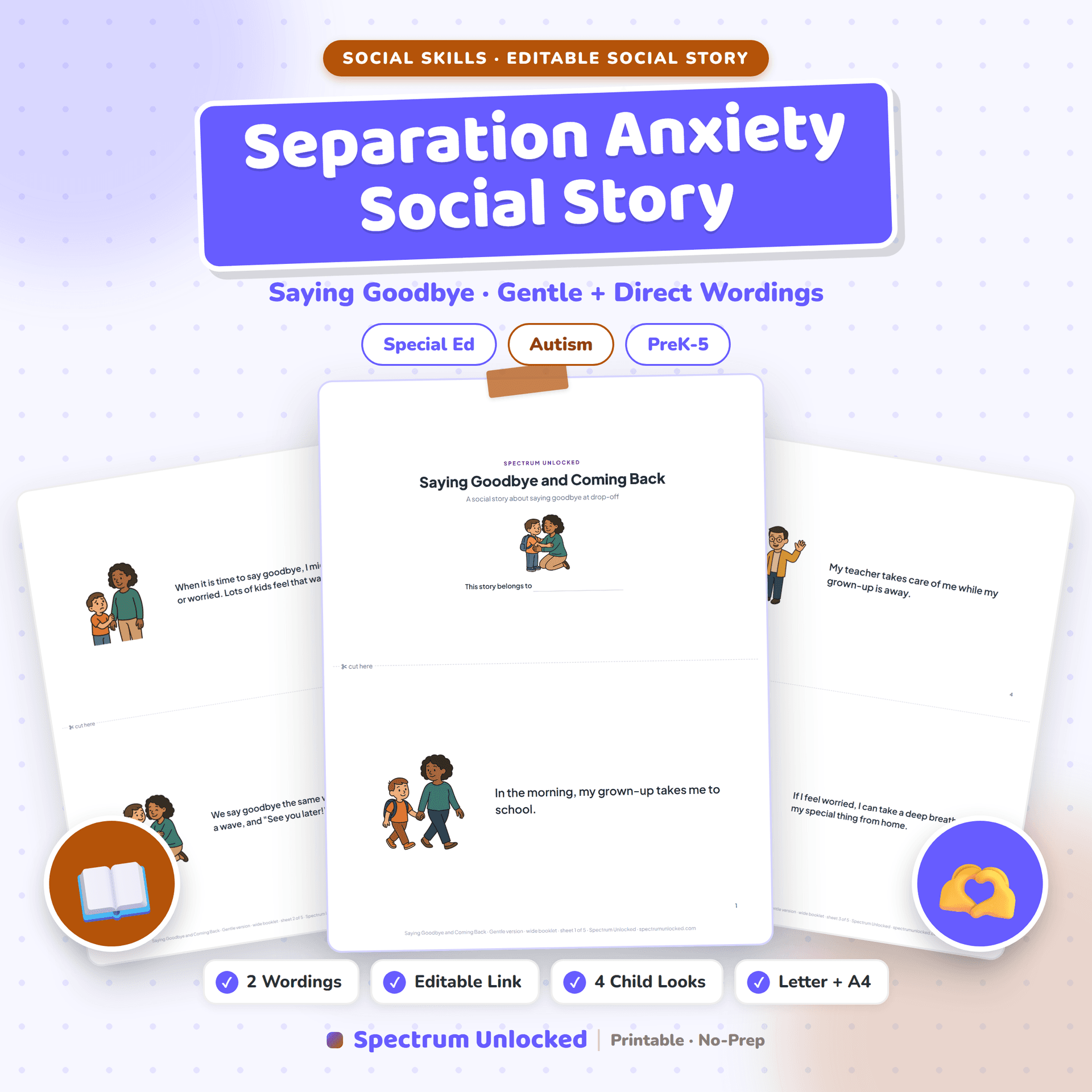
Nothing left to prepare. 25 finished sets, from $3, and every page prints exactly as it is.
When to use this story
Use this story when your child hits during frustration, overwhelm, or play that gets too rough. Read it at a calm moment, never right after an incident, and reread it before the settings where hitting tends to show up, like sibling play or transitions. Pick the version that matches how your family already talks about behavior.
The gentle version describes before it coaches. It starts from what your child enjoys, playing with friends and family, names the mad feeling as normal, and only then explains that hitting hurts and offers replacements: a deep breath, squeezing a pillow, or asking a grown-up for help.
The direct version is shorter and consequence-forward. It states the rule, We do not hit, notes that hitting can mean losing toys or leaving the game, and scripts two alternatives, counting to 10 and telling a grown-up about the mad feeling. Some children do better with a rule stated this plainly.
Hitting is usually communication. The story gives your child words and a rehearsed alternative, and it works best alongside noticing what sets the hitting off, whether that is a sibling grabbing a toy, a demand, or sensory overload.
Frequently asked questions
- When should I read a hitting social story with my child?
- At calm, connected times, like after a snack or before bed, and again shortly before situations where hitting tends to happen. Reading it in the heat of the moment does not work well, because a child mid-meltdown cannot take in a story. Regular calm reads build the habit the story describes.
- What is the difference between the gentle and direct versions?
- The gentle version follows Carol Gray's describing-first approach: it validates the mad feeling and spends most of its pages on context before suggesting safe hands. The direct version states the rule plainly, We do not hit, right after naming the mad feeling, and lists consequences like losing toys. Choose whichever matches your child and your family's language.
- Will a social story stop my child from hitting?
- A story alone rarely changes behavior overnight. What it can do is give your child language for the mad feeling and a rehearsed alternative, like a deep breath or squeezing a pillow. Many families see progress when the story is paired with consistent responses and attention to what triggers the hitting.
- Is there a cost to print this hitting story?
- No, for both versions. The full text of each is on this page, and the maker turns either one into a printable booklet at no cost, with your child's name and photos if you add them.
- Can I customize the story?
- Yes. Open either version in the maker to edit sentences, swap the pictures, add pages, or switch between I statements and your child's name. Naming the specific replacement your child already uses, like a favorite squeeze toy, makes the story land better.
- Who developed social stories?
- Social Stories were developed by Carol Gray in the early 1990s. The gentle version of this template follows her published guidance, including describing more than coaching, but Spectrum Unlocked is not affiliated with or endorsed by Carol Gray.
Related stories
Biting Social Story
When a child bites, everyone needs a plan. This printable social story explains that teeth are for food and offers safe things to chew instead. Free to edit.
Throwing Things Social Story
Read the full story about safe hands and things that fly, then print it free. Written for kids who throw toys or food when anger or excitement gets big.
When I Feel Frustrated Social Story
Frustration hits when the tower falls or the zipper sticks. A free printable social story that names the feeling and walks through calming down, step by step.
Related guides
Social Stories were developed by Carol Gray. Spectrum Unlocked is not affiliated with or endorsed by Carol Gray; the gentle version of this template follows her published describe-more-than-coach guidance.