Cluster Reduction: Examples, Minimal Pairs And Activities
Cluster reduction is when a child drops one sound of a blend, so “stop” comes out as “top” and “bread” as “bed.” Below are 29 picture pairs for S, L and R blends, with a free practice sheet and a short home routine.
- Free Practice Sheet: picture pairs, ready to print
- What cluster reduction is: examples, and the age it usually goes away
- S Blend Pairs: stop and top, spot and pot
- More S Blend Pairs: spill and pill, spin and pin
- L Blend Pairs: clap and cap, black and back
- R Blend Pairs: bread and bed, frog and fog
- More R Blend Pairs: truck and tuck, broom and boom
- Three-Sound Blend Pairs: spray and pray, street and treat
- Activities for home: five minutes, most days
- When to see a speech-language pathologist
What Is Cluster Reduction?
Cluster reduction is one of the patterns young children use while their speech is still developing. A cluster, or blend, is two or three consonants side by side with no vowel between them, like the ST in stop or the BR in bread. Saying both sounds takes quick, careful mouth movements, so a child who reduces clusters keeps one and drops the other: “spoon” sounds like “poon,” “snake” like “nake,” and “tree” like “tee.”
The shorter word is often a real word, so cluster reduction changes the meaning: “stop” and “top,” “clap” and “cap,” “frog” and “fog.” That is why the pairs below put two pictures side by side: saying the whole blend is what makes the right picture the answer.
S Blend Pairs
Each pair is the same word with its S, or with the S left out of the blend. Name both pictures, then say one and ask your child to point to it. When that is easy, swap roles: your child says one and you point to what you heard.
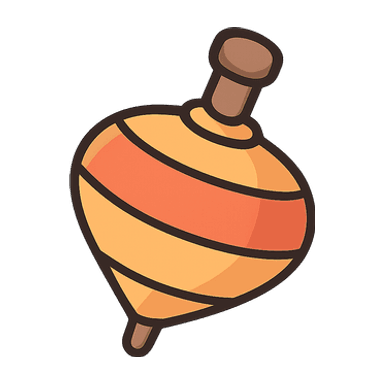 top
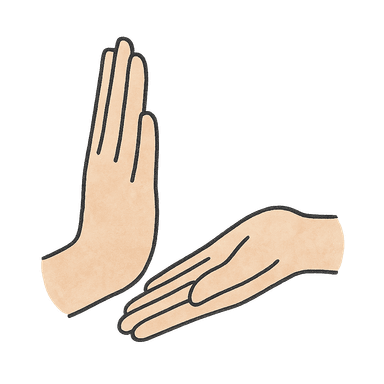 stopHiss the S, then the T: s-top.
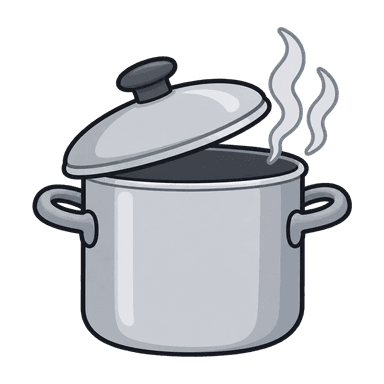 pot
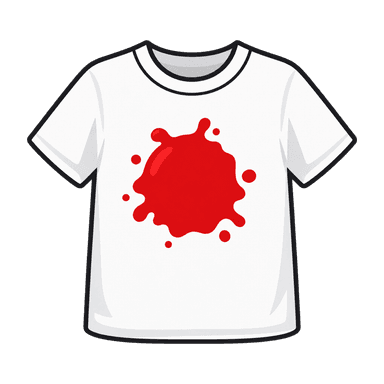 spotA spot of paint; a pot for soup.
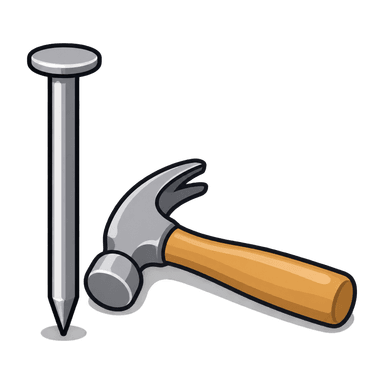 nail
 snailA snail has a shell; a nail needs a hammer.
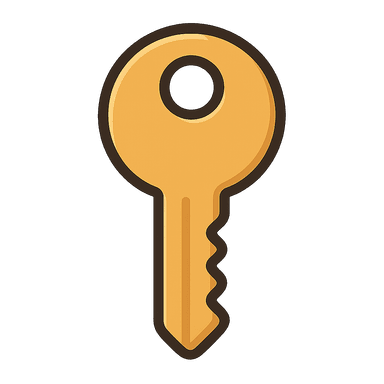 key
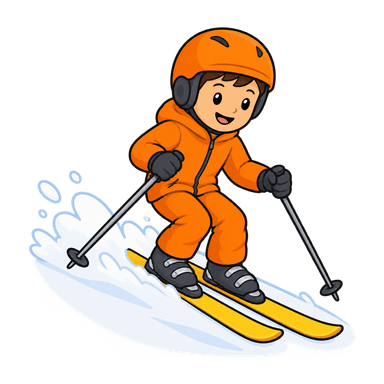 skiSki down the hill; a key opens the door.
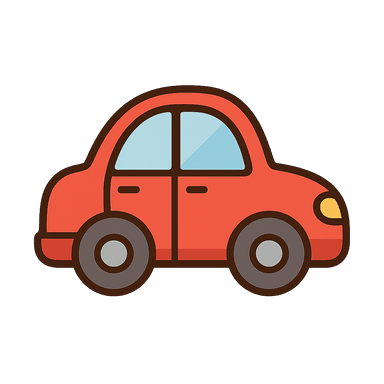 car
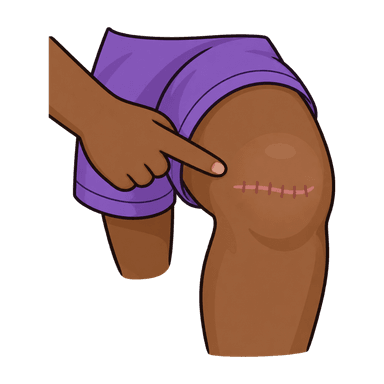 scarA scar on a knee; a car on the road.
 wing
 swingA swing at the park; a wing on a bird.
Ready for more words? Practice the S Blend Words list.
Print This List
One tap opens the worksheet maker with 12 words from these pairs loaded, dotted and ready to trace or read aloud.
Make a Tracing SheetMore S Blend Pairs
Each pair is the same word with its S, or with the S left out of the blend. Name both pictures, then say one and ask your child to point to it. When that is easy, swap roles: your child says one and you point to what you heard.
 pill
 spillMilk can spill; a pill is medicine.
 pin
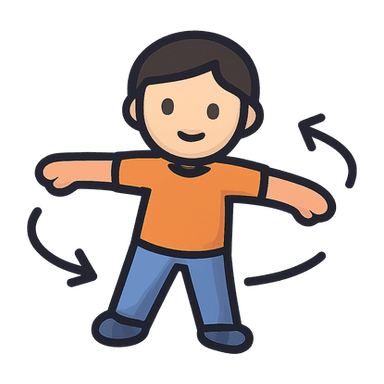 spinSpin around; a pin holds cloth.
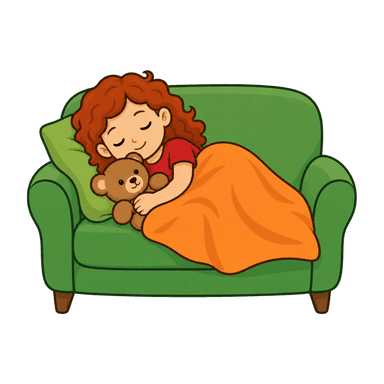 nap
 snapSnap your fingers, then take a nap.
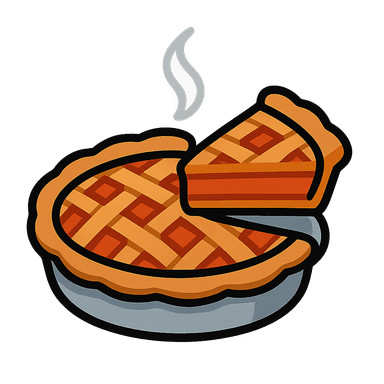 pie
 spyA spy with a magnifying glass; a pie to eat.
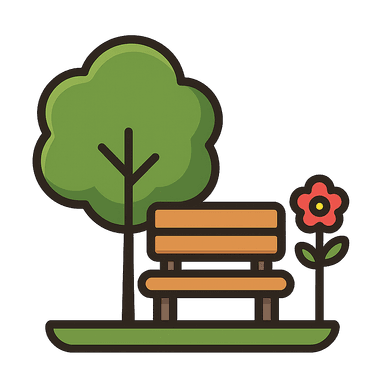 park
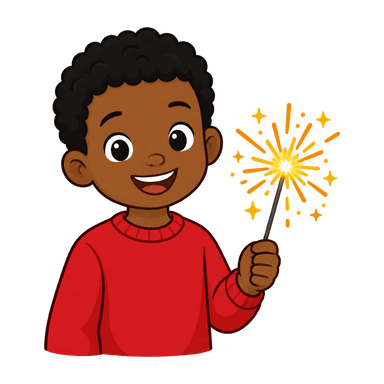 sparkA spark from a sparkler; a park to play in.
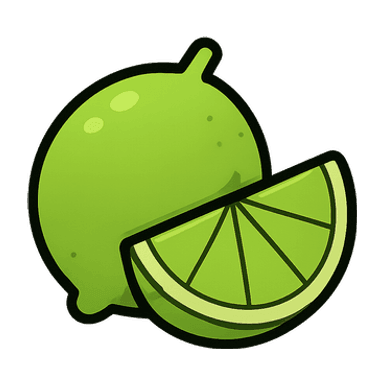 lime
 slimeGreen slime, a green lime: the S makes the change.
Ready for more words? Practice the S Blend Words list.
Print This List
One tap opens the worksheet maker with 12 words from these pairs loaded, dotted and ready to trace or read aloud.
Make a Tracing SheetL Blend Pairs
Each pair is the same word with its L, or with the L left out of the blend. Name both pictures, then say one and ask your child to point to it. When that is easy, swap roles: your child says one and you point to what you heard.
 cap
 clapLift the tongue for L inside the word: c-lap.
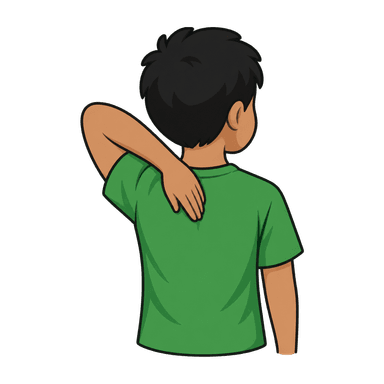 back
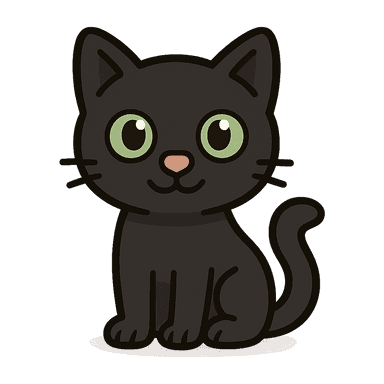 blackBlack is a color; your back is behind you.
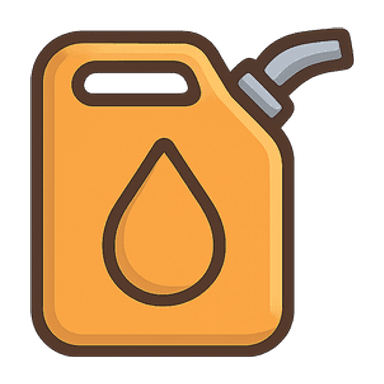 gas
 glassA glass of water; gas for the car.
 bow
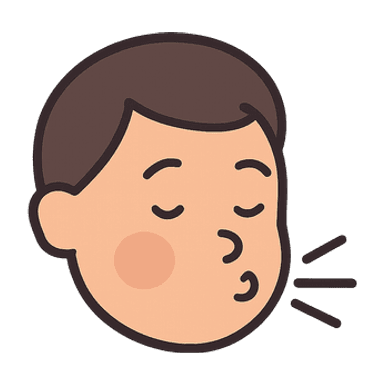 blowBlow out the candles; a bow on a present.
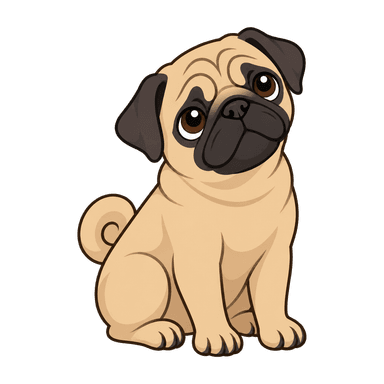 pug
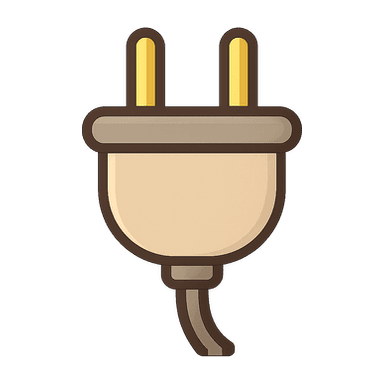 plugA plug goes in the wall; a pug is a dog.
 pay
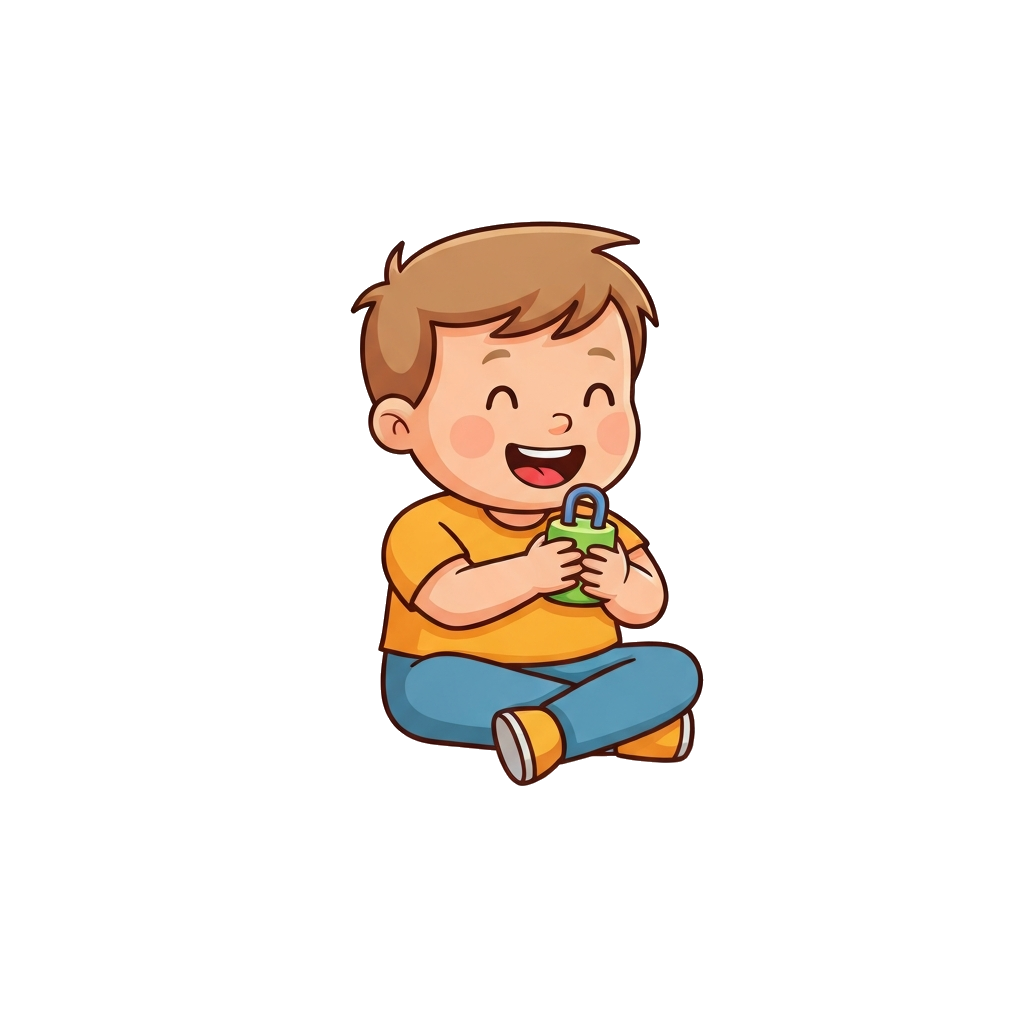 playPlay with toys; pay at the store.
Ready for more words? Practice the L Blend Words list.
Print This List
One tap opens the worksheet maker with 12 words from these pairs loaded, dotted and ready to trace or read aloud.
Make a Tracing SheetR Blend Pairs
Each pair is the same word with its R, or with the R left out of the blend. Name both pictures, then say one and ask your child to point to it. When that is easy, swap roles: your child says one and you point to what you heard.
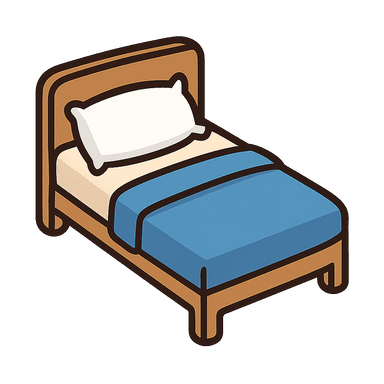 bed
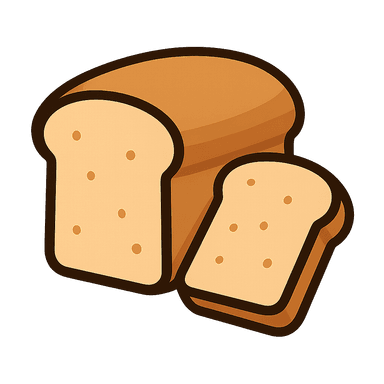 breadSlide the R in after the B: b-read.
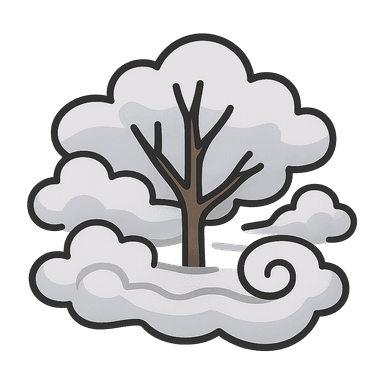 fog
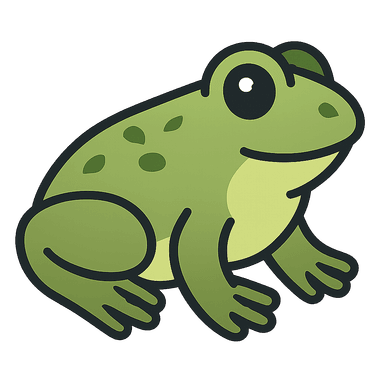 frogA frog hops; fog is a cloud near the ground.
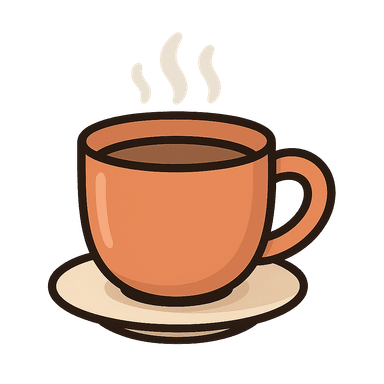 tea
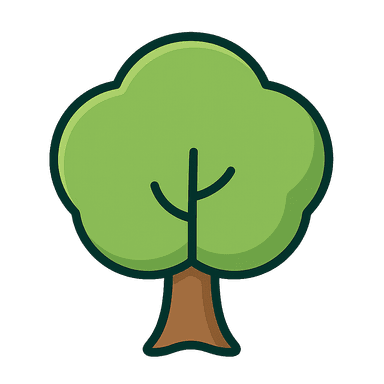 treeA tall tree; a cup of tea.
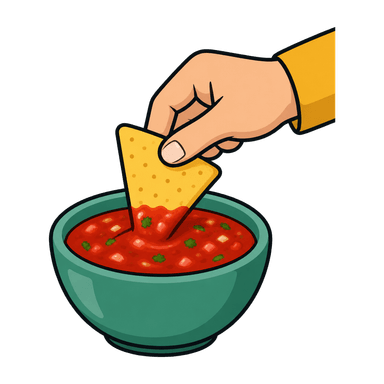 dip
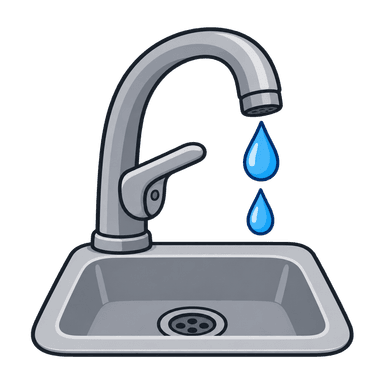 dripThe tap can drip; dip a chip in salsa.
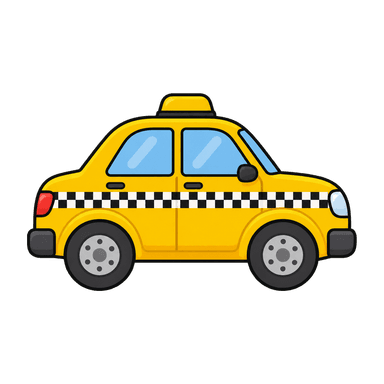 cab
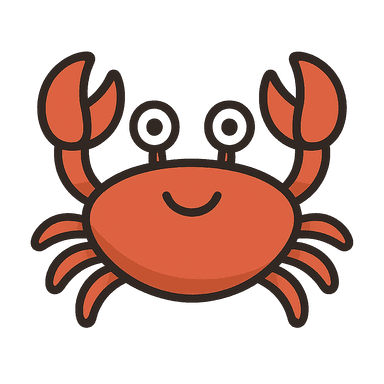 crabA crab on the beach; a cab in the city.
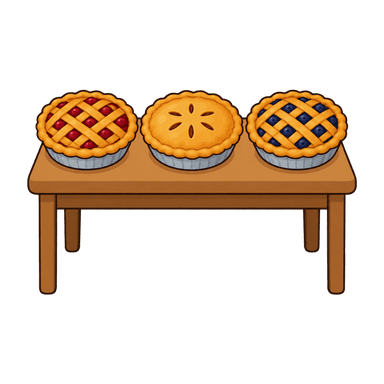 pies
 prizeWin a prize; bake some pies.
Ready for more words? Practice the R Blend Words list.
Print This List
One tap opens the worksheet maker with 12 words from these pairs loaded, dotted and ready to trace or read aloud.
Make a Tracing SheetMore R Blend Pairs
Each pair is the same word with its R, or with the R left out of the blend. Name both pictures, then say one and ask your child to point to it. When that is easy, swap roles: your child says one and you point to what you heard.
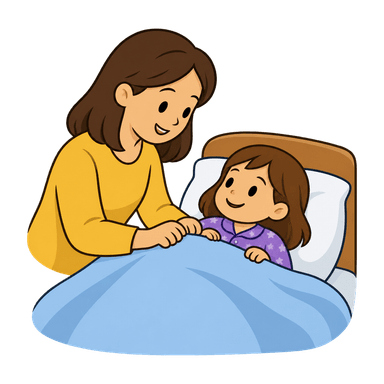 tuck
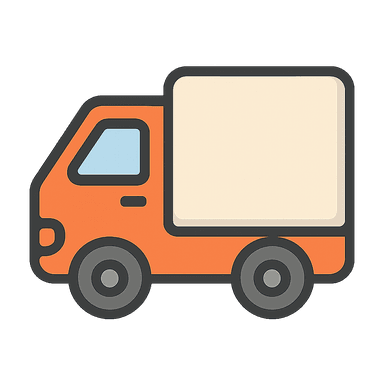 truckA truck on the road; tuck in at bedtime.
 boom
 broomSweep with a broom; fireworks go boom.
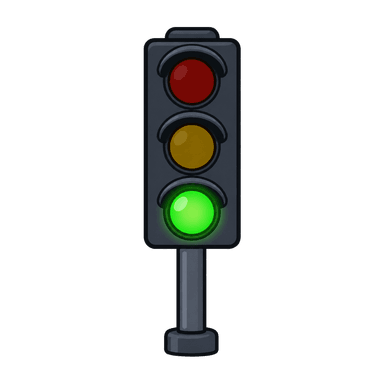 go
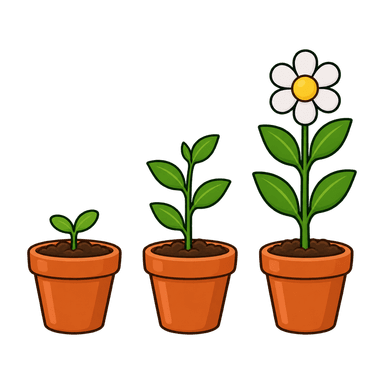 growPlants grow; ready, set, go.
Ready for more words? Practice the R Blend Words list.
Print This List
One tap opens the worksheet maker with 6 words from these pairs loaded, dotted and ready to trace or read aloud.
Make a Tracing SheetThree-Sound Blend Pairs
Each pair is the same word with its S, or with the S left out of the blend. Name both pictures, then say one and ask your child to point to it. When that is easy, swap roles: your child says one and you point to what you heard.
 pray
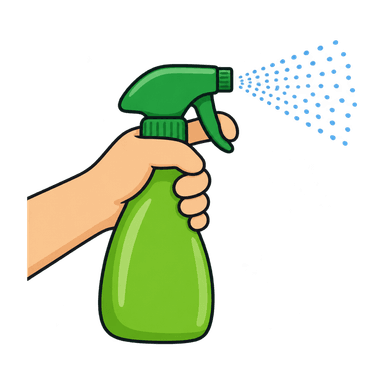 sprayThree sounds at the start: s-p-r. Save it for later.
 treat
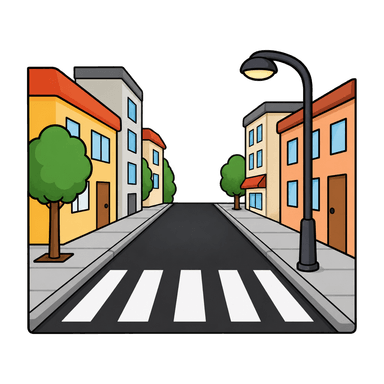 streetThree sounds at the start: s-t-r. Save it for later.
Ready for more words? Practice the S Blend Words list.
Print This List
One tap opens the worksheet maker with 4 words from these pairs loaded, dotted and ready to trace or read aloud.
Make a Tracing SheetHow to Practice at Home
Use any pair below. Keep it short and stop while it is still fun.
- Name both pictures for your child, stretching the blend a little so both sounds are clear: “sss-top,” then “top.”
- Say one of the two words and let your child point to the picture you said.
- Swap roles: your child says a word and you point to the picture you heard. If they meant “stop” and you point to the top, laugh together, stretch the S again and try once more.
- When a pair is easy, move to the next one, then try the words in short phrases like “time to stop.”
When To See A Speech-Language Pathologist
ASHA gives the likely age cluster reduction goes away as about 4 for blends without an S and about 5 for S blends, and Caroline Bowen’s table puts it at about 4. Blends with three sounds, like the STR in street, often come last.
If your child is past 5 and still drops sounds from blends, or people outside the family often cannot understand them, ask a speech-language pathologist for an evaluation. Under IDEA, a parent can ask the public school district in writing to evaluate a child aged 3 or older, and the evaluation is free; our lisp guide walks through the request. For a child under 3, start with your state’s Early Intervention program.
Sources: ASHA, Selected Phonological Patterns; Caroline Bowen, Table 3: Elimination of Phonological Processes.
Print and Practice
One sheet of 6 pairs is free to download and print. The complete pack has every pair at every level.
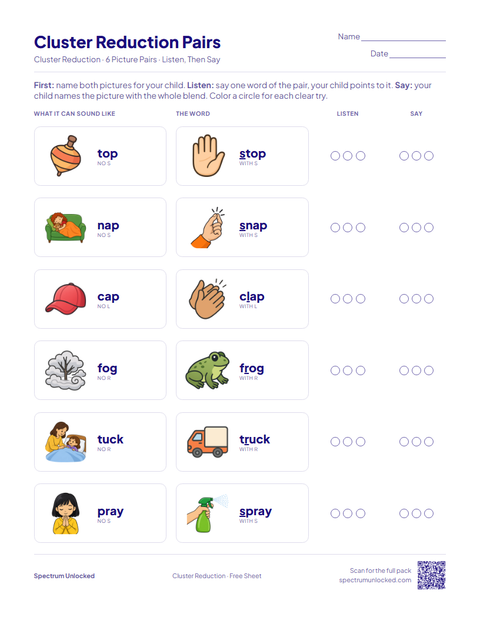
Cluster Reduction Pairs
Six blend pairs with pictures, against the shorter word a child may say. Listen and point, then say, with circles to color for every clear try. A QR code on the back leads to every pair.
Download the PDFCluster Reduction Minimal Pairs Worksheets Pack
34 no-prep cluster reduction sheets built on 29 picture minimal pairs for S, L and R blends, with two three-sound blends for later practice: pair sheets, listening and saying sheets, 58 cut-apart picture cards, phrases and sentences, home practice pages and an SLP data sheet, in Color and Ink-Saver PDFs.
Get The Pack For $4For SLPs and Teachers
Each contrast pairs a blend word with the real word left when one of its consonants is omitted, confirmed against the CMU Pronouncing Dictionary, and the sets follow the usual reduction pattern: S omitted from S clusters, the liquid omitted from L and R clusters. Two three-element clusters close the list for students ready for a harder step.
Because S clusters tend to resolve later than the rest, the S sets come first, so you can start there or skip ahead to the liquids, depending on the student. The pack adds listening and production trials for every contrast on its data sheet, plus home pages with a line for your notes. One purchase serves a single classroom or caseload.
Common Questions
- What is cluster reduction in speech?
- Cluster reduction is a speech pattern where a child drops one sound of a blend, so “stop” sounds like “top” and “bread” like “bed.” A blend is two or three consonants together with no vowel between them. It is very common in young children whose speech is still developing.
- At what age should cluster reduction go away?
- ASHA gives about 4 for blends without an S and about 5 for S blends, and Caroline Bowen’s table puts it at about 4. Three-sound blends like STR often come last. If your child is past 5 and still drops sounds from blends, or is hard for other people to understand, ask a speech-language pathologist for an evaluation.
- What are some examples of cluster reduction?
- Common examples are “top” for stop, “poon” for spoon, “cap” for clap, “bed” for bread and “tee” for tree. In each one the child keeps the rest of the word and leaves out one sound of the blend. With S blends the S usually goes; with L and R blends the L or R usually goes.
- What are minimal pairs for cluster reduction?
- They are two words where one has the whole blend and the other is missing one of its sounds, like stop and top or frog and fog. Each word has its own picture, so a child who drops a sound ends up pointing to the wrong one, which shows them why the whole blend matters.
- Is cluster reduction the same as a lisp?
- No. A lisp changes how the S itself sounds, so “sun” comes out as “thun.” Cluster reduction leaves out a sound of a blend entirely, so “snail” becomes “nail.” A child can have one, both or neither, and a speech-language pathologist can tell which one is happening.
- How do I practice cluster reduction at home?
- Name both pictures in a pair first, stretching the blend a little so both sounds are clear. Then say one word and let your child point to it, and swap roles so your child says a word while you point to the picture you heard. Keep sessions to a few minutes and stop while it is still fun.
- Are these word pairs free to print?
- Yes. Every pair on this page, with its pictures, and the practice sheet are free to print, with no account needed. You can also practice straight from the screen: name the two pictures, say one word, and let your child point to the picture you said.
Working on cluster reduction at home?
Beacon talks a speech question through with you: what the pattern means for your child, how to fit practice into a day, and what to ask the speech therapist.
What Would Beacon Say?
"My 4 year old says "top" for "stop" and "bed" for "bread". When does that usually stop, and how can I help at home?"