Deaffrication: Examples, Minimal Pairs And Activities
Deaffrication is when a child turns CH into SH, so “chip” comes out as “ship” and “watch” as “wash.” Below are 25 picture pairs with CH at the start, the end and the middle of the word, with a free practice sheet and a short home routine.
- Free Practice Sheet: picture pairs, ready to print
- What deaffrication is: examples, and the age it usually goes away
- CH To SH Pairs: chip and ship, chair and share
- More CH To SH Pairs: chop and shop, cheer and sheer
- Final CH To SH Pairs: catch and cash, watch and wash
- More Final CH To SH Pairs: crutch and crush, batch and bash
- Middle CH To SH Pairs: watching and washing, witches and wishes
- Activities for home: five minutes, most days
- When to see a speech-language pathologist
What Is Deaffrication?
Deaffrication is one of the patterns young children use while their speech is still developing. CH is two sounds pressed together: a quick stop, like T, and then a rush of air. A child who uses deaffrication drops the stop and keeps only the air, so CH comes out as SH: “chip” sounds like “ship,” “chair” like “share,” and “watch” like “wash.”
The swapped word is often a real word, so deaffrication changes the meaning. That is why the pairs below put two pictures side by side: the little stop at the start of CH is what makes the right picture the answer. J works the same way, but English has almost no word pairs for it, so these pairs are CH.
CH To SH Pairs
Each pair is the same word with a CH, or with an SH in its place. Name both pictures, then say one and ask your child to point to it. When that is easy, swap roles: your child says one and you point to what you heard.
 ship
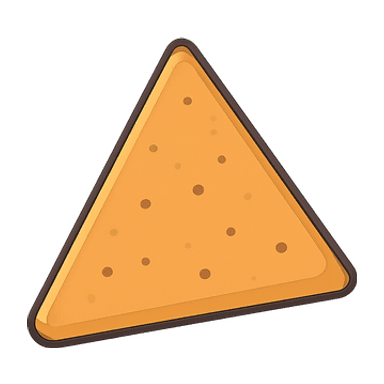 chipCH starts with a stop, like a tiny sneeze; SH just flows.
 share
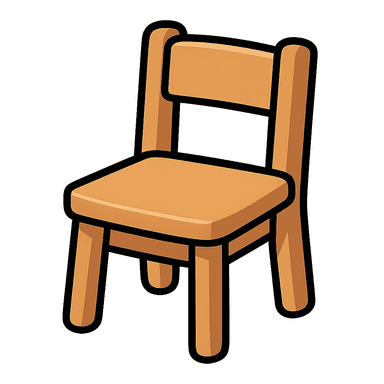 chairSit on a chair, share a toy.
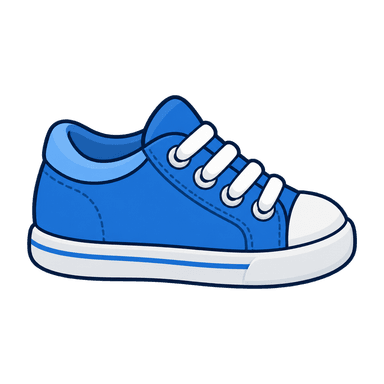 shoe
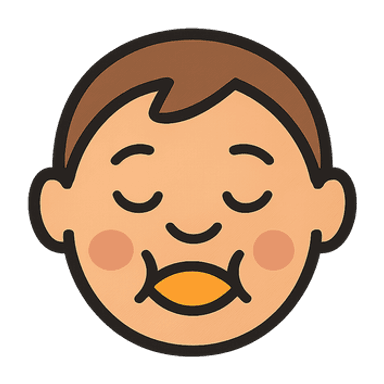 chewChew your food, tie your shoe.
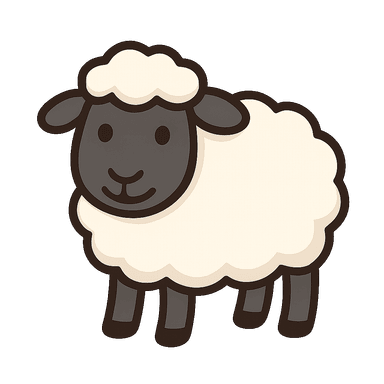 sheep
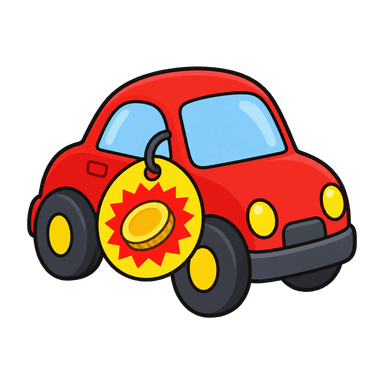 cheapA cheap toy costs one coin; a sheep says baa.
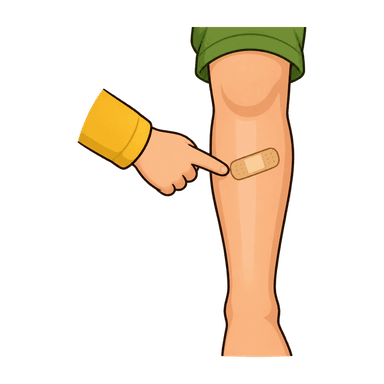 shin
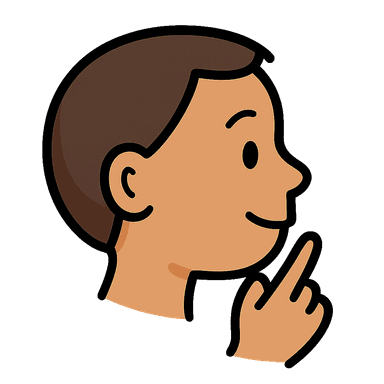 chinTouch your chin, then your shin.
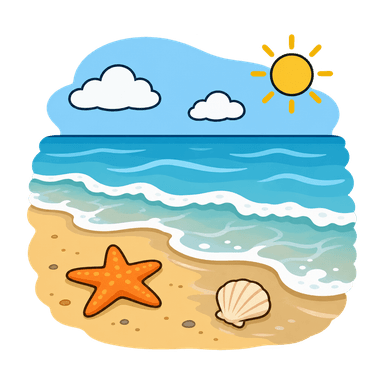 shore
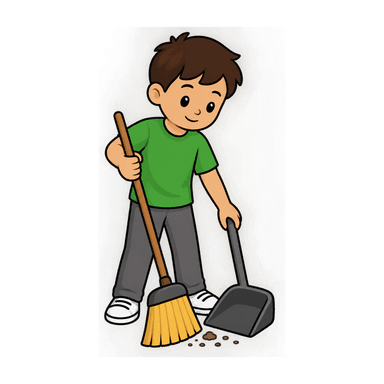 choreSweeping is a chore; the shore is the beach.
Print This List
One tap opens the worksheet maker with 12 words from these pairs loaded, dotted and ready to trace or read aloud.
Make a Tracing SheetMore CH To SH Pairs
Each pair is the same word with a CH, or with an SH in its place. Name both pictures, then say one and ask your child to point to it. When that is easy, swap roles: your child says one and you point to what you heard.
 shop
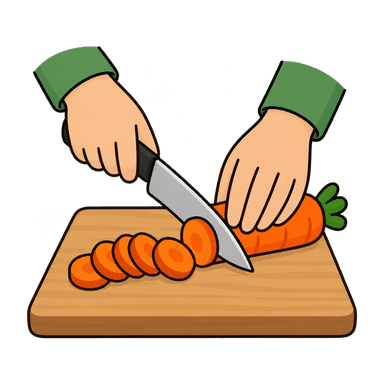 chopChop the carrot, then go to the shop.
 sheer
 cheerCheer with your arms up; sheer curtains let the light in.
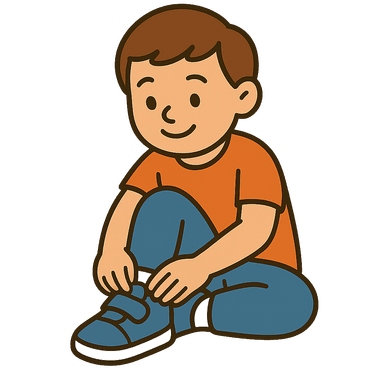 shoes
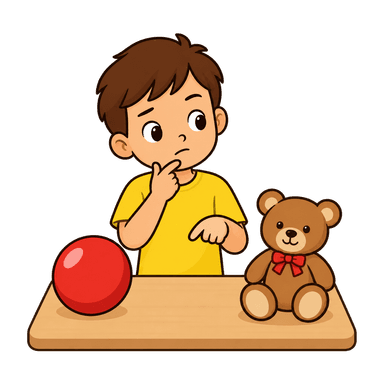 chooseChoose a toy, put on your shoes.
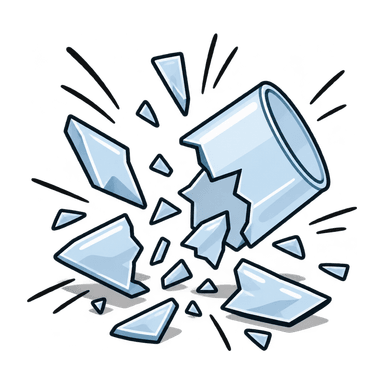 shatter
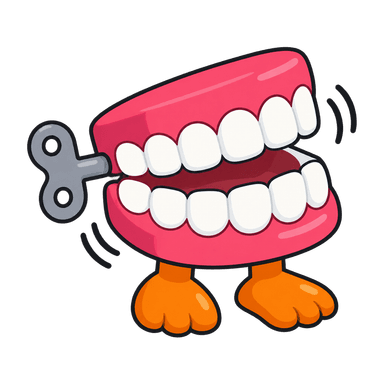 chatterTeeth chatter when you are cold; glass can shatter.
 shopping
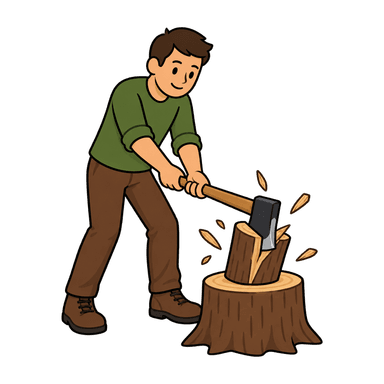 choppingChopping wood, shopping for food.
Print This List
One tap opens the worksheet maker with 10 words from these pairs loaded, dotted and ready to trace or read aloud.
Make a Tracing SheetFinal CH To SH Pairs
Each pair is the same word with a CH, or with an SH in its place. Name both pictures, then say one and ask your child to point to it. When that is easy, swap roles: your child says one and you point to what you heard.
 cash
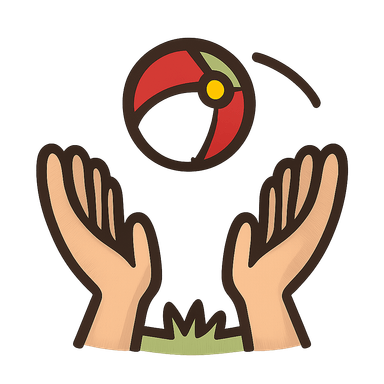 catchEnd with the little stop: catch, not cash.
 wash
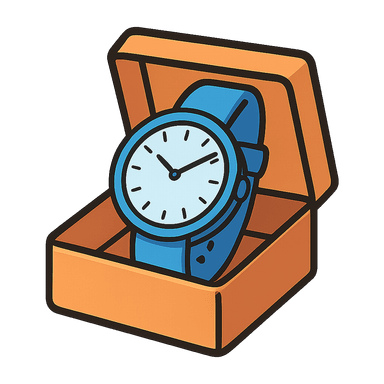 watchA watch tells the time; wash the car.
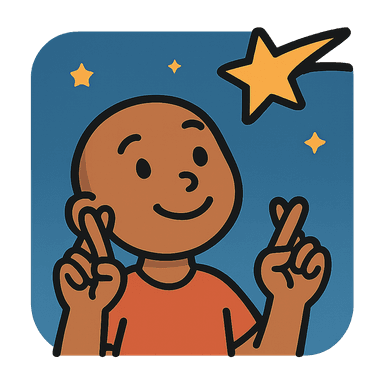 wish
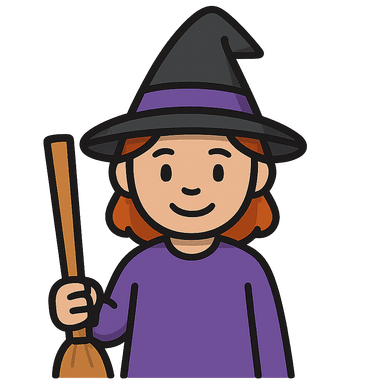 witchA witch has a broom; wish on a star.
 mash
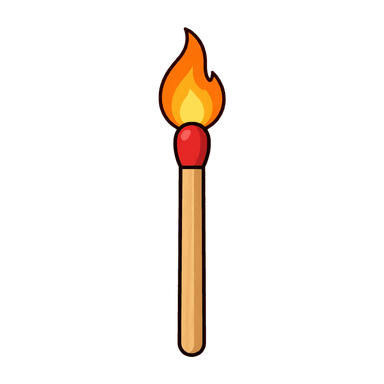 matchA grown-up lights a match; we mash potatoes.
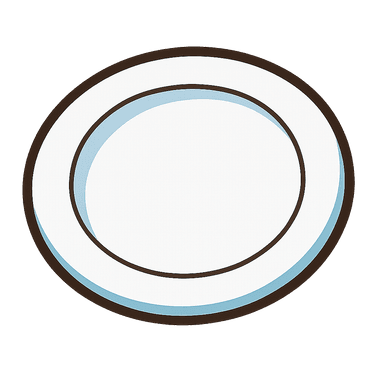 dish
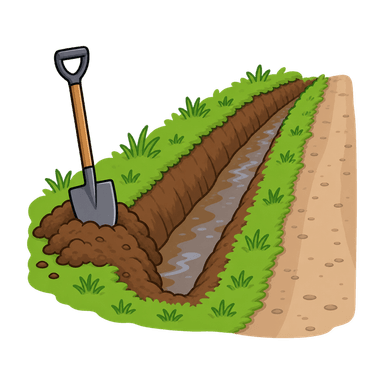 ditchWater runs in the ditch; food goes on a dish.
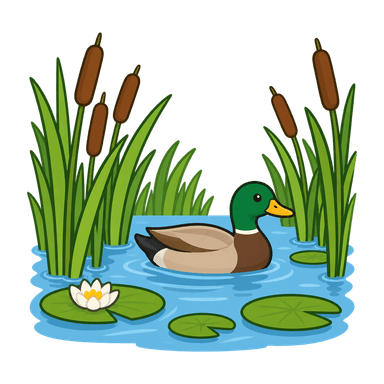 marsh
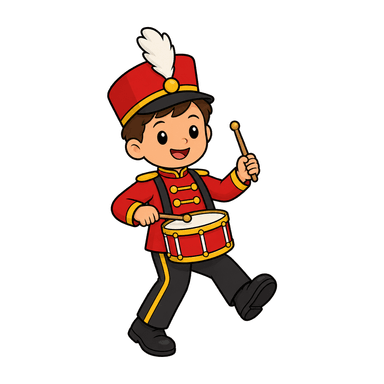 marchKnees up and march; ducks swim in the marsh.
Print This List
One tap opens the worksheet maker with 12 words from these pairs loaded, dotted and ready to trace or read aloud.
Make a Tracing SheetMore Final CH To SH Pairs
Each pair is the same word with a CH, or with an SH in its place. Name both pictures, then say one and ask your child to point to it. When that is easy, swap roles: your child says one and you point to what you heard.
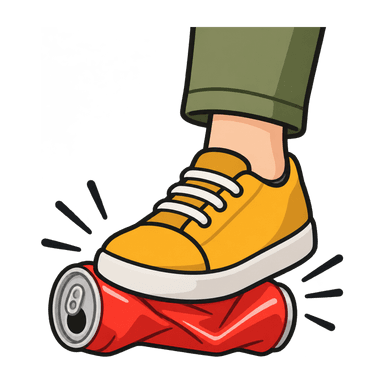 crush
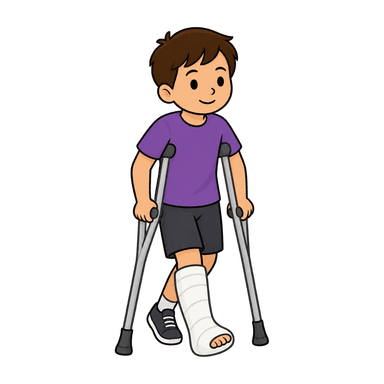 crutchA crutch helps you walk; crush the can.
 bash
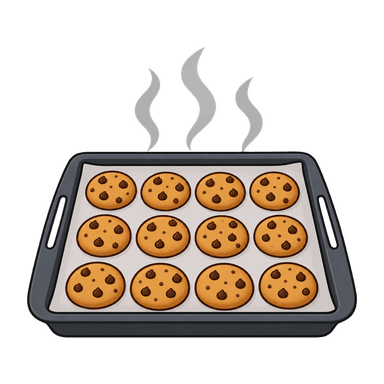 batchA batch of cookies; a birthday bash.
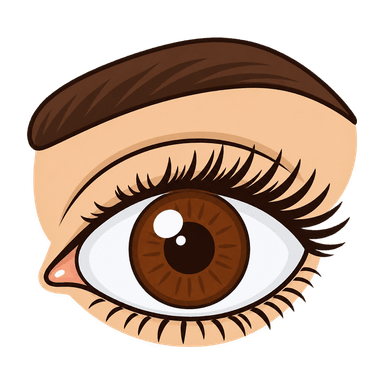 lash
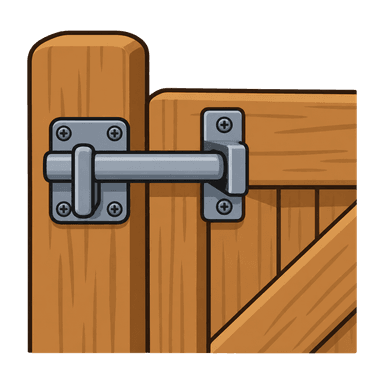 latchClose the gate latch; blink your eyelash.
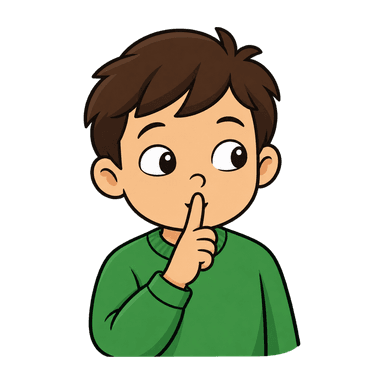 hush
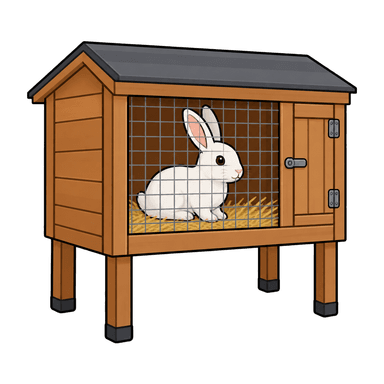 hutchThe rabbit lives in a hutch; hush means be quiet.
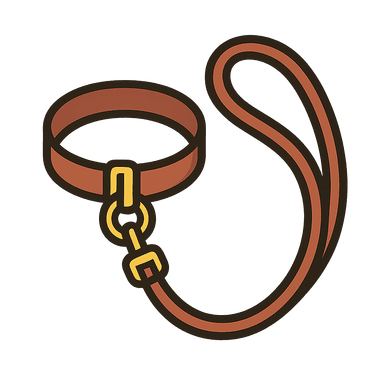 leash
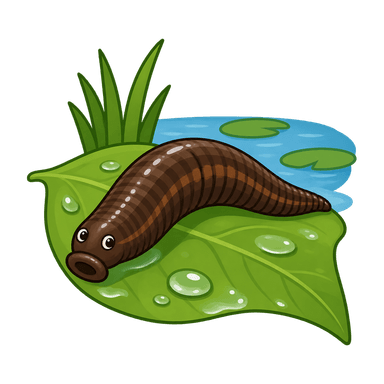 leechA leech lives in the pond; a dog wears a leash.
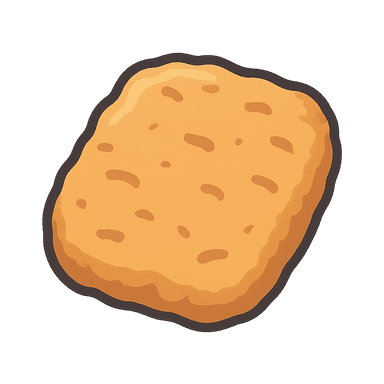 hash
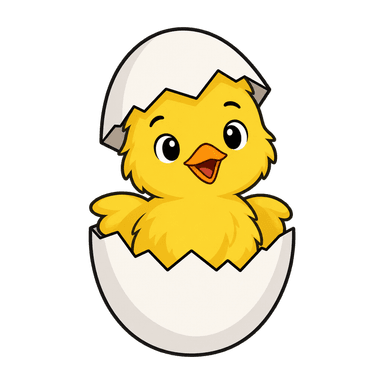 hatchChicks hatch from eggs; hash browns are for breakfast.
Print This List
One tap opens the worksheet maker with 12 words from these pairs loaded, dotted and ready to trace or read aloud.
Make a Tracing SheetMiddle CH To SH Pairs
Each pair is the same word with a CH, or with an SH in its place. Name both pictures, then say one and ask your child to point to it. When that is easy, swap roles: your child says one and you point to what you heard.
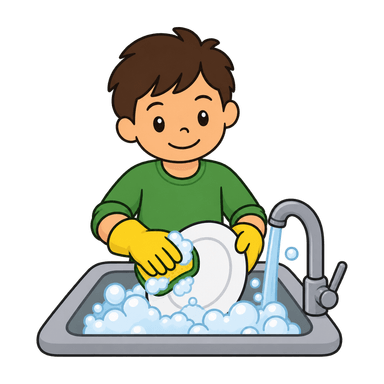 washing
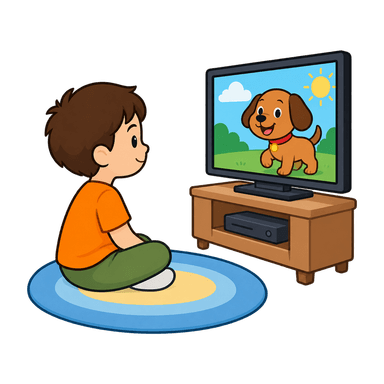 watchingWatching TV, washing dishes: one little stop in the middle.
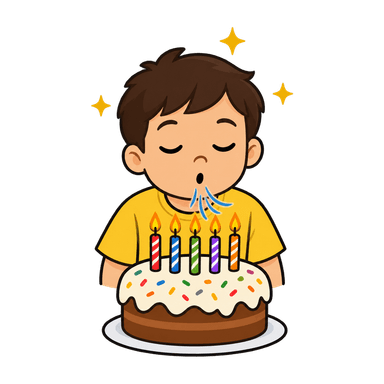 wishes
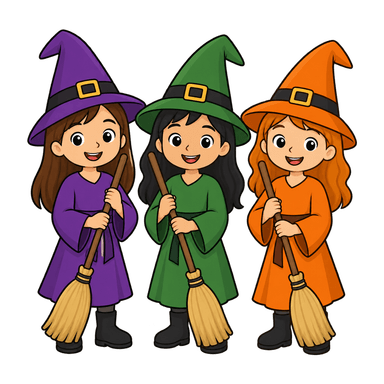 witchesThree witches on brooms; birthday wishes.
Print This List
One tap opens the worksheet maker with 4 words from these pairs loaded, dotted and ready to trace or read aloud.
Make a Tracing SheetHow to Practice at Home
Use any pair below. Keep it short and stop while it is still fun.
- Name both pictures for your child, making the little stop at the start of CH clear: “ch-chip,” then “ship.”
- Say one of the two words and let your child point to the picture you said.
- Swap roles: your child says a word and you point to the picture you heard. If they meant “chip” and you point to the ship, show them the stop and try again.
- When a pair is easy, move to the next one, then try the words in short phrases like “a crunchy chip.”
When To See A Speech-Language Pathologist
ASHA gives the likely age deaffrication goes away as about 4. Treat that as a guide, not a deadline: children learn sounds at different rates.
If your child is past that age and still swaps CH for SH, or people outside the family often cannot understand them, ask a speech-language pathologist for an evaluation. Under IDEA, a parent can ask the public school district in writing to evaluate a child aged 3 or older, and the evaluation is free; our lisp guide walks through the request. For a child under 3, start with your state’s Early Intervention program.
Sources: ASHA, Selected Phonological Patterns.
Print and Practice
One sheet of 6 pairs is free to download and print. The complete pack has every pair at every level.
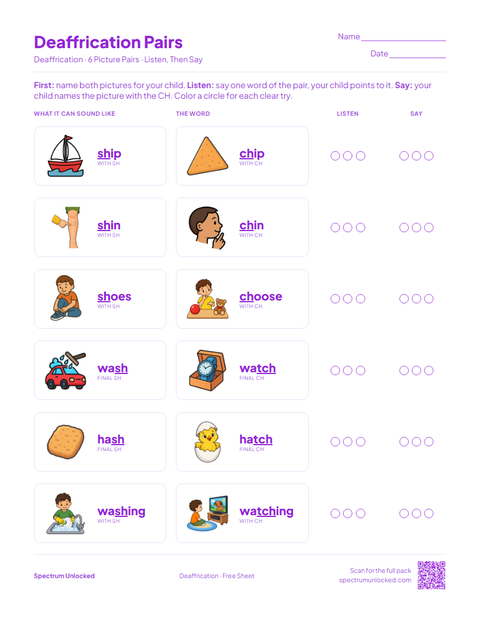
Deaffrication Pairs
Six CH and SH pairs with pictures, at the start, end and middle of words. Listen and point, then say, with circles to color for every clear try. A QR code on the back leads to every pair.
Download the PDFDeaffrication Minimal Pairs Worksheets Pack
29 no-prep deaffrication sheets built on 25 picture minimal pairs for CH and SH at the start, end and middle of words: pair sheets, listening and saying sheets, 50 cut-apart picture cards, phrases and sentences, home practice pages and an SLP data sheet, in Color and Ink-Saver PDFs.
Get The Pack For $4For SLPs and Teachers
The pairs are built for minimal-pair therapy: every pair is a one-sound swap confirmed in the CMU Pronouncing Dictionary, grouped by where CH sits in the word, so you can work the initial, final and medial positions in order. The Print This List button under each group loads its words into the worksheet maker.
The pack's data sheet scores five listen and five say trials for every pair with a percent column, and its home practice pages carry a note line for the therapist. The pack license covers a single classroom or caseload, so one copy serves every student you work with.
Common Questions
- What is deaffrication in speech?
- Deaffrication is a speech pattern where a child drops the quick stop at the start of CH and keeps only the air, so CH sounds like SH: “chip” becomes “ship” and “watch” becomes “wash.” It is common in young children whose speech is still developing.
- At what age should deaffrication go away?
- ASHA gives the likely age deaffrication goes away as about 4. Treat that as a guide, not a deadline: children learn sounds at different rates. If your child is past that age and still says SH for CH, or is hard for other people to understand, ask a speech-language pathologist for an evaluation.
- What are some examples of deaffrication?
- Common examples are “ship” for chip, “share” for chair, “shin” for chin, “wash” for watch and “wish” for witch. In each one the child keeps the rest of the word and only swaps CH for SH. It can happen at the end of a word too, so “catch” sounds like “cash.”
- What are minimal pairs for deaffrication?
- They are two words that differ only by CH and SH, like chip and ship or watch and wash. Each word has its own picture, so a child who swaps the sound ends up pointing to the wrong one, which shows them why the stop in CH matters.
- Why are there no J pairs?
- Deaffrication can change J too, so “jump” sounds closer to “zhump.” But the sound a J turns into, the ZH in treasure, starts almost no English words, so there are almost no real word pairs to picture. A speech-language pathologist can work on J with single words.
- How do I practice deaffrication at home?
- Name both pictures in a pair first, making the stop in CH clear. Then say one word and let your child point to it, and swap roles so your child says a word while you point to the picture you heard. Keep sessions to a few minutes and stop while it is still fun.
- Are these word pairs free to print?
- Yes. Every pair on this page, with its pictures, and the practice sheet are free to print, with no account needed. You can also practice straight from the screen: name the two pictures, say one word, and let your child point to the picture you said.
Working on deaffrication at home?
Beacon talks a speech question through with you: what the pattern means for your child, how to fit practice into a day, and what to ask the speech therapist.
What Would Beacon Say?
"My 4 year old says "ship" for "chip" and "wash" for "watch". How do I practice without it turning into a fight?"