Gliding Phonological Process: Examples And Minimal Pairs
Gliding is when a child says W or Y in place of R or L, so “rabbit” comes out as “wabbit” and “lamb” as “yam.” Below are 24 picture pairs for R and L, with a free practice sheet and a short home routine.
- Free Practice Sheet: picture pairs, ready to print
- What gliding is: examples, and the age it usually goes away
- R To W Pairs: ring and wing, rake and wake
- More R To W Pairs: rail and whale, ripe and wipe
- L To W Pairs: lake and wake, lick and wick
- More L To W Pairs: lock and walk, lizard and wizard
- L To Y Pairs: lamb and yam, lawn and yawn
- Activities for home: five minutes, most days
- When to see a speech-language pathologist
What Is Gliding?
Gliding is one of the patterns young children use while their speech is still developing. R and L are called liquids: the tongue has to lift and hold a shape while the sound flows. W and Y are easier, made mostly with the lips or a quick slide of the tongue, so a child who glides uses them instead. “Red” sounds like “wed,” “leg” like “weg” or “yeg,” and “rabbit” like “wabbit.”
The swapped word is often a real word, so gliding changes the meaning: “ring” and “wing,” “lake” and “wake,” “lamb” and “yam.” That is why the pairs below put two pictures side by side: a clear R or L is what makes the right picture the answer.
R To W Pairs
Each pair is the same word with an R, or with a W in its place. Name both pictures, then say one and ask your child to point to it. When that is easy, swap roles: your child says one and you point to what you heard.
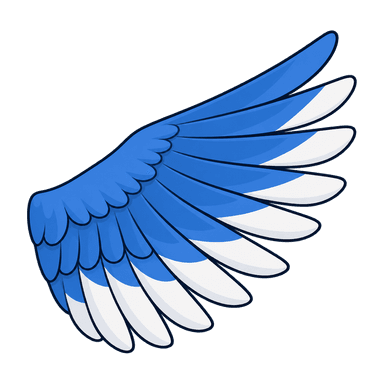 wing
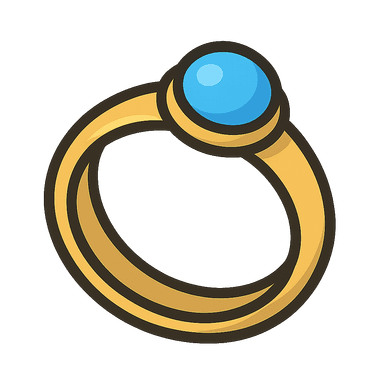 ringLips stay apart for R; W pushes them into a circle.
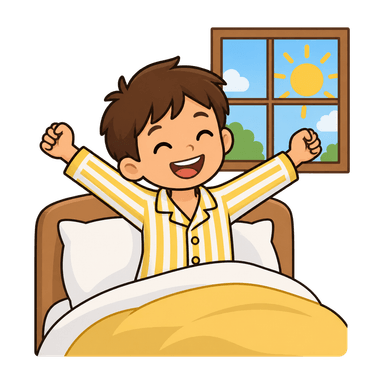 wake
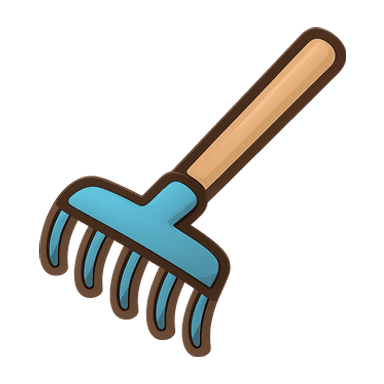 rakeRake the leaves, then wake up.
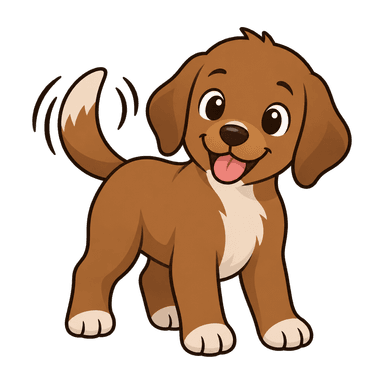 wag
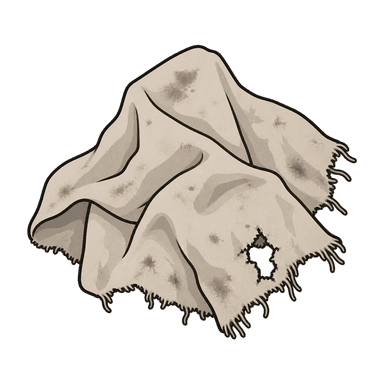 ragWipe with a rag; a dog will wag its tail.
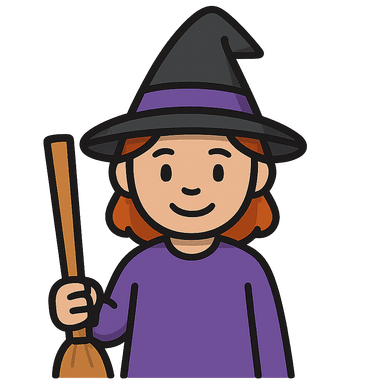 witch
 richRich means lots of money; a witch has a broom.
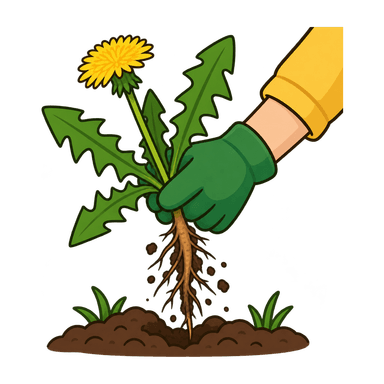 weed
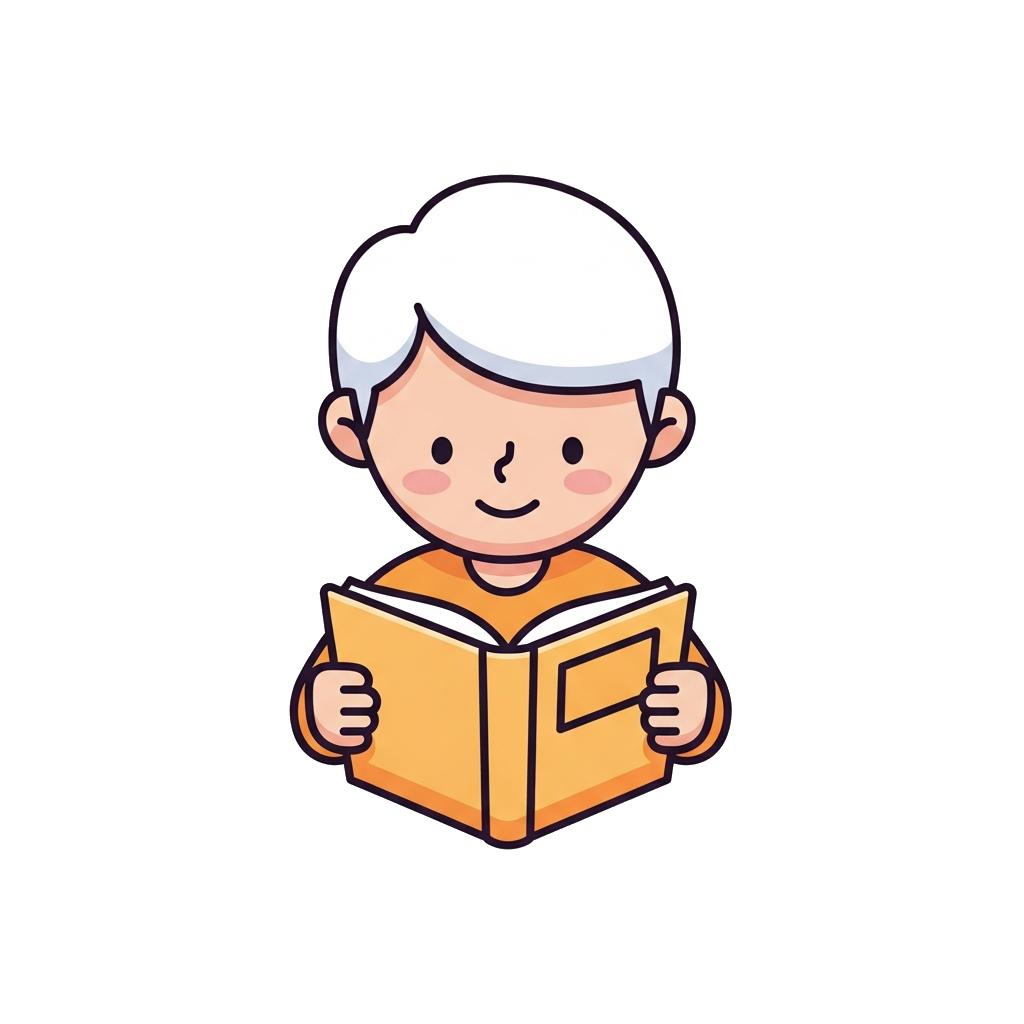 readRead a book, pull a weed.
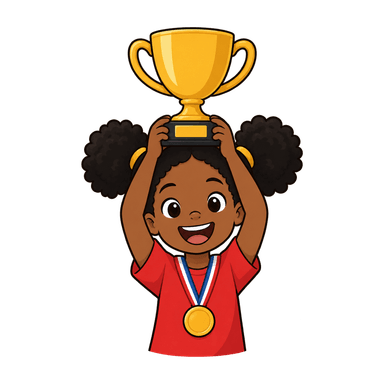 won
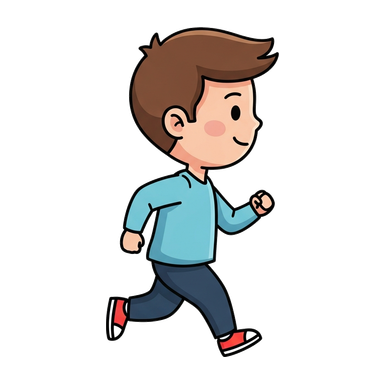 runRun fast; when you win, you won.
Easier Pairs
wing and ring · wake and rake · wag and rag · witch and rich · weed and read · won and run
Print This List
One tap opens the worksheet maker with 12 words from these pairs loaded, dotted and ready to trace or read aloud.
Make a Tracing SheetMore R To W Pairs
Each pair is the same word with an R, or with a W in its place. Name both pictures, then say one and ask your child to point to it. When that is easy, swap roles: your child says one and you point to what you heard.
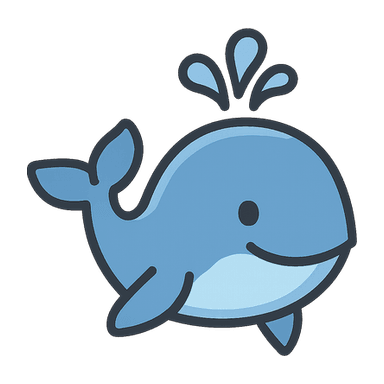 whale
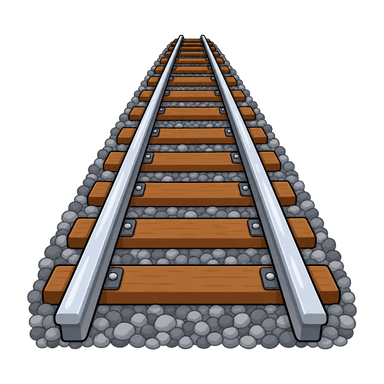 railA train rolls on a rail; a whale swims in the sea.
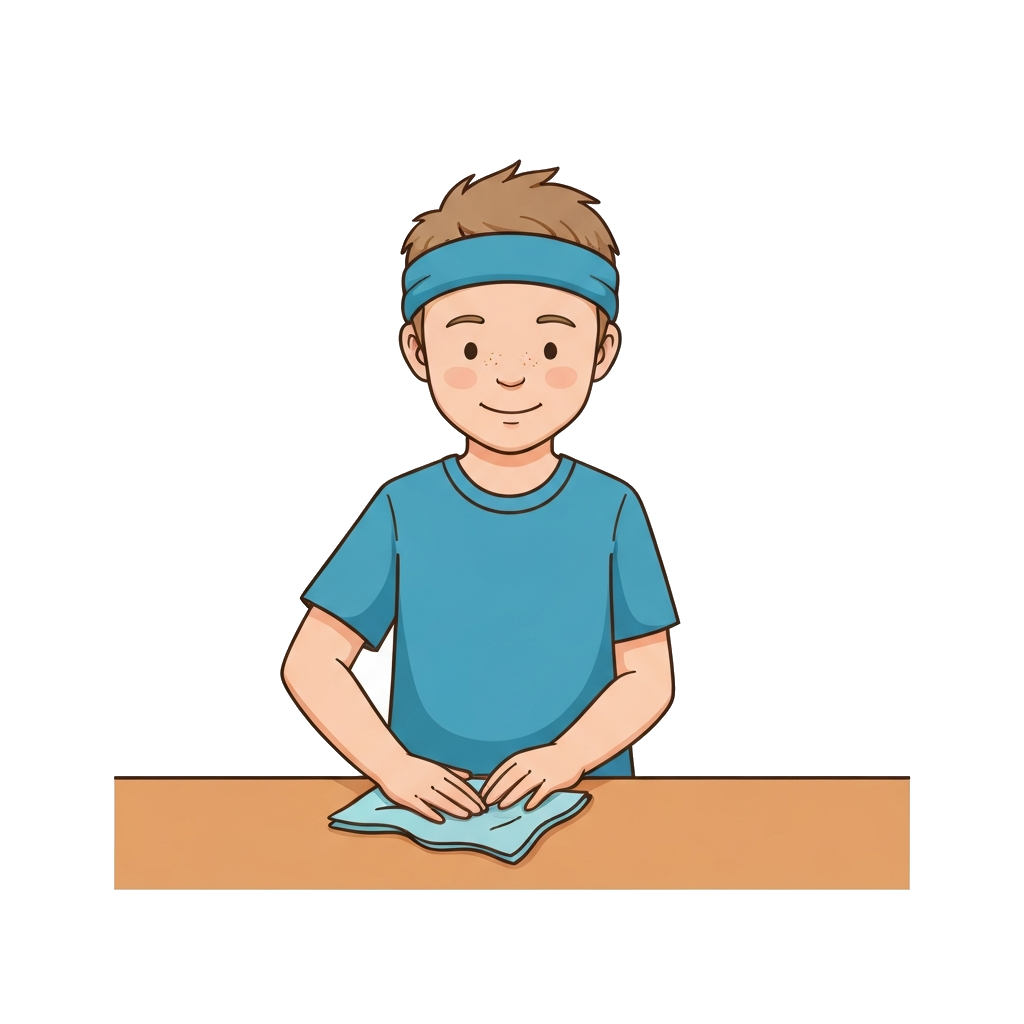 wipe
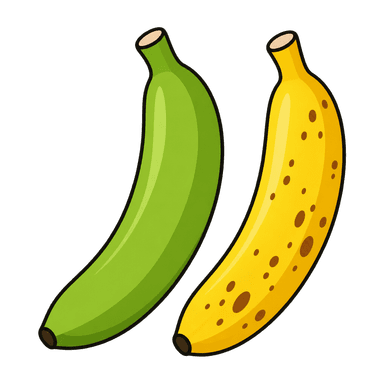 ripeA yellow banana is ripe; wipe the table.
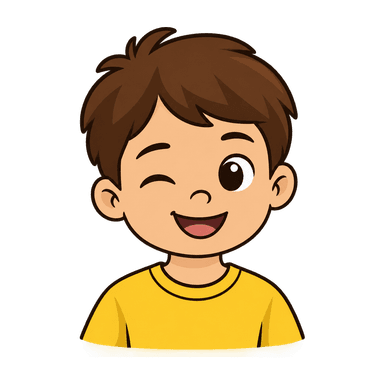 wink
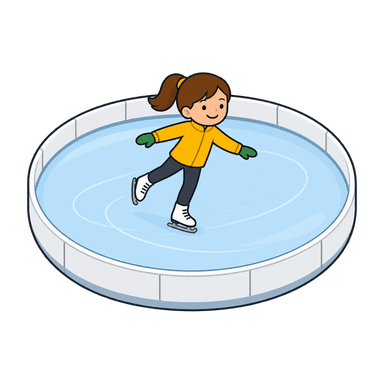 rinkSkate at the rink, wink one eye.
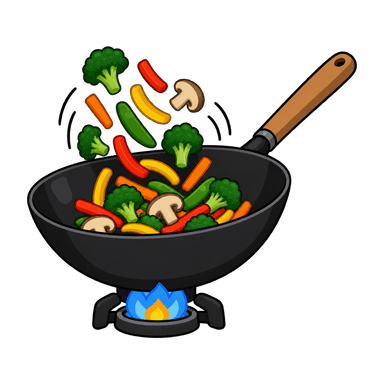 wok
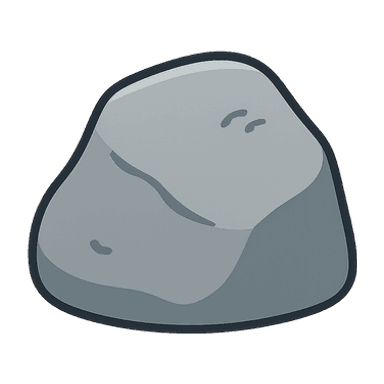 rockA rock is hard; a wok is a pan.
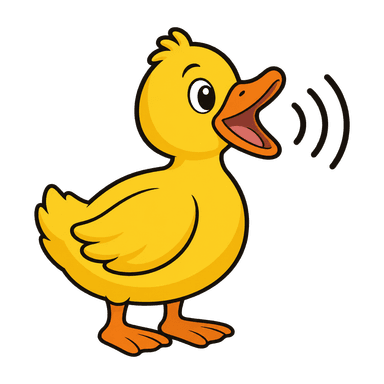 quack
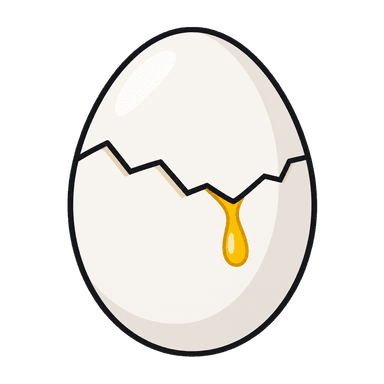 crackA blend: K then R. Crack the egg; the duck says quack.
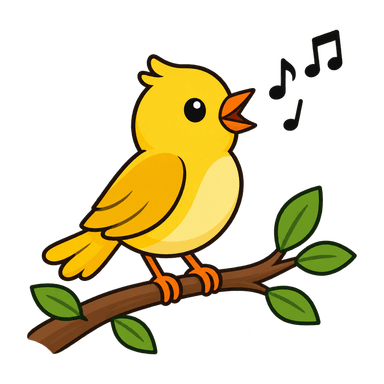 tweet
 treatA blend: T then R. A treat to eat; a bird says tweet.
Easier Pairs
whale and rail · wipe and ripe · wink and rink · wok and rock
Harder Pairs
quack and crack · tweet and treat
Print This List
One tap opens the worksheet maker with 12 words from these pairs loaded, dotted and ready to trace or read aloud.
Make a Tracing SheetL To W Pairs
Each pair is the same word with an L, or with a W in its place. Name both pictures, then say one and ask your child to point to it. When that is easy, swap roles: your child says one and you point to what you heard.
- wake
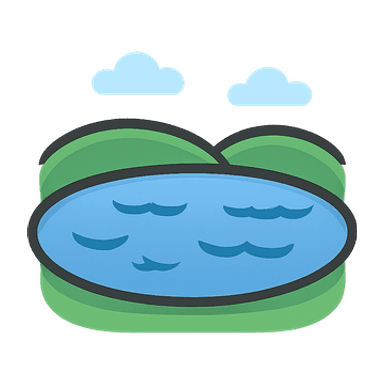 lakeTongue tip up behind the top teeth for L.
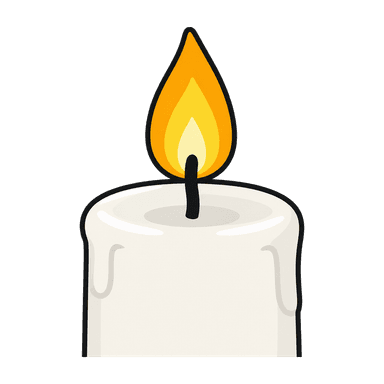 wick
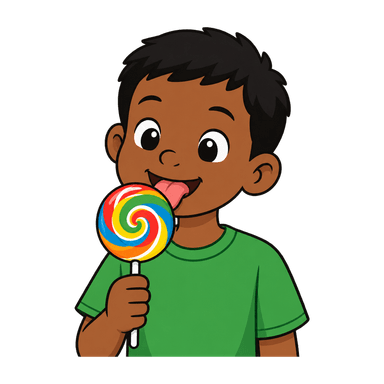 lickLick a lollipop; a candle has a wick.
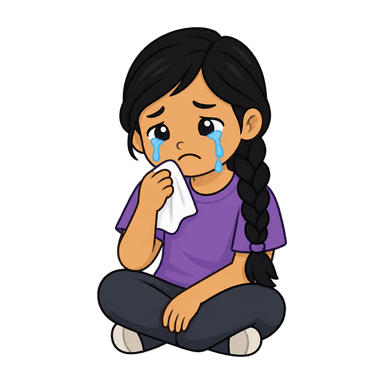 weep
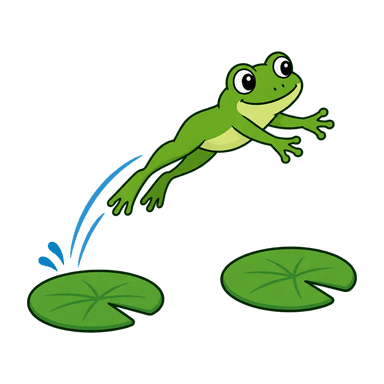 leapFrogs leap high; to weep is to cry.
 white
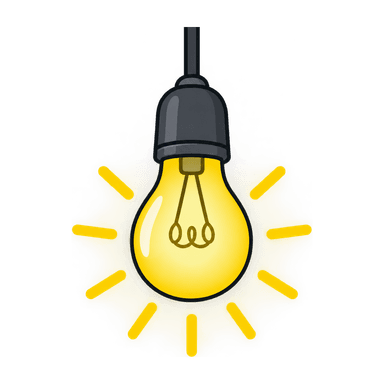 lightTurn on the light; snow is white.
Easier Pairs
wake and lake · wick and lick · weep and leap · white and light
Print This List
One tap opens the worksheet maker with 8 words from these pairs loaded, dotted and ready to trace or read aloud.
Make a Tracing SheetMore L To W Pairs
Each pair is the same word with an L, or with a W in its place. Name both pictures, then say one and ask your child to point to it. When that is easy, swap roles: your child says one and you point to what you heard.
 walk
 lockLock the door, then go for a walk.
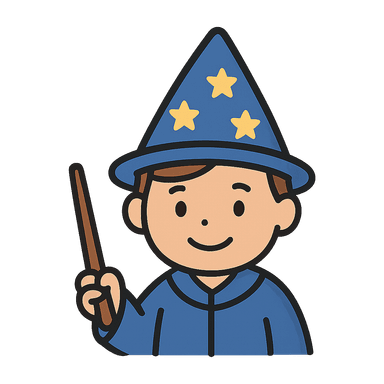 wizard
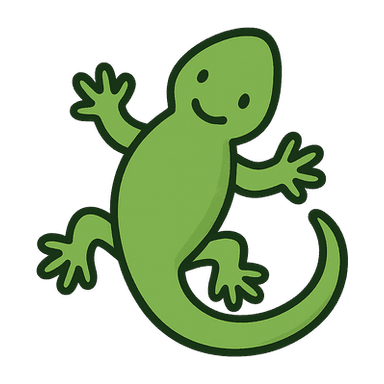 lizardA lizard has a long tail; a wizard has a hat.
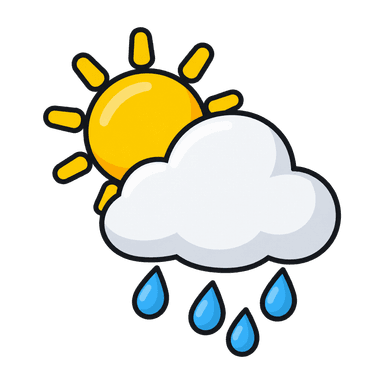 weather
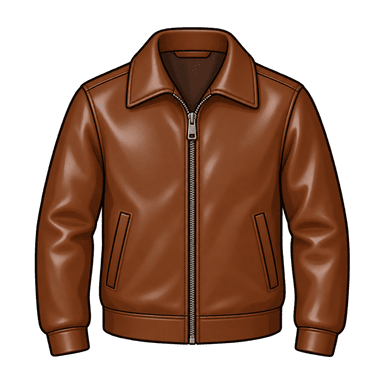 leatherA leather jacket; rainy weather.
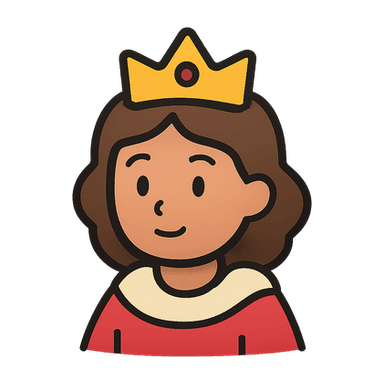 queen
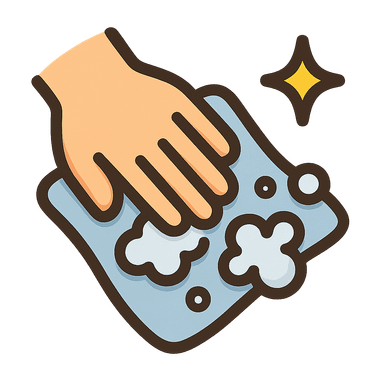 cleanA blend: K then L. Clean the table; the queen has a crown.
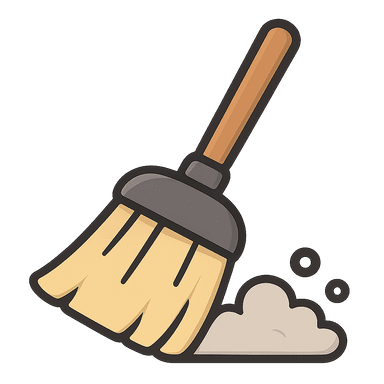 sweep
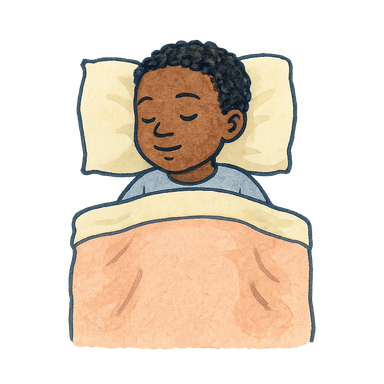 sleepA blend: S then L. Sleep in bed; sweep the floor.
 swing
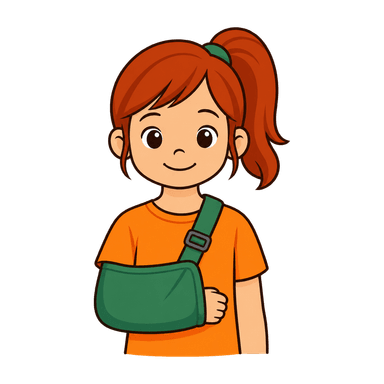 slingA blend: S then L. An arm in a sling; a swing at the park.
Easier Pairs
walk and lock · wizard and lizard · weather and leather
Harder Pairs
queen and clean · sweep and sleep · swing and sling
Print This List
One tap opens the worksheet maker with 12 words from these pairs loaded, dotted and ready to trace or read aloud.
Make a Tracing SheetL To Y Pairs
Each pair is the same word with an L, or with a Y in its place. Name both pictures, then say one and ask your child to point to it. When that is easy, swap roles: your child says one and you point to what you heard.
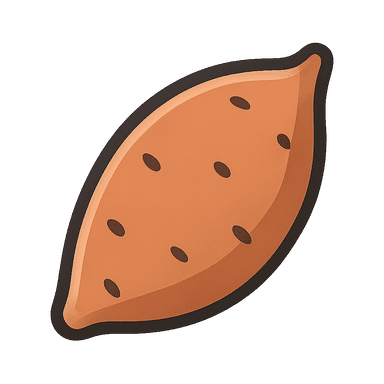 yam
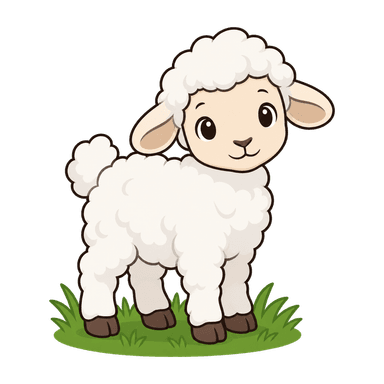 lambSome children say Y for L, not W: yam for lamb.
 yawn
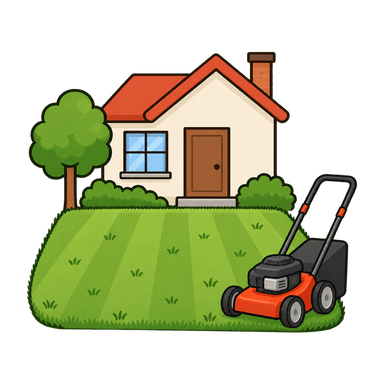 lawnMow the lawn; a big yawn means sleepy.
Easier Pairs
yam and lamb · yawn and lawn
Print This List
One tap opens the worksheet maker with 4 words from these pairs loaded, dotted and ready to trace or read aloud.
Make a Tracing SheetHow to Practice at Home
Use any pair below. Keep it short and stop while it is still fun.
- Name both pictures for your child, making the R or L clear: “ring,” then “wing.”
- Say one of the two words and let your child point to the picture you said.
- Swap roles: your child says a word and you point to the picture you heard. If they meant “ring” and you point to the wing, smile, show them the R again and try once more.
- When a pair is easy, move to the next one, then try the words in short phrases like “a shiny ring.”
When To See A Speech-Language Pathologist
Gliding is one of the last patterns to go. Caroline Bowen’s table puts it at about 5, and ASHA gives 6 to 7 as the likely age it goes away, so a five-year-old who still says “wabbit” is often right on time.
If your child is past 7 and still glides, or people outside the family often cannot understand them, ask a speech-language pathologist for an evaluation. Under IDEA, a parent can ask the public school district in writing to evaluate a child aged 3 or older, and the evaluation is free; our lisp guide walks through the request. For a child under 3, start with your state’s Early Intervention program.
Sources: ASHA, Selected Phonological Patterns; Caroline Bowen, Table 3: Elimination of Phonological Processes.
Print and Practice
One sheet of 6 pairs is free to download and print. The complete pack has every pair at every level.
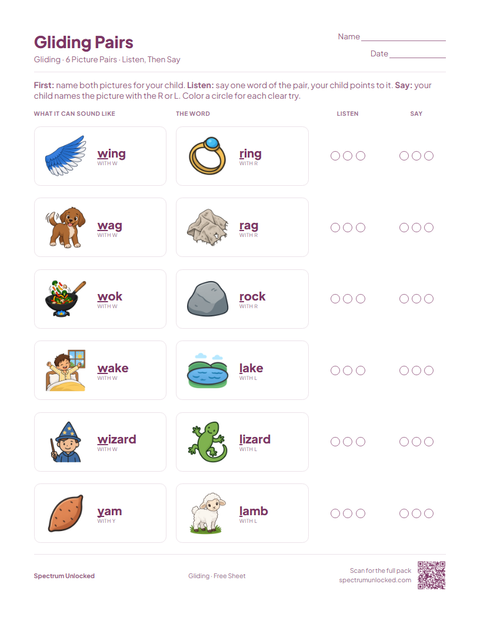
Gliding Pairs
Six R and L pairs with pictures, against the W or Y a child may say. Listen and point, then say, with circles to color for every clear try. A QR code on the back leads to every pair.
Download the PDFGliding Minimal Pairs Worksheets Pack
29 no-prep gliding sheets built on 24 picture minimal pairs for R and L against W and Y, with blends for later practice: pair sheets, listening and saying sheets, 48 cut-apart picture cards, phrases and sentences, home practice pages and an SLP data sheet, in Color and Ink-Saver PDFs.
Get The Pack For $4For SLPs and Teachers
Every pair is a single-phoneme contrast verified in the CMU Pronouncing Dictionary, sorted into R to W, L to W and L to Y sets so you can target the substitution your student actually makes. Cluster contrasts such as crack and quack sit at the end of their set, labelled as the harder step.
For progress monitoring, the pack's data sheet logs listening and production trials pair by pair, scored as a percent, while the home practice pages leave a line for therapist notes. Because gliding often persists into first and second grade, the pictures were chosen to suit early elementary students as well as preschoolers. A purchase covers one classroom or caseload.
Common Questions
- What is gliding in speech?
- Gliding is a speech pattern where a child says W or Y in place of R or L, so “rabbit” sounds like “wabbit” and “leg” like “yeg.” R and L are harder to make, and W and Y are easy shortcuts. It is very common in young children whose speech is still developing.
- At what age should gliding go away?
- Gliding is one of the last patterns to fade. Caroline Bowen’s table puts it at about 5, and ASHA gives 6 to 7 as the likely age it goes away. If your child is past that and still glides, or is hard for other people to understand, ask a speech-language pathologist for an evaluation.
- What are some examples of gliding?
- Common examples are “wabbit” for rabbit, “wed” for red, “wing” for ring, “wake” for lake and “yeg” for leg. In each one the child keeps the rest of the word and only swaps the R or L. It can happen in blends too, so “tree” sounds like “twee.”
- What are minimal pairs for gliding?
- They are two words that differ only by R or L against W or Y, like ring and wing or lamb and yam. Each word has its own picture, so a child who glides ends up pointing to the wrong one, which shows them why a clear R or L matters.
- Is gliding the same as not being able to say R?
- Not quite. Gliding swaps R or L for W or Y at the start of a word or a syllable. Many children also have trouble with the R in “car” or “bird,” which is a different skill called vocalic R. A speech-language pathologist can tell which one your child is working on.
- How do I practice gliding at home?
- Name both pictures in a pair first, making the R or L clear. Then say one word and let your child point to it, and swap roles so your child says a word while you point to the picture you heard. Keep sessions to a few minutes and stop while it is still fun.
- Are these word pairs free to print?
- Yes. Every pair on this page, with its pictures, and the practice sheet are free to print, with no account needed. You can also practice straight from the screen: name the two pictures, say one word, and let your child point to the picture you said.
Working on gliding at home?
Beacon talks a speech question through with you: what the pattern means for your child, how to fit practice into a day, and what to ask the speech therapist.
What Would Beacon Say?
"My 5 year old says "wabbit" for "rabbit" and "yeg" for "leg". Is that normal, and how can we practice at home?"