Initial Consonant Deletion: Examples And Minimal Pairs
Initial consonant deletion is when a child leaves off the first sound of a word, so “boat” comes out as “oat” and “cup” as “up.” Below are 24 picture pairs, sorted by where the first sound is made, with a free practice sheet and a short home routine.
- Free Practice Sheet: picture pairs, ready to print
- What initial consonant deletion is: examples, and when to ask for help
- Lip Sound Pairs: boat and oat, box and ox
- Tongue-Tip Sound Pairs: tie and eye, deer and ear
- Back Sound Pairs: cup and up, coat and oat
- Other Sound Pairs: leg and egg, rice and ice
- Activities for home: five minutes, most days
- When to see a speech-language pathologist
What Is Initial Consonant Deletion?
Initial consonant deletion means the first consonant of a word goes missing and the word starts on its vowel instead. “Boat” sounds like “oat,” “sock” like “ock,” and “dog” like “og.” A child may do it with some sounds and not others, or with almost every word that starts with a consonant.
The shorter word is often a real word, which is what makes this pattern so hard to follow: “cup” and “up,” “deer” and “ear,” “seal” and “eel.” The pairs below put both words in pictures, so saying the first sound is what lands on the right picture.
Lip Sound Pairs
Each pair is the same word with its first sound, or with the first sound left off. Name both pictures, then say one and ask your child to point to it. When that is easy, swap roles: your child says one and you point to what you heard.
 oat
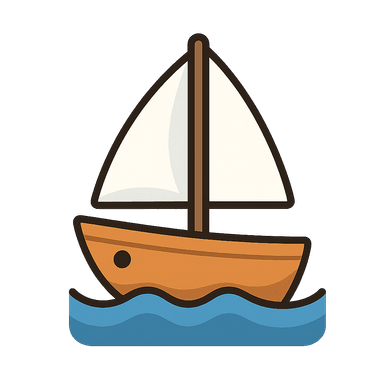 boatPress the lips for B, then pop: b-oat.
 ox
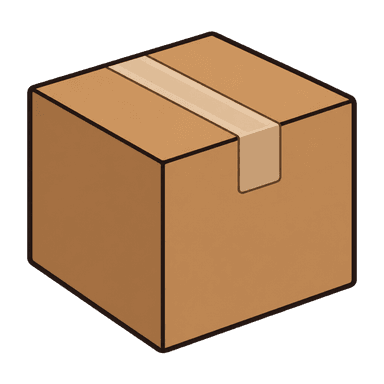 boxA box to fill; an ox pulls a cart.
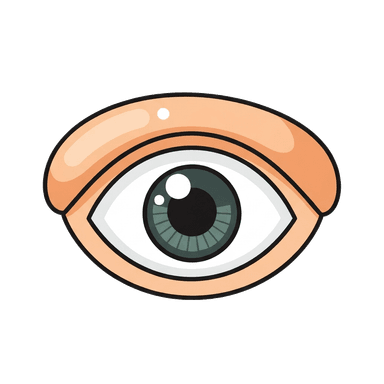 eye
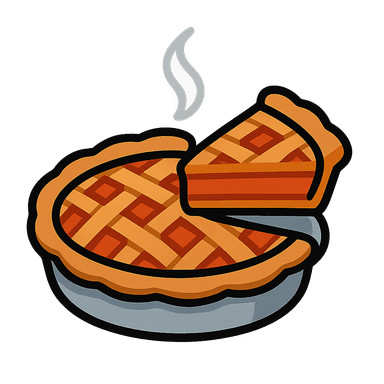 piePuff the P before the word: p-ie.
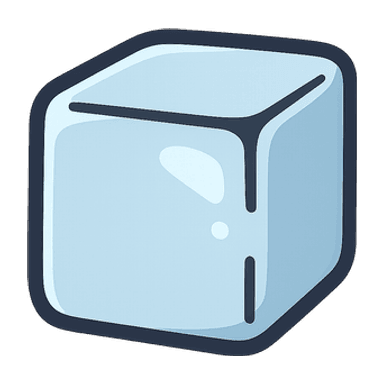 ice
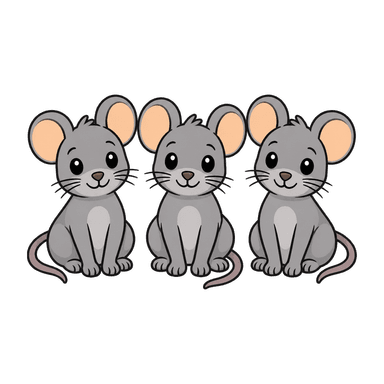 miceHum the M with lips closed, then open: m-ice.
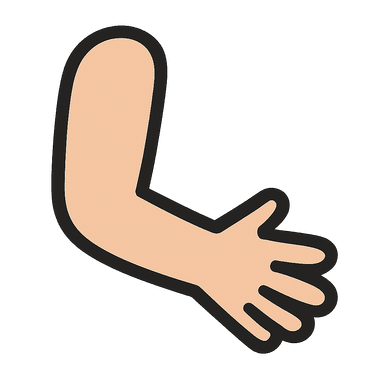 arm
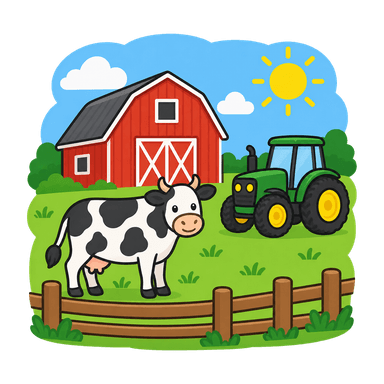 farmTop teeth on the lip for F: f-arm.
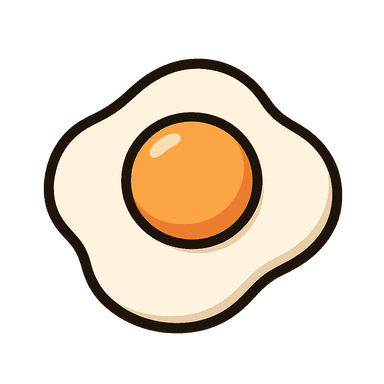 egg
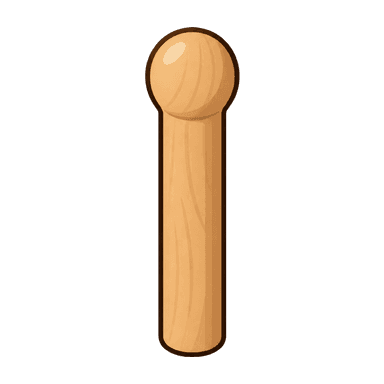 pegA peg is wood; an egg is from a hen.
Print This List
One tap opens the worksheet maker with 12 words from these pairs loaded, dotted and ready to trace or read aloud.
Make a Tracing SheetTongue-Tip Sound Pairs
Each pair is the same word with its first sound, or with the first sound left off. Name both pictures, then say one and ask your child to point to it. When that is easy, swap roles: your child says one and you point to what you heard.
- eye
 tieTap the tongue tip behind the teeth: t-ie.
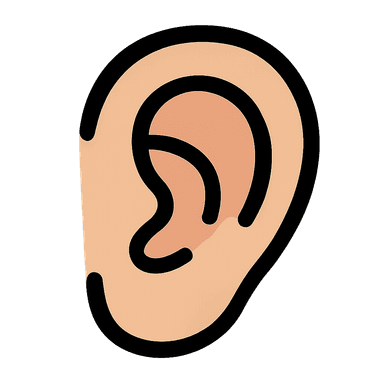 ear
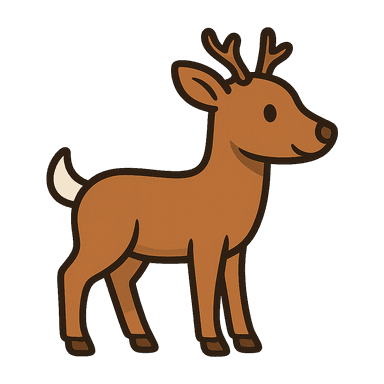 deerA deer in the woods; an ear on your head.
- ice
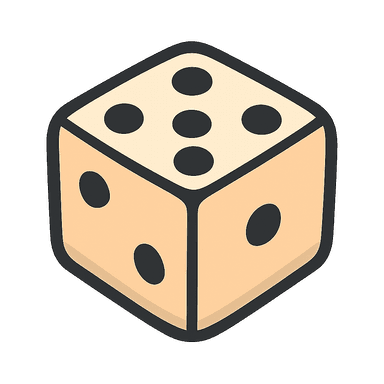 diceRoll the dice; ice is cold.
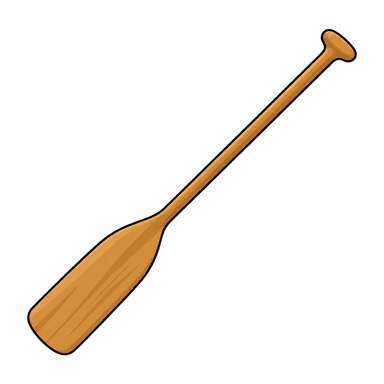 oar
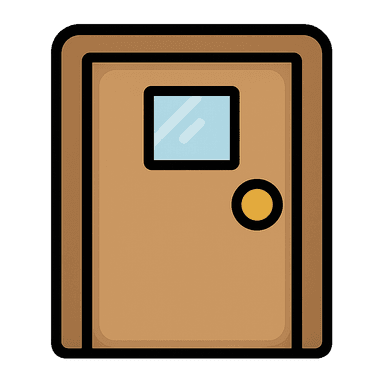 doorOpen the door; row with an oar.
 ink
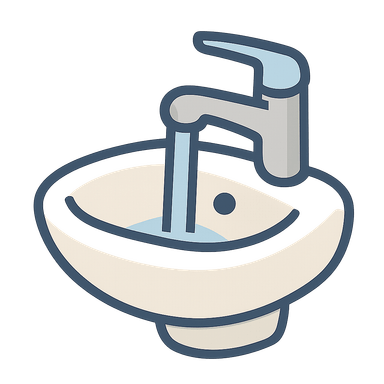 sinkStart with a soft hiss: s-ink.
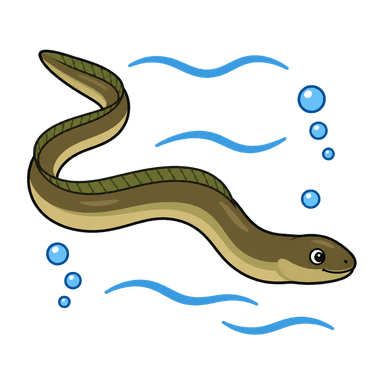 eel
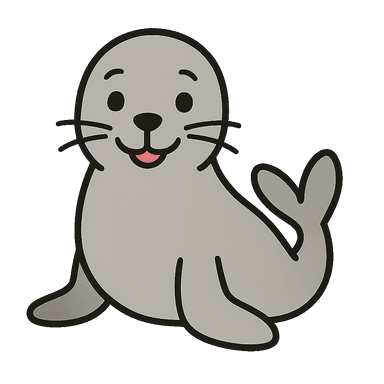 sealA seal on a rock; an eel in the sea.
Print This List
One tap opens the worksheet maker with 12 words from these pairs loaded, dotted and ready to trace or read aloud.
Make a Tracing SheetBack Sound Pairs
Each pair is the same word with its first sound, or with the first sound left off. Name both pictures, then say one and ask your child to point to it. When that is easy, swap roles: your child says one and you point to what you heard.
 up
 cupLift the back of the tongue for K: c-up.
- oat
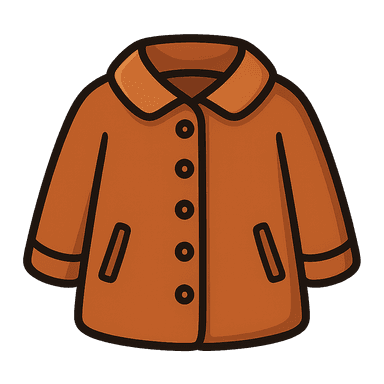 coatPut on a coat; oats are for breakfast.
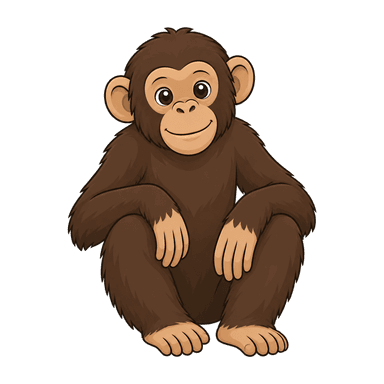 ape
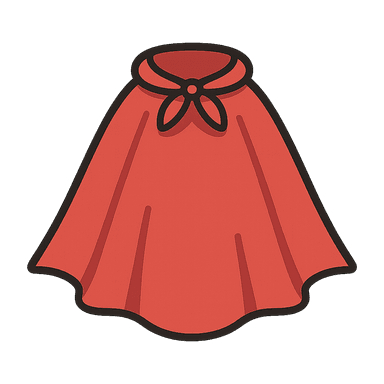 capeA hero wears a cape; an ape climbs trees.
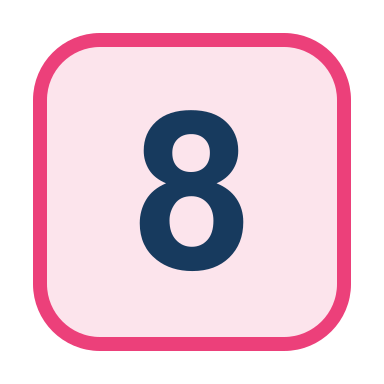 eight
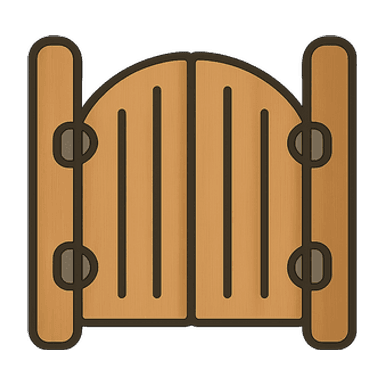 gateStart deep in the throat for G: g-ate.
 ache
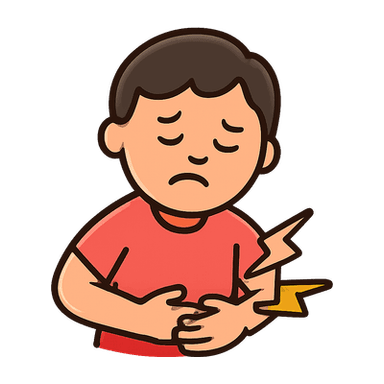
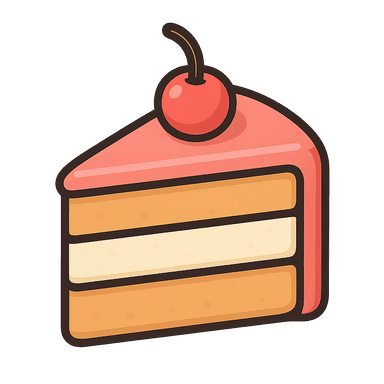 cakeA cake to share; an ache hurts.
 art
 cartPush the cart at the store; paint makes art.
Print This List
One tap opens the worksheet maker with 12 words from these pairs loaded, dotted and ready to trace or read aloud.
Make a Tracing SheetOther Sound Pairs
Each pair is the same word with its first sound, or with the first sound left off. Name both pictures, then say one and ask your child to point to it. When that is easy, swap roles: your child says one and you point to what you heard.
- egg
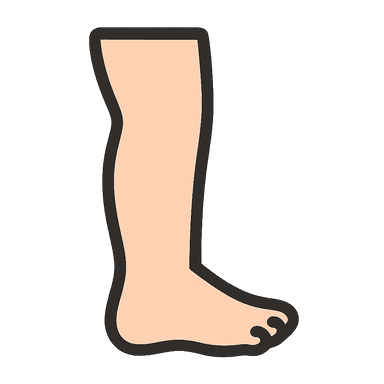 legTongue tip up for L: l-eg.
- ice
 riceRice to eat; ice to cool a drink.
- eel
 wheelRound the lips for W: w-eel.
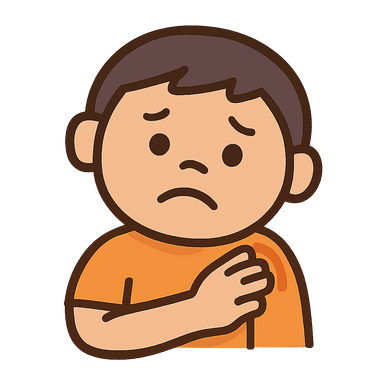 itch
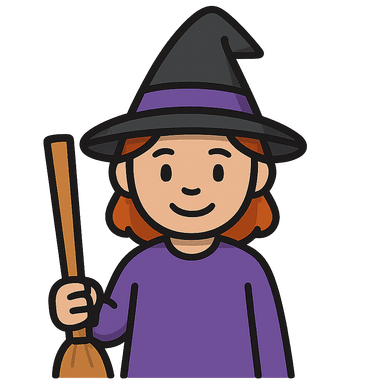 witchA witch with a hat; an itch to scratch.
- ache
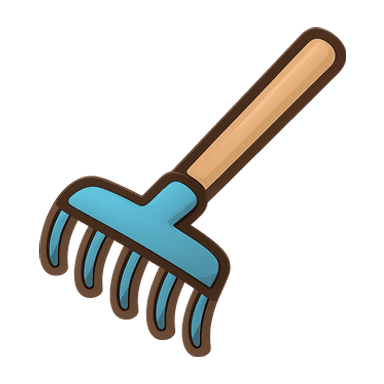 rakeRake the leaves; an ache hurts.
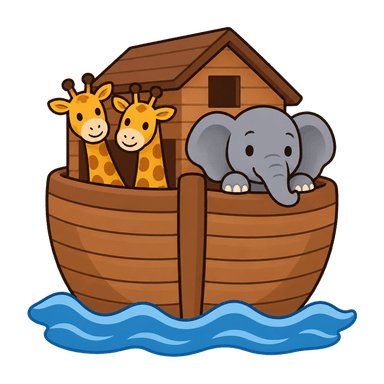 ark
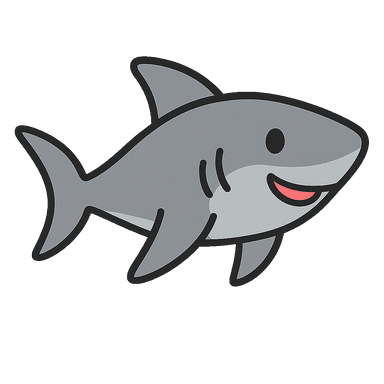 sharkQuiet sh, like a finger to the lips: sh-ark.
Print This List
One tap opens the worksheet maker with 12 words from these pairs loaded, dotted and ready to trace or read aloud.
Make a Tracing SheetHow to Practice at Home
Use any pair below. Keep it short and stop while it is still fun.
- Name both pictures for your child, holding the first sound a moment so it is easy to hear: “b-b-boat,” then “oat.”
- Say one of the two words and let your child point to the picture you said.
- Swap roles: your child says a word and you point to the picture you heard. If they meant “boat” and you point to the oats, smile, say the first sound again and try once more.
- When a pair is easy, move to the next one, then try the words in short phrases like “a little boat.”
When To See A Speech-Language Pathologist
Most of the speech patterns young children use have a usual age when they fade, and ASHA and Caroline Bowen both publish those ages. Initial consonant deletion is not on either list. ASHA notes that patterns that are atypical, or that last too long, lead to a diagnosis of a phonological disorder.
So if your child often leaves off first sounds, there is no age to wait for: ask a speech-language pathologist for an evaluation. Under IDEA, a parent can ask the public school district in writing to evaluate a child aged 3 or older, and the evaluation is free; our lisp guide walks through the request. For a child under 3, start with your state’s Early Intervention program.
Sources: ASHA, Selected Phonological Patterns; Caroline Bowen, Table 3: Elimination of Phonological Processes.
Print and Practice
One sheet of 6 pairs is free to download and print. The complete pack has every pair at every level.
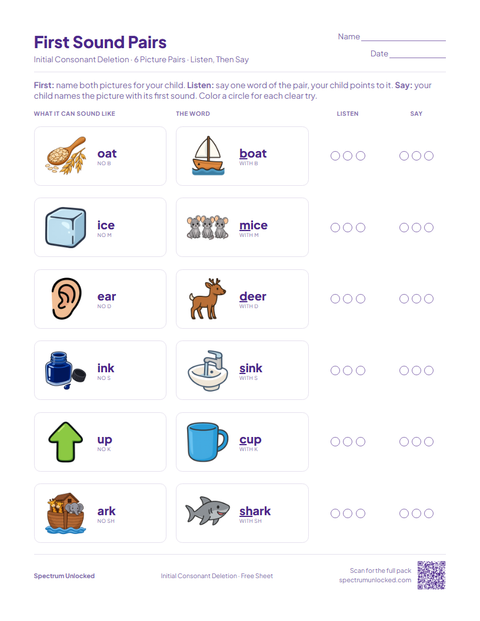
First Sound Pairs
Six picture pairs, each word against the word left without its first sound. Listen and point, then say, with circles to color for every clear try. A QR code on the back leads to every pair.
Download the PDFInitial Consonant Deletion Minimal Pairs Worksheets Pack
24 no-prep initial consonant deletion sheets built on 24 picture minimal pairs, each word against the word left without its first sound, sorted by where in the mouth that sound is made. Inside: pair sheets, listening and saying sheets, 48 cut-apart picture cards, phrases and sentences, home practice pages and an SLP data sheet, in Color and Ink-Saver PDFs.
Get The Pack For $4For SLPs and Teachers
Every contrast pairs a consonant-initial word with the vowel-initial real word that remains once that consonant is omitted, and each transcription was checked in the CMU dictionary. Sets follow place of articulation (bilabial and labiodental, alveolar, velar, then liquids, glides and SH), so you can pick the place your student omits most.
Because this pattern sits outside the usual elimination tables, it often prompts a fuller look at the phonological system rather than a wait-and-see plan. The data sheet records listening and production trials for each contrast, and the home pages carry a line for notes back to you. Each license is for one teacher or therapist and their students.
Common Questions
- What is initial consonant deletion in speech?
- It is a speech pattern where a child leaves off the first consonant of a word, so “boat” sounds like “oat” and “cup” like “up.” The word starts on its vowel instead. A child may do it with a few sounds or with most words that begin with a consonant.
- Is initial consonant deletion normal?
- It is not one of the patterns on the usual age charts. ASHA and Caroline Bowen both list the patterns young children tend to outgrow and when, and initial consonant deletion is not on either list. ASHA notes that atypical patterns lead to a diagnosis of a phonological disorder, so it is worth asking a speech-language pathologist.
- What are some examples of initial consonant deletion?
- Common examples are “oat” for boat, “up” for cup, “ear” for deer, “og” for dog and “ock” for sock. In each one the child keeps the rest of the word and drops only its first consonant, so the vowel becomes the start of the word.
- What are minimal pairs for initial consonant deletion?
- They are two words where one starts with a consonant and the other is the same word without it, like boat and oat or seal and eel. Each word has its own picture, so a child who leaves off the first sound points to the wrong one, which shows why that sound matters.
- How do I practice initial consonant deletion at home?
- Name both pictures in a pair first, holding the first sound a moment so it is easy to hear. Then say one word and let your child point to it, and swap roles so your child says a word while you point to the picture you heard. Keep it to a few minutes and stop while it is still fun.
- Are these word pairs free to print?
- Yes. Every pair on this page, with its pictures, and the practice sheet are free to print, with no account needed. You can also practice straight from the screen: name the two pictures, say one word, and let your child point to the picture you said.
Working on initial consonant deletion at home?
Beacon talks a speech question through with you: what the pattern means for your child, how to fit practice into a day, and what to ask the speech therapist.
What Would Beacon Say?
"My 3 year old says "oat" for "boat" and "up" for "cup". Is that normal, and how can I help at home?"