Prevocalic Voicing: Examples And Minimal Pairs
Prevocalic voicing is when a child turns on their voice too early at the start of a word, so “pear” comes out as “bear” and “coat” as “goat.” Below are 18 picture pairs for P, T and K, with a free practice sheet and a short home routine.
- Free Practice Sheet: picture pairs, ready to print
- What prevocalic voicing is: examples, and what the age charts say
- P To B Pairs: pea and bee, pear and bear
- T To D Pairs: tusk and dusk, tear and deer
- K To G Pairs: coat and goat, cold and gold
- Activities for home: five minutes, most days
- When to see a speech-language pathologist
What Is Prevocalic Voicing?
Some sounds are made with the voice off, like P, T and K, and some with the voice on, like B, D and G. Put a hand on your throat and say “sss,” then “zzz”: you feel the buzz only on the second. Prevocalic voicing means a quiet sound at the start of a word, right before its vowel, comes out voiced, so “pig” sounds like “big.”
Because the voiced word is often a real word too, the pattern can change meaning: “pear” and “bear,” “ten” and “den,” “coat” and “goat.” The pairs below put both words in pictures, so keeping the first sound quiet is what lands on the right picture.
P To B Pairs
Each pair is the same word with a quiet P, or with a voiced B in its place. Name both pictures, then say one and ask your child to point to it. When that is easy, swap roles: your child says one and you point to what you heard.
 bee
 peaPuff a little air for P; B hums.
 bear
 pearA pear to eat; a bear in the woods.
 bin
 pinHold a tissue: P makes it flutter.
 beach
 peachA peach is fruit; the beach has sand.
 bowl
 poleWhisper the P, then say the word.
 big
 pigA pig says oink; big means large.
Print This List
One tap opens the worksheet maker with 12 words from these pairs loaded, dotted and ready to trace or read aloud.
Make a Tracing SheetT To D Pairs
Each pair is the same word with a quiet T, or with a voiced D in its place. Name both pictures, then say one and ask your child to point to it. When that is easy, swap roles: your child says one and you point to what you heard.
 dusk
 tuskAn elephant has a tusk; dusk is evening.
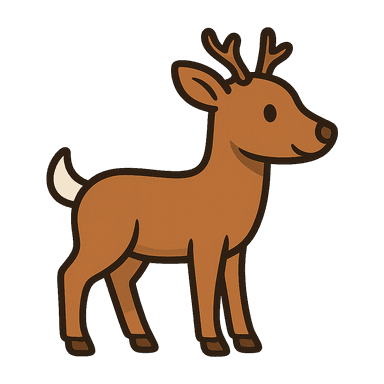 deer
 tearA quiet tap for T, no voice yet.
 duck
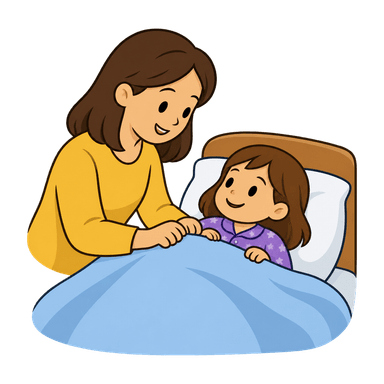 tuckTuck in at bedtime; a duck says quack.
 dart
 tartFeel no buzz in your throat for T.
 den
 tenCount to ten; a fox lives in a den.
 down
 townWhisper the T, then say the word.
Print This List
One tap opens the worksheet maker with 12 words from these pairs loaded, dotted and ready to trace or read aloud.
Make a Tracing SheetK To G Pairs
Each pair is the same word with a quiet K, or with a voiced G in its place. Name both pictures, then say one and ask your child to point to it. When that is easy, swap roles: your child says one and you point to what you heard.
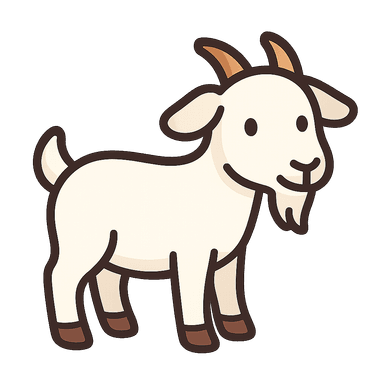 goat
 coatA coat keeps you warm; a goat says maa.
 gold
 coldA quiet K, like a little cough.
 goal
 coalCoal is black; kick the ball in the goal.
 girl
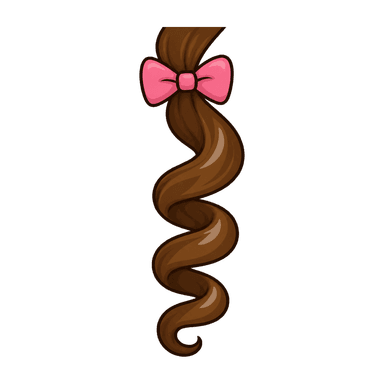 curlWhisper the K, then say the word.
 gap
 capA cap on your head; a gap in your teeth.
 guard
 cardFeel no buzz in your throat for K.
Print This List
One tap opens the worksheet maker with 12 words from these pairs loaded, dotted and ready to trace or read aloud.
Make a Tracing SheetHow to Practice at Home
Use any pair below. Keep it short and stop while it is still fun.
- Name both pictures for your child. For the quiet word, whisper the first sound: “p-p-pear,” then “bear.”
- Say one of the two words and let your child point to the picture you said.
- Swap roles: your child says a word and you point to the picture you heard. If they meant “pear” and you point to the bear, smile, whisper the first sound together and try once more.
- When a pair is easy, move to the next one, then try the words in short phrases like “a juicy pear.”
When Prevocalic Voicing Usually Stops
The age charts do not agree on this one. Caroline Bowen’s table gives about 3;0, three years, as the age prevocalic voicing is usually gone. The Wisconsin Department of Public Instruction chart gives 6 years. ASHA’s table of common patterns does not list it.
So if your child still voices first sounds after about 3 and is hard for family and friends to understand, it is reasonable to ask a speech-language pathologist. Under IDEA, a parent can ask the public school district in writing to evaluate a child aged 3 or older, and the evaluation is free; our lisp guide walks through the request. For a child under 3, start with your state’s Early Intervention program.
Sources: Caroline Bowen, Table 3: Elimination of Phonological Processes; Wisconsin Department of Public Instruction, Phonological Processes; ASHA, Selected Phonological Patterns.
Print and Practice
One sheet of 6 pairs is free to download and print. The complete pack has every pair at every level.
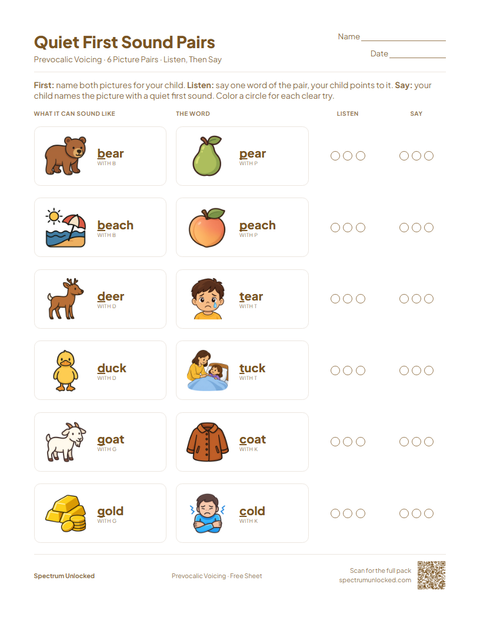
Quiet First Sound Pairs
Six picture pairs for P, T and K, each quiet first sound against its voiced partner. Listen and point, then say, with circles to color for every clear try. A QR code on the back leads to every pair.
Download the PDFPrevocalic Voicing Minimal Pairs Worksheets Pack
19 no-prep prevocalic voicing sheets built on 18 picture minimal pairs, each word with a quiet first sound against its voiced partner, for P, T and K. Inside: pair sheets, listening and saying sheets, 36 cut-apart picture cards, phrases and sentences, home practice pages and an SLP data sheet, in Color and Ink-Saver PDFs.
Get The Pack For $4For SLPs and Teachers
Each contrast sets a voiceless initial stop against its voiced cognate in a real word, so voicing onset is the only change and the meaning moves with it: pear and bear, tusk and dusk, coat and goat. Every transcription comes from the CMU dictionary, and the sets follow place, bilabial, alveolar and velar, so you can target the place where your student voices most.
Because published elimination ages differ widely, around three in one table and six in another, the page leaves the call to you. A record sheet logs what the student hears and says on each pair, and the family pages close with room for a short message to the clinician. One license covers one practitioner and the learners on their own list.
Common Questions
- What is prevocalic voicing in speech?
- It is a speech pattern where a child turns on their voice too early at the start of a word, so a quiet sound comes out voiced. “Pig” sounds like “big,” “ten” like “den” and “coat” like “goat.” It happens before a vowel, which is where the name comes from.
- At what age does prevocalic voicing stop?
- The charts disagree. Caroline Bowen’s table gives about three years, the Wisconsin Department of Public Instruction chart gives six, and ASHA’s table does not list it. If it lasts past about three and your child is hard to understand, ask a speech-language pathologist.
- What are some examples of prevocalic voicing?
- Common examples are “big” for pig, “bear” for pear, “den” for ten, “duck” for tuck, “goat” for coat and “gold” for cold. In each one the child keeps the rest of the word and only the first sound gains a buzz from the voice.
- What are minimal pairs for prevocalic voicing?
- They are two words that differ only in whether the first sound is quiet or voiced, like pear and bear or coat and goat. Each word has its own picture, so a child who voices the first sound points to the wrong one, which shows why the quiet sound matters.
- How do I practice prevocalic voicing at home?
- Put your child’s hand on your throat so they can feel the buzz on B and none on P. Name both pictures in a pair, whispering the quiet sound, then say one word and let your child point to it. Swap roles, keep it short, and stop while it is still fun.
- Are these word pairs free to print?
- Yes. Every pair on this page, with its pictures, and the practice sheet are free to print, with no account needed. You can also practice straight from the screen: name the two pictures, say one word, and let your child point to the picture you said.
Working on prevocalic voicing at home?
Beacon talks a speech question through with you: what the pattern means for your child, how to fit practice into a day, and what to ask the speech therapist.
What Would Beacon Say?
"My 3 year old says "big" for "pig" and "goat" for "coat". Is that normal, and how can I help at home?"