Stopping Phonological Process: Minimal Pairs, Examples, And Activities
Stopping is when a child swaps a long, airy sound for a short popped one, so “sun” comes out as “tun” and “fan” as “pan.” Below are 35 picture pairs for six sounds, S, F, SH, CH, V and J, with a free practice sheet and a short home routine.
- Free practice sheet: picture pairs, ready to print
- What stopping is: examples, and the age each sound usually comes in
- S To T Pairs: sea and tea, sew and toe
- F To P Pairs: fan and pan, fig and pig
- SH To T Pairs: shoe and two, she and tea
- CH To T Pairs: chip and tip, chin and tin
- V To B Pairs: vote and boat, vase and base
- J To D Pairs: jam and dam, jig and dig
- Activities for home: five minutes, most days
- When to see a speech-language pathologist
What Is Stopping?
Stopping is one of the patterns young children use while their speech is still developing. Sounds like S, F, SH and V need a steady stream of air. A child who uses stopping cuts the air off and puts a short popped sound in its place, so “sun” sounds like “tun,” “fish” like “pish,” and “shoe” like “two.”
The swapped word is often a real word, so stopping changes the meaning: “sea” and “tea,” “fan” and “pan,” “vote” and “boat.” That is why the pairs below put two pictures side by side: saying the right first sound is what makes the right picture the answer.
S To T Pairs
Each pair is the same word with the S, or with a T in its place. Name both pictures, then say one and ask your child to point to it. When that is easy, swap roles: your child says one and you point to what you heard.
 tea
tea seaKeep the air flowing for the S; the T stops it.
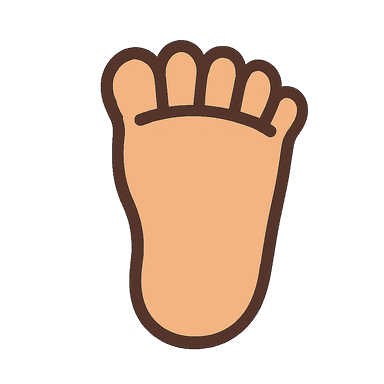 toe
toe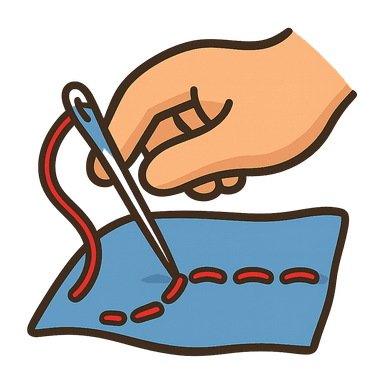 sewSew with a needle, wiggle a toe.
 tail
tail sailThe wind fills a sail; a fox has a tail.
 tub
tub subA sub to eat, a tub to wash in.
 tack
tack sackA sack holds things; a tack holds paper up.
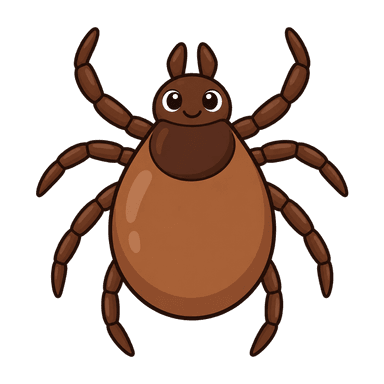 tick
tick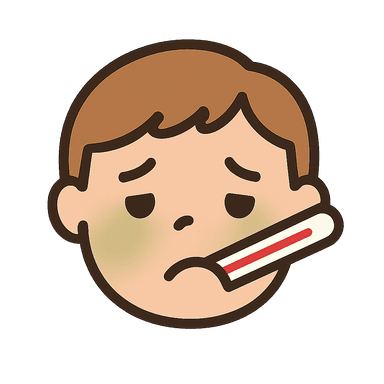 sickA long hiss for sick, a quick tap for tick.
Print This List
One tap opens the worksheet maker with 12 words from these pairs loaded, dotted and ready to trace or read aloud.
Make The Practice SheetF To P Pairs
Each pair is the same word with the F, or with a P in its place. Name both pictures, then say one and ask your child to point to it. When that is easy, swap roles: your child says one and you point to what you heard.
 pan
pan fanTop teeth on the lip for the F; lips pop for the P.
 pig
pig figA fig to eat, a pig on the farm.
 pin
pin finA shark’s fin, a safety pin.
 pour
pour fourCount to four, then pour the water.
 pork
pork forkEat the pork with a fork.
 pear
pear fairRides at the fair, a pear to eat.
Print This List
One tap opens the worksheet maker with 12 words from these pairs loaded, dotted and ready to trace or read aloud.
Make The Practice SheetSH To T Pairs
Each pair is the same word with the SH, or with a T in its place. Name both pictures, then say one and ask your child to point to it. When that is easy, swap roles: your child says one and you point to what you heard.
 two
two shoeLips round and push the air for SH.
- tea
 sheShe drinks the tea.
  top
top shopBuy a top at the shop.
 tower
tower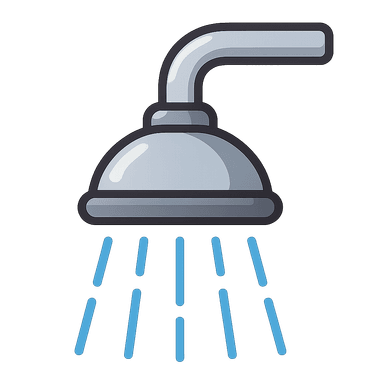 showerWash in the shower, build a tower.
 tie
tie shyA shy face, a tie for dad.
 tip
tip shipA big ship, the tip of a finger.
Print This List
One tap opens the worksheet maker with 12 words from these pairs loaded, dotted and ready to trace or read aloud.
Make The Practice SheetCH To T Pairs
Each pair is the same word with the CH, or with a T in its place. Name both pictures, then say one and ask your child to point to it. When that is easy, swap roles: your child says one and you point to what you heard.
- tip
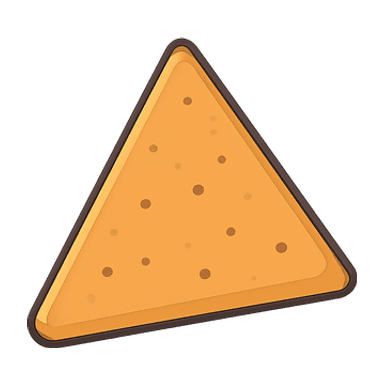 chipCH is a sneeze sound: choo; T is a tap.
  tin
tin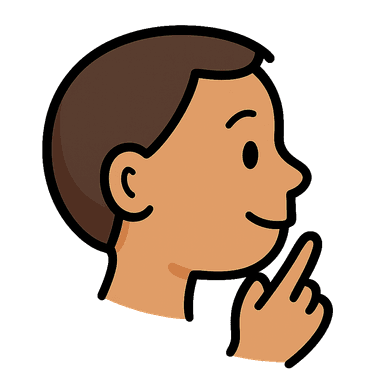 chinTouch your chin, open a tin.
 tear
tear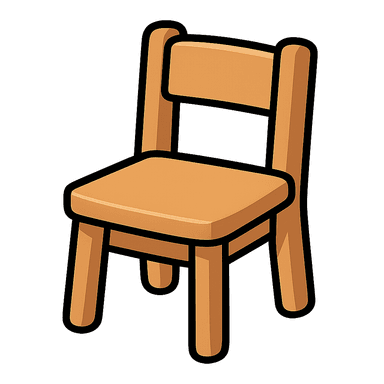 chairSit on a chair; tear the paper.
- two
 chewChew your food, hold up two.
  talk
talk chalkDraw with chalk, then talk about it.
- tick
 chickA fluffy chick, a tiny tick.
Print This List
One tap opens the worksheet maker with 12 words from these pairs loaded, dotted and ready to trace or read aloud.
Make The Practice SheetV To B Pairs
Each pair is the same word with the V, or with a B in its place. Name both pictures, then say one and ask your child to point to it. When that is easy, swap roles: your child says one and you point to what you heard.
 boat
boat voteTop teeth on the lip for V; lips pop for B.
 base
base vaseFlowers in a vase, run to the base.
 best
best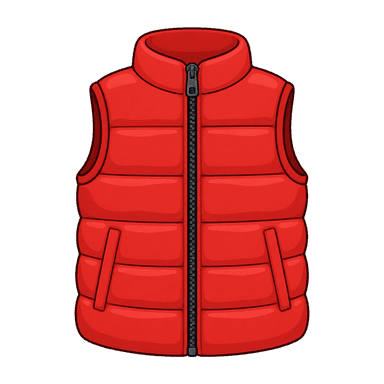 vestWear a vest, win the best prize.
 bale
bale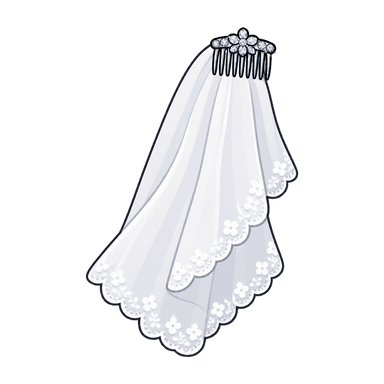 veilA wedding veil, a bale of hay.
 bow
bow vowSay a vow, take a bow.
Print This List
One tap opens the worksheet maker with 10 words from these pairs loaded, dotted and ready to trace or read aloud.
Make The Practice SheetJ To D Pairs
Each pair is the same word with the J, or with a D in its place. Name both pictures, then say one and ask your child to point to it. When that is easy, swap roles: your child says one and you point to what you heard.
 dam
dam jamJam on toast, a dam in the river.
 dig
dig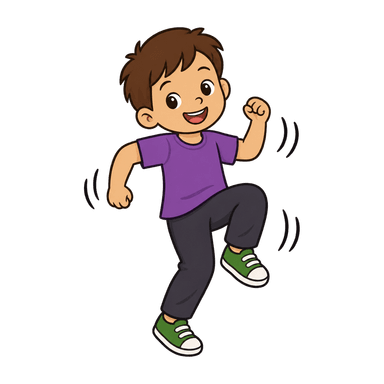 jigDance a jig, dig a hole.
 deep
deep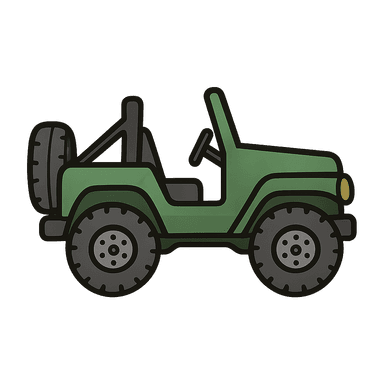 jeepRide in a jeep, swim in the deep end.
 dune
dune JuneJune is a summer month; a dune is a sand hill.
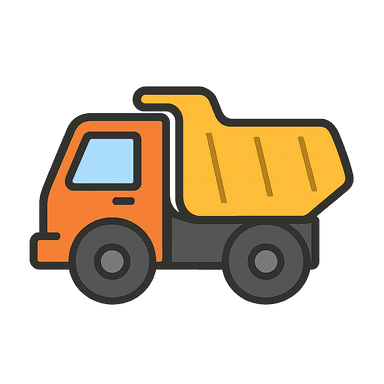 dump
dump jumpJump up high, dump the sand.
 dim
dim gymGym starts with the J sound; a dim light is not bright.
Print This List
One tap opens the worksheet maker with 12 words from these pairs loaded, dotted and ready to trace or read aloud.
Make The Practice SheetHow To Practice At Home
Use any pair below. Keep it short and stop while it is still fun.
- Name both pictures for your child, letting the long sound flow: “sssea,” then “tea.”
- Say one of the two words and let your child point to the picture you said.
- Swap roles: your child says a word and you point to the picture you heard. If they meant “sea” and you point to the tea, show them how the S keeps flowing and try again.
- When a pair is easy, move to the next one, then try the words in short phrases like “the blue sea.”
When To See A Speech-Language Pathologist
Stopping fades one sound at a time. ASHA gives the likely ages it goes away as about 3 for F and S, 4 for V and Z, and 5 for SH, CH, J and the voiced TH. Caroline Bowen’s table, built on Grunwell’s research, gives about 3 for F and S, 3 and a half for V and Z, 4 and a half for SH, CH and J, and 5 for TH.
If your child is past those ages and still stops a sound, or people outside the family often cannot understand them, ask a speech-language pathologist for an evaluation. Under IDEA, a parent can ask the public school district in writing to evaluate a child aged 3 or older, and the evaluation is free; our lisp guide walks through the request. For a child under 3, start with your state’s Early Intervention program.
Sources: ASHA, Selected Phonological Patterns; Caroline Bowen, Table 3: Elimination of Phonological Processes.
Print And Practice
One sheet of 6 pairs is free to download and print. The complete pack has every pair at every level.
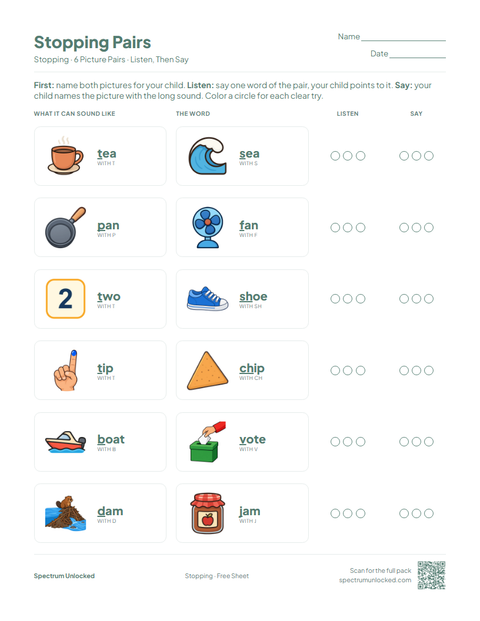
Stopping Pairs
One pair for each sound, S, F, SH, CH, V and J, with pictures. Listen and point, then say, with circles to color for every clear try. A QR code on the back leads to every pair.
Download The PDFStopping Minimal Pairs Worksheets Pack
34 no-prep stopping sheets built on 35 picture minimal pairs for S, F, SH, CH, V and J: pair sheets, listening and saying sheets, 70 cut-apart picture cards, phrases and sentences, home practice pages and an SLP data sheet, in Color and Ink-Saver PDFs.
Get The Pack For $4Common Questions
- What is stopping in speech?
- Stopping is a speech pattern where a child replaces a long, airy sound with a short popped one, so “sun” sounds like “tun” and “fish” like “pish.” It is common in young children whose speech is still developing, and ASHA lists it among the patterns that usually fade as children get older.
- At what age should stopping go away?
- It fades one sound at a time. ASHA gives about 3 for F and S, 4 for V and Z, and 5 for SH, CH and J. Caroline Bowen’s table puts F and S at 3, V and Z at 3 and a half, and SH, CH and J at 4 and a half. Treat these as guides, not deadlines.
- What are minimal pairs for stopping?
- They are two words that differ only by the first sound, like sea and tea or fan and pan. Each word has its own picture, so a child who stops the sound ends up pointing to the wrong one, which shows them why the long sound matters.
- What are some examples of stopping?
- Common examples are “tun” for sun, “pish” for fish, “two” for shoe, “tip” for chip, “boat” for vote and “dump” for jump. In each one the child keeps the rest of the word and only swaps the first sound for a short popped T, P, B or D.
- How do I practice stopping at home?
- Name both pictures in a pair first, saying the first sound clearly. Then say one word and let your child point to it, and swap roles so your child says a word while you point to the picture you heard. Keep sessions to a few minutes and stop while it is still fun.
- When should my child see a speech-language pathologist?
- If your child is past the usual age for a sound and still stops it, or people outside the family often cannot understand them, ask for an evaluation. Under IDEA, a parent can ask the public school district in writing to evaluate a child aged 3 or older, and the evaluation is free.
- Are these word pairs free to print?
- Yes. Every pair on this page, with its pictures, and the practice sheet are free to print, with no account needed. You can also practice straight from the screen: name the two pictures, say one word, and let your child point to it.
Working on stopping at home?
Beacon talks a speech question through with you: what the pattern means for your child, how to fit practice into a day, and what to ask the speech therapist.
What would Beacon say?
"My 4 year old says "tea" for "sea" and "pan" for "fan". How do I practice without it turning into a fight?"