Weak Syllable Deletion: Examples And Word Pairs
Weak syllable deletion is when a child drops the quiet beat of a longer word, so “banana” comes out as “nana” and “balloon” as “loon.” Below are 24 picture pairs where the short word is a real word too, with a free practice sheet and a short home routine.
- Free Practice Sheet: picture pairs, ready to print
- What weak syllable deletion is: examples, and the age it usually stops
- Uh Start Pairs: awake and wake, amaze and maze
- Un And Re Start Pairs: untie and tie, unlock and lock
- Two Beat Pairs: kazoo and zoo, canoe and gnu
- Three Beat Pairs: banana and nana, eraser and racer
- Activities for home: five minutes, most days
- When to see a speech-language pathologist
What Is Weak Syllable Deletion?
Most longer words have one beat you say strongly and one or more you say quickly and quietly. Weak syllable deletion means a child leaves out a quiet beat: “banana” becomes “nana,” “potato” becomes “tato,” and “computer” becomes “puter.” The strong beat stays, so the word is still easy to guess, but a piece of it is missing.
Sometimes the shorter word is a real word of its own: “kazoo” and “zoo,” “guitar” and “tar,” “surprise” and “prize.” The pairs below put both words in pictures, so saying every beat is what lands on the right picture.
Uh Start Pairs
Each pair is a longer word and the real word left when its quiet first beat is dropped. Name both pictures and clap the beats, then say one and ask your child to point to it. When that is easy, swap roles: your child says one and you point to what you heard.
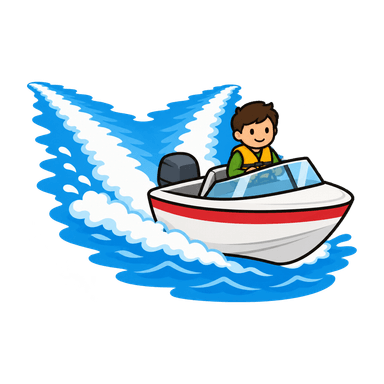 wake
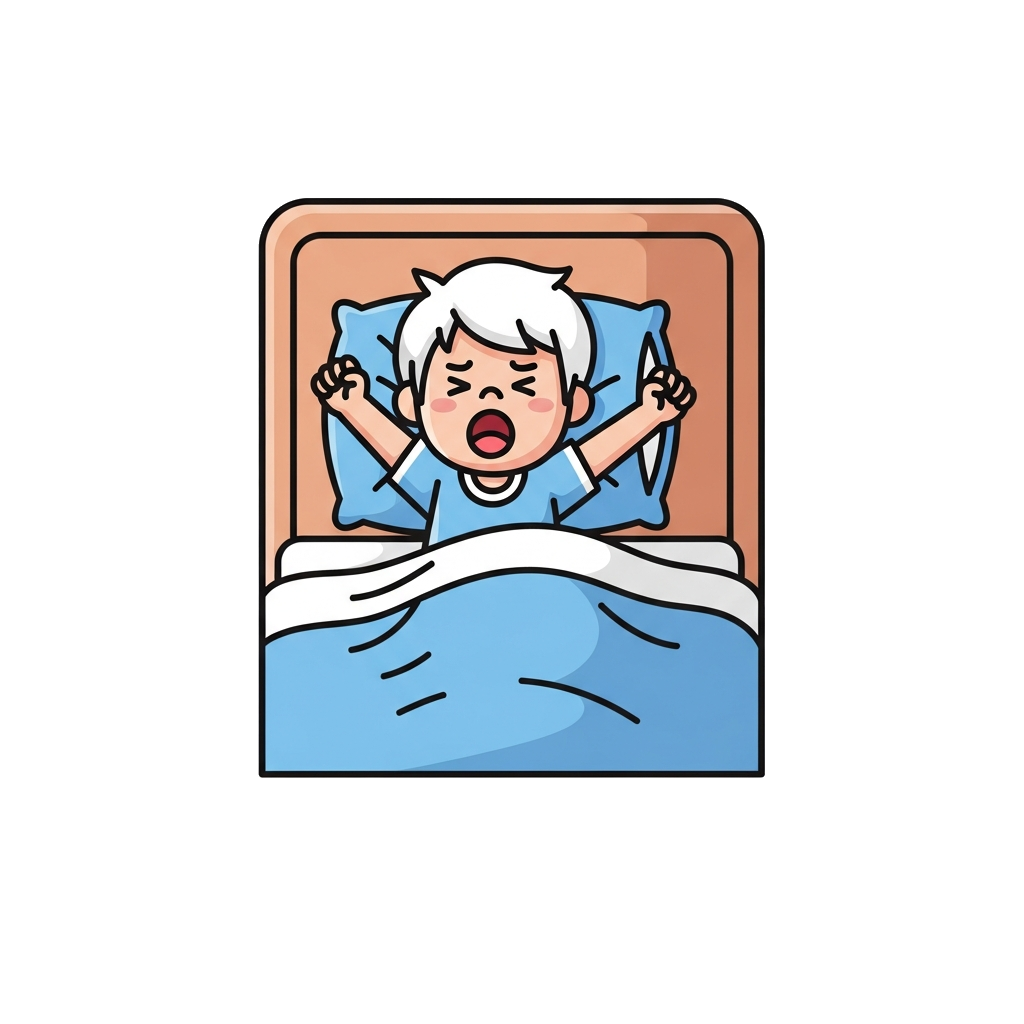 awakeA quick uh first: a-wake.
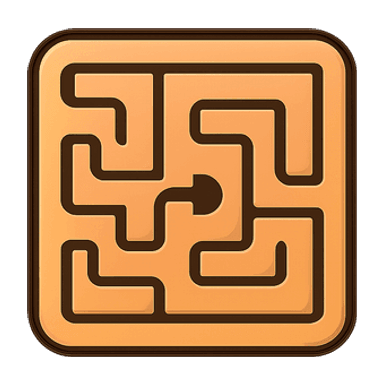 maze
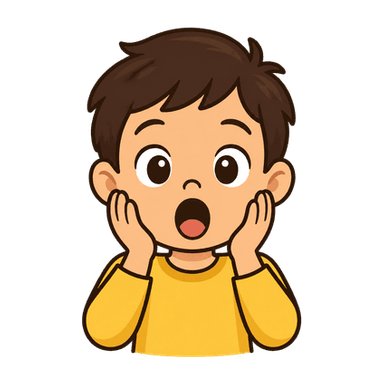 amazeMagic tricks amaze us; a maze has paths.
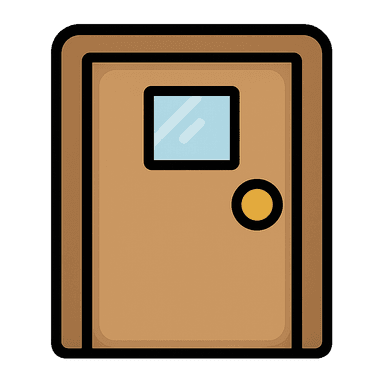 door
 adoreAdore means love a lot; a door opens.
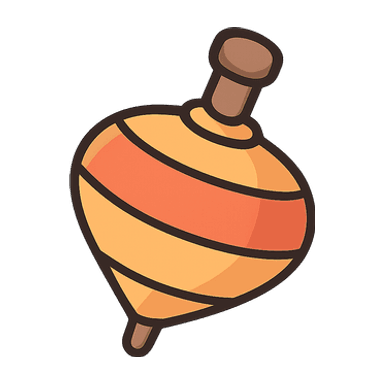 top
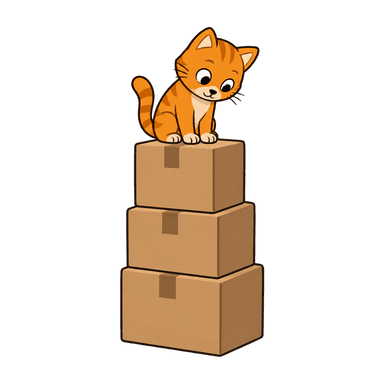 atopAtop means up on top: a-top.
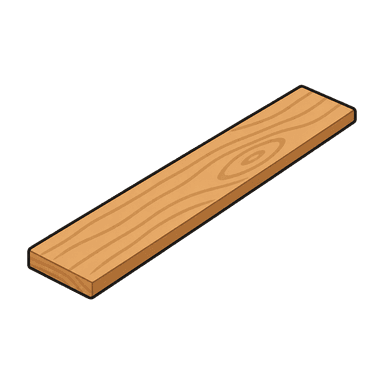 board
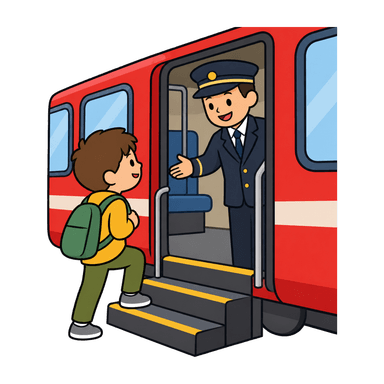 aboardAll aboard the train; a board is wood.
 float
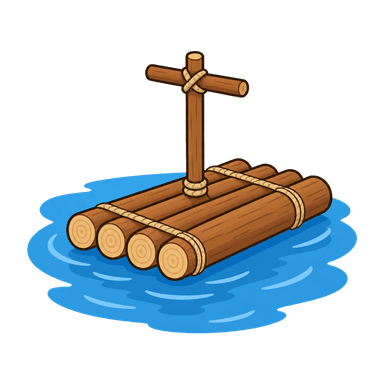 afloatClap two beats: a-float.
Print This List
One tap opens the worksheet maker with 12 words from these pairs loaded, dotted and ready to trace or read aloud.
Make a Tracing SheetUn And Re Start Pairs
Each pair is a longer word and the real word left when its quiet first beat is dropped. Name both pictures and clap the beats, then say one and ask your child to point to it. When that is easy, swap roles: your child says one and you point to what you heard.
 tie
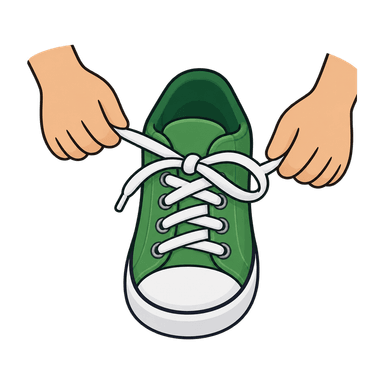 untieUntie your shoe; Dad wears a tie.
 lock
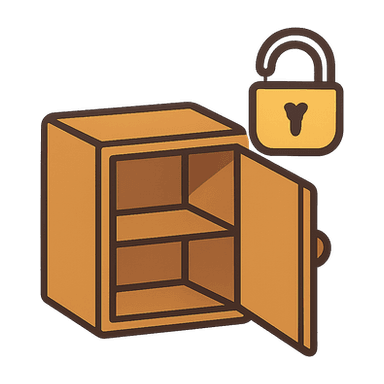 unlockClap two beats: un-lock.
 pack
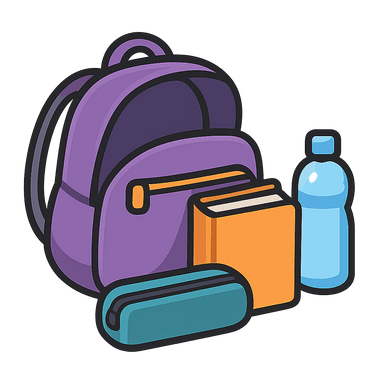 unpackUnpack means take things out: un-pack.
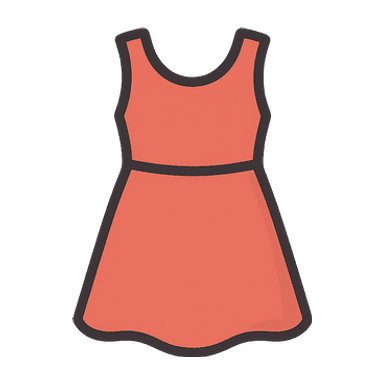 dress
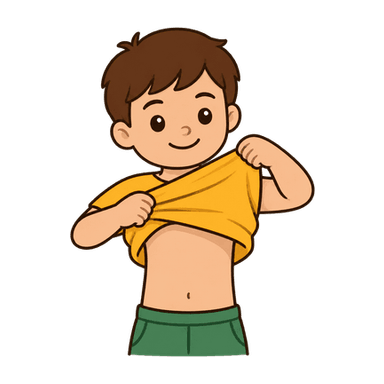 undressUndress for the bath; a dress is clothing.
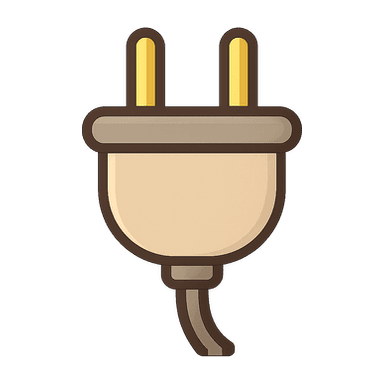 plug
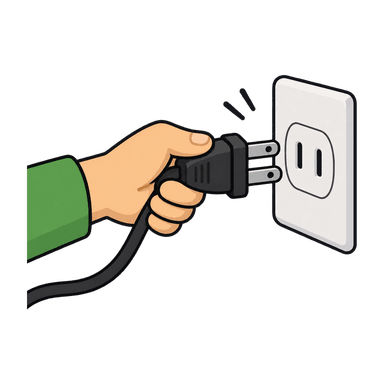 unplugClap two beats: un-plug.
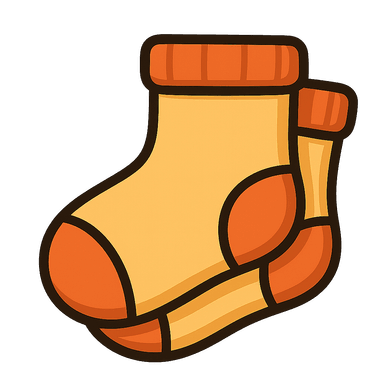 pair
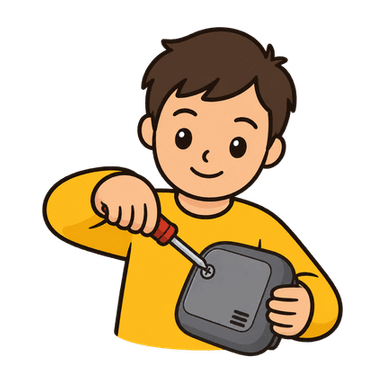 repairRepair means fix it; a pair is two socks.
Print This List
One tap opens the worksheet maker with 12 words from these pairs loaded, dotted and ready to trace or read aloud.
Make a Tracing SheetTwo Beat Pairs
Each pair is a longer word and the real word left when its quiet first beat is dropped. Name both pictures and clap the beats, then say one and ask your child to point to it. When that is easy, swap roles: your child says one and you point to what you heard.
 zoo
 kazooHum into the kazoo: ka-zoo.
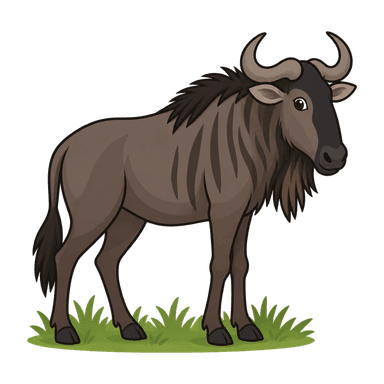 gnu
 canoePaddle the canoe; a gnu is an animal.
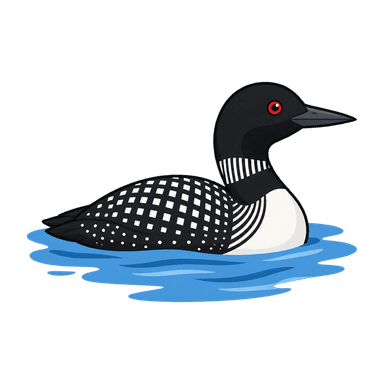 loon
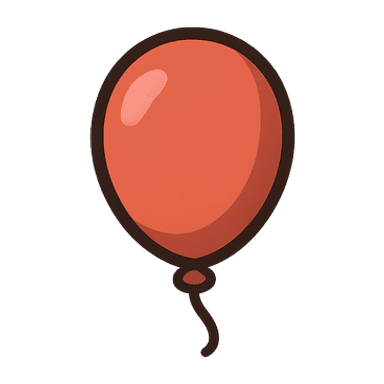 balloonClap two beats: bal-loon.
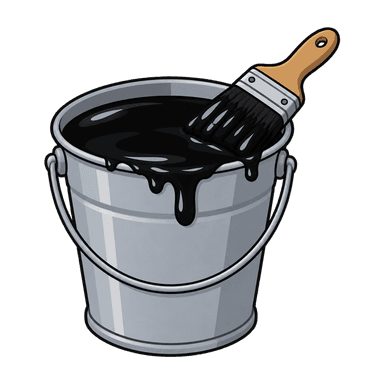 tar
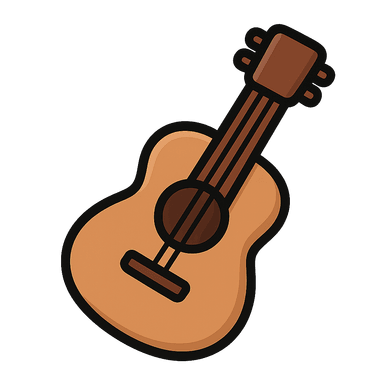 guitarStrum the guitar; tar is sticky and black.
 prize
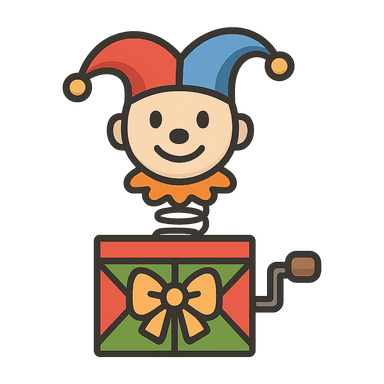 surpriseClap two beats: sur-prise.
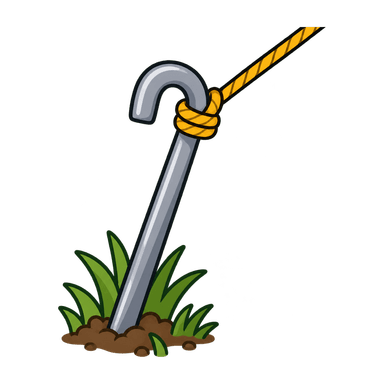 stake
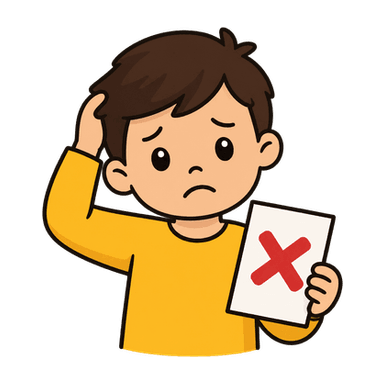 mistakeA mistake is fine; a stake holds a tent.
Ready for more words? Practice the Two Syllable Words list.
Print This List
One tap opens the worksheet maker with 12 words from these pairs loaded, dotted and ready to trace or read aloud.
Make a Tracing SheetThree Beat Pairs
Each pair is a longer word and the real word left when its quiet first beat is dropped. Name both pictures and clap the beats, then say one and ask your child to point to it. When that is easy, swap roles: your child says one and you point to what you heard.
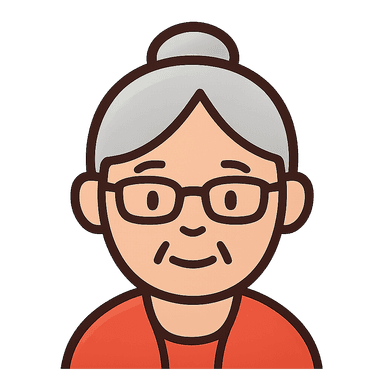 nana
 bananaClap three beats: ba-na-na.
 racer
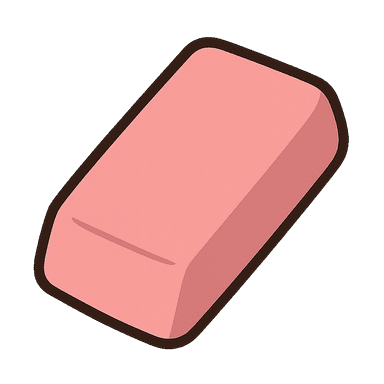 eraserClap three beats: e-ra-ser.
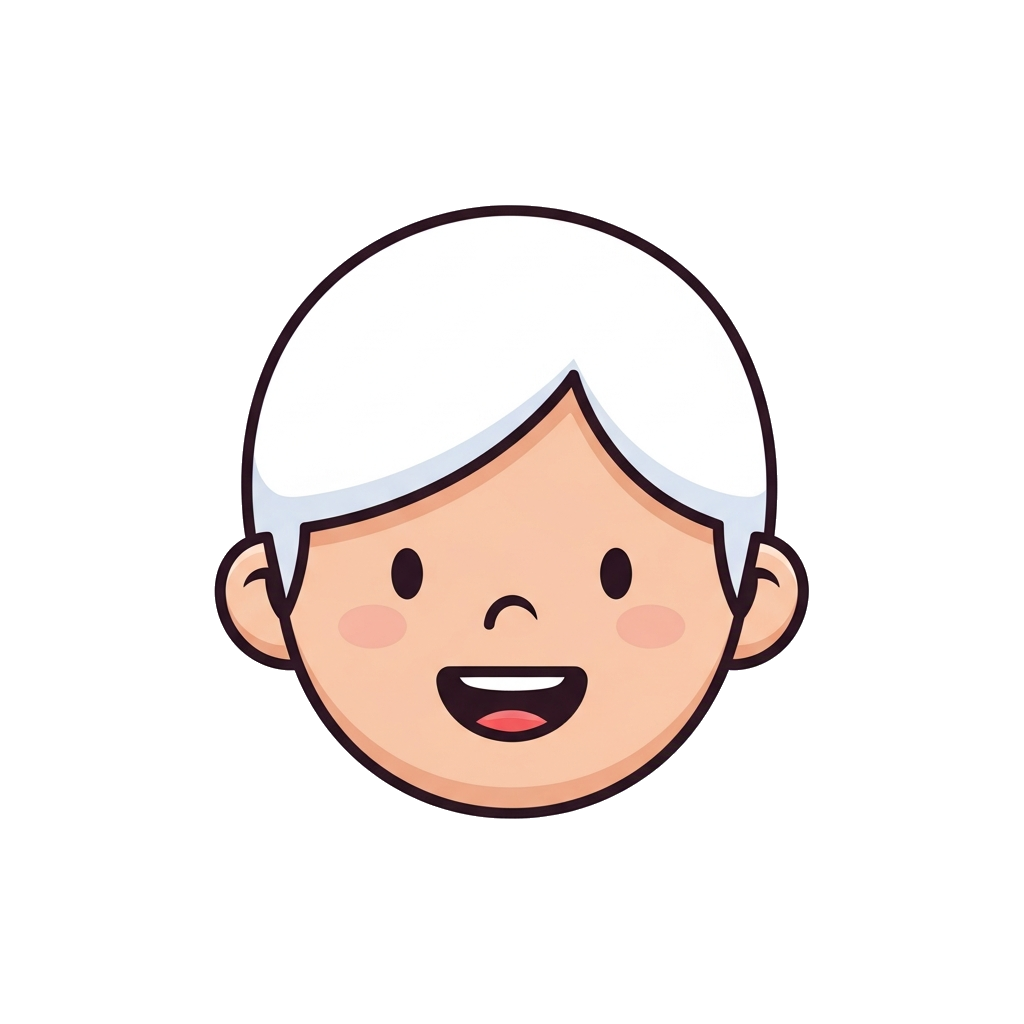 happy
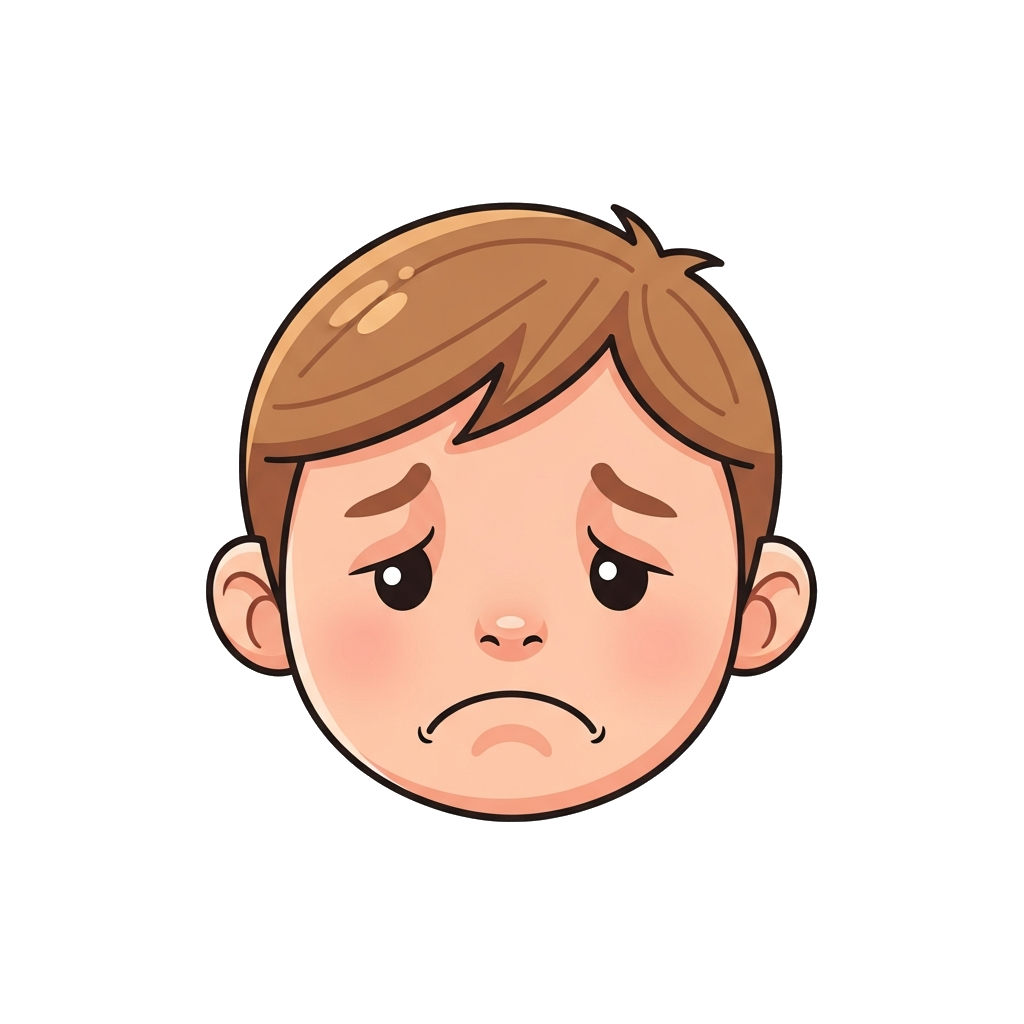 unhappyUnhappy means sad: un-hap-py.
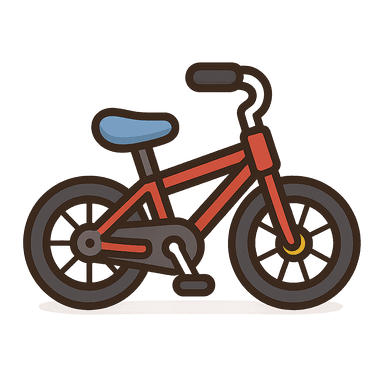 cycle
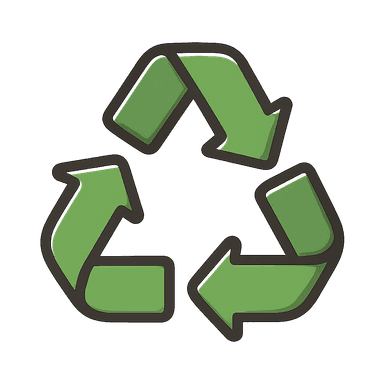 recycleClap three beats: re-cy-cle.
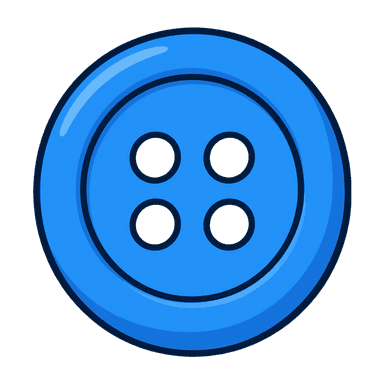 button
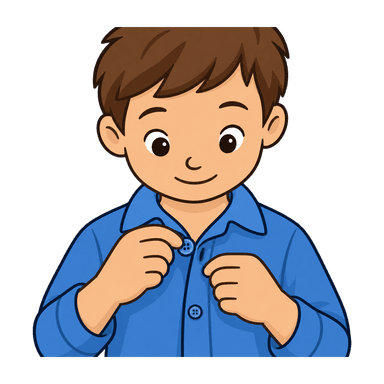 unbuttonClap three beats: un-but-ton.
 lucky
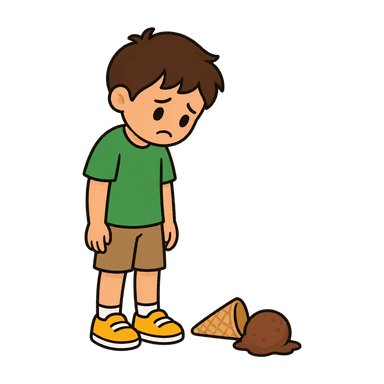 unluckyClap three beats: un-luck-y.
Ready for more words? Practice the Three Syllable Words list.
Print This List
One tap opens the worksheet maker with 12 words from these pairs loaded, dotted and ready to trace or read aloud.
Make a Tracing SheetHow to Practice at Home
Use any pair below. Keep it short and stop while it is still fun.
- Name both pictures for your child and clap the beats as you say them: “ka-zoo” is two claps, “zoo” is one.
- Say one of the two words and let your child point to the picture you said.
- Swap roles: your child says a word and you point to the picture you heard. If they meant “kazoo” and you point to the zoo, smile, clap the beats together and try once more.
- When a pair is easy, move to the next one, then try the words in short phrases like “play the kazoo.”
When Weak Syllable Deletion Usually Stops
Dropping a quiet beat is common in young children. ASHA lists weak-syllable deletion as likely gone by age 4, and Caroline Bowen’s table gives about 4;0, four years. Before then, “nana” for banana is usually part of learning to talk.
If your child still drops beats from longer words after about 4, or is hard for family and friends to understand, ask a speech-language pathologist for an evaluation. Under IDEA, a parent can ask the public school district in writing to evaluate a child aged 3 or older, and the evaluation is free; our lisp guide walks through the request. For a child under 3, start with your state’s Early Intervention program.
Sources: ASHA, Selected Phonological Patterns; Caroline Bowen, Table 3: Elimination of Phonological Processes.
Print and Practice
One sheet of 6 pairs is free to download and print. The complete pack has every pair at every level.
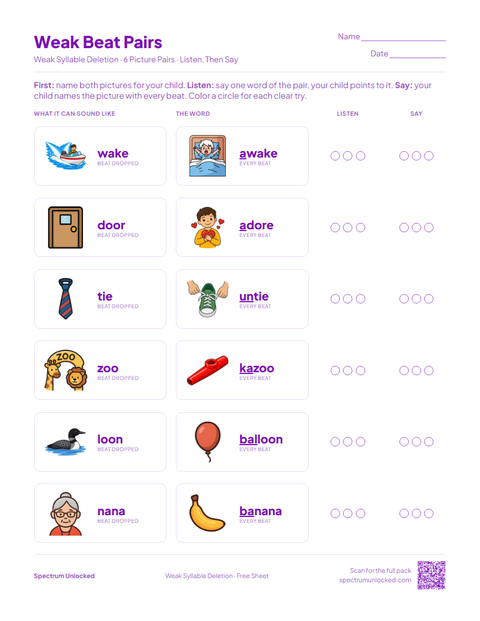
Weak Beat Pairs
Six picture pairs, each long word against the word left without its quiet first beat. Listen and point, then say, with circles to color for every clear try. A QR code on the back leads to every pair.
Download the PDFWeak Syllable Deletion Word Pairs Worksheets Pack
24 no-prep weak syllable deletion sheets built on 24 picture word pairs, each long word against the real word left without its quiet first beat, from two beats to three. Inside: pair sheets, listening and saying sheets, 48 cut-apart picture cards, phrases and sentences, home practice pages and an SLP data sheet, in Color and Ink-Saver PDFs.
Get The Pack For $4For SLPs and Teachers
Every target opens on an unstressed syllable, and its partner is the real word a child produces by omitting it, so a truncation changes meaning on the page. Transcriptions, stress included, come from the CMU dictionary. The sets run from a lone reduced vowel to un- and re- prefixes, then two-syllable iambs and three-syllable words, so you can begin with the shape your student shortens most.
Work moves from perception to production: point to the word you hear, then say it with clapped syllables, which helps a student who keeps the stressed syllable and drops the pretonic one. A tracking page logs both kinds of trial per contrast, and home sheets leave space for a parent to write back. Licenses cover a single educator or clinician and the children they serve.
Common Questions
- What is weak syllable deletion in speech?
- It is a speech pattern where a child leaves out the quiet beat of a longer word, so “banana” sounds like “nana” and “balloon” like “loon.” The strong beat stays and the weak one goes. It is also called unstressed syllable deletion.
- At what age does weak syllable deletion stop?
- ASHA lists weak-syllable deletion as likely gone by age 4, and Caroline Bowen’s table gives about 4;0, four years. If a child still drops beats from longer words after that, or is hard to understand, it is worth asking a speech-language pathologist.
- What are some examples of weak syllable deletion?
- Common examples are “nana” for banana, “tato” for potato, “puter” for computer, “raffe” for giraffe and “brella” for umbrella. In each one the child keeps the strong beat of the word and leaves out a quieter one, usually the beat before it.
- What are word pairs for weak syllable deletion?
- They are two real words where one is the other without its quiet first beat, like kazoo and zoo or guitar and tar. Each word has its own picture, so a child who drops the beat points to the wrong one, which shows why every beat matters.
- How do I practice weak syllable deletion at home?
- Clap the beats together as you say a word, one clap a beat, then name both pictures in a pair. Say one word and let your child point to it, and swap roles so your child says a word while you point to the picture you heard. Keep it to a few minutes and stop while it is still fun.
- Are these word pairs free to print?
- Yes. Every pair on this page, with its pictures, and the practice sheet are free to print, with no account needed. You can also practice straight from the screen: name the two pictures, say one word, and let your child point to the picture you said.
Working on weak syllable deletion at home?
Beacon talks a speech question through with you: what the pattern means for your child, how to fit practice into a day, and what to ask the speech therapist.
What Would Beacon Say?
"My 3 year old says "nana" for "banana" and "puter" for "computer". Is that normal, and how can I help at home?"