Free Time Activity Choice Board
Six activities a student can choose from during free play or centers, shown as pictures rather than asked as a question. Change the six to whatever is genuinely available in your room today.
- 6 options
- Free printable PDF
- Editable in browser
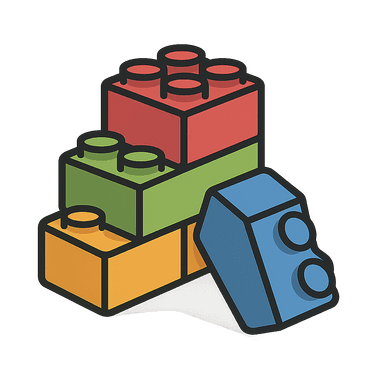



US Letter, portrait, 2in cards.
Seven ready-made choice boards with matching cut-out picture cards and blank Velcro boards up to 12 choices, in US Letter and A4 with a setup guide.
When to use this board
Bring it out at the start of choice time, free play, or the reward period at the end of a work session. It also settles the transition into unstructured time, which is where a lot of students come unstuck.
Unstructured time is harder than it looks. What sounds like freedom to an adult can read as an unanswerable question to a student, and a board turns that open question into six concrete pictures.
Update the board when the room changes. Six activities that were all available in September and are now down to three teaches the student to ignore half the board, and a board that is half wrong gets treated as entirely wrong.
This board pairs well with a first-then board. Choosing the free time activity before the work starts gives the second half of first-then a face, which is usually what makes the first half worth doing.
Cards that fit this board
The slots print at 1.5, 2, or 3 inches square, the same sizes the free PECS card templates cut to, so a card from either set lands on either board. Print the blank Velcro version above, add a hook-and-loop dot to each slot, and swap the options as the day changes.
Frequently asked questions
- What is a free time choice board?
- It is a printed board showing the activities available during free play or centers. The student points to what they want to do. It replaces an open question with a small set of pictures that are all genuinely on offer.
- How does it help with transitions?
- Choosing the activity before the transition happens gives the student a destination. Moving toward the blocks they picked is easier than moving away from the task they were doing, and the board makes that choice concrete.
- How many activities should be on it?
- Six is a full array and suits students who can scan. Four is often better in practice, and three works well for a student who takes a long time to decide or who tends to change their mind halfway through.
- Can this be used as a reward board?
- Yes. Many classrooms run it as the reward half of a first-then routine, letting the student pick the free time activity in advance and putting that picture where they can see it while they work.
- What if a student picks the same thing every time?
- That is usually fine and it is real information about their preferences. If the goal is broadening what they choose, rotate one new option in beside the favorite rather than removing the favorite from the board.
- Is the free time board free?
- Yes. Edit the six activities to match your room, then print in US Letter or A4. Laminating it and cutting the cards out lets you change the options with Velcro instead of reprinting.
Related templates
Sensory Break Choices
Six break options covering movement, deep pressure, oral input, and quiet, so a student can say what their body needs by pointing. Swap the options for the equipment your room actually has before you print it.
Snack Choices
Four snack pictures a child can point to at snack time, so choosing does not depend on speech. Change the four foods to whatever is actually in the cupboard before you print it.
Blank Choice Board
Four empty squares under an editable prompt. Print it as it is and write the options in by hand, or fill the cells with pictures and text on screen and print a finished board.