Free Homeschool Morning Routine Visual Schedule
The hardest part of many homeschool days is the start. There is no bus, no bell, and no classroom door, so the morning can drift until table time becomes a fight. This routine gives the wake-to-table stretch its own visible steps, ending with sitting down to learn instead of walking out the door.
Make the schedule look like your child: show a boy or girl in a light or dark skin tone, then print or download the matching PDF.
- 6 activities
- Free printable PDF
- Editable in browser
Editor preview
All 6 steps with picture symbols, ready to customize before you print.
- Step 1
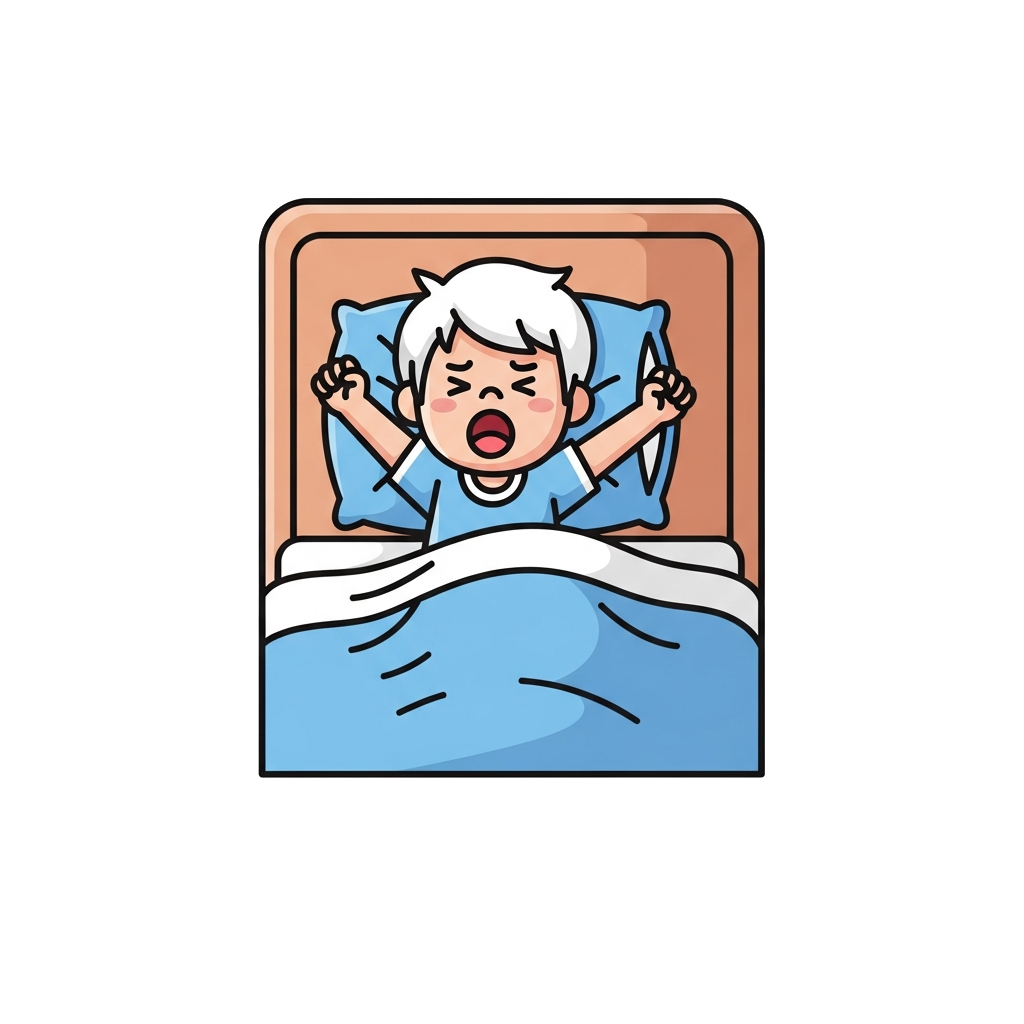 Wake up
 - Step 2
 Get dressed
 - Step 3
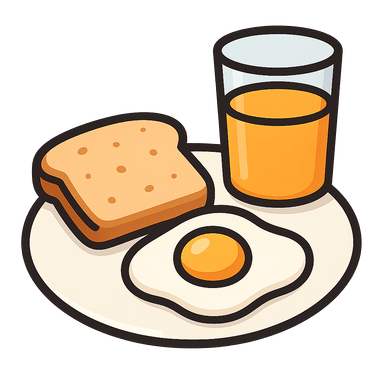 Eat breakfast
 - Step 4
 Brush teeth
 - Step 5
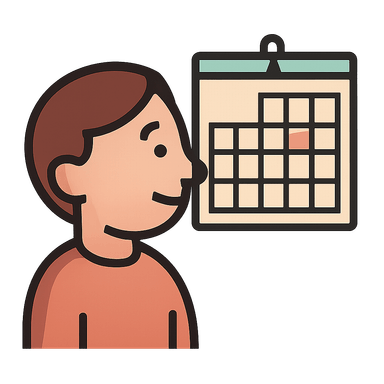 Calendar time
 - Step 6
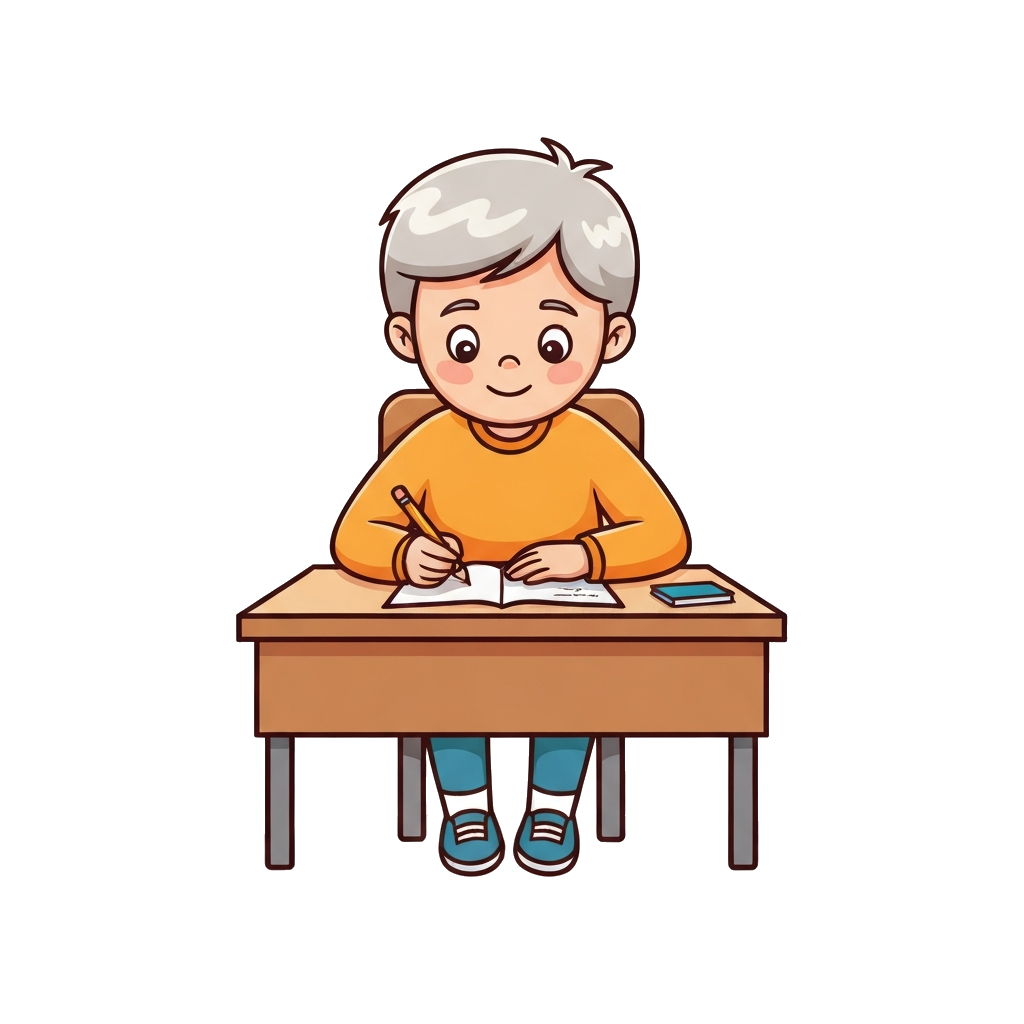 Start learning time
Printable preview
What the free PDF looks like once you download or print it. Every toggle above updates it.
Show a boy or girl in a light or dark skin tone to match your child, and pick your layout, card size, page size, and orientation. On the checklist layout you can also turn numbers, times, checkboxes, and icons on or off. The preview and PDF follow your choice.
School mornings have a built-in deadline: the bus comes whether you are ready or not. Homeschool mornings do not, and that freedom cuts both ways. Without a visible endpoint, the morning can stretch until lunchtime, and the first demand of the day (sit down and learn) arrives with no runway. This routine builds the runway.
The steps are deliberately ordinary: wake up, get dressed, breakfast, brush teeth, calendar time, start learning. Getting dressed is on the list on purpose. Plenty of homeschool families drop it, and for some kids that is fine, but for many autistic kids clothes are a context cue: pajamas mean rest, clothes mean the day has started. If your child struggles to shift into learning mode, real clothes are one of the cheapest signals you can buy.
Calendar time is the hinge of this routine. Five to ten minutes of looking at today together (the day of the week, what is happening, anything different about today) does two jobs at once: it front-loads any surprises the day holds, and it is a gentle seated activity that bridges into table work without being table work. Differences announced at calendar time cause a fraction of the upset the same differences cause when they arrive unannounced.
The last card matters most: start learning time. The routine does not end with a vague "be ready"; it ends with the specific next thing. Transitions fail at the seams, and ending one visual sequence exactly where the next demand begins removes the seam. If you use the homeschool day schedule alongside this one, the last card here is the third card there, and the two schedules hand off cleanly.
Post this routine where your child wakes up or eats breakfast, not where the learning happens. Its whole job is done before the learning table. Walk it with your child for the first week, pointing rather than narrating, and let the schedule absorb the nagging that used to be your job.
Ready-made daily and routine visual schedules to print and post, in US Letter and A4 with a setup guide.
When to use this template
Best for homeschool families whose mornings drift, where getting dressed becomes optional by Wednesday, or where the transition into table work is the day's biggest battle.
How to customize this template
- Drop steps your child does independently; a four-step routine that gets used beats a seven-step routine that gets ignored.
- Add medication, feeding a pet, or any fixed morning job your household has; real tasks anchor the sequence.
- If getting dressed is a fight not worth having, remove the card rather than leaving it up and skipping it.
- Keep calendar time under ten minutes. It is a bridge, not a lesson.
- If your child starts learning with a specific subject every day, swap the last card's label for that subject.
Frequently asked questions
- Why does a homeschool morning need a routine if there is no deadline?
- Because the deadline was doing invisible work. Structure that a school morning gets for free from the bus and the bell has to be built on purpose at home, or the first demand of the day arrives out of nowhere and starts a fight.
- Do homeschooled kids really need to get dressed?
- There is no rule. But for many autistic kids clothes are a strong context cue that the day has shifted from rest to activity. If transitions into learning are hard, try two weeks of real clothes before deciding it does not matter.
- What should calendar time include?
- The day and date, the shape of today, and anything different: an appointment, a visitor, a schedule change. Keep it short and seated. Its job is to surface surprises early and slide your child toward the table, not to be the first lesson.
- My child wakes at different times. Does that break the routine?
- No. A visual routine is a sequence, not a timetable. Whether wake-up happens at 6:30 or 8:15, the steps run in the same order. Add times only if your child finds clock anchors calming rather than pressuring.
- How is this different from the regular morning routine template?
- The regular morning routine ends with packing a school bag and heading out the door. This one ends with calendar time and sitting down to learn at home, which is the transition homeschool mornings actually need to land.
- Can I make the visual schedule for a Black boy or girl, or match my child's skin tone?
- Yes. Use the Boy / Girl and Skin tone toggles at the top of the template to switch the whole schedule at once. You can show the schedule with a Black boy or girl, or a white boy or girl, in a light or dark skin tone, and the on-screen preview, the printable, and the downloaded PDF all match. In the editor you can also swap any individual symbol or upload your own photos.
Related templates
Homeschool Day
Eight blocks from wake-up through outside time, built for autistic kids learning at home who need to see the whole day at once.
Morning Routine
Eight steps from wake-up through walking out the door, designed for autistic kids who melt down during the morning rush.
Learning Block
Six steps for one table-time session: work, break, work, reading, choice, done. The inside of a homeschool learning block, made visible.