Final Consonant Deletion: Words, Minimal Pairs, And Activities
Final consonant deletion is when a child leaves the last sound off a word, so “boat” comes out as “bow” and “bean” as “bee.” Below are 36 picture pairs for 6 common endings, P, T, K, M, N and D, with a free practice sheet and a short home routine.
- Free practice sheet: picture pairs, ready to print
- What it is: examples, and why the ending matters
- Final P Pairs: pie and pipe, row and rope
- Final T Pairs: no and note, bow and boat
- Final K Pairs: bee and beak, bye and bike
- Final M Pairs: zoo and zoom, tie and time
- Final N Pairs: bee and bean, bow and bone
- Final D Pairs: toe and toad, bee and bead
- Home practice: 4 short steps
- When it usually stops: and when to ask for an evaluation
What Is Final Consonant Deletion?
Final consonant deletion is one of the patterns young children use while their speech is still developing. A child who uses it drops the consonant at the end of a word, so “cat” sounds like “ca,” “bus” like “buh,” and “nose” like “no.”
The ending often carries the meaning. Without it, “bee,” “beak,” “bean” and “bead” can all sound the same. That is why the pairs below put two pictures side by side: saying the final sound is what makes the right picture the answer.
Final P Pairs
Each pair is the same word with and without the P on the end. Say both, then ask your child to point to the one you said. When that is easy, swap roles: your child says one and you point to what you heard.
 pie
pie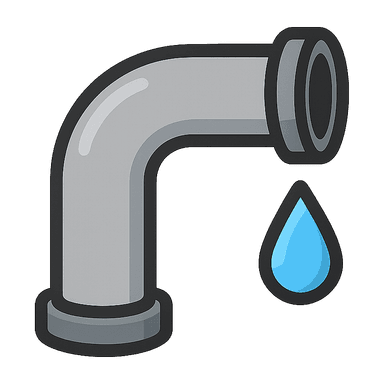 pipeSame “eye” vowel; the P closes it.
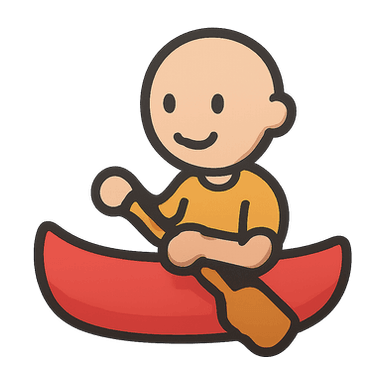 row
row ropeRow the boat, then grab the rope.
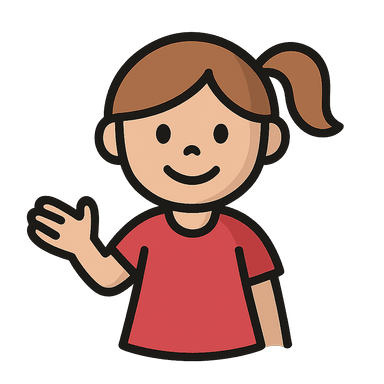 she
she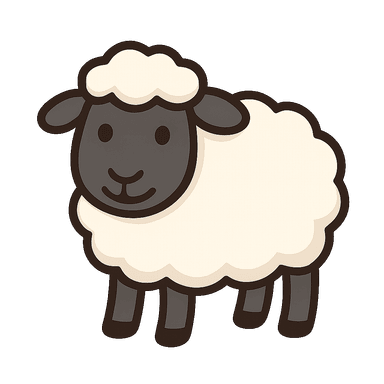 sheepLips pop shut at the end of sheep.
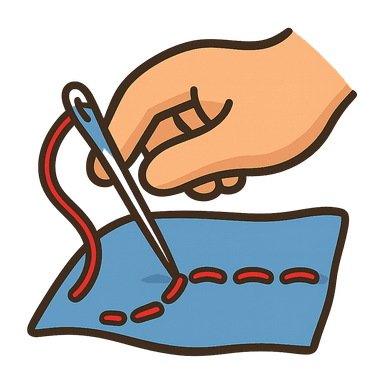 sew
sew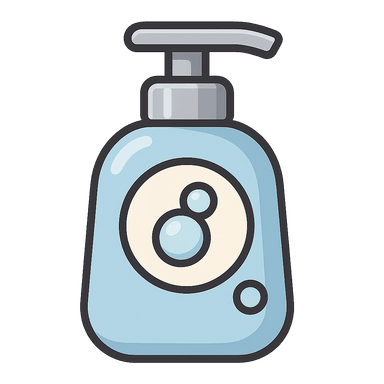 soapSoap without its P sounds just like sew.
 gray
gray grapeStarts with a blend; save it for later.
 G
G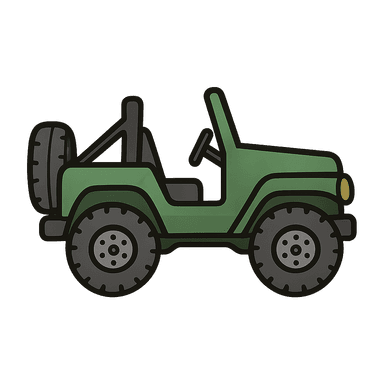 jeepThe letter name, then the car.
Easier Pairs
pie and pipe · row and rope · she and sheep · sew and soap · G and jeep
Harder Pairs
gray and grape
Print This List
One tap opens the worksheet maker with 12 words from these pairs loaded, dotted and ready to trace or read aloud.
Make The Practice SheetFinal T Pairs
Each pair is the same word with and without the T on the end. Say both, then ask your child to point to the one you said. When that is easy, swap roles: your child says one and you point to what you heard.
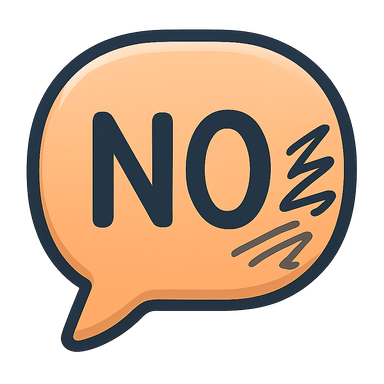 no
no noteThe tongue taps up behind the teeth for the T.
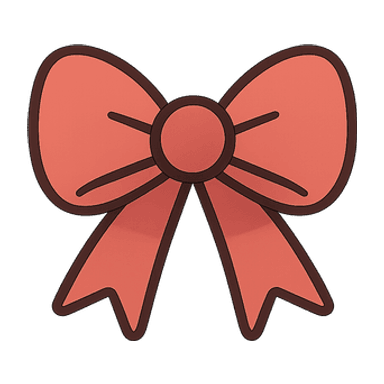 bow
bow boatA bow on a gift, then a boat on the water.
 sea
sea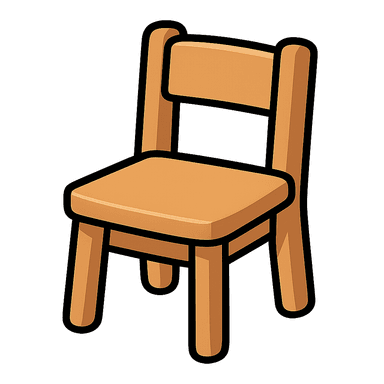 seatThe sea is wet; a seat is where you sit.
 boo
boo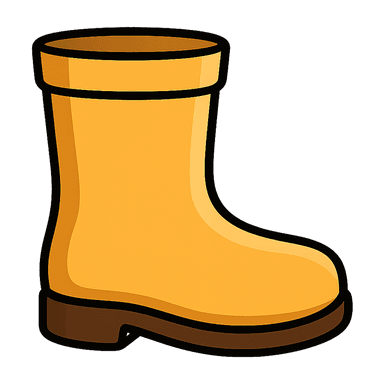 bootSay boo, then close it with the T.
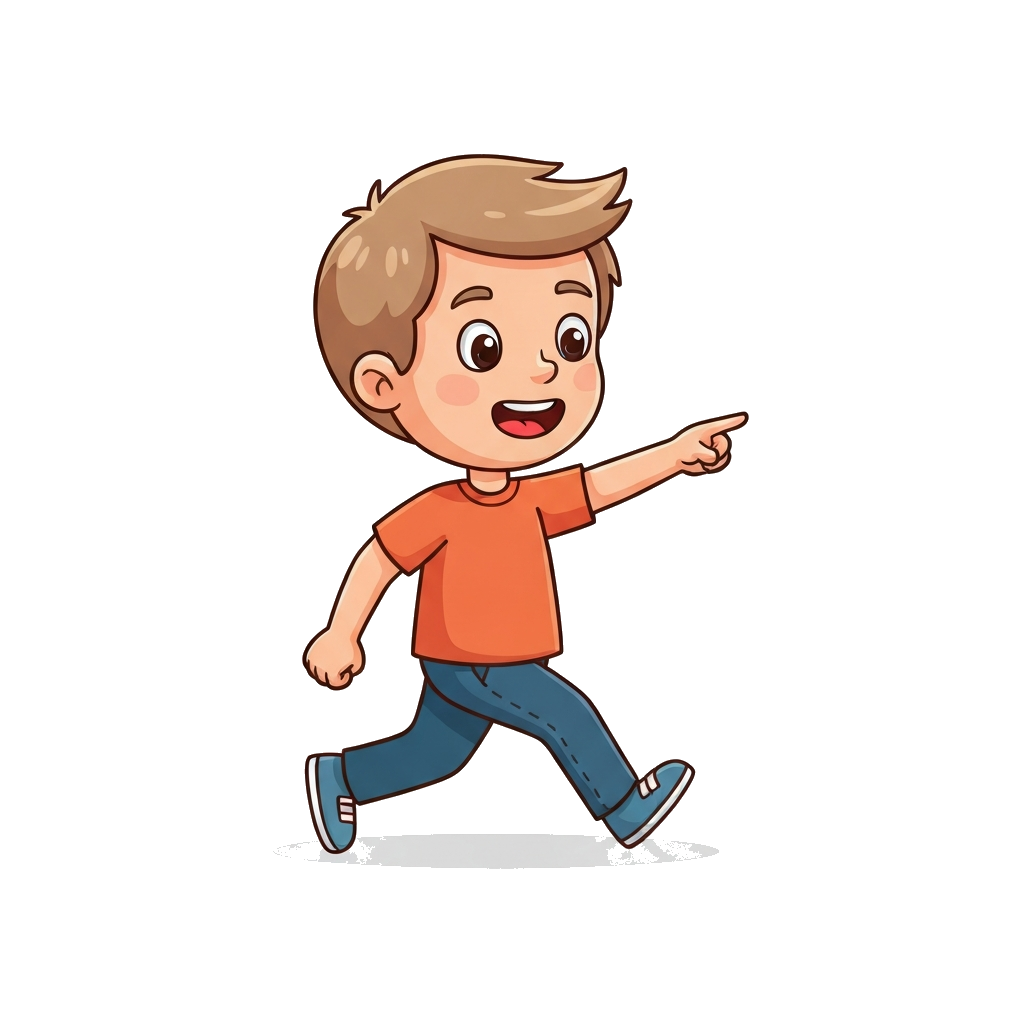 go
go goatGo, then the goat: the T stops the word.
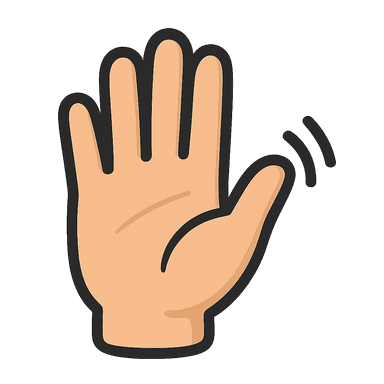 bye
bye biteWave bye, then take a bite.
Easier Pairs
no and note · bow and boat · sea and seat · boo and boot · go and goat · bye and bite
Print This List
One tap opens the worksheet maker with 12 words from these pairs loaded, dotted and ready to trace or read aloud.
Make The Practice SheetFinal K Pairs
Each pair is the same word with and without the K on the end. Say both, then ask your child to point to the one you said. When that is easy, swap roles: your child says one and you point to what you heard.
 bee
bee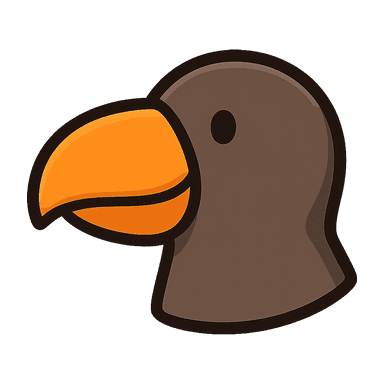 beakThe bee buzzes; the bird has a beak.
- bye
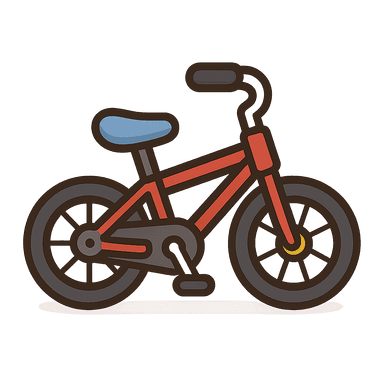 bikeWave bye, then ride the bike.
  pea
pea peakA pea is tiny; a peak is the top of a mountain.
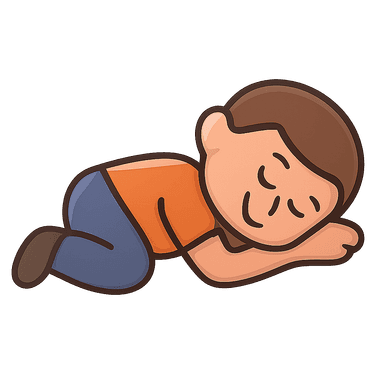 lay
lay lakeLay down, then swim in the lake.
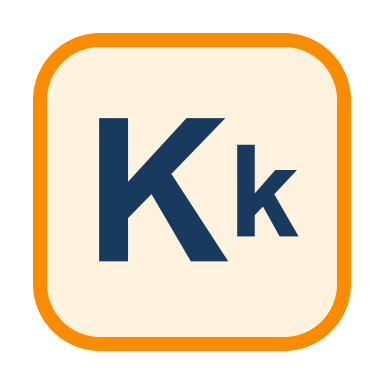 K
K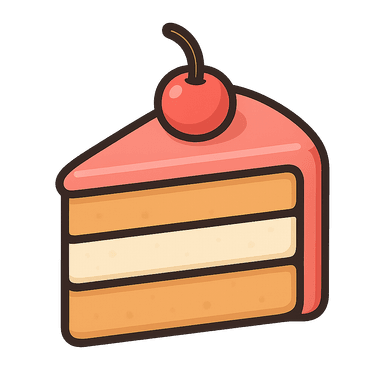 cakeThe letter name, then the cake.
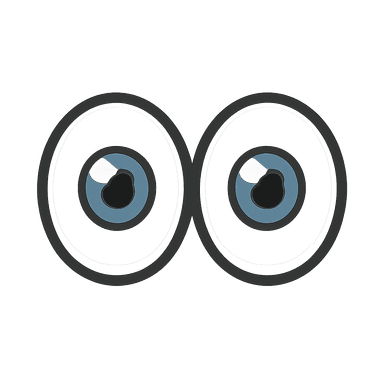 see
see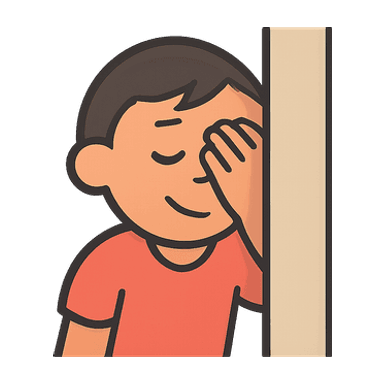 seekSee with your eyes; seek when you hunt.
Easier Pairs
bee and beak · bye and bike · pea and peak · lay and lake · K and cake · see and seek
Print This List
One tap opens the worksheet maker with 12 words from these pairs loaded, dotted and ready to trace or read aloud.
Make The Practice SheetFinal M Pairs
Each pair is the same word with and without the M on the end. Say both, then ask your child to point to the one you said. When that is easy, swap roles: your child says one and you point to what you heard.
 zoo
zoo zoomHum at the end: zoom.
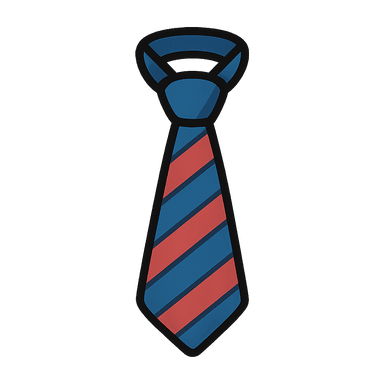 tie
tie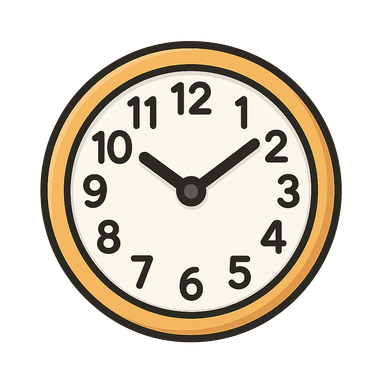 timeLips close at the end of time.
- no
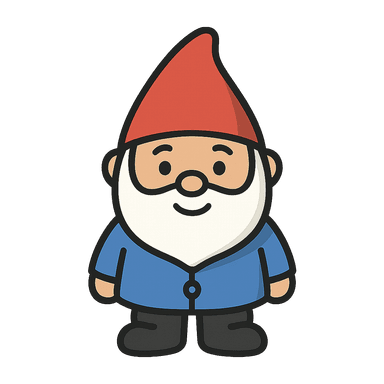 gnomeThe G is silent; gnome ends with M.
  blue
blue bloomStarts with a blend; save it for later.
 dye
dye dimeLips close at the end of dime.
 pa
pa palmThe L is silent; palm ends with M.
Easier Pairs
zoo and zoom · tie and time · no and gnome · dye and dime · pa and palm
Harder Pairs
blue and bloom
Print This List
One tap opens the worksheet maker with 12 words from these pairs loaded, dotted and ready to trace or read aloud.
Make The Practice SheetFinal N Pairs
Each pair is the same word with and without the N on the end. Say both, then ask your child to point to the one you said. When that is easy, swap roles: your child says one and you point to what you heard.
- bee
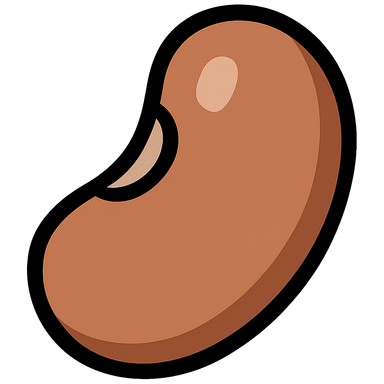 beanThe tongue goes up behind the teeth for the N.
 - bow
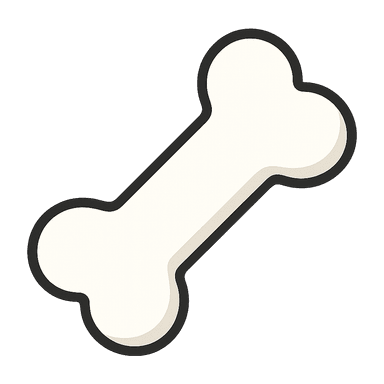 boneThe dog wants the bone, not the bow.
 - pie
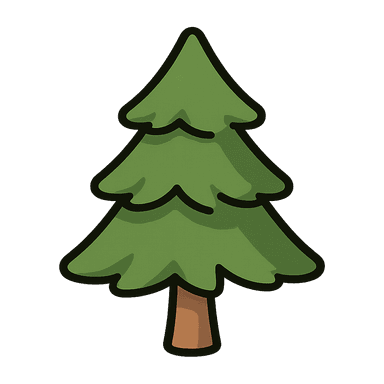 pineA pie to eat, a pine tree outside.
 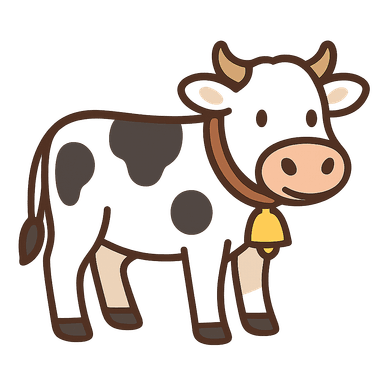 moo
moo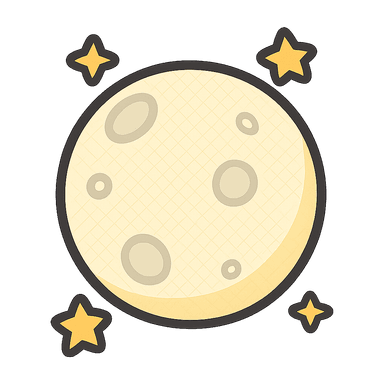 moonThe cow says moo; the moon is in the sky.
 play
play planeStarts with a blend; save it for later.
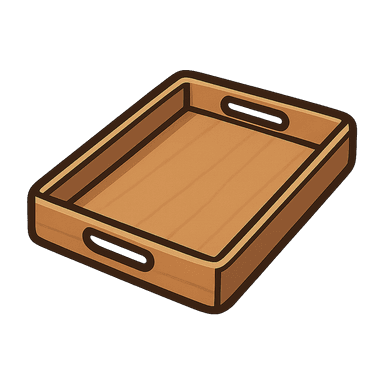 tray
tray trainStarts with a blend; save it for later.
Easier Pairs
bee and bean · bow and bone · pie and pine · moo and moon
Harder Pairs
play and plane · tray and train
Print This List
One tap opens the worksheet maker with 12 words from these pairs loaded, dotted and ready to trace or read aloud.
Make The Practice SheetFinal D Pairs
Each pair is the same word with and without the D on the end. Say both, then ask your child to point to the one you said. When that is easy, swap roles: your child says one and you point to what you heard.
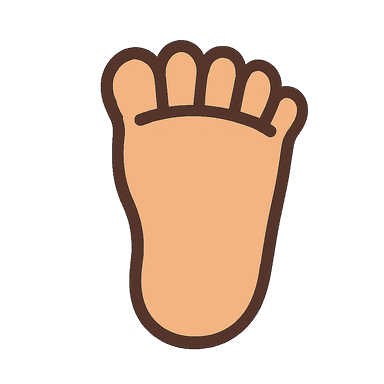 toe
toe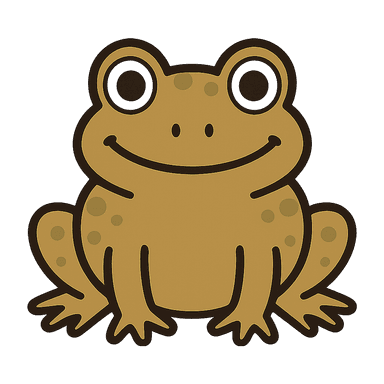 toadWiggle a toe, then hop like a toad.
- bee
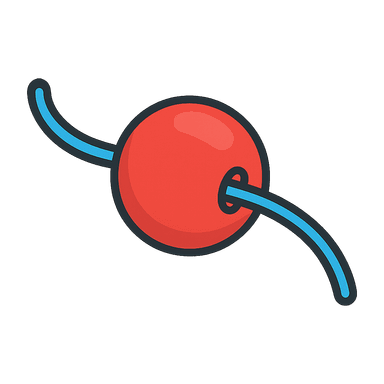 beadThe tongue taps up for the D in bead.
 - row
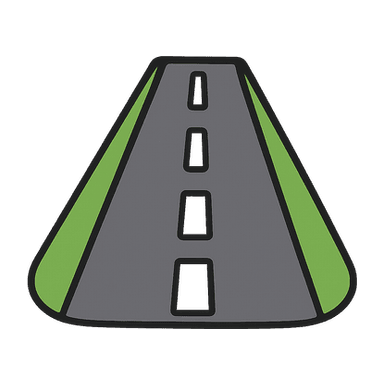 roadRow on the water, drive on the road.
 - sea
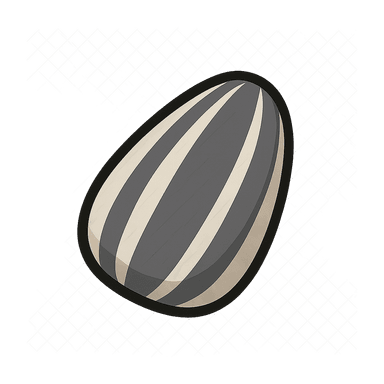 seedSplash in the sea, then plant the seed.
 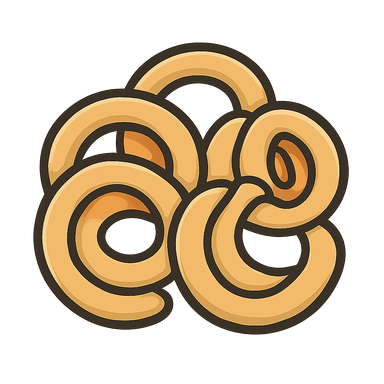 fry
fry friedStarts with a blend; save it for later.
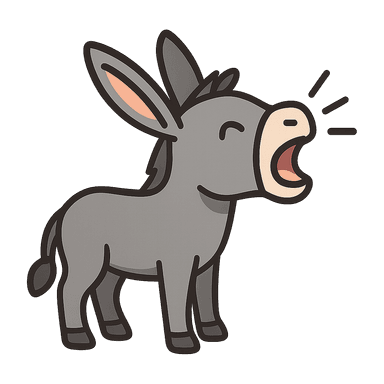 bray
bray braidStarts with a blend; save it for later.
Easier Pairs
toe and toad · bee and bead · row and road · sea and seed
Harder Pairs
fry and fried · bray and braid
Print This List
One tap opens the worksheet maker with 12 words from these pairs loaded, dotted and ready to trace or read aloud.
Make The Practice SheetHow To Practice At Home
Use any pair below. Keep it short and stop while it is still fun.
- Name both pictures for your child, saying the ending clearly: “bee,” then “bean.”
- Say one of the two words and let your child point to the picture you said.
- Swap roles: your child says a word and you point to the picture you heard. If they meant “bean” and you point to the bee, show them the ending they left off and try again.
- When a pair is easy, move to the next one, then try the words in short phrases like “a big bean.”
When It Usually Stops
Most children stop dropping final sounds by around age 3. ASHA gives 3 as the likely age this pattern goes away, and Caroline Bowen’s table, built on Grunwell’s research, puts it at about 3 years and 3 months.
If your child is past about 3 and a quarter and still leaves the ends off most words, or people outside the family often cannot understand them, ask a speech-language pathologist for an evaluation. Under IDEA, a parent can ask the public school district in writing to evaluate a child aged 3 or older, and the evaluation is free; our lisp guide walks through the request. For a child under 3, start with your state’s Early Intervention program.
Sources: ASHA, Selected Phonological Patterns; Caroline Bowen, Table 3: Elimination of Phonological Processes.
Print And Practice
One sheet of 6 pairs is free to download and print. The complete pack has every pair at every level.
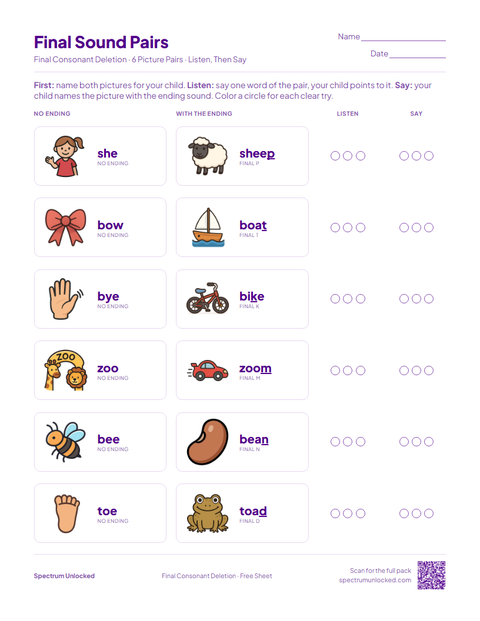
Final Sound Pairs
One pair for each ending, P, T, K, M, N and D, with pictures. Listen and point, then say, with circles to color for every clear try. A QR code on the back leads to every pair.
Download The PDFFinal Consonant Deletion Minimal Pairs Worksheets Pack
34 no-prep final consonant deletion sheets built on 36 picture minimal pairs for final P, T, K, M, N and D: pair sheets, listening and saying sheets, 72 cut-apart picture cards, phrases and sentences, home practice pages and an SLP data sheet, in Color and Ink-Saver PDFs.
Get The Pack For $4Common Questions
- What is final consonant deletion?
- Final consonant deletion is a speech pattern where a child leaves off the last consonant of a word, so “cat” sounds like “ca” and “nose” like “no.” It is common in toddlers whose speech is still developing, and ASHA lists it among the patterns that usually go away as children get older.
- At what age should final consonant deletion stop?
- Around age 3. ASHA’s table of phonological patterns gives 3 as the likely age it goes away, and Caroline Bowen’s table, based on Grunwell’s research, says it is usually gone by about 3 years and 3 months. Children vary, so treat these as guides rather than deadlines.
- What are minimal pairs for final consonant deletion?
- They are two words that differ only by the final sound, like bee and bean or toe and toad. Because each word has its own picture, a child who drops the ending ends up pointing to the wrong one, which shows them why the last sound matters.
- How do I practice final consonant deletion at home?
- Name both pictures in a pair first. Then say one word and let your child point to it, and swap roles so your child says a word while you point to the picture you heard. Keep sessions short, and stop while your child is still enjoying it.
- When should my child see a speech-language pathologist?
- If your child is past about 3 and a quarter and still leaves the ends off most words, or people outside the family often cannot understand them, ask for an evaluation. Under IDEA, a parent can ask the public school district in writing to evaluate a child aged 3 or older, and the evaluation is free.
- Are these word pairs free to print?
- Yes. Every pair on this page, with its pictures, and the practice sheet are free to print, with no account needed. You can also practice straight from the screen: name the two pictures, say one word, and let your child point.
Working on final consonant deletion at home?
Beacon talks a speech question through with you: what the pattern means for your child, how to fit practice into a day, and what to ask the speech therapist.
What would Beacon say?
"My 4 year old still says "bee" for "bean". How do I practice endings without it turning into a fight?"