The Complete Guide
Fine Motor Activities For Autistic Kids
What fine motor skills are, what develops when, and dozens of hands-on activities by age. Written for parents and classroom staff alike, with free printables both can use today.
What Are Fine Motor Skills?
Fine motor skills are the small hand and finger movements behind everyday tasks: holding a spoon, buttoning a coat, writing a name. For many autistic kids they develop on their own timeline, and practice works best when it feels like play. The big five:
- Grasp: holding crayons, spoons, and small toys
- Hand strength: squeezing, pinching, tearing
- In-hand manipulation: moving a coin from palm to fingertips
- Bilateral coordination: two hands working together
- Visual-motor: eyes guiding hands for tracing and cutting
The activities below build all five through ordinary play. None of them require a correct answer, and every one has a sensory-friendly variation, because a child who is overwhelmed by a material is not practicing anything.
Fine Motor Activities For Toddlers
Chunky materials, big movements, and no worksheets. At this age the goal is hands that like to work, so end each activity while it is still fun. Everything here needs an adult within arm's reach, since most of it involves small parts.
Coin Posting
Cut a slot in the lid of an oatmeal container and hand over a stack of large coins or poker chips. Turning a coin to fit the slot works the fingertips, and the clunk it makes inside is its own reward. For a child who mouths things, use big milk-jug lids and a wider slot.
Paper Tearing
Old magazines and junk mail are a hand gym. Tearing uses both hands pulling in opposite directions, which builds the same strength scissors will need later. Collect the pieces in a bowl and let your child dump it out at the end, since dumping is the part most toddlers came for.
Big Pop Beads
Pulling jumbo pop beads apart takes real force, and pushing them back together takes aim. Both directions count as practice. A long chain to wear or swing gives the activity an ending a child can see coming.
Sticker Peeling
Peeling a sticker off a sheet is a precise fingertip task disguised as a treat. Start with large stickers and fold the backing to lift a corner first. Sticking them onto a paper plate keeps the furniture safe and makes a finished thing to show someone.
Water Pouring
Two plastic cups and a towel on the floor make a pouring station in the bath or at the sink. Steadying a cup while filling it is bilateral coordination with instant feedback. A child who dislikes wet hands can pour dry rice or beans instead.
Chunky Crayon Scribbling
Tape a big sheet of paper to the table so it cannot slide, and offer short, thick crayons. A short crayon almost forces a fingertip grip because there is nothing to fist. Scribbling is the point; there is no picture to get right.
Sponge Squeezing
A wet sponge moved from one bowl to another, squeezed dry over the second, is pure hand strength. The squeeze-and-release rhythm is calming for many kids, which makes this a good first activity on a hard day.
Stack And Crash
Stacking blocks works placement and a controlled release, and the crash at the end is the payoff that keeps a toddler stacking. Let the crash belong to the child. If the noise is too much, stack soft blocks or bean bags instead.
Snack Tongs
Serving crackers or melon cubes with small kitchen tongs turns snack time into pinch practice. The open-shut motion is the same one scissors will ask for in a year or two, and the motivation problem solves itself.
Tape Pulling
Press strips of painter's tape onto the table edge and let your child peel them off and stick them somewhere new. Finding the edge of a strip and lifting it is fingertip work at its most stubborn, and painter's tape forgives every surface it meets.
Fine Motor Activities For Preschoolers
Preschool hands are ready for tools, sequences, and first pencil work. Keep sessions short and follow the child's interests: a dinosaur fan will thread pasta onto a string for a long time if the string is a dinosaur tail.
Play Dough Letters
Rolling dough into snakes strengthens the whole hand, and bending the snakes into letters sneaks in letter knowledge without a pencil anywhere in sight. A child who dislikes the feel of dough can work through a zip-top bag or use firmer modeling clay.
Clothespin Games
Pinching a clothespin open uses the exact three fingers that hold a pencil. Clip pins around a paper plate, onto a shoebox rim, or match colored pins to colored paper. Ten pins is a session; stop before the hand tires.
Threading And Lacing
Dry penne on a shoelace, big wooden beads on a pipe cleaner, or punched holes around a cardboard shape all ask two hands to cooperate on one small target. Stiffen the lace end with tape and the frustration drops by half.
Tweezers And Pom-Poms
Moving pom-poms into a muffin tin with kitchen tweezers refines the pinch that clothespins built. Sorting by color adds a thinking layer when the movement gets easy. Cotton balls work for a lighter grip, marbles for a stronger one.
Chalk Tracing
Draw big shapes or letters in chalk on the sidewalk and have your child trace over them with a wet paintbrush, a squirt bottle, or a finger. The scale keeps the whole arm involved, and the marks disappear, so nothing was ever wrong.
First Scissor Snips
Start scissors on play dough snakes or drinking straws, which hold still and cut in one snip. Strips of card come next: one snip makes a piece, and a row of snips makes confetti for a craft. Child-safe scissors and an adult alongside are the whole setup.
Hole Punch Work
A single hole punch takes two hands and a real squeeze. Punching holes along the edge of a paper plate, or through a leaf, gives the squeeze a visible result. Save the punched dots for gluing; preschoolers treat them as treasure.
Sticker Lines
Draw a wavy line across a page and have your child place small stickers along it. Landing a sticker on a line is visual-motor aim, the same skill tracing asks for, with none of the pencil pressure.
Spray Bottle Jobs
Watering plants or misting a window for cleaning gives the whole hand a workout with a purpose attached. Jobs beat drills for a lot of kids, because the point of the squeezing is visible and nobody is watching their fingers.
Name Tracing
When pencil interest arrives, a child's own name is the word they will work hardest for. The free name tracing maker prints it in dotted letters at the size and support level that fits, and reprints are free when the first try gets scribbled.
Fine Motor Activities For School-Age Kids
Older kids need practice that does not look like practice. Real projects, real jobs, and materials that respect their age keep hands working long after worksheet patience runs out.
Small-Brick Builds
Small interlocking bricks demand fingertip force and precise placement for as long as the build lasts. Following the printed steps adds sequencing, and a finished model is proof of work no sticker chart can match.
Paper Airplanes And Simple Origami
A crisp fold takes two hands, a firm crease, and attention to a corner lining up. Airplanes come with a built-in flight test, which turns five folds of practice into twenty throws of reward.
Geoboards And Rubber Bands
Stretching rubber bands across a pegboard to copy a shape is strength and visual-motor work in one. A homemade board of push pins in cork works the same. Copying a design card first, then inventing one, keeps it going.
Card Dealing And Shuffling
Holding a fan of cards is in-hand manipulation, and dealing one card at a time off the top of the deck is a fingertip slide most adults forgot they ever learned. Any card game the family already plays carries the practice.
Coin Sorting
Sorting a jar of coins into piles, then stacking and rolling them, moves single coins from palm to fingertips over and over. Counting the total makes it math homework that pays out at the end.
Friendship Bracelets
Knotting embroidery thread is precise, repetitive, and portable, and the result is currency at school. Beads on elastic cord are the easier entry point; knots can wait until the fingers are ready.
Kitchen Jobs
Kneading dough, rolling it flat, peeling carrots, and cracking eggs are honest hand work with dinner at the end. Give one job, not the whole recipe, and let it be theirs every time it comes up.
Nuts And Bolts
A handful of real nuts and bolts from the hardware store, matched and threaded together, is in-hand rotation practice that feels like a workshop rather than a therapy table. A screwdriver and a scrap of soft wood extend it for a kid who wants real tools.
Sticky Note Codes
Peeling sticky notes one at a time, writing a single letter on each, and arranging them into secret messages on a door mixes fingertip work with writing in small, low-pressure doses. One letter per note keeps the writing demand tiny.
Letter And Word Practice At The Right Size
An older student still building handwriting deserves practice sheets that do not look babyish. The free letter tracing maker separates letter size from support level, so the letters can be small and age-appropriate while the tracing support stays.
Free Fine Motor Worksheets And Printables
When a child is ready for pencil work, these sheets print free as PDFs. Each one opens in the free worksheet maker for different words, sizes, or support levels, and the tracing worksheets gallery has the full set.
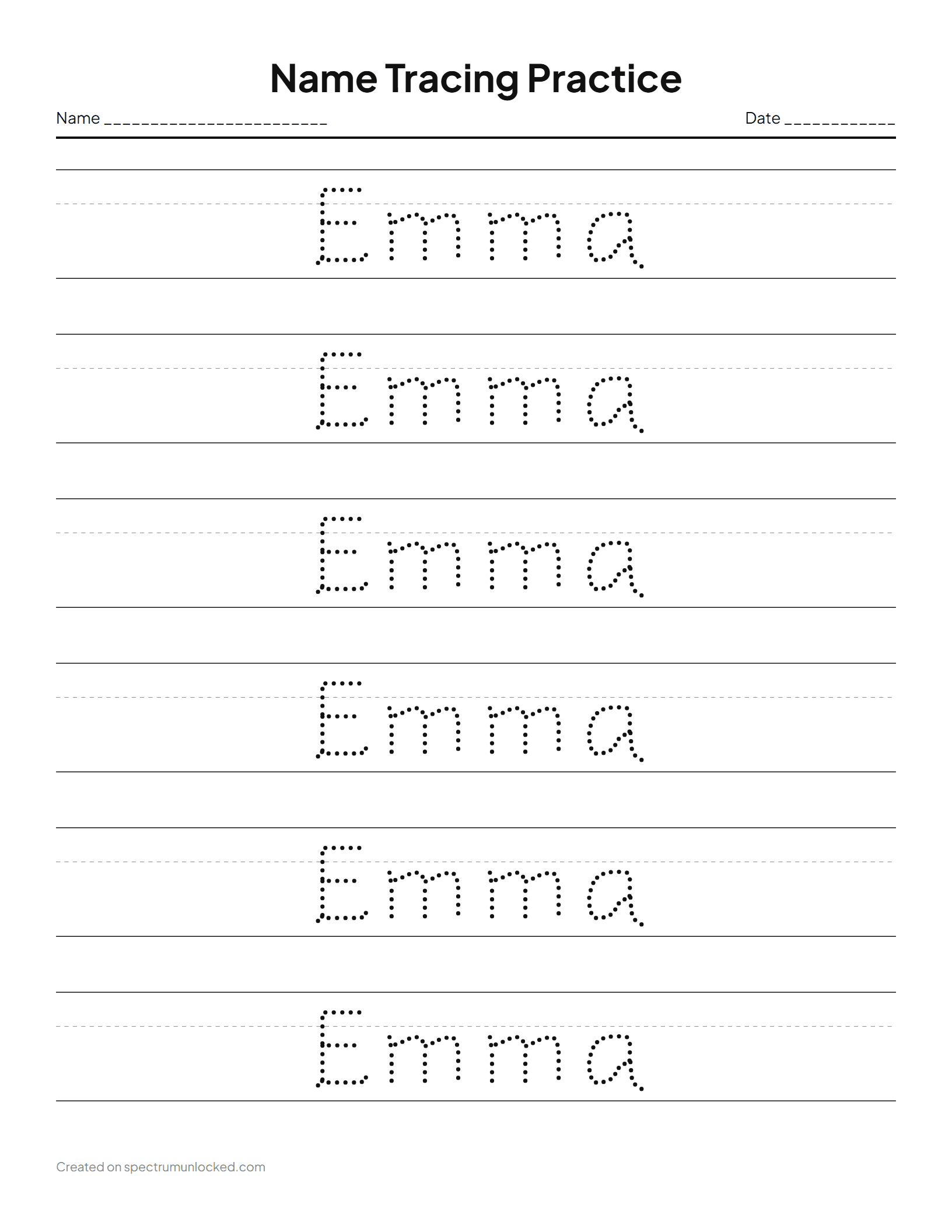
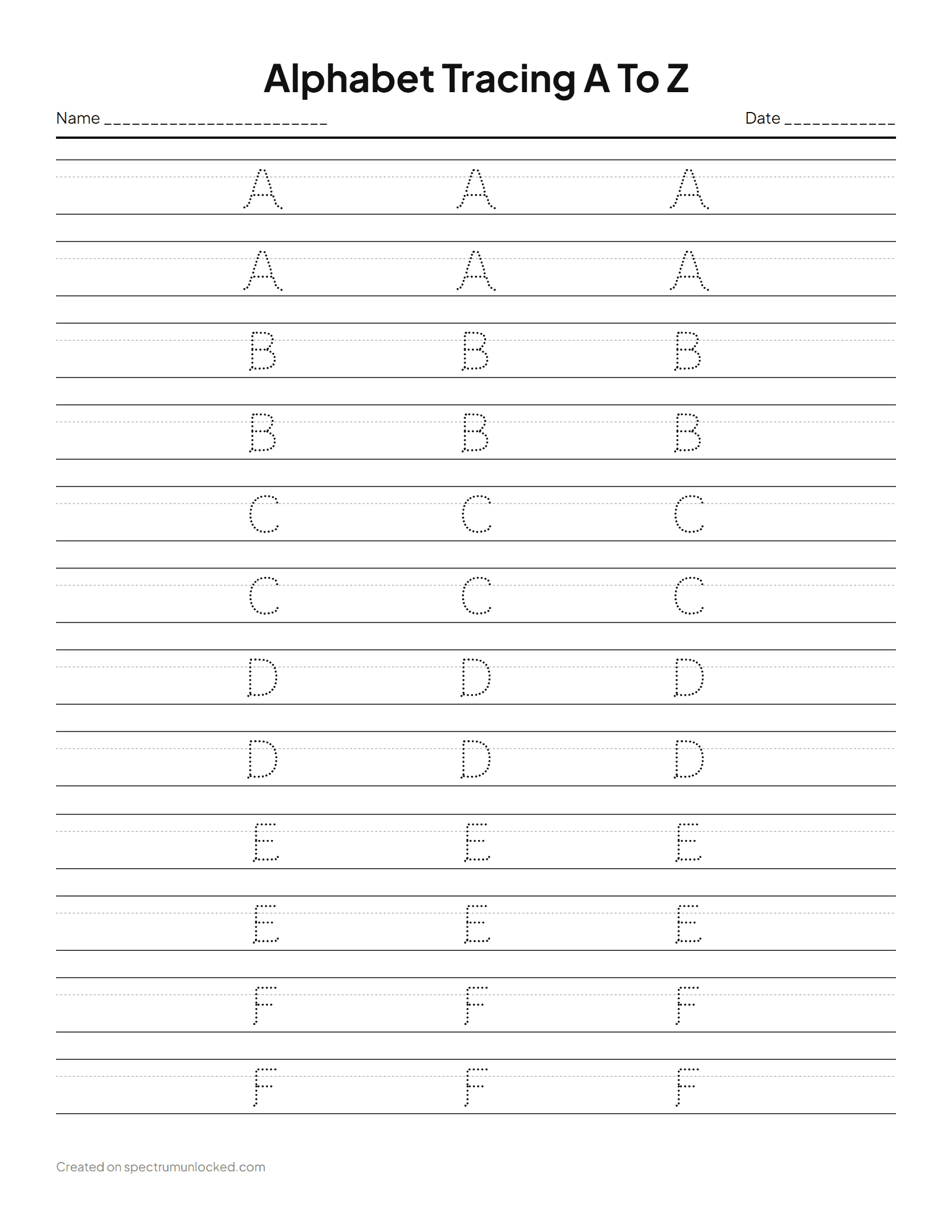
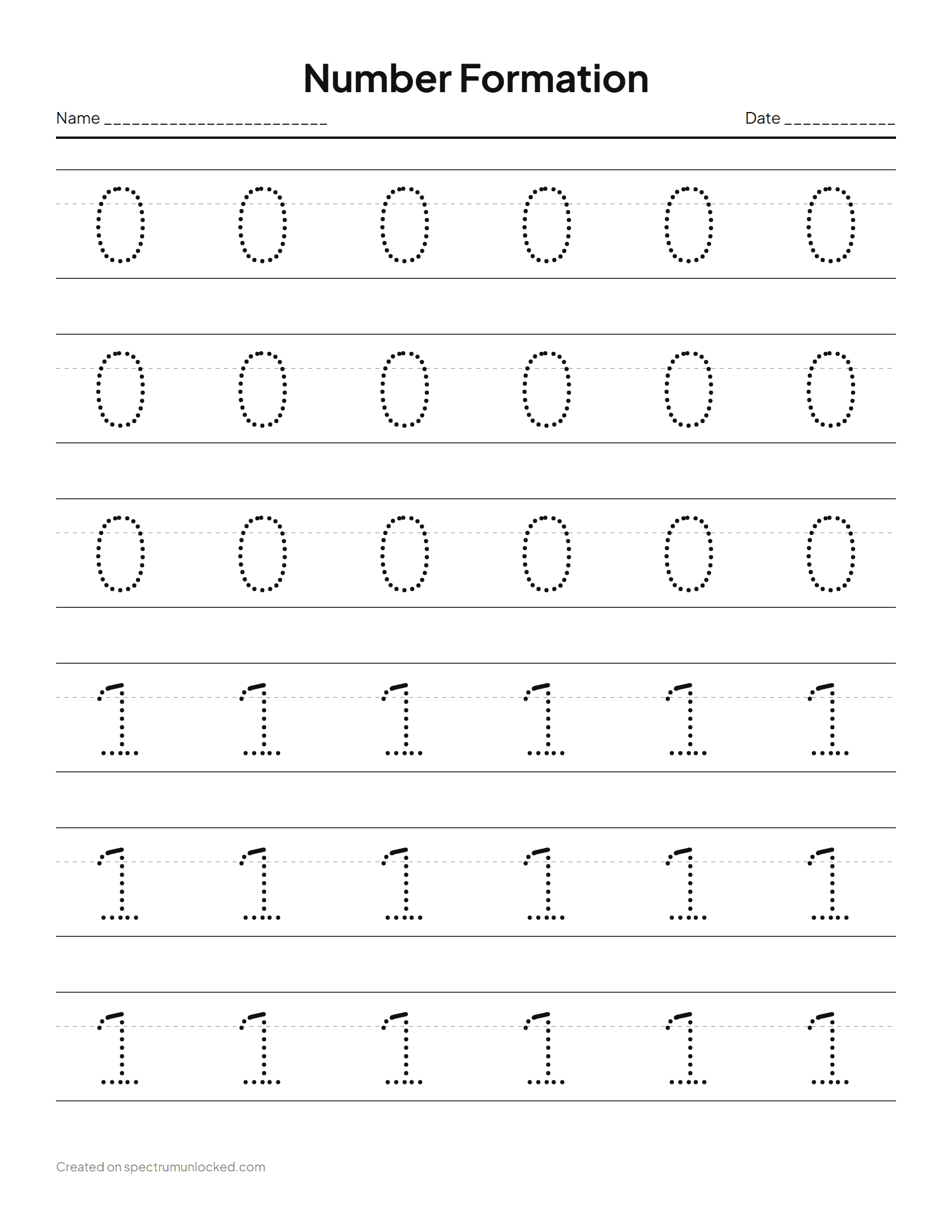
Working on scissors instead of a pencil? The free Scissor Skills Guide (PDF) walks the cutting ladder from first snips to shape cut-outs, the cutting practice worksheets print a matching sheet for every step, and a one-page sample sheet (PDF) is ready to print as it is. For the whole ladder in one download, the Cutting Practice Worksheets Pack has every line family at all three support levels plus shape cut-outs and a skills tracker.
When To Talk To An Occupational Therapist
These activities build skills, and they also have limits. It is worth asking for a professional opinion when a child consistently avoids all hand play, cannot manage daily tasks that matter to the family like fastening clothes or using a spoon, shows a big gap between what they understand and what their hands can produce, or gets frustrated to the point of tears by tasks classmates find easy.
The path to an evaluation runs through your pediatrician or, for children under three, your state's early intervention program: the early intervention guide walks through that process. For school-age kids, a written request to the school starts an evaluation for school-based OT, and this guide to ABA, speech, and OT explains what each therapy actually covers. An OT will find the why behind the struggle; the activities on this page then become the home program that supports the plan, not a substitute for it.
Common Questions
- How often should we practice fine motor skills?
- Little and often beats long sessions: five to ten minutes of play-based practice most days.
- My child refuses worksheets. What now?
- Start with the no-paper activities above. Strength and coordination built through play transfer to pencil work later.
- Are these activities only for autistic kids?
- No. Every activity here works for any child building hand skills. They are written autism-first, which means the sensory notes and the no-fail setups are already in place instead of left for you to figure out.
- Do I need to buy special equipment?
- No. Almost everything on this page uses things a kitchen already has: coins, clothespins, dry pasta, sponges, a muffin tin. A pair of child-safe scissors and some play dough cover most of the rest.
- What if my child only mouths or throws the materials?
- Swap the material, not the goal. A child who mouths small items can tear lettuce, squeeze sponges, or press stickers instead of posting coins. Every skill here has a bigger, safer version, and supervision plus the right size of material keeps practice workable.
- When do fine motor skills develop?
- In a rough sequence rather than on a fixed schedule: whole-hand grasping comes first, then finger-and-thumb pickup, then two hands working together, then tool use like crayons and scissors. Many autistic kids move through the same sequence on a later or more uneven timeline, which is why the age bands below are starting points rather than tests.