Hospital Communication Board
A photo board for a patient who cannot speak: yes, no, pain, water, toilet, medicine, the nurse. Point to answer. Print it free for the bedside, or change any cell.
- 20 cells
- Free printable PDF
- Editable in browser
 Yes
Yes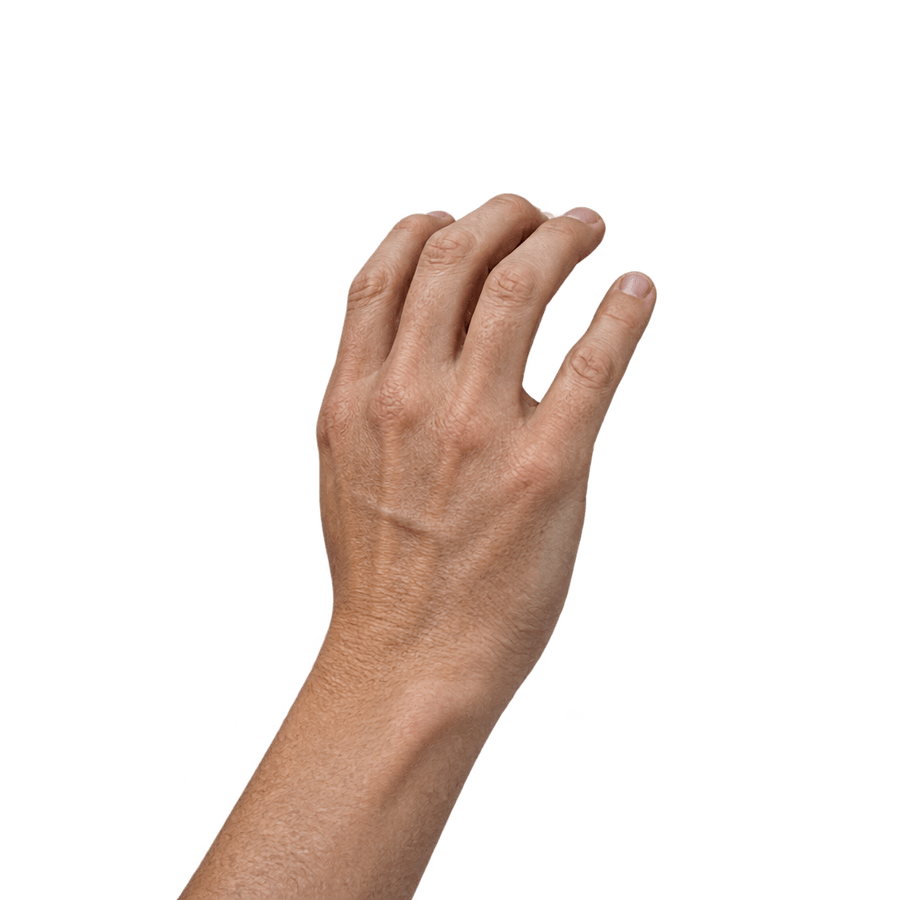 Pain
Pain Water
Water No
No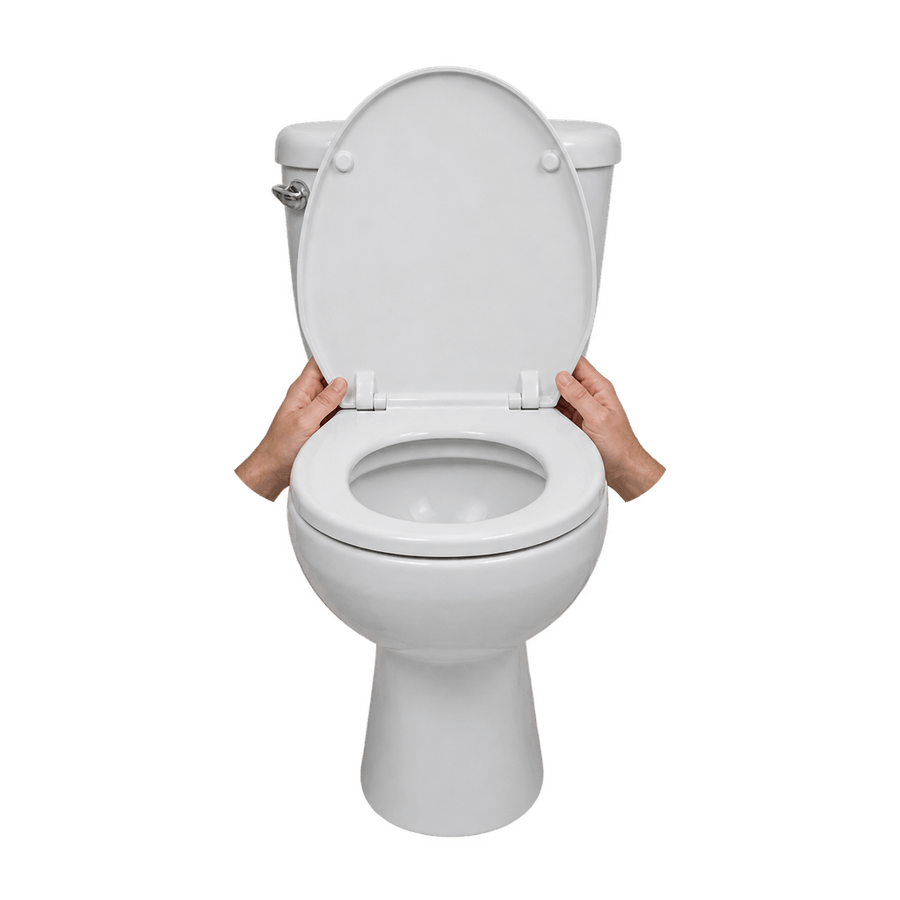 Toilet
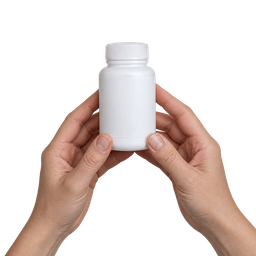 Medicine
 Nurse
Nurse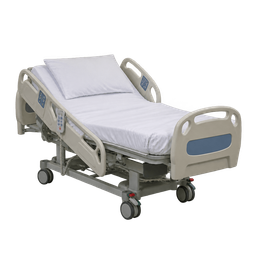 Bed Up or Down
 Blanket
 Feel Sick
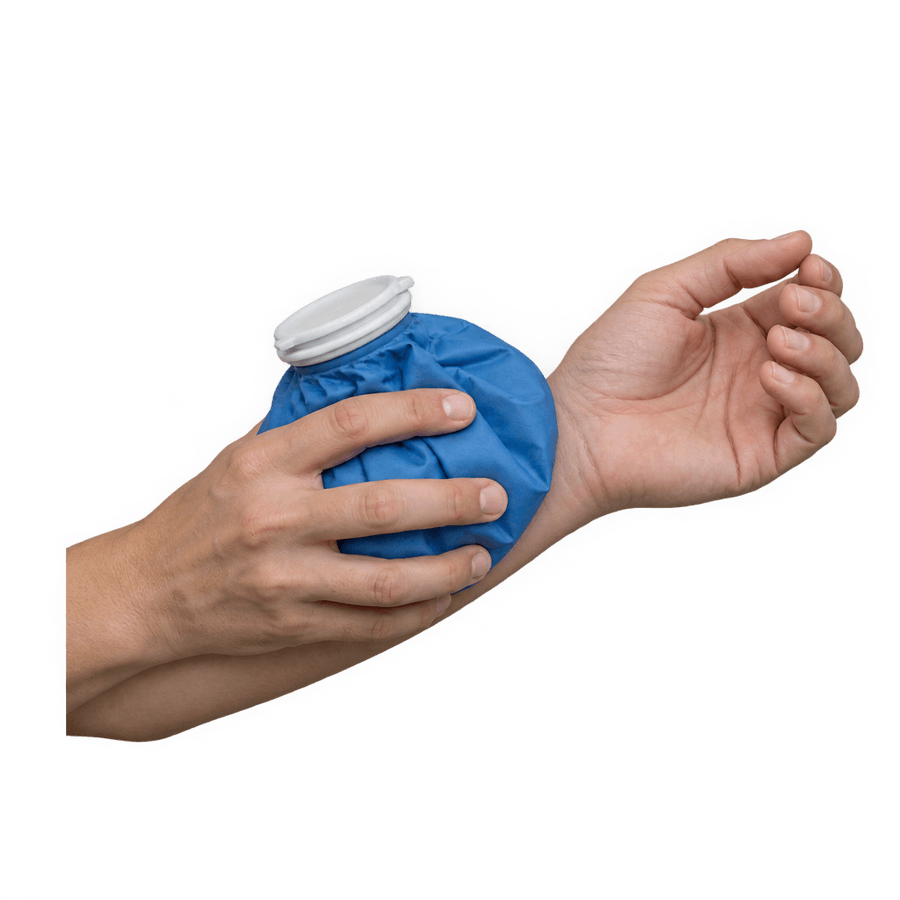 Cold
Cold Tissues
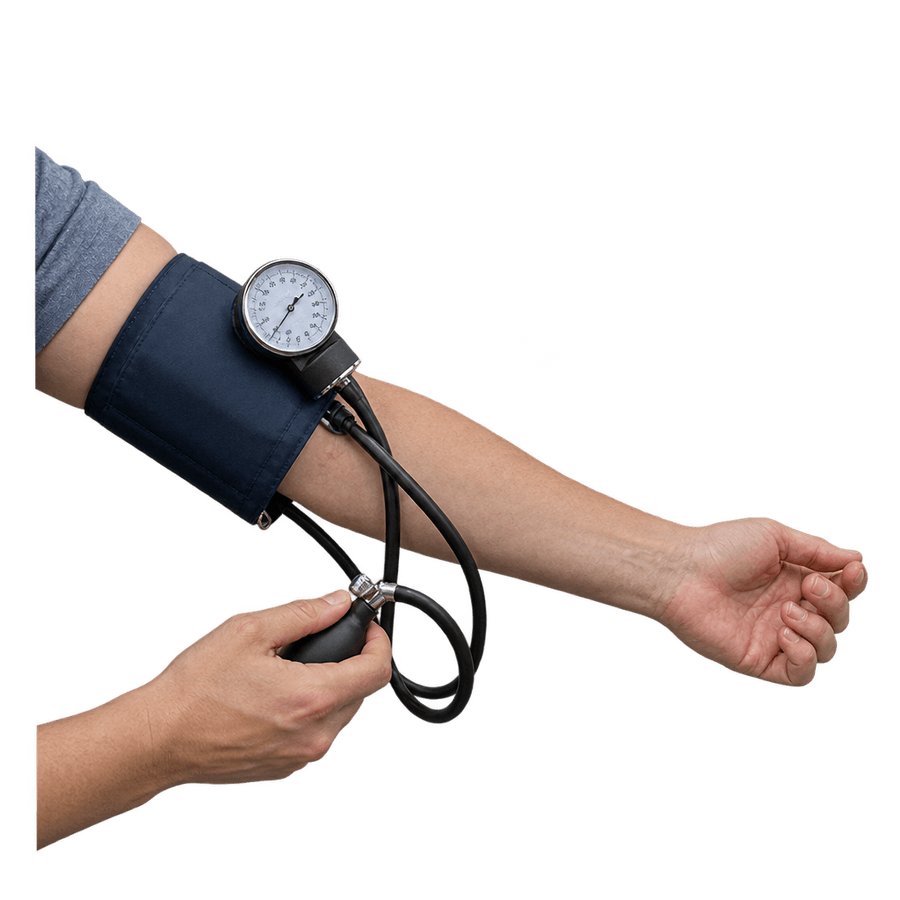 Check Me
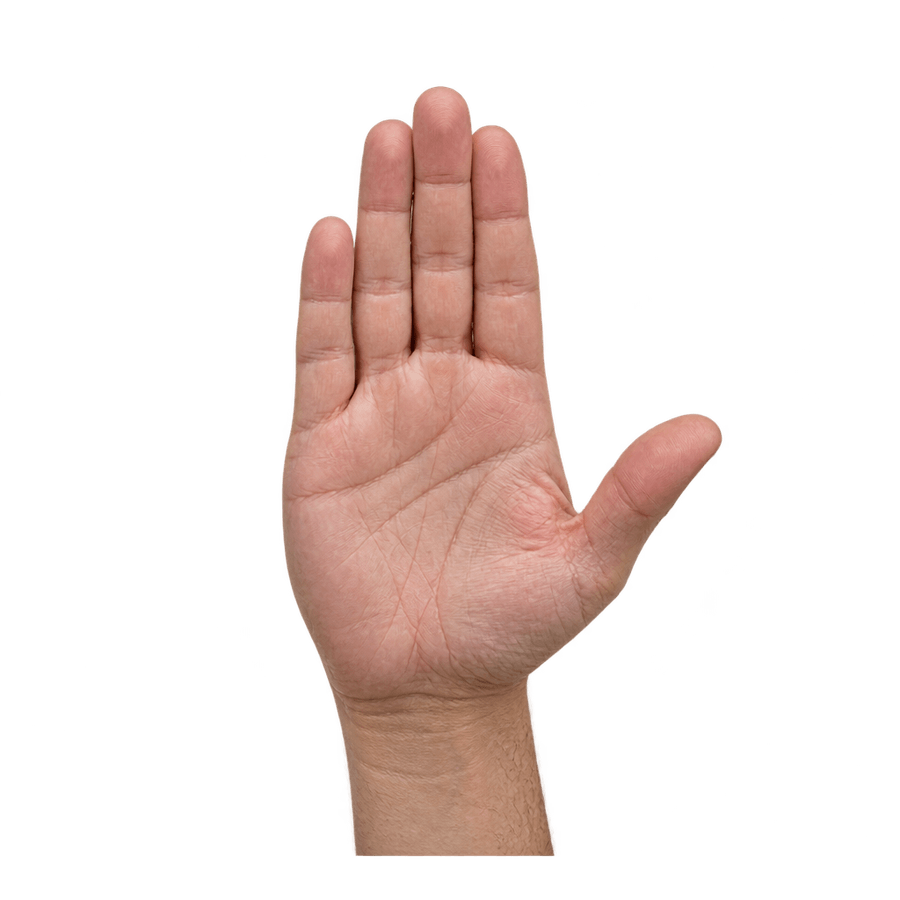 Stop
Stop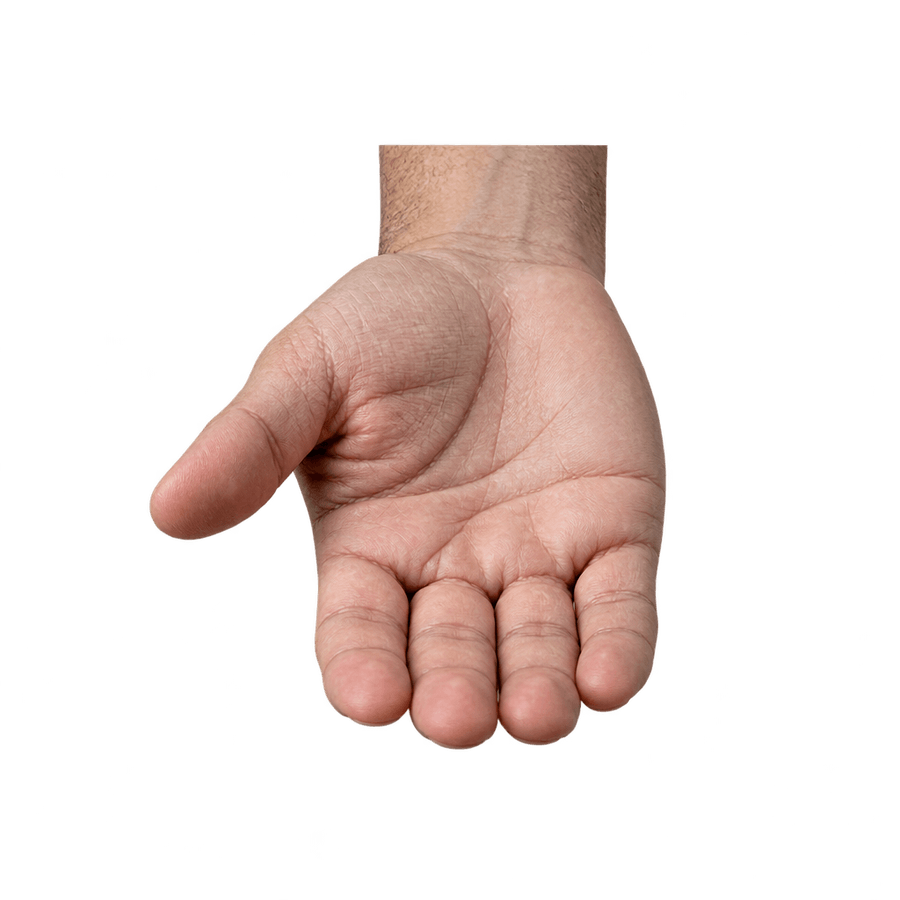 More
More Family
 I Need a Minute
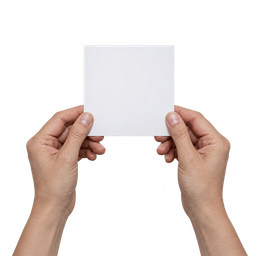 It's Not on My Board
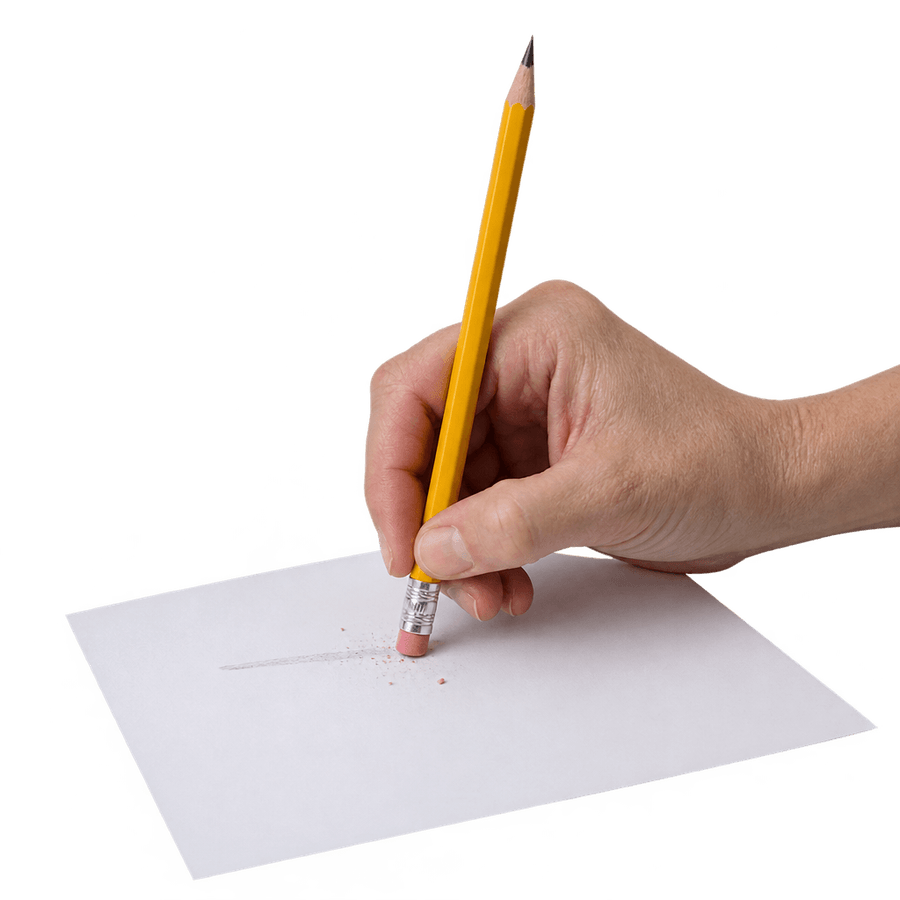 Try Again
 That's Wrong
A breathing tube, a stroke, surgery on the jaw or plain exhaustion can take speech away for days. The questions do not stop: are you in pain, do you need the toilet, are you cold. A board at the bedside lets the patient answer by pointing instead of a guessing game of nods.
Yes and No sit in the top corners with a thick green and red border, because they are the cells used most. The 14 cells between them cover what patients ask for most in a hospital bed, and the bottom row holds four phrases that fix a message that went wrong.
Every picture is a real photo of an adult, not a cartoon. Print it in color or black and white, slip it into a sheet protector so it can be wiped, and keep it where the patient can reach it and staff can see it.
Nothing left to prepare. Three finished sets, $4 each, and every page prints exactly as it is.
When to Use This Board
Use it for a patient who cannot talk for now (on a ventilator, after a stroke or surgery, very weak) or who talks with difficulty, and for the family and staff who need quick answers to everyday questions.
How to Customize This Board
- Change any cell to the patient's own needs, such as Glasses, Phone or Pillow.
- Add a photo of the patient's family member or carer in place of Family.
- Pick Black and White for a hospital printer; Yes and No stay easy to tell apart by their thicker border.
- Laminate it or use a sheet protector so it can be cleaned between uses.
Take this further with Beacon
Not sure which words a board needs? Beacon suggests a starting set for home, work or out in the community.
Frequently Asked Questions
- What should a hospital communication board include?
- Yes and No first, then the needs that come up all day: pain, water, toilet, medicine, the nurse, too cold, feeling sick and stop. A row of repair phrases such as Try Again and That's Wrong helps when a message is misread.
- How does a patient use it?
- They point to a cell with a finger, a hand or their eyes, or the helper points to each cell in turn and the patient nods or blinks at the right one. Ask one question at a time and wait.
- Is this the same as a patient whiteboard?
- No. A room whiteboard lists the care team and the plan for the day. This board is for the patient to talk with when speaking is hard, with a photo and a word on each cell.
- Can I print it in black and white?
- Yes. Switch Colors to Black and White before you print. Yes and No keep their thicker border, so they still stand out.
- Can I change the words or photos?
- Yes. Open it in the maker to change any word, swap a photo for one of your own, or move cells around before you print.
- Can I change the photos to look like me?
- Yes. Use the Figure toggle to show a male or a female, and use the Skin tone toggle to show the hands in a light or dark skin tone. The preview, the printable and the PDF all match. In the maker you can also swap any photo for one of your own.
Related Boards
Stroke Communication Board
Yes, no, pain, water and phrases that buy time: a photo board for life after a stroke.
Basic Needs and Pain Board
Toilet, water, food and where it hurts: the everyday needs on one photo board.
Feelings Board for Adults
Happy, sad, worried, overwhelmed: adult feelings to point to when words are hard.