Stroke Communication Board
A photo board for an adult who lost words after a stroke: yes, no, pain, water, medicine, call someone. Point to answer. Print it free or change any cell.
- 20 cells
- Free printable PDF
- Editable in browser
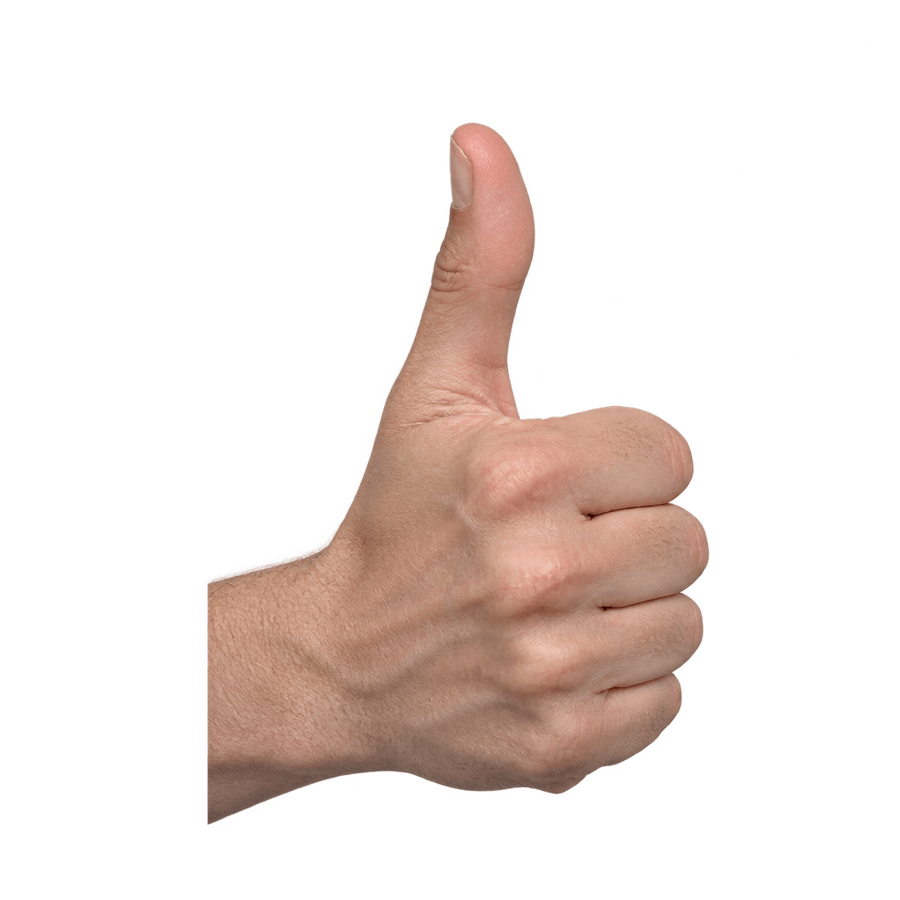 Yes
Yes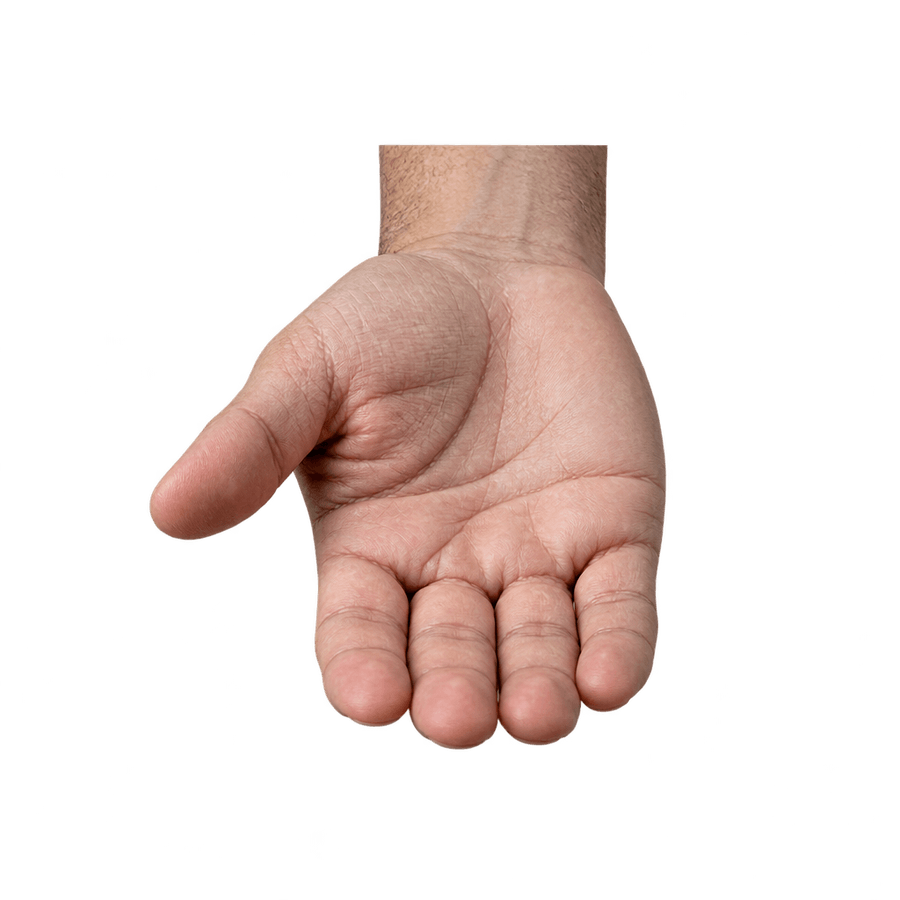 More
More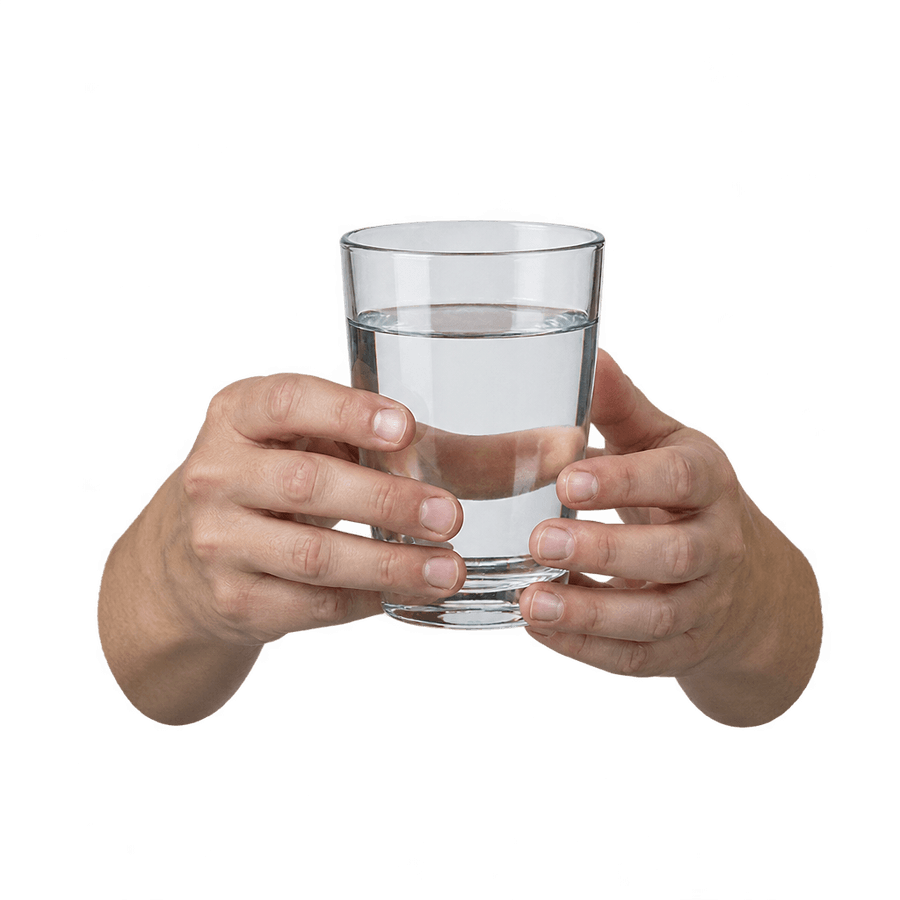 Water
Water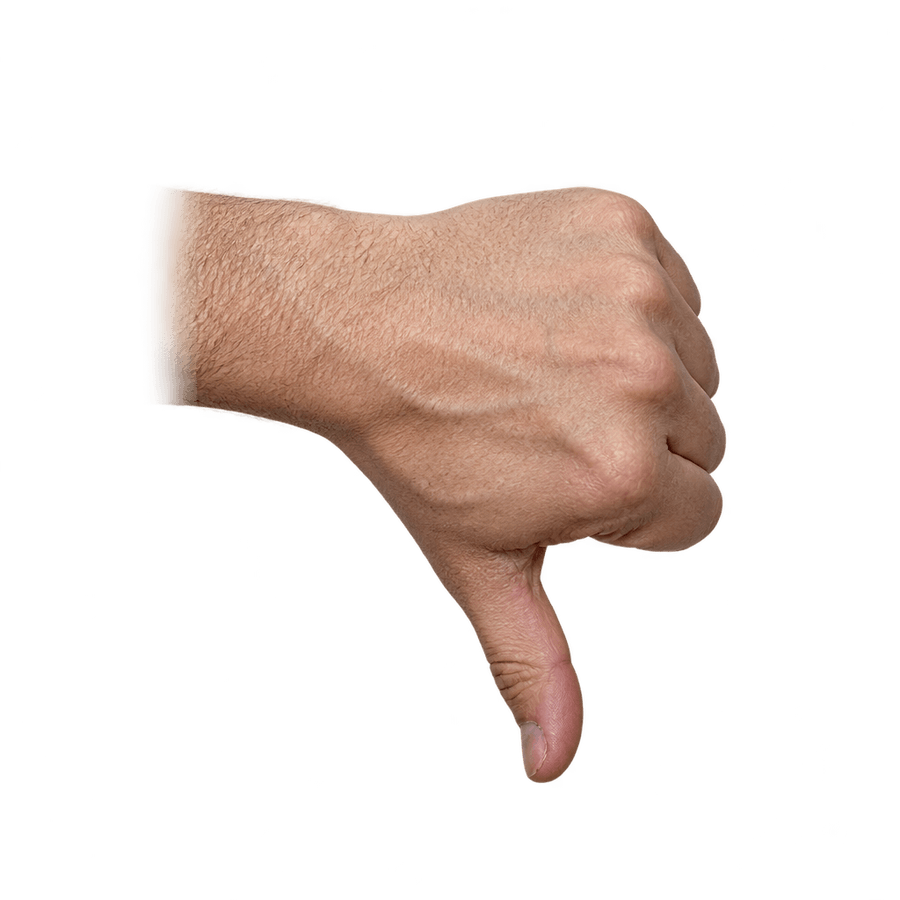 No
No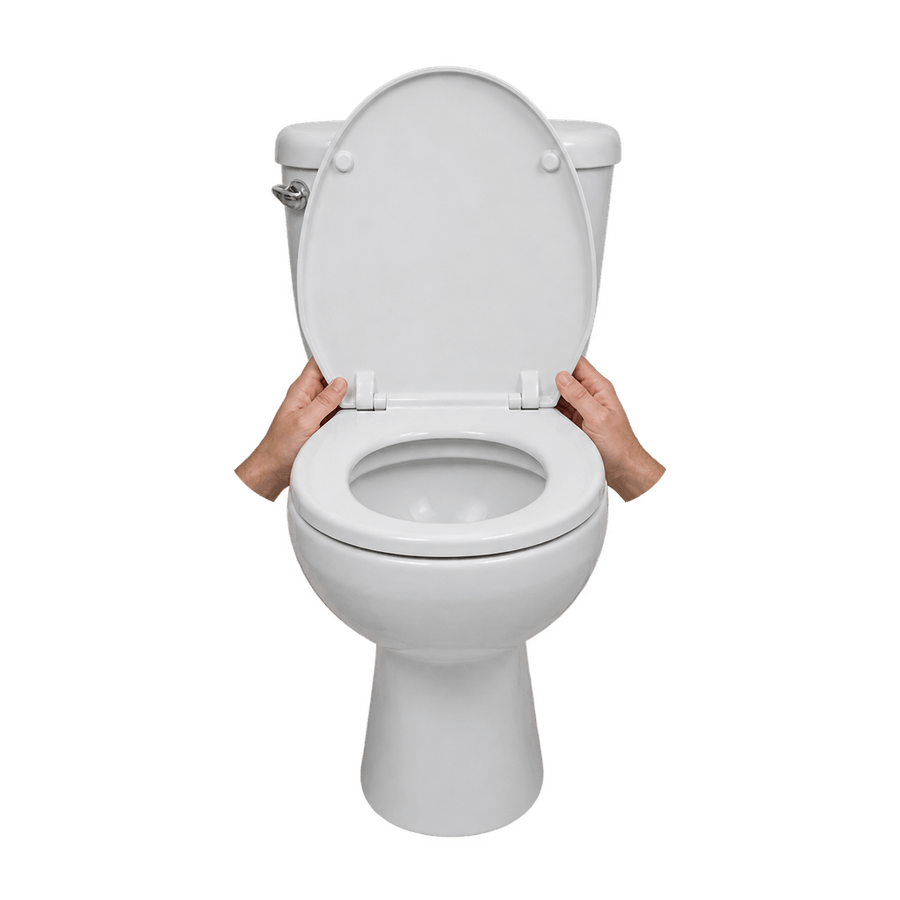 Toilet
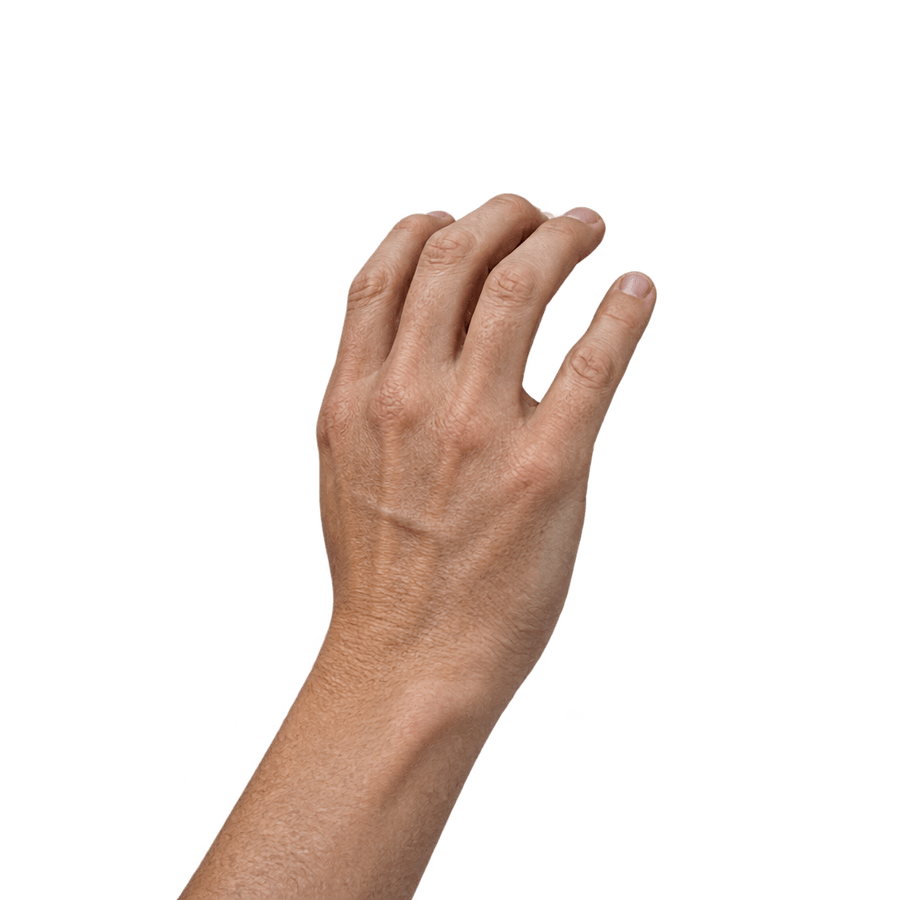 Pain
Pain Medicine
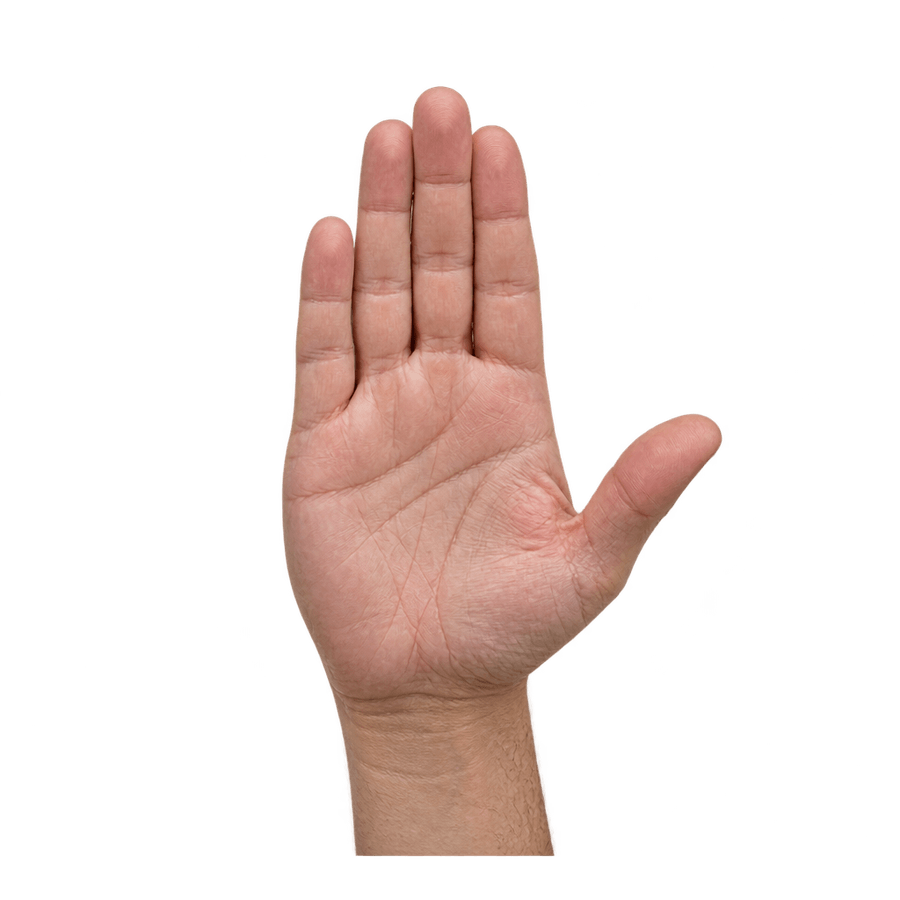 Stop
Stop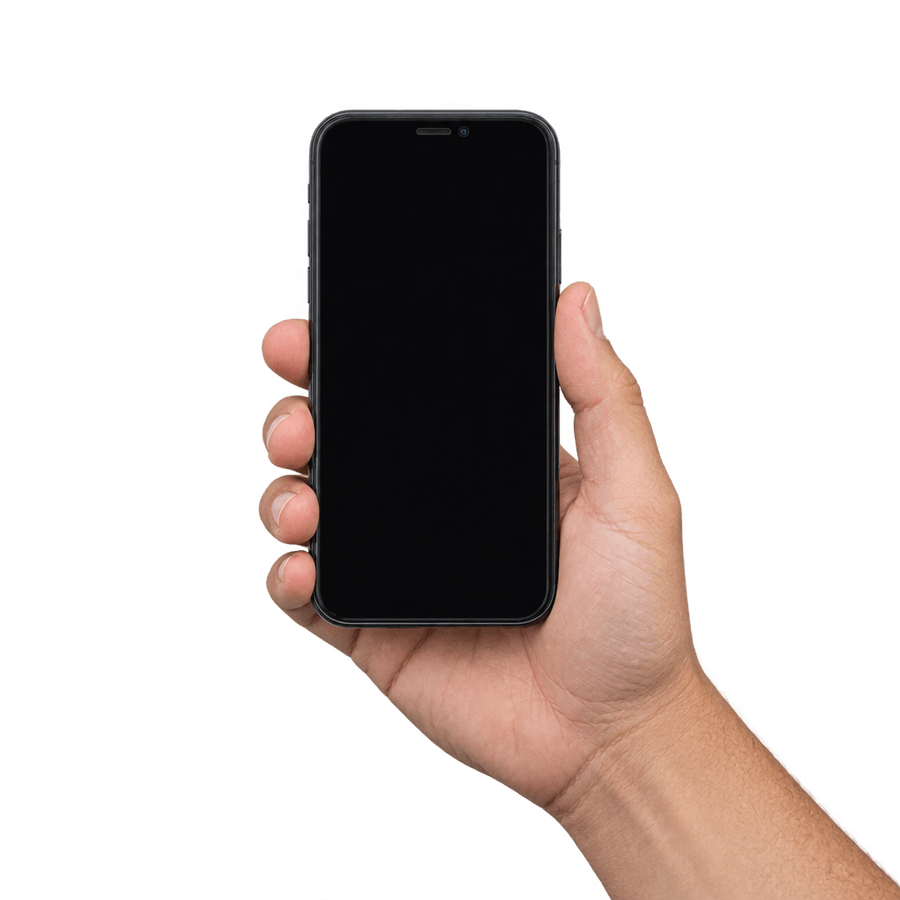 Call Someone
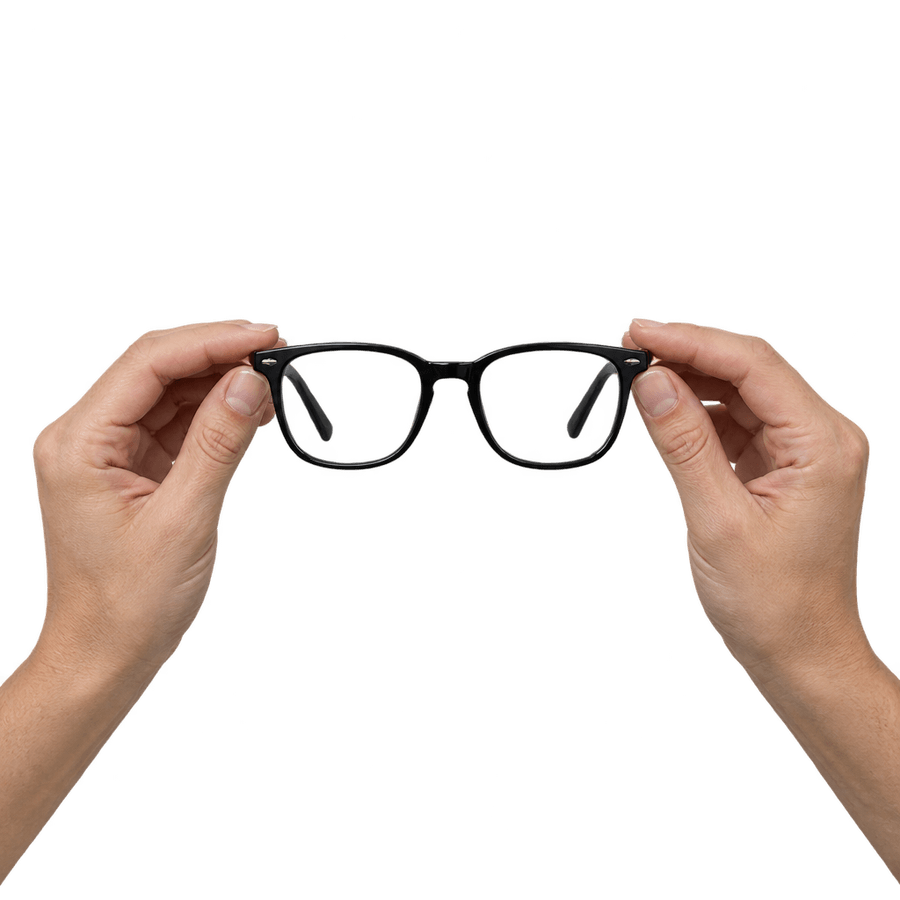 My Glasses
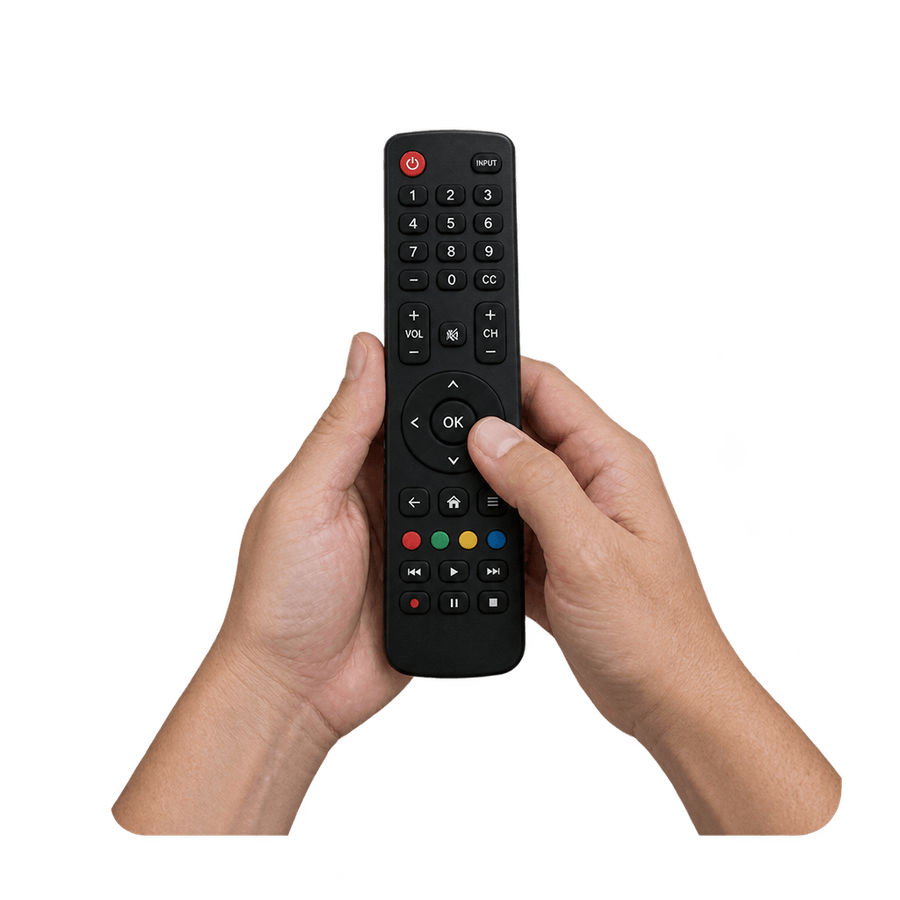 TV
TV Rest
Rest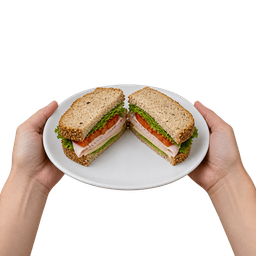 Hungry
 Tissues
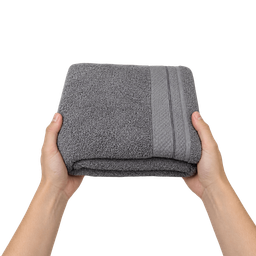 Wash
Wash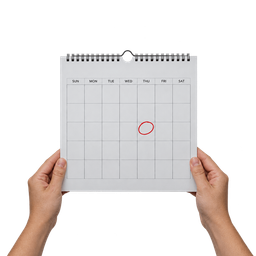 What Day Is It
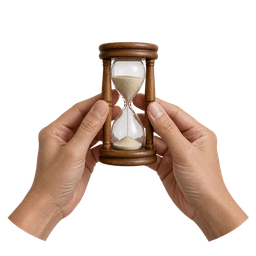 Give Me Time
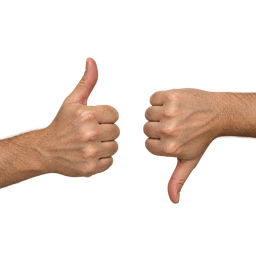 Ask Me Yes or No
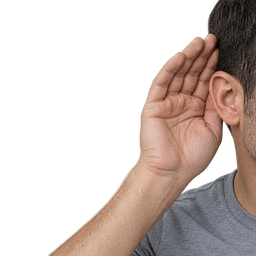 Say It Again
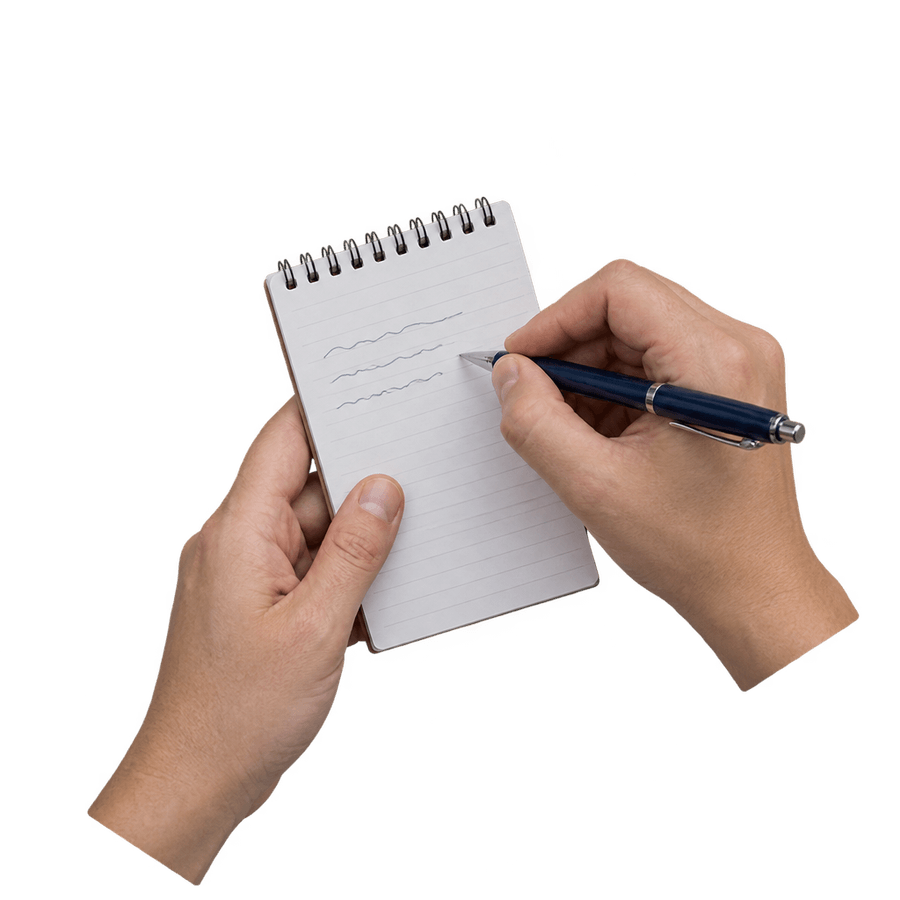 Write It Down
After a stroke, many people know exactly what they want to say and cannot find the word, or the wrong word comes out. That is aphasia, and it is tiring for everyone. A board with photos gives the person a way to answer without hunting for speech.
Yes and No sit in the top corners with a thick green and red border. The 14 cells between them hold everyday needs, from water and medicine to glasses, the TV and what day it is.
The bottom row is for the conversation itself: Give Me Time, Ask Me Yes or No, Say It Again and Write It Down. They tell the listener how to help, which is often what a person with aphasia most wants to say.
Nothing left to prepare. Three finished sets, $4 each, and every page prints exactly as it is.
When to Use This Board
Use it in the hospital or rehab unit after a stroke, at home in the early months, or any time speech is slow or unreliable, alongside the speech therapy plan.
How to Customize This Board
- Swap cells for the person's own life: a pet, a favorite show, a family member's name.
- If one side of the body is weaker, put the cells used most on the side the stronger hand reaches.
- Pick a bigger cell size in the maker if reading or pointing is hard.
- Ask the speech therapist which words to add as recovery goes on.
Take this further with Beacon
Not sure which words a board needs? Beacon suggests a starting set for home, work or out in the community.
Frequently Asked Questions
- Do communication boards help with aphasia?
- Many people with aphasia find pointing easier than finding a word, especially early on. A board does not replace speech therapy; it gives a way to get needs across while speech comes back.
- What words go on a stroke communication board?
- Yes and No, the daily needs (water, toilet, pain, medicine, rest), a few personal items such as glasses and phone, and phrases that help the listener: give me time, say it again, write it down.
- How do I use it with someone who has had a stroke?
- Sit where they can see you and the board. Ask one question at a time, give them time to point and check the answer back. If pointing is hard, point to each cell yourself and watch for a nod.
- Can I make the cells bigger?
- Yes. Open it in the maker and pick a size with fewer, larger cells, then print.
- Can I change the photos to look like me?
- Yes. Use the Figure toggle to show a male or a female, and use the Skin tone toggle to show the hands in a light or dark skin tone. The preview, the printable and the PDF all match. In the maker you can also swap any photo for one of your own.
Related Boards
Hospital Communication Board
Yes, no, pain, water, the nurse: a photo board for a patient who cannot speak.
Basic Needs and Pain Board
Toilet, water, food and where it hurts: the everyday needs on one photo board.
Feelings Board for Adults
Happy, sad, worried, overwhelmed: adult feelings to point to when words are hard.