
Best Tactile and Messy-Play Sensory Toys for Autistic Kids (Kinetic Sand, Putty, Slime, and More)
The tactile and messy-play products that give a touch-seeking autistic child the hands-in input they crave: therapy putty, kinetic sand, never-dry dough, premade slime, stretchy thinking putty, and the tools that keep it contained, plus the safety rules that matter.
Key Takeaways
- A tactile seeker is the child whose hands are always in something: digging in dirt, running fingers through rice, squishing, smearing, touching every texture they pass. That drive is a real sensory need, not misbehavior, and the fix is to give the input on purpose with the right materials, because a met need stops leaking out as the behaviors that get a kid in trouble.
- Match the texture to the child rather than buying one of everything. Resistive putty for the kid who squeezes hard, flowing kinetic sand for the one who craves hands-in-sand, soft never-dry dough for classic molding, gooey slime for stretch and pull, and bouncy thinking putty for a quiet fidget. Most kids have a clear favorite once you watch them.
- Therapy putty is the one to start with because it does two jobs at once. It gives deep tactile and resistance input that calms, and it strengthens the small hand muscles autistic kids often need for handwriting and self-care, which is why occupational therapists reach for it first and why it can be written into an IEP or 504 as a regulation tool.
- Contain the mess or the toy gets banned. A shallow tray or bin, a set of scoops and tongs, and a wipeable mat turn a dreaded mess into a self-contained activity you will actually allow again tomorrow. Containment is the difference between a tool that gets used and one that lives in a closet.
- Safety first, always. Supervise young children, keep small pieces away from anyone who still mouths objects, and skip water beads entirely for a child who puts things in their mouth, because a swallowed water bead expands inside the body and is a genuine medical emergency, not a small risk.
Some autistic kids can't keep their hands out of anything. They dig in the dirt, run their fingers through the rice bin, squish, smear, and touch every texture they walk past. That is a tactile seeker, and the drive behind it is a real sensory need, not a habit to break. When you do not give a seeker enough of the input they crave, it tends to leak out as the exact behaviors that get a kid in trouble: grabbing, smearing, mouthing, picking. Give it to them on purpose, with the right materials, and a lot of that quietly settles.
This is the part of the sensory world we hear the least about, because so much sensory advice is aimed at the child who is overwhelmed by touch. The seeker needs the opposite: hands-in, resistive, squishy, flowing input, and enough of it. Below are the messy-play materials worth owning, each one a different texture doing a different job, plus the tools that keep it all contained and the safety rules that actually matter.
Before You Buy Anything
- Figure out seeker or avoider first. A seeker craves messy input; an avoider hates it. These picks are built for the seeker. If your child pulls away from textures, go gently and start with the least messy options, or take the sensory profile quiz to be sure which pattern you are working with.
- Match the texture, do not buy one of everything. Watch what your child gravitates toward. A hard squeezer wants resistive putty; a sand-and-dirt kid wants kinetic sand; a molder wants soft dough; a stretcher wants slime. One or two right picks beat a shelf of ignored ones.
- Plan for containment on day one. A shallow tray, a wipeable mat, and a few scoops turn messy play from a dreaded cleanup into a self-contained activity. This is what keeps the tool in rotation instead of in a closet.
- Read the safety note below before water beads or small-parts kits, especially if your child still mouths things.
How We Chose
No lab and no invented star ratings. We sorted the tactile market against what actually helps a touch-seeking autistic child, using product specs, the way occupational therapists use these materials, and our own work with sensory-seeking kids. The rubric:
- Distinct texture. Each pick delivers a genuinely different kind of touch input, so the list covers the range rather than repeating one feel.
- Regulation value. Does the material give the deep, organizing input a seeker is actually chasing.
- A second job where possible. Bonus points for building hand strength or fine-motor skill while it plays.
- Mess you can manage. Contained, wipeable, or never-dry beats a material that ruins the carpet and gets banned.
- Safety for this audience. Non-toxic, and honest about mouthing and small-parts risks.
Here is which texture fits which kind of seeker.
Messy-Play Materials a Tactile Seeker Will Use
Best overall: Special Supplies Therapy Putty
The one to start with, because it works twice. Therapy putty comes in graded resistances from extra soft to firm, and the squeezing, pulling, and pinching deliver the deep tactile and resistance input that a seeker finds genuinely calming. At the same time it strengthens the small hand muscles behind handwriting, buttoning, and self-care, which is why occupational therapists reach for it first. It is quiet, it fits in a pocket or a desk, and a regulation tool like it can be written into an IEP or 504 plan so it goes to school too. Start soft and work firmer as your child's grip grows.

Special Supplies Therapy Putty (4 Resistance Strengths)
Best flowing texture: Kinetic Sand
For the child who runs their hands through rice, digs in the dirt, and seeks out anything that pours. Kinetic sand gives that exact hands-in, flowing input without the grit and scatter of real sand. It molds, crumbles, and streams through the fingers in a way that is deeply soothing for a tactile seeker, and a contained tray of it can hold a dysregulated kid's attention long enough for their body to settle. Keep it to a tray or bin, and supervise younger children, since it is still meant to stay out of mouths.

Kinetic Sand Moldable Sensory Play Sand (2.5 lb)
Best for molding: Mad Mattr Sensory Dough
The play dough upgrade, for the child who loves to shape and build. Regular play dough dries out, crumbles, and ends the fun with a frustration an autistic kid does not need, and Mad Mattr fixes exactly that: it is a soft, stretchy modeling dough that never dries out, holds its shape, and leaves almost nothing on the hands. It squishes, rolls, and molds endlessly, which suits the kid whose hands want a job with a result. For a child who is somewhere between seeker and avoider, its low-residue feel makes it one of the easier messy materials to say yes to.
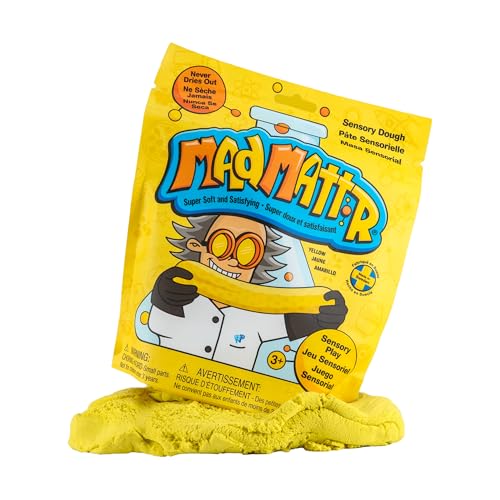
Mad Mattr Sensory Dough (10 oz)
Best gooey stretch: Elmer's Gue Premade Slime
For the kid who craves stretch, pull, and ooze. Slime delivers a wet, stretchy, drippy texture nothing else on this list matches, and this Elmer's tub comes premade, so there is no mixing, no activator, and no failed batch: you open it and it works. It is a brand-name, non-toxic formula in a large tub, which is the right call for a child who will happily stretch and squish the same handful for an hour. It is the messiest pick here, so it earns a tray and a rule about where it stays, but for a true goo-seeker nothing else will do.

Elmer's Gue Premade Sensory Slime (3 lb)
Best quiet fidget: Crazy Aaron's Thinking Putty
For hands that need a job while the brain does something else. Crazy Aaron's Thinking Putty stretches, bounces, tears, and molds, and unlike slime it never sticks to hands or dries out, so it lives in a pocket or a backpack and comes out clean. That makes it the pick most likely to be allowed in a classroom or a waiting room, a silent, contained way to give restless hands the input they need so the rest of the child can focus or wait. Where messy play is a home activity, this is the tactile tool that travels.

Crazy Aaron's Thinking Putty
Best for containing the mess: Learning Resources Helping Hands
Not a texture, but the thing that makes every texture above workable. This set of chunky scoops, tweezers, and tongs lets your child dig, pour, transfer, and sort their sand, dough, or dry bin without their bare hands ever having to spread it, which both contains the mess and, quietly, builds the fine-motor and hand-strength skills so many autistic kids are working on. Drop them into a shallow bin of sand, dry beans, or rice and you have turned a messy material into a calm, self-contained transfer activity. It is the accessory that keeps the whole list from getting banned.
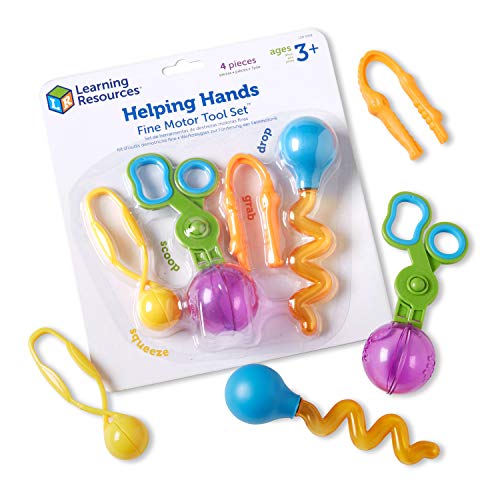
Learning Resources Helping Hands Fine Motor Tool Set
A Note on Water Beads, and Safety
You will see water beads on almost every sensory-play list, and we left them off this one on purpose. For a child who still mouths objects, a swallowed water bead absorbs fluid and swells inside the body, which is a documented medical emergency serious enough to be driving new safety legislation. Given how common mouthing is among autistic kids, we do not think they belong on a buy-this list for this audience. If you have an older child who reliably does not mouth things and you choose to use them, treat them like a supervised, count-them-in-and-out activity, never a free-play toy.
The same care applies to everything here in smaller doses. Supervise young children, keep small-parts tool sets away from anyone who mouths, choose non-toxic materials, and work on a wipeable surface. Messy play should be calming, not a hazard.
Give the Input on Purpose
A tactile seeker is not trying to make a mess. They are asking, in the only language they have, for input their nervous system genuinely needs, and the whole trick is to answer that request on your terms instead of waiting for it to come out sideways. Pick the one or two textures your child actually reaches for, keep it in a tray with the right tools, and make it a predictable part of the day, before homework to settle, or before bath so cleanup is already scheduled.
And you do not have to buy your way there. A bin of dry rice or beans, a tub of homemade dough, a tray of shaving cream on the table, all of it delivers real tactile input for almost nothing, and a set of scoops and tongs works just as well in a free bin of rice as in anything from a store. Where hands-in play fits into the bigger picture is alongside the movement and calm-down parts of a sensory diet, which the sensory room guide lays out, and the wider world of sensory and fidget tools for restless hands at school and home. Figure out what your child is seeking, give it to them on purpose, and watch how much calmer the hands, and the rest of them, become. If you are not sure what they are seeking, the sensory profile quiz is the place to start. And if your child seeks smell alongside touch, scented dough sits right at that overlap; the smell and olfactory sensory tools guide covers the two-channel scent play, with the essential-oil safety rules attached.
Products mentioned in this article
Special Supplies Therapy Putty (4 Resistance Strengths)
Kinetic Sand Moldable Sensory Play Sand (2.5 lb)
Mad Mattr Sensory Dough (10 oz)
Elmer's Gue Premade Sensory Slime (3 lb)
Crazy Aaron's Thinking Putty
Learning Resources Helping Hands Fine Motor Tool Set
Prices and availability are accurate as of the date/time shown and are subject to change. Any price and availability information displayed on Amazon at the time of purchase will apply to the purchase of this product.
Sensory overwhelm shows up differently in every child.
Beacon learns about YOUR child and gives guidance specific to them.
What would Beacon say?
"What sensory strategies actually work for my child?"
Beacon factors in your child's specific sensitivities (sound, light, texture, movement) and current regulation, then builds a sensory plan you can start tonight.

Spectrum Unlocked Editorial Team
Editorial Team
The Spectrum Unlocked editorial team combines lived experience as autism parents with research-backed guidance to create resources families can trust.
Frequently asked questions
- What does it mean if my autistic child is a tactile seeker?
- A tactile seeker actively craves touch input: they dig in sand and dirt, run their hands along walls, squish and smear things, and seem calmer with something in their hands. It is a sensory-processing pattern, not misbehavior, and the smartest response is to give that input on purpose with materials made for it, so the drive is satisfied in a way that works instead of coming out as grabbing, smearing, or mouthing. The opposite pattern, a child who hates messy hands and certain textures, is a tactile avoider and needs a different approach. Spectrum Unlocked's sensory profile quiz helps you tell which one your child is, and the sensory and fidget toy guide covers more options beyond messy play.
- Are these messy-play toys safe, and what about a child who mouths everything?
- For most kids these are safe with normal supervision, but mouthing changes the math. If your child still puts things in their mouth, stick to non-toxic doughs and putties in a supervised setting, keep any small-parts tool sets away from them, and skip water beads completely. A swallowed water bead absorbs fluid and swells inside the body, which is a documented medical emergency and the reason we do not include them as a pick on this list. When in doubt, choose the largest, simplest, one-piece material and stay within arm's reach.
- My child hates messy hands. Are any of these for us?
- Possibly, but go gently, because a child who hates messy hands is likely a tactile avoider rather than a seeker, and forcing a gooey slime on them backfires. Start with the least wet, most contained options: kinetic sand in a tray, or a never-dry dough they can shape without residue on their hands, and let them use a tool like a scoop so their skin never has to touch the material at first. Build up slowly and let them set the pace. Our guide to sensory issues walks through desensitizing a texture step by step, and if the aversion is strong and wide, an occupational therapist can help you build a plan.
- What is therapy putty and why do occupational therapists recommend it?
- Therapy putty is a firm, kneadable putty that comes in graded resistances from extra soft to firm. It does two things at once that make it a favorite in OT: the squeezing and pulling deliver deep, organizing tactile input that many autistic kids find genuinely calming, and the resistance strengthens the small muscles of the hand and fingers that support handwriting, buttoning, and other fine-motor tasks. Because it is quiet and contained, it is one of the easiest sensory tools to get approved for a classroom, and a fidget or regulation tool like it can be written into an IEP or 504 plan.
- How do I let my child do messy play without a huge mess?
- Contain it before you start. Work on a shallow tray or a large bin with sides, put a wipeable mat underneath, and keep the material to that zone so it never becomes a whole-room cleanup. A set of scoops, tongs, and tweezers lets your child dig, transfer, and sort without spreading things, and it quietly builds fine-motor skills at the same time. Set the rule that the material stays in the tray, do it before bath or before a meal so cleanup is already scheduled, and the activity becomes something you will happily allow again rather than dread.
- Can tactile and messy play actually help my child focus and calm down?
- Yes, for many kids it does both. Deep tactile input and the resistance of squeezing putty or dough act as heavy work for the hands, which is organizing for the nervous system and can take the edge off a building meltdown or settle a wired body before sleep or homework. A quiet fidget in the hands can also free up the brain to listen, which is exactly why fidget tools are allowed in so many classrooms. It is not a cure for dysregulation, but as one reliable input in a wider sensory diet, hands-in play earns its place. The sensory room guide shows how a tactile corner fits alongside the movement and calm-down zones.