How to Build a Sensory Room for an Autistic Child (Zone by Zone, on Any Budget)
A sensory room is not one expensive purchase, it is a few zones you build into a corner: a calm-down retreat, a movement zone, a light zone, and a sound zone. Here is what actually goes in each, the gear worth buying, and how to do the whole thing for around 100 dollars if that is where you are starting.
Key Takeaways
- A sensory room is not a single product or a spare bedroom. It is a set of zones, a calm retreat plus options for movement, light, and sound, that you can build into a corner, a closet, or a tent in the living room.
- Start with the calm-down zone, not the fun stuff. The whole point is a predictable place a child can go to regulate; the swings and lights come after that anchor exists.
- Match the gear to your child's sensory profile. A seeker who craves movement needs a swing and a crash pad; an avoider who is easily overwhelmed needs a blackout tent and dimmable light. Buying the wrong half is the most common and most expensive mistake.
- You do not need to spend a fortune. A genuinely useful calming corner comes together for around 100 dollars with a tent, a bubble lamp, a sound machine, and a fidget or two; the big-ticket swing and crash pad can wait.
- A sensory room supports regulation, it does not replace an occupational therapist. Let your OT tell you which inputs calm versus alert your specific child, and treat the room as where you practice what therapy recommends.
A quick, honest disclosure before anything else. Some of the product links on this page are affiliate links, which means Spectrum Unlocked may earn a small commission if you buy through them, at no extra cost to you. It never changes what we recommend or where a product lands on this list. We point you toward what fits the job. You can read more in Spectrum Unlocked's affiliate disclosure.
Search "sensory room" and you get Pinterest boards of converted bedrooms with padded walls and fiber-optic ceilings that cost more than a car. That image scares a lot of parents off before they start, which is a shame, because it has almost nothing to do with what actually helps a child.
A sensory room is not a room and it is not one expensive purchase. It is a set of zones, and you can build a genuinely useful version into a corner, a closet, or a pop-up tent in the living room. This guide breaks it down zone by zone, tells you what goes in each, and shows you how to assemble a real calming corner for around 100 dollars if that is where you are starting.
What a Sensory Room Actually Is
The purpose is regulation: giving your child controlled sensory input so an overwhelmed nervous system can settle, or an under-responsive one can wake up and organize. Everything in the space serves one of four jobs:
- Retreat and calm: a small, enclosed, dimmable place to escape too much input (a tent, a canopy, a weighted blanket).
- Movement (vestibular and proprioceptive): swinging, spinning, crashing, and jumping for the child who craves motion and deep pressure (a swing, a crash pad, a trampoline, a body sock).
- Light and visual focus: slow, predictable visual motion that pulls attention and calms (a bubble tube, a galaxy projector, liquid-motion tubes).
- Sound: masking a chaotic house with steady sound, and cutting sound when the world is too loud (a white noise machine, ear defenders).
You will not build all four equally. Which zones earn the space depends entirely on your child's sensory profile, and getting that match right is the whole game.
How We Chose
No lab and no padded-wall fantasy. We sorted the sensory-equipment market against what actually helps a child regulate at home, using product specs, safety and weight ratings, and the occupational-therapy logic of matching input to profile. The rubric:
- Serves a real sensory job. Each pick maps to retreat, movement, light, or sound, not to looking good in a photo.
- Works in a small space and a normal budget. Corner-and-closet friendly, with a clear cheap-to-start path before the big equipment.
- Safe as sold. Sensible weight limits, stable bases, and honest install requirements for anything a child hangs from or crashes into.
- Matched to a profile, not a stereotype. Options for the seeker who needs motion and the avoider who needs less, because the same room can overload one child and calm another.
- Distinct job per pick. No five swings. One strong option per zone, with the sibling guides for when you want the deeper comparison.
Zone 1: The Calm-Down Retreat (Start Here)
Build this zone first, before anything fun. The anchor of a sensory room is a predictable, enclosed place a child can go to escape input and settle, ideally before a meltdown rather than during one. A pop-up blackout tent does this in about ten seconds and folds away when you need the floor back. The blackout lining cuts visual overload, the enclosure gives the contained, hidden feeling many autistic kids seek, and because it is portable you can move the calm-down spot to wherever your child actually is. Spectrum Unlocked's sensory tents roundup sorts the calm-down dens by job, from blackout to light-up to extra-large, if you want to compare options.

Pop-Up Blackout Sensory Tent for Kids (Extra Big 47x47in)
Inside it, deep pressure is what turns a hiding spot into a regulating one. A weighted blanket is the classic tool here, and it is worth getting the weight right rather than guessing; the weighted blankets guide covers how to size one safely by body weight. For a younger child, or one who wants something to hug rather than lie under, a weighted stuffed animal delivers the same calming pressure in a form they can hold. Add a couple of floor cushions and one slow visual item (the liquid-motion tubes below are perfect), and the retreat zone is done. This zone alone, a tent plus a blanket plus something calm to look at, resolves more hard moments than any amount of expensive movement equipment. It exists because dysregulation is not misbehavior, and a child heading off a meltdown before it becomes one needs somewhere reliable to go.
Zone 2: The Movement Zone (For the Seeker)
If your child crashes into the couch, spins until dizzy, jumps off everything, and seems to run on motion, this is the zone that changes their day. Vestibular and proprioceptive input, swinging and deep pressure, is deeply organizing for sensory seekers, and delivering it on purpose means less of it aimed at the furniture.
A sensory swing is the centerpiece. It provides the rhythmic vestibular input that regulates so many kids, and the enclosed styles double as a retreat. Hang it only from a solid joist or a rated frame, never drywall, and mind the weight limit; the sensory swings and movement guide walks through the different swing types, and the swing frames and stands roundup covers the stands, doorway bars, and ceiling mounts that hold it up safely.

Harkla Sensory Swing for Kids (Holds 300 lbs)
For the crash-and-jump drive, two pieces do the heavy lifting. A crash pad gives a safe, legal place to throw a body into deep pressure, and a body sock turns whole-body resistance into calming proprioceptive input that kids will use for surprisingly long stretches. If the crash pad is the piece you are still deciding on, the crash pad comparison works through sizes, foam types, and the cheaper cover-and-stuff route.
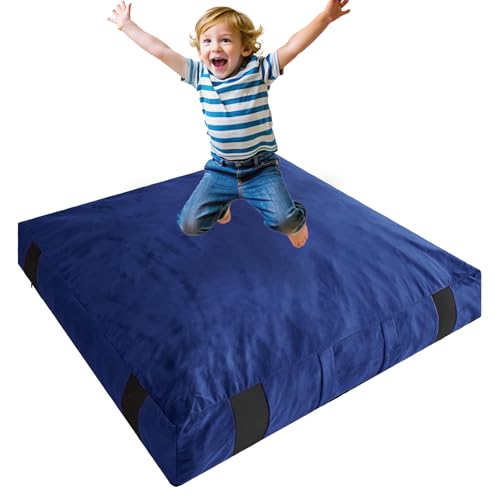
JOYWOO Sensory Crash Pad for Kids, 4 x 4 ft

SANHO Sensory Body Sock (Medium, Ages 6-9)
A mini trampoline rounds the zone out for the child who needs to bounce, and it burns the kind of energy that otherwise ends up bouncing off the walls. The indoor trampolines roundup sorts the bouncing options by job, the sensory spinning chairs guide covers the rotational lane and the weight limits that decide it, and the swings guide above covers hanging options if you want to go deeper.
Zone 3: The Light and Visual Zone
Slow, predictable visual motion is calming in a way fast flashing lights are not. This zone is the signature of a sensory room, and it does real work: a child watching bubbles rise or stars drift is a child whose attention is anchored and whose arousal is coming down.
A bubble tube is the classic centerpiece. The steady rise of bubbles and the slow color change give the eyes something rhythmic to lock onto, and the soft light makes the whole corner feel like a different, calmer place.

CALOVER 4FT Sensory Bubble Tube Floor Lamp (Color-Changing)
A galaxy projector does the same job on the ceiling, and it is the single best value in the whole room. It turns any dim space into a drifting night sky, works beautifully at bedtime for kids who struggle to wind down, and costs a fraction of the wall-mounted gear.

Astronaut Galaxy Star Projector Night Light (Nebula + Remote)
For a few dollars, liquid-motion tubes give the same slow-visual calm in something a child can hold, which makes them the perfect item to keep inside the retreat tent or a school bag.

Liquid Motion Bubbler Fidget Tubes (Calming Visual Set)
Zone 4: The Sound Zone
Sound is two problems at once, and a sensory room handles both. For the child overwhelmed by an unpredictable house, a white noise machine masks the door slams and sibling noise with steady, non-looping sound that the brain can tune out. It is one of the cheapest and most effective additions to the whole room.

Magicteam White Noise Sound Machine (20 Non-Looping Sounds)
For the moments the world is simply too loud, the answer is to cut sound, not mask it. A good pair of ear defenders travels with your child out of the room and into the grocery store and the assembly hall; the ear defenders and headphones guide covers sizing and the low-profile options older kids will actually wear.
Zone 5: The Tactile and Fidget Corner
The smallest zone and the easiest to overspend on. A wobble cushion turns any chair or spot on the floor into active seating, feeding the low-level movement input that helps a fidgety child stay settled and focused.

Trideer Wobble Cushion / Wiggle Seat
Beyond that, a small, rotated basket of fidgets beats a giant bin nobody digs through. The sensory and fidget toys guide covers the ones that actually get used, sorted by whether your child seeks pressure, motion, or oral input, and for a child who is always digging their hands into something, the tactile and messy-play guide covers the putty, sand, and dough that feed a touch-seeker. The sensory-friendly activities round-up has screen-free ideas for when the room is set up and you need something to do in it.
Build It on a Budget: The 100-Dollar Calming Corner
You do not need the whole lineup to start, and starting small is smarter anyway, because you learn what your child actually uses before you spend on the big equipment. A genuinely useful calming corner comes together for around 100 dollars:
- A pop-up blackout tent for the retreat anchor.
- A bubble tube or a galaxy projector for the calming visual.
- A white noise machine for the sound zone.
- Liquid-motion tubes and one fidget to keep inside the tent.
That covers three of the four zones and gives your child a real place to regulate. The higher-ticket movement gear, the swing and the crash pad, is where the money goes next, once you have seen the corner get used and you know movement is what your child reaches for. For the cheap, everyday end of movement, a wobble cushion gives a child seated movement at a desk or table without needing floor space at all.
A Word on Safety and How to Actually Use It
Two things keep a sensory room helpful rather than hazardous. First, install anything a child hangs from or crashes into properly: solid joists or rated frames for swings, a clear radius and a mat underneath, stated weight limits respected, and supervision for young children. Second, remember what the room is for. It supports regulation, it does not replace therapy.
The person who should tell you which inputs calm versus alert your specific child is an occupational therapist, because the same swing that organizes one child overwhelms another. A sensory room is where you practice what an OT recommends, and pairing it with a consistent sensory diet throughout the day is what turns a nice corner into a genuinely regulating routine.
The Bottom Line
Forget the padded-wall photos. A sensory room is a calm-down retreat plus a few options for movement, light, and sound, matched to your child's sensory profile and built into whatever space you have. Start with the retreat zone, add the cheap light and sound pieces, watch what your child reaches for, and only then invest in the big movement equipment. Done that way, a corner and a hundred dollars gives an overwhelmed child something priceless: a reliable place, that is theirs, to put themselves back together.
For the deep-pressure side of that retreat, the calming input most sensory-seeking kids reach for, our guide to compression and deep-pressure products covers the body socks, cuddle swings, and crawl tunnels that turn a corner into a genuine calm-down space. And for the light and color that anchor so many sensory corners, the visual and light sensory toys guide covers the bubble tubes, fiber-optic lamps, and projectors, plus glare relief for a light-averse child. Scent is the easy-to-forget layer: the smell and olfactory sensory tools guide covers the scent play and diffusers that round out a calming space, with the essential-oil safety rules attached.
For the movement zone, the peanut balls guide sizes a therapy ball to your child, and a busy board gives the hands a fine-motor station to work at. The calm zone leans on soft light, which a star or galaxy projector supplies at bedtime, and a body sock delivers the stretchy deep-pressure input many kids reach for when they need to settle.
Some links on this page are affiliate links. If you buy through them, we may earn a small commission at no extra cost to you.
Products mentioned in this article
Pop-Up Blackout Sensory Tent for Kids (Extra Big 47x47in)
Harkla Sensory Swing for Kids (Holds 300 lbs)
JOYWOO Sensory Crash Pad for Kids, 4 x 4 ft
SANHO Sensory Body Sock (Medium, Ages 6-9)
CALOVER 4FT Sensory Bubble Tube Floor Lamp (Color-Changing)
Astronaut Galaxy Star Projector Night Light (Nebula + Remote)
Liquid Motion Bubbler Fidget Tubes (Calming Visual Set)
Magicteam White Noise Sound Machine (20 Non-Looping Sounds)
Trideer Wobble Cushion / Wiggle Seat
Prices and availability are accurate as of the date/time shown and are subject to change. Any price and availability information displayed on Amazon at the time of purchase will apply to the purchase of this product.
Sensory overwhelm shows up differently in every child.
Beacon learns about YOUR child and gives guidance specific to them.
What would Beacon say?
"What sensory strategies actually work for my child?"
Beacon factors in your child's specific sensitivities (sound, light, texture, movement) and current regulation, then builds a sensory plan you can start tonight.

Spectrum Unlocked Editorial Team
Editorial Team
The Spectrum Unlocked editorial team combines lived experience as autism parents with research-backed guidance to create resources families can trust.
Frequently asked questions
- What is a sensory room and does my child need a whole room?
- A sensory room is a space set up to give a child controlled sensory input, either calming input to settle an overwhelmed nervous system or alerting input to help an under-responsive child feel more awake and organized. You do not need a dedicated room. Most families build it into a corner, a large closet, or a pop-up tent, because what matters is that the space is predictable and always available, not that it is big. The goal is a reliable place your child can go to regulate, on purpose, before or instead of a meltdown.
- How do I build a sensory room on a budget?
- Start with the calm-down zone and one item per sense, then add the big equipment later. A workable calming corner comes together for around 100 dollars: a pop-up blackout tent for retreat, a bubble tube or a color-changing night light for calming visuals, a white noise machine for sound, and a fidget or a liquid-motion timer. That covers retreat, light, and sound. The higher-ticket movement gear, a sensory swing and a crash pad, is worth adding when the budget allows, but it is not where you should start. Buy the anchor first, expand by zone as you learn what your child actually uses.
- What should go in a sensory room for an autistic child?
- Organize it by zone rather than by shopping list. A retreat zone (a tent or canopy, a weighted blanket, floor cushions) for calming down; a movement zone (a sensory swing, a crash pad, a mini trampoline, a body sock) for the vestibular and proprioceptive input many kids crave; a light zone (a bubble tube, a galaxy projector, liquid-motion tubes) for calming visual focus; and a sound zone (a white noise machine, plus ear defenders for when the world is too loud). Add a tactile and fidget corner with a wobble cushion and fidget toys. You will not use every zone equally, your child's sensory profile decides which ones earn the space.
- How do I know if my child is a sensory seeker or a sensory avoider?
- Watch what they move toward and away from. A seeker crashes into couch cushions, spins, jumps, chews, and seems to need constant movement; they benefit from swings, crash pads, trampolines, and body socks that deliver deep pressure and motion. An avoider covers their ears, hates tags and messy hands, and shuts down in bright or loud places; they benefit from a blackout tent, dimmable light, and sound control. Many kids are mixed, seeking some inputs and avoiding others, which is exactly why the zone approach works better than a one-size kit. An occupational therapist can map this precisely with a sensory profile.
- Are sensory rooms actually backed by evidence?
- The honest answer is that the research is promising but still limited. Controlled sensory input is a core tool in occupational therapy, and many families and schools report that a predictable calming space reduces the frequency and intensity of meltdowns. What the evidence does not support is treating a sensory room as a cure or a standalone therapy. Think of it as an environment that makes regulation easier and gives a child a place to practice the strategies an OT is teaching, not as a treatment in itself. Let your therapist guide which specific inputs help your child, since the same swing that calms one child overloads another.
- Is a sensory swing safe to hang at home?
- It can be, but installation is where the risk lives, not the swing itself. Hang it only from a solid ceiling joist or a rated doorway or freestanding frame, using the hardware the manufacturer specifies, never from drywall alone, and follow the stated weight limit. Keep a clear crash-free radius around it, use a mat underneath, and supervise young children. If you are unsure about your ceiling, a freestanding stand or a doorway bar removes the guesswork. The full swings guide linked below walks through mounting options in more detail.