Best Smell and Olfactory Sensory Tools for Autistic Kids (Scent for Seekers, Relief for Avoiders)
The olfactory tools that help autistic kids on both sides of the smell sense: a diffuser bracelet and necklace, Montessori smelling bottles, scented dough, markers, and stickers for seekers, plus a nasal scent-shield for avoiders, with the essential-oil safety rules parents need first.
Key Takeaways
- Smell is the eighth sense and it splits autistic kids into two camps, exactly like the others. A smell seeker sniffs everything, seeks out strong scents, and is soothed or alerted by them; a smell avoider gags, covers their nose, or melts down at odors most people barely notice, from cafeteria food to cleaning products to someone's perfume. The tool you want depends entirely on which your child is.
- This is the one sensory domain where the tool itself can carry real risk, because several of these picks involve essential oils. Essential oils are not safe for babies, need care around children with asthma or epilepsy, must never be used undiluted on skin, and are poisonous if swallowed. Treat the safety section below as required reading, keep scents light and child-chosen, and check with your pediatrician before starting.
- For a smell avoider, the standout tool is a personal scent-shield. A small, preferred scent held near the nose lets a child override an unpredictable or offensive smell in the environment with one they chose and control, which can rescue a bathroom, a cafeteria, or a car ride that would otherwise be unbearable.
- For a smell seeker, safe scent outlets redirect the sniffing to something appropriate and can gently widen tolerance. Smelling bottles, scented dough, markers, and stickers give a child rich scent input on purpose instead of leaving them to sniff things that are not safe, and pairing scent with touch or drawing makes it a two-channel sensory activity.
- Wearable diffusers come in two forms with different safety profiles. A slap-band bracelet is the safe default for younger kids; a diffuser necklace suits older children and teens but is a strangulation and choking risk for little ones, so save it for an older child. With either, put the oil on the bead or pad rather than the skin, and never let a child chew or suck on it.
Smell is the sense nobody talks about, and for autistic kids it can drive a surprising amount of the day. One child sniffs everything, seeks out strong scents, and calms right down with the right smell nearby. Another gags in the cafeteria, refuses a bathroom over the soap, and falls apart near a stranger's perfume or a cleaning product, and no one around them even notices the trigger. Both are real olfactory profiles, and both have tools that help, one side by adding scent, the other by taking it away.
Smell is also a sensory domain where a tool can carry real risk, because some of these picks use essential oils. So before any product, one section you should not skip.
Read This First: Essential-Oil Safety
Several tools below use essential oils, and oils are potent enough to need real caution with children. This is not a formality.
- Not for babies, and cautious for young children. Certain oils, including eucalyptus, peppermint, rosemary, and camphor, can cause breathing problems in young kids and are best avoided under school age. Skip oils entirely for infants.
- Asthma and seizures change the rules. Diffused oils can trigger asthma, and some oils may lower the seizure threshold, so keep them away from a child with epilepsy unless a doctor approves.
- Never undiluted on skin, never near the mouth or eyes. Oils must be diluted in a carrier oil for any skin contact, and they are poisonous if swallowed, so keep bottles well out of reach.
- Light, ventilated, and child-chosen. Use small amounts, air out the room, introduce one scent at a time, and let your child choose what they like.
- When in doubt, ask your pediatrician, especially if your child has asthma, epilepsy, allergies, or is very young. And know that four of the picks here use no oils at all.
Profile Before Product
- Name the profile first. A seeker sniffs and craves scent; an avoider gags and needs less. Most of these picks feed a seeker, and the scent-shield protects an avoider.
- Prefer the no-oil options if you are unsure. Smelling bottles, scented dough, markers, and stickers give rich scent input with none of the essential-oil risk. Start there.
- Match the wearable to age. Slap-band bracelet for littles, diffuser necklace only for older kids, and always oil on the bead or pad, not skin.
- Watch for tasting, not just smelling. A child who tries to eat things they are drawn to by smell may be showing pica; raise it with your doctor.
Checking Scent Tools for Safety and Strength
No lab tested any of these, and none is rated. The tools were assessed on how they are built, how occupational therapists use scent with kids, and, ahead of everything else, pediatric guidance on essential oils. The list rests on five things:
- One side of the smell line. Each pick either gives a seeker safe scent input or shields an avoider from bad smells.
- Oil-free, or oil with rules. The bottles, dough, markers, and stickers carry little risk on their own; the oil-based tools made the list only with the safety section attached.
- A wearable matched to age. The slap band and the necklace carry different risks, so each is flagged for little kids or for older ones.
- Scent strong enough to register. A smell a child can barely pick up does nothing for a seeker.
- Built for daily handling. Simple and durable beats clever and fragile.
Smell Kits and Scent Tools for Autistic Seekers and Avoiders
Best wearable for younger kids: Diffuser Slap Bracelet
The safe, kid-friendly way to carry a scent. A slap-band diffuser bracelet is a soft silicone wristband a child snaps on, with a pad you add a drop of a chosen oil to, so a preferred scent travels with them for the day. For a seeker it is scent on demand for regulation; for an avoider it is a familiar smell right there to counter an unpredictable one, and it looks like an ordinary bracelet rather than anything medical. A three-pack means one to wear and spares to lose, and the slap-band form has no clasp or chain, which makes it the safe default for little ones. Put the oil on the pad, not the skin, and keep it out of the mouth.
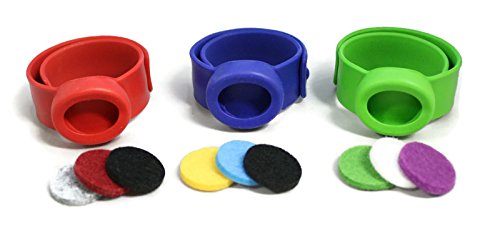
Kids Essential-Oil Diffuser Slap Bracelets (3-Pack)
Best wearable for older kids and teens: Lava-Stone Diffuser Necklace
The grown-up version of the same idea, for a child old enough to wear a necklace safely. A lava-stone pendant is porous rock that holds a drop of oil and releases it slowly for hours, so an older kid or teen gets an all-day, self-chosen scent in a piece of jewelry no one reads as a sensory tool. It suits a student who wants discreet regulation through the school day. The caveat: a necklace is a strangulation and choking risk for young children, so this is strictly for older kids, not littles, who should use the bracelet instead. As always, oil on the stone, never on skin, and never in the mouth.

Lava-Stone Diffuser Necklace
Best smell kit for exploring scent: Montessori Smelling Bottles
A no-oil, low-risk way to give a seeker rich scent input and build discrimination. Montessori smelling bottles come as matched pairs a child sniffs and sorts, which turns smelling into a calm, focused activity rather than random sniffing of whatever is around, and it gently develops their ability to notice and name scents. For a cautious child, it is also a gentle way to explore smells at their own pace and, over time, widen tolerance. Because there are no essential oils involved, it carries none of the safety concerns above, which makes it a great first purchase while you decide whether any oil-based tool is right for your family.

Adena Montessori Smelling Bottles
Best two-in-one sensory play: Scented Dough Set
Scent and touch in the same activity, with no oil risk. Scented dough gives a seeker a rich smell paired with the tactile, squishy input of dough, which makes it a two-channel sensory experience and a favorite for a reason. It also becomes a gentle desensitizing tool for a more cautious child, since the smell arrives alongside enjoyable hands-on play rather than out of nowhere. It doubles as calming fidget material for many kids. Like the smelling bottles, the scent is built in and food-safe rather than from essential oils, so it is a low-worry way to bring smell into play. The tactile and messy-play guide covers the wider world of dough and putty it belongs to.

Scentos Scented Dough Set
Best everyday scent: Mr. Sketch Scented Markers
Scent built into something a child already does. Classic scented markers pair a distinct smell with each color, so a seeker gets satisfying scent input as a natural part of drawing and coloring, no special routine required. They are cheap, familiar, and easy to keep at a desk or in a bag, which makes them one of the simplest ways to give a child regular scent throughout an ordinary day. There is a mild caution to supervise a child who might try to taste them, but for most kids they are a low-key, no-oil, everyday scent tool that hides in plain sight among the art supplies.
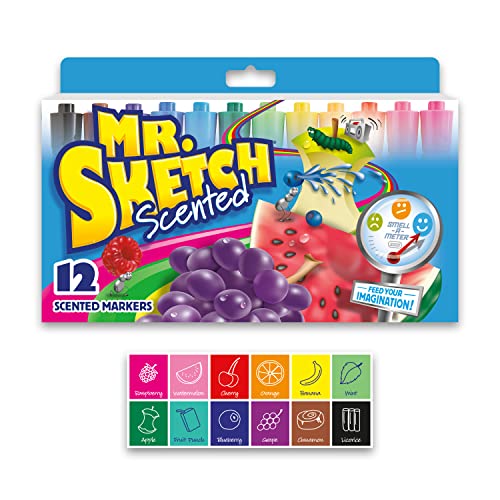
Mr. Sketch Scented Markers (12-Count)
Best low-commitment scent: Scratch-and-Sniff Stickers
Quick, cheap scent hits and a built-in reward. Scratch-and-sniff stickers give a burst of smell on demand with a scratch of a finger, which makes them a low-stakes way to offer scent input, a motivating reward, and a gentle introduction to new smells for a cautious child, all at once. A big multi-scent pack lets a child discover which smells they love and which they do not, at their own pace and with zero risk. They are the easiest possible entry point into scent play, work anywhere, and pair naturally with a sticker chart or a calm-down kit. No oils, no worries, just a scratch away.

Scratch-and-Sniff Sticker Set
Best for a smell avoider: Nasal Scent-Shield
The one pick that gives less, not more, and the answer for a child overwhelmed by smells. A personal nasal scent-shield is a small wearable diffuser that holds a scent your child likes close to the nose, so an offensive or unpredictable odor, a bathroom, a cafeteria, a store, a car, is overridden by one they chose and control. For a child who gags, covers their nose, or melts down at smells, this can be the difference between enduring a place and needing to flee it. Let your child pick the scent, keep it light, and, since this is an oil-based tool, apply the same essential-oil safety rules from the top of this page.
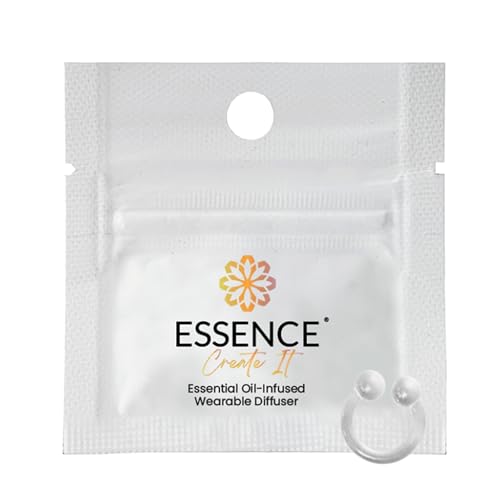
Essence Wearable Nasal Scent-Shield
Best ambient scent: Airome Kids' Aromatherapy Diffuser
For a calming scent in a room, used carefully. A kids' aromatherapy diffuser disperses a light scent into the air along with a soft night light, which can make a calm-down space or bedroom feel soothing for a child who is regulated by smell. This is the most powerful of the oil-based picks and therefore the one that most needs the safety section above: use small amounts of a child-appropriate oil, ventilate the room, keep it well out of reach, and clear it with your doctor first if your child has asthma, epilepsy, or is young. Used with those rules, it can anchor a soothing environment; used carelessly, it is the pick most likely to cause a problem, so treat it with respect.

Airome Kids' Aromatherapy Diffuser
Add Scent for Seekers, Remove It for Avoiders, Safely
Choosing a smell tool comes down to reading your child and respecting the risk. A seeker needs safe, generous scent input, so give it through bottles, dough, markers, stickers, or a wearable diffuser, and redirect the sniffing to something appropriate. An avoider needs the bad smells turned down, so reach for a scent-shield and a fragrance-free environment. And because several of these tools use essential oils, the safety rules are not optional: light amounts, child-chosen scents, nothing undiluted on skin, nothing near the mouth, and a word with your pediatrician if there is any asthma, epilepsy, or a very young child in the picture. When in doubt, the no-oil picks give you all the scent play with none of the worry.
Smell sits inside your child's whole sensory world, and it works best handled alongside the rest. If scent is heading into a dedicated calm space, our guide to building a sensory room covers the setup, and if the sniffing is one of several stims, the stimming guide frames why it happens and when to simply let it be. If you are not sure whether your child seeks or avoids smell, the sensory profile quiz maps it across all eight senses. Read the profile, add or subtract scent to match, and keep the safety rules front and center.
Products mentioned in this article
Kids Essential-Oil Diffuser Slap Bracelets (3-Pack)
Lava-Stone Diffuser Necklace
Adena Montessori Smelling Bottles
Scentos Scented Dough Set
Mr. Sketch Scented Markers (12-Count)
Scratch-and-Sniff Sticker Set
Essence Wearable Nasal Scent-Shield
Airome Kids' Aromatherapy Diffuser
Prices and availability are accurate as of the date/time shown and are subject to change. Any price and availability information displayed on Amazon at the time of purchase will apply to the purchase of this product.
Sensory overwhelm shows up differently in every child.
Beacon learns about YOUR child and gives guidance specific to them.
What would Beacon say?
"What sensory strategies actually work for my child?"
Beacon factors in your child's specific sensitivities (sound, light, texture, movement) and current regulation, then builds a sensory plan you can start tonight.

Spectrum Unlocked Editorial Team
Editorial Team
The Spectrum Unlocked editorial team combines lived experience as autism parents with research-backed guidance to create resources families can trust.
Frequently asked questions
- What does the sense of smell have to do with autism?
- A lot, because smell is one of the eight senses and autistic kids can be over- or under-responsive to it just like sound or touch. A smell avoider may gag at the cafeteria, refuse a bathroom because of the soap, struggle near someone's perfume or a cleaning product, or melt down at odors most people filter out automatically, and this is a real and common source of distress that often goes unrecognized. A smell seeker goes the other way, sniffing objects, people, and food, and craving strong scents because they find them regulating. Both are real olfactory profiles, and the tools on this list serve each. Spectrum Unlocked's sensory profile quiz maps where your child lands across all eight senses, including smell.
- Are essential oils safe to use with children?
- Only with real care, and this is the most important answer on the page. Essential oils are potent, and pediatric guidance is cautious: they are not recommended for babies, certain oils (including eucalyptus, peppermint, rosemary, and camphor) can cause breathing problems in young children and are best avoided under school age, and any oil should be kept well away from a child with a history of seizures unless a doctor approves, since some oils may lower the seizure threshold. Oils must never be applied undiluted to skin, must be kept out of reach because they are toxic if swallowed and dangerous in the eyes, and should be introduced light, ventilated, and one at a time. If your child has asthma, epilepsy, allergies, or is very young, talk to your pediatrician before using any essential-oil product. When in doubt, choose the no-oil options here, smelling bottles, scented dough, markers, and stickers, which carry none of that risk.
- My child gags or melts down at certain smells. What actually helps?
- Two things: removing triggers where you can, and giving your child a preferred scent to override the ones you cannot. A personal nasal scent-shield holds a small amount of a scent your child likes near the nose, so an unpredictable or offensive smell in a bathroom, cafeteria, store, or car is masked by one they chose and control, which can turn an unbearable moment into a manageable one. Beyond that, keep your home's shared spaces as fragrance-free as possible using unscented products, seat your child away from strong-smelling sources, and treat their reaction as real information rather than fussiness. For the wider picture of how sensory aversions work, the sensory issues guide walks through auditing and reducing the load.
- How do I help a child who sniffs everything and seeks strong smells?
- Give the seeking a safe target. A child who sniffs objects, people, and non-food items is looking for scent input, and the fix is to provide plenty of it on purpose rather than trying to stop the behavior. Smelling bottles let them explore and match scents, scented dough and markers pair smell with hands-on play and drawing, and scratch-and-sniff stickers offer quick scent hits as a reward, all of which redirect the sniffing to appropriate outlets. One caution: if your child tries to taste or swallow non-food items they are drawn to by smell, that can point to pica, which is worth raising with your doctor. Otherwise, meet the need generously and, over time, rich scent play can also gently widen a cautious child's tolerance.
- Bracelet, necklace, or nasal shield, which wearable scent tool should I choose?
- It depends on your child's age and whether they seek or avoid. For a younger child, a slap-band diffuser bracelet is the safe default: it wears on the wrist, holds a child-chosen scent, and has no strangulation risk. For an older child or teen, a diffuser necklace is an option too, but a necklace is a real strangulation and choking hazard for little ones, so keep it to kids old enough to wear one safely. For a smell avoider specifically, a personal nasal scent-shield is the most direct tool, since it puts the preferred scent right where it counters an offensive one. With any of them, put the oil on the bead or pad, never on skin, and supervise so a child does not chew or suck on it.
- Can certain smells actually calm a child down or help them focus?
- Many families find they can, with the usual caveats. Scents like lavender, vanilla, and chamomile are commonly used to calm and soothe, while brighter scents like citrus and peppermint are used to alert and energize, and offering a child-chosen calming scent as part of a wind-down or a tough moment can help some kids self-regulate. The important qualifiers are that responses are individual, so let your child pick what works for them, and that all the essential-oil safety rules still apply, especially light amounts, good ventilation, and caution with asthma or seizures. The no-oil scent tools here, like smelling bottles and scented dough, are a safe way to explore which scents your child finds calming before you consider any oil-based option.