Feelings Choice Board
Six emotions on one board so a student can show how they feel by pointing. Useful at check-in, after an incident, and any time a question about feelings would otherwise get no answer at all.
- 6 options
- Free printable PDF
- Editable in browser


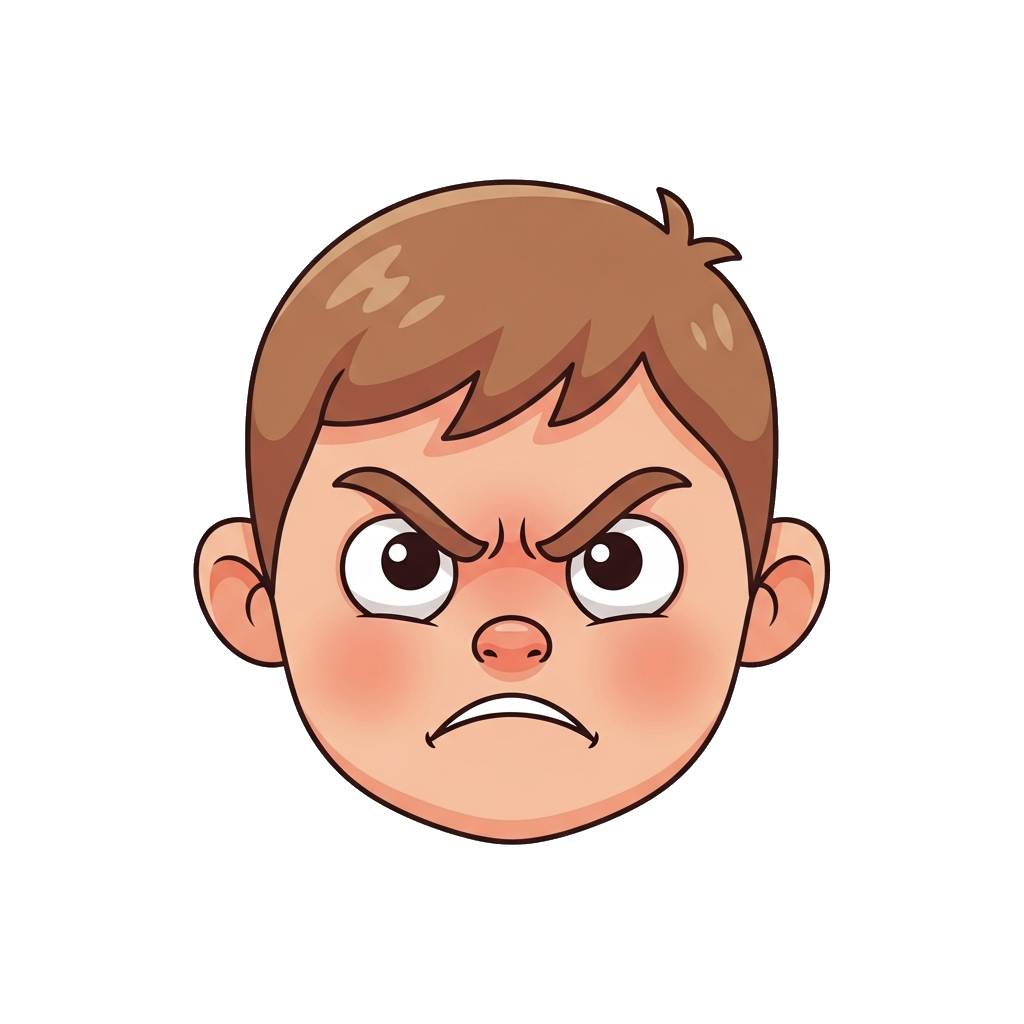
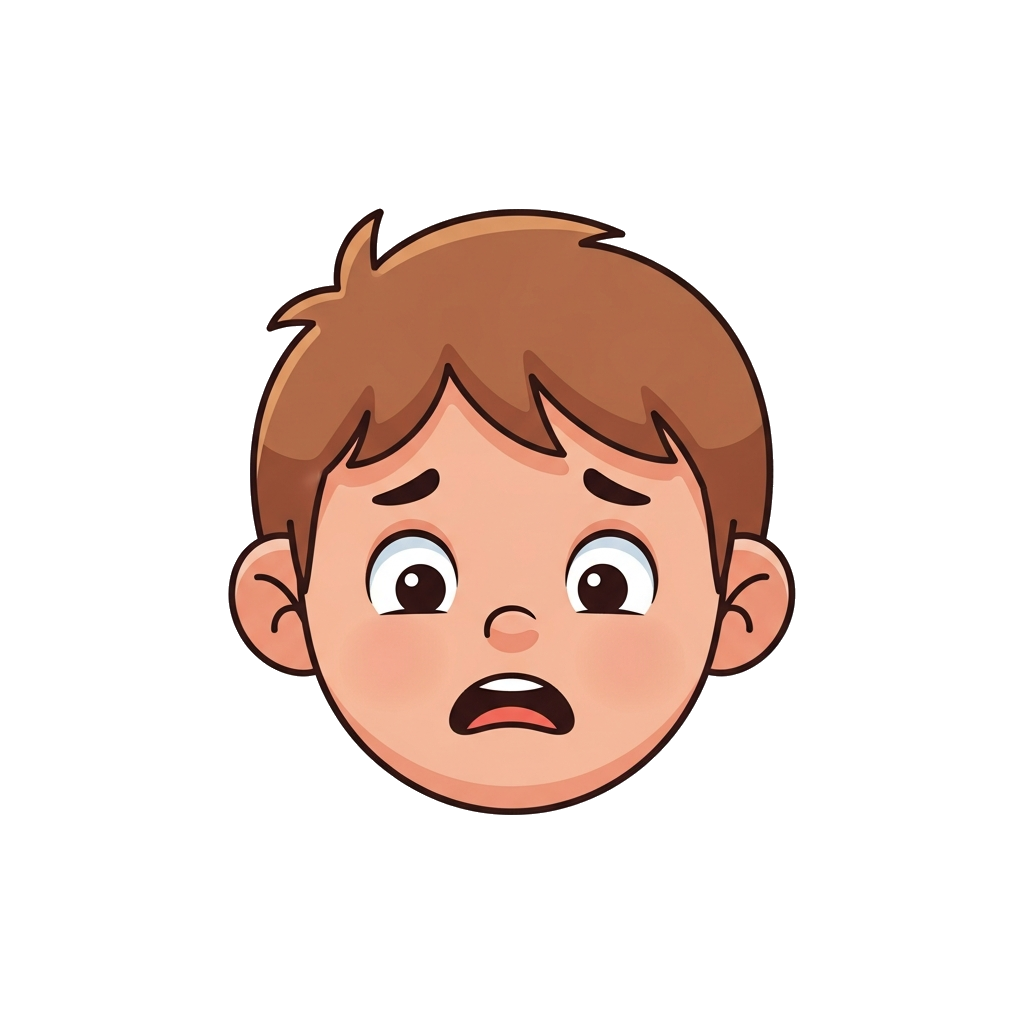


US Letter, portrait, 2in cards.
Seven ready-made choice boards with matching cut-out picture cards and blank Velcro boards up to 12 choices, in US Letter and A4 with a setup guide.
When to use this board
Use it at a predictable check-in, such as the start of the day or the end of a lesson, and again after something has gone wrong once everyone has settled. Asking during an escalation rarely gets a usable answer from anyone.
This board does a different job from the other eight. The rest offer options a student can pick between, while this one offers labels for something already happening, which is closer to an emotion identification chart than a preference board.
Pair it with an action. A student who points to Angry and then gets no response learns that reporting a feeling changes nothing. Many classrooms sit this board next to the calm down board, so naming the feeling leads straight into choosing what to do about it.
Six is enough for most students, and the six here are the ones that come up most often. Swap Worried for Tired or Sick if that is what your student actually needs to report, since a board of feelings nobody has is just a poster.
Cards that fit this board
The slots print at 1.5, 2, or 3 inches square, the same sizes the free PECS card templates cut to, so a card from either set lands on either board. Print the blank Velcro version above, add a hook-and-loop dot to each slot, and swap the options as the day changes.
Frequently asked questions
- What is a feelings choice board?
- It is a printed board showing several emotions as pictures, so a student can point to the one that matches how they feel instead of having to find the word. It is often called a feelings chart or an emotions board.
- What age is a feelings board for?
- There is no fixed age. It suits any student who understands the emotions but cannot reliably produce the words under pressure, which includes plenty of speaking teenagers as well as young children who are not yet speaking.
- Should a feelings board have more than six faces?
- Rarely at the start. Six covers the emotions that come up most, and a long chart of subtle differences asks a student to do fine-grained sorting at exactly the moment that is hardest. Add nuance once the six are reliable.
- What do I do after the student points?
- Reflect the feeling back in plain words and offer the next step. Something as short as saying you can see they feel worried, then holding out the calm down board, closes the loop and makes the next report more likely.
- Does this work as an IEP data source?
- It can. Some teams tally which feeling a student reports and when, which turns a wall poster into antecedent data. Spectrum Unlocked has a separate Data Sheet Maker if you want to record those tallies properly.
- Is the feelings board free to print?
- Yes. Print it in US Letter or A4, portrait or landscape, and edit any of the six faces or labels first. There is no email gate on the download.
Related templates
Calm Down Choices
Six regulation options on one board, so a student who cannot generate a strategy under stress can point to one instead. Print it as it stands, or change the options to match what actually works in your classroom or at home.
Yes or No
Two three-inch cards, yes and no, printed large enough to read across a room. This is the board most students start on, and the one that keeps working when everything else is too much to scan.
Sensory Break Choices
Six break options covering movement, deep pressure, oral input, and quiet, so a student can say what their body needs by pointing. Swap the options for the equipment your room actually has before you print it.