Greeting Choice Board
Three ways to greet somebody, held at the door or at morning meeting, so arriving does not start with a demand the student cannot meet. Change the three options to the ones your group actually uses.
- 3 options
- Free printable PDF
- Editable in browser
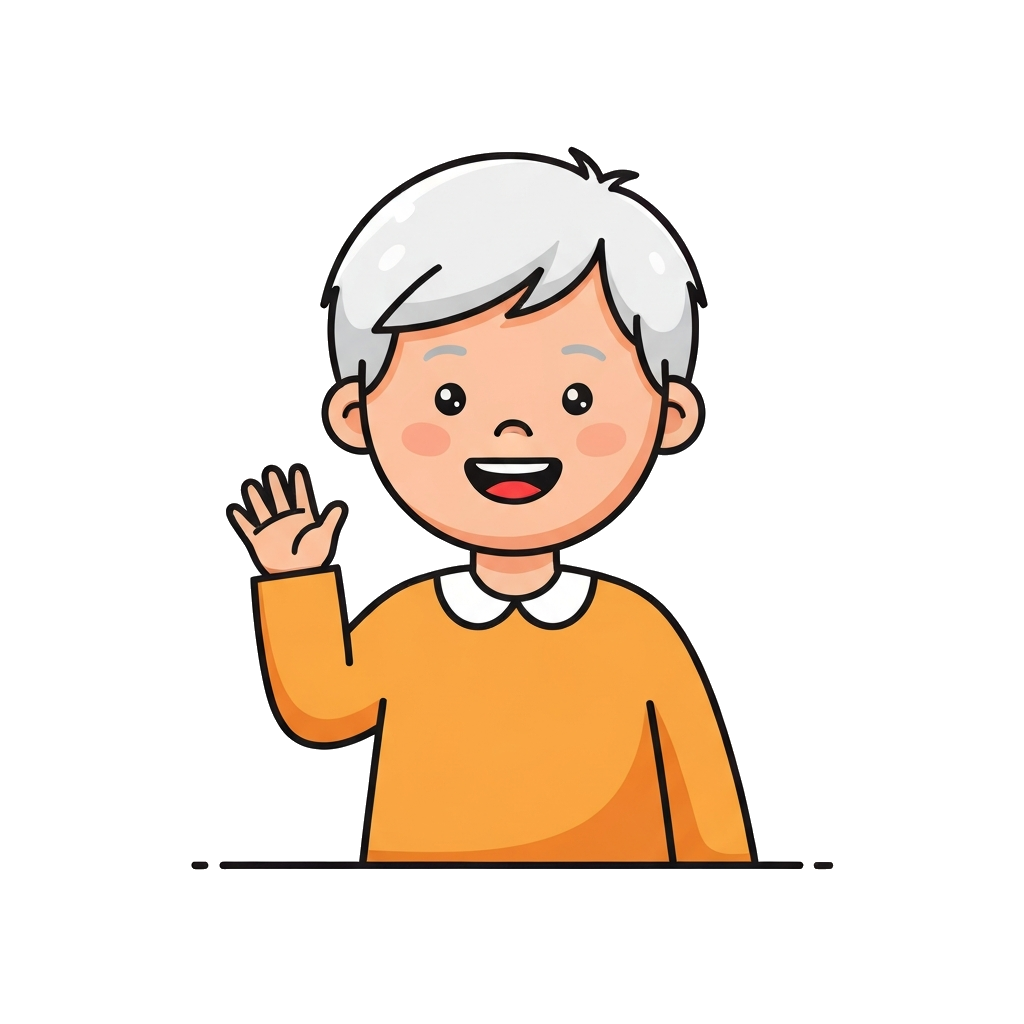
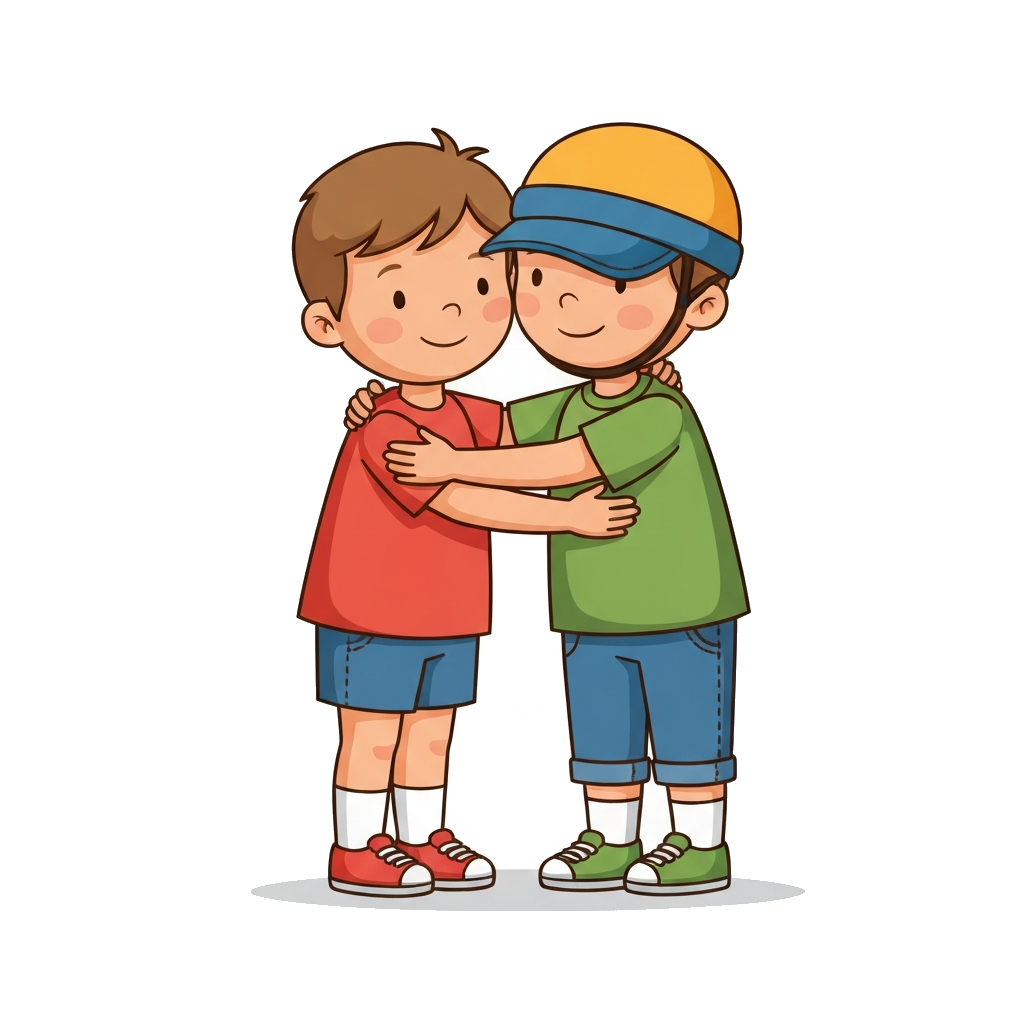
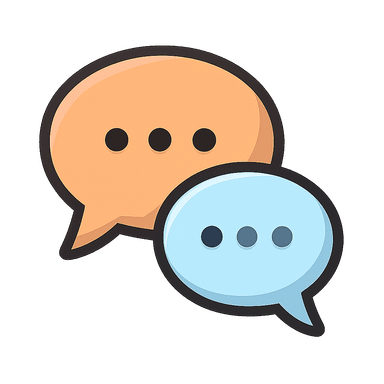
US Letter, portrait, 2in cards.
Seven ready-made choice boards with matching cut-out picture cards and blank Velcro boards up to 12 choices, in US Letter and A4 with a setup guide.
When to use this board
Hold it at the classroom door during arrival, or put it in the middle of the circle at morning meeting. It also travels well to therapy sessions and family visits, where the pressure to greet somebody correctly tends to be highest.
A greeting board turns a social demand into a choice, and that alone lowers the stakes. The student still greets, which is usually the actual goal on the IEP, but they get to decide whether that involves touch, sound, or neither.
Include at least one option that requires no physical contact and no speech. A wave counts, and so does a nod or a fist bump if you swap one in. Without a low-demand option the board is a choice in name only.
Three is deliberate. Greeting happens fast, often with somebody waiting, and a six-option board at the door slows the moment down more than it helps.
Cards that fit this board
The slots print at 1.5, 2, or 3 inches square, the same sizes the free PECS card templates cut to, so a card from either set lands on either board. Print the blank Velcro version above, add a hook-and-loop dot to each slot, and swap the options as the day changes.
Frequently asked questions
- What is a greeting choice board?
- It is a small board showing a few ways to greet somebody, such as a wave, a hug, or saying hi. The student points to the one they want, and the adult greets them back that way. Many classrooms use one at the door every morning.
- Why offer a choice of greeting at all?
- Because a single required greeting fails a lot of students. One child finds a hug fine and speech impossible, another is the reverse. Offering options means the student can participate in the routine rather than avoid it.
- Does this help with eye contact goals?
- Indirectly, and it is worth being careful here. Forcing eye contact is uncomfortable for many autistic students and is no longer a goal most teams write. A greeting board keeps the social exchange while leaving eye contact optional.
- What greeting options work best?
- Whatever your group already does. Common choices are a wave, a high five, a fist bump, a hug, saying hi, or simply walking past with a nod. Print the three that fit your students rather than the three that fit a poster.
- Can families use a greeting board?
- Yes, and family gatherings are where it helps most. Handing a relative the board before they lean in for a hug saves a lot of difficult moments, and it gives the child a way to greet somebody on their own terms.
- Is the greeting board free to print?
- Yes. It prints free in US Letter and A4, and you can change any picture or label first. Nothing on this page is behind an email form.
Related templates
Yes or No
Two three-inch cards, yes and no, printed large enough to read across a room. This is the board most students start on, and the one that keeps working when everything else is too much to scan.
Blank Choice Board
Four empty squares under an editable prompt. Print it as it is and write the options in by hand, or fill the cells with pictures and text on screen and print a finished board.
Feelings Choices
Six emotions on one board so a student can show how they feel by pointing. Useful at check-in, after an incident, and any time a question about feelings would otherwise get no answer at all.