Early Reader Books for Autistic and Hyperlexic Kids
Early reader books for autistic and hyperlexic kids who read before they talk: predictable picture books, alphabet books, Bob Books and word books.
Key Takeaways
- Some autistic children read words long before they speak. Reading the words is not the same as understanding them, so pick books that build meaning, not just harder words.
- Repetitive, predictable books are the best start. When a child can guess what comes next, the words start to carry meaning.
- Point to the picture as you read the word. Linking print to things your child can see is how comprehension grows.
- A child who reads but does not talk should still have a speech-language and developmental evaluation.
- Dolly Parton's Imagination Library mails a free book every month from birth to age five in participating areas.
In a busy Facebook group for dads of autistic kids, a father asked for Christmas book ideas: his three-year-old, who does not yet talk, had turned out to read surprisingly well. Dozens of dads answered with the books their own kids love, and several said the same had happened in their house.
Reading early while speaking little is common enough to have a name, hyperlexia, and it is often seen in autistic children. The child can read the words on the page, sometimes many of them, while understanding what those words mean takes longer. So the best books for these kids are not the hardest ones. They are books that help the words carry meaning: patterns your child can predict, letters they already love, and pictures that show what each word is. Our hyperlexia guide explains the signs and how to help at home.
The books below include the ones those dads named most often, with prices as listed on November 12, 2026.
Reading Together When Your Child Reads the Words
- Point as you read. Put your finger on the word, then on the picture it names.
- Pause before a word your child knows. Let them fill it in by saying it, pointing or tapping the picture.
- Act it out. Stomp like an elephant in Dear Zoo, munch like the caterpillar.
- Ask them to show you. "Where is the red bird?" checks understanding without needing speech.
- Read the same book many times. Repetition is how a predictable story becomes understood.
Reading or Remembering?
One dad in the thread asked the question many parents have: how do you know a child who does not talk can actually read? The parent who started the thread described what they did. They pointed to each word and asked their son what it said, and he could say almost every one.
A few ways to tell reading from remembering:
- Try a new book. Reciting a favorite page from memory is a real skill, but reading words in a book your child has never seen is reading.
- Point to single words out of order, or to words on signs, cereal boxes and labels.
- Then check meaning. Ask your child to point to the picture that matches a word. Saying a word and knowing what it means are separate steps, and the second one is where many early readers need help.
If your child needs a way to answer while reading, our free adapted book maker builds simple books with picture answers your child can point to.
Predictable Books: Guess What Comes Next
Brown Bear, Brown Bear, What Do You See?
One question and one answer repeat on every page, each with a different colored animal, so a child quickly knows what is coming. Two dads in the thread named it. This 50th anniversary board book has 28 pages, and customers list it for ages 1 to 3.

Brown Bear, Brown Bear, What Do You See? (Board Book)
Pete the Cat: I Love My White Shoes
The most-named book in the thread. Pete steps in things that change his shoes' color and keeps singing his song, which gives the story a refrain your child can join. Hardcover, 40 pages; customers list it for ages 2 to 5.
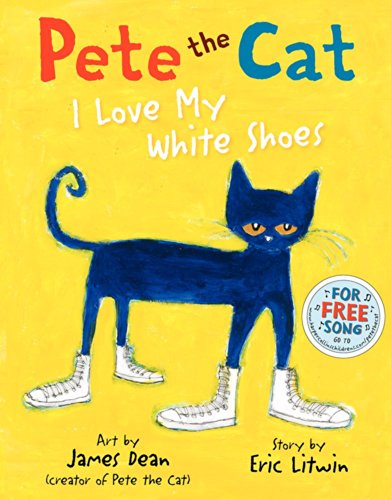
Pete the Cat: I Love My White Shoes (Hardcover)
The Very Hungry Caterpillar
Days of the week, counting and food, in a story that ends in a butterfly. The board book has 26 pages and the listing gives ages 2 to 5. Several dads named Eric Carle's books as favorites.

The Very Hungry Caterpillar (Board Book)
Dear Zoo: A Lift-the-Flap Book
Each flap hides an animal sent from the zoo, and each one goes back for a reason. Lifting the flap gives a child a job to do on every page and a clear reason to look for the word. Board book, 18 pages, ages 1 to 3 per customers.

Dear Zoo: A Lift-the-Flap Book (Board Book)
Letters and First Reading
Chicka Chicka Boom Boom
The whole alphabet climbs a coconut tree in rhyme, and the letters are the characters. For a child already fascinated by letters, it turns that interest into a story. Hardcover, 40 pages.

Chicka Chicka Boom Boom (Hardcover)
Dr. Seuss's ABC
Each letter gets its own silly line, from Aunt Annie's alligator to the Zizzer-Zazzer-Zuzz. The Bright and Early board book runs 24 pages and stands up to rough handling. Three dads named Dr. Seuss.

Dr. Seuss's ABC (Bright and Early Board Book)
Bob Books Set 1: Beginning Readers
A box of short phonics books that use only a few letters at first, so a child can sound out whole stories. A good fit once your child is decoding new words rather than reading words they have memorized. The listing gives ages 4 and up.

Bob Books Set 1: Beginning Readers Box Set
Biscuit (My First I Can Read)
A parent in the thread mentioned the red "I Can Read" books, and My First I Can Read is the earliest level: short sentences, repeated words and a picture on every page. Biscuit the puppy is a long-running favorite. The single book is a 32-page paperback; the box set below holds five stories.

Biscuit (My First I Can Read, Paperback)

Biscuit's Neighborhood: Box of 5 Stories (My First I Can Read)
Words, Feelings and Favorite Topics
Richard Scarry's Best Word Book Ever
Busy pages full of labeled pictures: every object has its word beside it. For a hyperlexic child it links words they can already read to the things they name. Hardcover, 70 pages.

Richard Scarry's Best Word Book Ever (Hardcover)
The Color Monster: A Story About Emotions
A monster whose feelings are mixed up sorts them into colors: yellow for happy, blue for sad and so on. It gives names to feelings in a way a literal thinker can follow, and one dad named it. Hardcover, 40 pages.

The Color Monster: A Story About Emotions (Hardcover)
National Geographic Little Kids First Big Book of Space
One dad's son loves planets, and many autistic children have a favorite topic that can carry reading further than any storybook. This 127-page hardcover covers the sun, planets and space travel in short text with large photos; customers list it for ages 3 to 6. Choose the topic your child already loves.

National Geographic Little Kids First Big Book of Space
Little Blue Truck
A friendly truck helps the farm animals, each with its own sound, in rhyming text. Animal sounds give a child an easy way to join in even before words. Board book, 30 pages; one dad named it.

Little Blue Truck (Board Book)
More Favorites From the Thread
The dads named many more classics. These six came up and are easy to find:
- The Pout-Pout Fish: a gloomy fish and a rhyming refrain that repeats on every spread. Paperback, 32 pages.
- Where the Wild Things Are: a short, famous text with big pictures and a calm return home at the end. Paperback, 48 pages.
- If You Give a Mouse a Cookie: each event leads to the next and the story circles back to the start, which suits a child who loves sequences. Hardcover, 40 pages.
- Llama Llama Red Pajama: a bedtime worry told in rhyme, useful for talking about feeling alone at night. Hardcover, 40 pages.
- Corduroy: a bear looking for his missing button in a department store. Board book, 34 pages.
- I Know an Old Lady Who Swallowed a Fly: a cumulative song where each animal is added to the list. Board book, 22 pages.

The Pout-Pout Fish (Paperback)
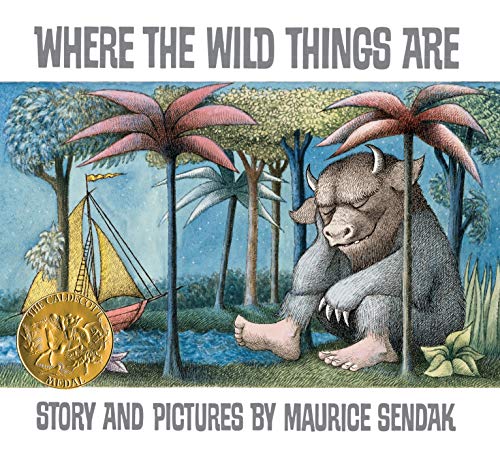
Where the Wild Things Are (Paperback)
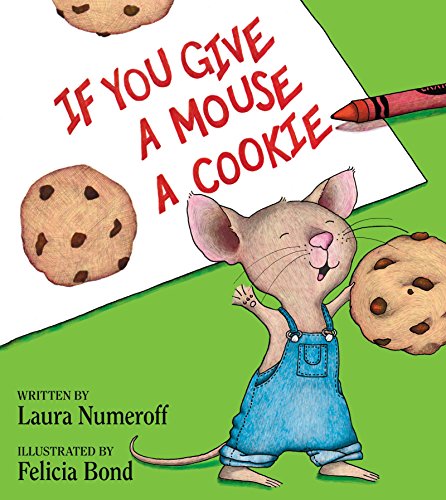
If You Give a Mouse a Cookie (Hardcover)

Llama Llama Red Pajama (Hardcover)

Corduroy (Board Book)

I Know an Old Lady Who Swallowed a Fly (Board Book)
Two More Ideas From the Thread
- Read-along audio. One dad bought a Toniebox with the matching book to see whether his nonverbal son understood, and watched him follow along page by page. Our Toniebox and Yoto comparison covers both players for autistic kids.
- A free book every month. Dolly Parton's Imagination Library mails a free book each month from birth to age five in participating areas. Enter your ZIP code on its website to see if your area takes part.
Shopping for more presents? See our gifts for autistic kids, grouped by the way children like to play.
When Early Reading Comes With Little Speech
Early reading is a real strength, and it can become a bridge to language. It does not replace talking or understanding, though, and a child who reads but does not speak, or who reads but cannot answer simple questions about what they read, deserves a closer look. Ask your pediatrician about a speech-language evaluation and a developmental evaluation; public schools also evaluate children from age three at no cost. If reading itself later becomes hard, our dyslexia reading tools cover a different kind of reader.
How We Chose These Books
We started from the books parents named in that thread, kept the ones that build meaning as well as reading, and filled the gaps with a phonics set and a topic book. While writing this in mid-November 2026, we opened every title on Amazon to confirm stock and a working cart button, and took formats and page counts from the listings and age ranges from customers.
Board books suit children who still chew or throw books. Read together whenever you can.
Products Mentioned in This Article
Brown Bear, Brown Bear, What Do You See? (Board Book)
Pete the Cat: I Love My White Shoes (Hardcover)
The Very Hungry Caterpillar (Board Book)
Dear Zoo: A Lift-the-Flap Book (Board Book)
Chicka Chicka Boom Boom (Hardcover)
Dr. Seuss's ABC (Bright and Early Board Book)
Bob Books Set 1: Beginning Readers Box Set
Richard Scarry's Best Word Book Ever (Hardcover)
The Color Monster: A Story About Emotions (Hardcover)
National Geographic Little Kids First Big Book of Space
Little Blue Truck (Board Book)
Biscuit (My First I Can Read, Paperback)
Biscuit's Neighborhood: Box of 5 Stories (My First I Can Read)
The Pout-Pout Fish (Paperback)
Where the Wild Things Are (Paperback)
If You Give a Mouse a Cookie (Hardcover)
Llama Llama Red Pajama (Hardcover)
Corduroy (Board Book)
I Know an Old Lady Who Swallowed a Fly (Board Book)
Prices and availability are accurate as of the date/time shown and are subject to change. Any price and availability information displayed on Amazon at the time of purchase will apply to the purchase of this product.
Communication support depends entirely on where your child is right now.
Beacon learns about YOUR child and gives guidance specific to them.
What Would Beacon Say?
"How do I help my child communicate?"
Beacon knows whether your child is pre-verbal, uses AAC, or is a gestalt language processor, and adjusts every suggestion to fit where they actually are.

Spectrum Unlocked Editorial Team
Editorial Team
The Spectrum Unlocked editorial team combines lived experience as autism parents with research-backed guidance to create resources families can trust.
Frequently Asked Questions
- What books are good for a hyperlexic child?
- Books with repetitive patterns, like Brown Bear, Brown Bear and Pete the Cat, alphabet books like Chicka Chicka Boom Boom, and labeled picture books like Richard Scarry's Best Word Book Ever. Choose them for meaning as much as for the words.
- What is hyperlexia?
- Hyperlexia describes a child who reads words well ahead of their age, often with an intense interest in letters, while understanding of the words and spoken language lags behind. It is often seen in autistic children.
- My nonverbal child can read. Should I still worry about speech?
- Yes. Reading is a great strength to build on, but it does not replace talking or understanding. Ask your pediatrician about a speech-language evaluation and a developmental evaluation.
- What are the best books for a 3 year old who loves letters?
- Chicka Chicka Boom Boom and Dr. Seuss's ABC put letters at the center of the story. Bob Books Set 1 suits a child who is ready to sound out short words, and the listing gives ages 4 and up.
- Are board books or hardcovers better?
- Board books survive chewing, throwing and fast page turning, so they suit younger or rough readers. Hardcovers like Pete the Cat have more pages and more text.
- Is my nonverbal child really reading?
- Point to single words in a book they have not memorized, or on a sign or a cereal box, and ask what each says. A child who reads new words, not just favorite pages, is decoding. Then check meaning by asking them to point to the picture that matches.
- Does my early reader understand the words?
- Ask them to point: 'Show me the bear.' Act out a page together, or stop before a predictable word and see if they fill it in or pick the right picture. Matching words to pictures and actions shows understanding.