Best Gifts for Autistic Kids: How They Play, Not Their Age
Gift ideas for autistic kids that actually land with movement seekers, crashers, deep-pressure cuddlers, chewers, visual kids, and routine lovers. With age notes, the special-interest rule, and what to tell grandparents who ask.
Key Takeaways
- Buy for how your kid plays, not what the box says about age. The age grading on toys assumes a typical play trajectory; an autistic child's sensory profile and interests are the actual gift registry, and a gift matched to them gets used for years instead of abandoned by January.
- The special-interest rule: buying INTO your child's special interest is not indulging a rut, it's the single most reliable gift strategy there is. The dinosaur kid wants the better dinosaur book, not a surprising new hobby.
- Know your child's sensory profile before spending. Seekers want the swing, the crash, the spin; avoiders want the headphones, the calm visual, the predictable. The same gift is a hit for one and a meltdown for the other.
- The unwrapping is part of the gift. Surprise is genuinely hard for many autistic kids; telling them what's inside, or letting them open gifts early or privately, converts a stress event back into a good one. A gift that needs no performance of delight is a kinder gift.
- For relatives who ask what to get: send them a specific link, not a category. 'He's into trains and deep pressure, here's the exact thing' beats letting a well-meaning grandparent guess at the toy aisle.
Every autism parent knows the specific dread of the question "what does he want for his birthday?" Not because there's no answer, but because the honest answer ("the exact same plush he already has, in case the first one is ever lost") doesn't fit how relatives think about gifts. Meanwhile the toy aisle is graded by age, your kid plays nothing like the age on the box, and last year's well-meant flashing robot is still in its packaging.
So here's the reframe this whole guide runs on: buy for how your kid plays and regulates, not for their age. The age chart assumes a typical play trajectory; your child's sensory profile and current interests are the real gift registry. Quick version:
| How your kid plays | The gift category | Our pick |
|---|---|---|
| Seeks movement: spins, swings, climbs, crashes | Indoor sensory swing | Calming Cocoon pod swing |
| Crashes and burrows: couch-cushion diving, blanket caves | Body sock | SANHO sensory body sock |
| Squeezes and cuddles: leans, hugs hard, sleeps buried | Weighted plush | Hugimals weighted animal |
| Chews shirts, sleeves, pencils | Real chew jewelry | ARK chew necklace |
| Watches: water, lava lamps, things that pour and drift | Calm visual toys | Liquid motion bubbler set |
| Lives by routine, wakes at 5 a.m. | Predictability tools that feel like gifts | LittleHippo Mella |
| Covers ears, melts down in loud places | Good headphones | PuroQuiet kids noise-cancelling |
| Has a special interest | The deeper version of exactly that interest | See the special-interest rule below |
Before You Buy: Three Rules That Outrank Every List
1. The special-interest rule. Buying into your child's special interest is not indulging a rut; it's the most reliable gift strategy in existence. Special interests are how autistic kids experience joy, build skills, and regulate, and the deeper version of the current interest (the detailed atlas, the next set, the better figures) beats a horizon-broadening surprise every time. If you take one thing from this page, take this. (For everyday play rather than occasions, the toys guide sorts toys by play function, including why lining them up counts.)
2. Profile before purchase. The same gift is a hit for a sensory seeker and a disaster for an avoider. If you haven't mapped which inputs your child seeks and avoids, the free sensory profile quiz takes ten minutes and effectively generates your gift list for you.
3. The unwrapping is part of the gift. Surprise is genuinely hard for many autistic kids, and the performance of delight in front of an audience is harder. Telling your child what's in the box, letting them open gifts early or in private, and skipping the everyone-watches moment converts gift events from stress back into joy. A gift that needs no performance is a kinder gift.
How We Chose
No lab-testing theater and no invented stars. Picks earn their place by matching a specific play-and-regulation profile, surviving real households (washable, durable, no instant batteries-dead abandonment), and having sensory details that work for the kids they're aimed at. Several picks come from our deeper single-category guides, which are linked when you want the full comparison.
Gifts That Fit the Way Your Child Plays
For the movement seeker: an indoor sensory swing
The single most-loved big gift in the autism parent world. A pod swing delivers the vestibular input seekers crave plus a cocoon of gentle compression, indoors, on demand, year-round, which is why OTs build whole sessions around swings. This one mounts indoors or out, swivels 360 degrees, and holds up to 300 pounds, so it survives years of growth and the occasional adult tester. If your child spins, rocks, climbs the furniture, and never stops moving, this is the gift.

Calming Cocoon Sensory Pod Swing (Indoor/Outdoor, 360 Swivel)
For the crasher and burrower: a body sock
The budget-friendly cousin of the swing: a stretchy lycra sack the child climbs into and pushes against, turning their whole body into a deep-pressure machine. Kids who build blanket caves, dive into couch cushions, and squeeze into tight spaces tend to get it immediately. It packs flat, washes easily, and doubles as the world's most portable calm-down tool. Size up if your child is between sizes; the resistance is the point, not the tightness.

SANHO Sensory Body Sock (Medium, Ages 6-9)
For the squeezer and cuddler: a weighted plush
Deep pressure disguised as a completely normal stuffed animal, which matters for kids who don't want their regulation tools to look like equipment. A weighted plush works at bedtime, on car rides, at the dinner table, and in waiting rooms, and it's the safest "I don't know the child well" gift on this list. The weighted blankets guide covers the full weighted-comfort category if you want the bedtime-scale version.

Hugimals Emory the Elephant Weighted Plush
For the chewer: real chew jewelry
If shirts come home with chewed collars and pencils come home shredded, the chewing is doing a regulatory job, and the gift is giving it somewhere safe to happen. Proper chew necklaces are sized to bite strength and built with breakaway clasps; the full sizing logic is in the chew necklaces guide. As a gift it's small, cheap, and quietly life-improving, which is a rare combination.

ARK Krypto-Bite Chew Necklace
For the watcher: liquid motion bubblers
Some kids regulate through their eyes: water, lava lamps, rain on windows, anything that pours and drifts. Liquid motion bubblers are the giftable version, mesmerizing, silent, screen-free, and cheap enough to scatter through the house (and the stocking). They're also the classic waiting-room and restaurant-table tool, which makes this the rare gift that solves a parent problem too.

Liquid Motion Bubbler Fidget Tubes (Calming Visual Set)
For the routine-lover: an okay-to-wake clock
A gift for the child who runs on predictability (and honestly for the parents being woken at 5 a.m.). The Mella turns "is it morning?" into a color rule a child can read from bed, with a friendly face that makes it feel like a companion rather than a rule. It's the most gift-shaped of the predictability tools; the full clock comparison covers the alternatives if the household needs differ.
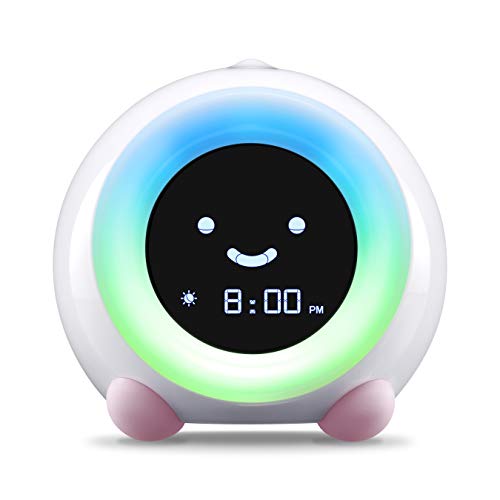
LittleHippo Mella Ready-to-Rise Kids Clock
For the sound-sensitive kid (and the teen): real noise-cancelling headphones
For the child who covers their ears at the hand dryer, the genuinely premium gift is silence on demand. The PuroQuiet line is built for kids (volume-limited, sized down) and reads as cool tech rather than special equipment, which matters enormously to older kids and teens. The ear defenders and headphones guide walks the over-ear versus earplug decision by age and situation.

Puro Sound Labs PuroQuiet Plus Noise-Cancelling Headphones
Age Notes (Because Relatives Will Ask)
The profile decides the category; age mostly decides the size and the dignity packaging. Toddler and preschool (2 to 5): body sock small, weighted plush, bubblers, the Mella, chew jewelry sized soft. Elementary (6 to 9): the swing's sweet spot, body sock medium, interest-feeding sets, chew jewelry by bite strength. Tweens and teens (10+): the headphones, interest deep-dives (the serious field guide, the advanced set), discreet versions of everything; at this age, never gift anything that reads as babyish therapy equipment, and when in doubt, fund the special interest. A nonverbal child follows the same chart through their sensory profile; speech level changes nothing about how good a swing feels. One thing that is its own question rather than a gift category: if the child's tablet keeps breaking, the durable tablets guide covers the kid-proof picks for kids who throw devices, and the kid-proof case guide covers armoring the tablet they already have.
What to Tell Grandparents Who Ask
Send a link, not a category. The kindest thing you can do for a well-meaning relative is remove the guessing: one message with your child's profile in a sentence ("sensory seeker, loves octopuses, hates surprises") plus two exact links. Explicitly bless repeat gifts; a backup of the beloved plush is a brilliant present, not a lazy one. And if a relative wants to go big as a group gift, point them at the swing.
The Bottom Line
The age on the box is a suggestion written for a different kid. Buy the movement, the pressure, the chew, the visual calm, or the predictability your specific child actually seeks, or go straight at the special interest, and tell the relatives exactly what to get instead of letting them guess. The best gift for an autistic kid isn't the impressive one under the wrapping; it's the one still in daily use next summer.
Products Mentioned in This Article
Calming Cocoon Sensory Pod Swing (Indoor/Outdoor, 360 Swivel)
SANHO Sensory Body Sock (Medium, Ages 6-9)
Hugimals Emory the Elephant Weighted Plush
ARK Krypto-Bite Chew Necklace
Liquid Motion Bubbler Fidget Tubes (Calming Visual Set)
LittleHippo Mella Ready-to-Rise Kids Clock
Puro Sound Labs PuroQuiet Plus Noise-Cancelling Headphones
Prices and availability are accurate as of the date/time shown and are subject to change. Any price and availability information displayed on Amazon at the time of purchase will apply to the purchase of this product.
Sensory overwhelm shows up differently in every child.
Beacon learns about YOUR child and gives guidance specific to them.
What Would Beacon Say?
"What sensory strategies actually work for my child?"
Beacon factors in your child's specific sensitivities (sound, light, texture, movement) and current regulation, then builds a sensory plan you can start tonight.

Spectrum Unlocked Editorial Team
Editorial Team
The Spectrum Unlocked editorial team combines lived experience as autism parents with research-backed guidance to create resources families can trust.
Frequently Asked Questions
- What are the best gifts for an autistic child?
- The ones matched to how the child actually plays and regulates, which beats every age chart. The reliable categories: movement gifts for sensory seekers (an indoor sensory swing is the classic big gift), deep-pressure gifts for kids who burrow and squeeze (weighted plush, body socks), oral-sensory gifts for chewers (proper chew jewelry), calm visual gifts for watchers (liquid motion bubblers), predictability gifts for routine-lovers (okay-to-wake clocks, visual timers), and anything that feeds the child's special interest, which is the single most reliable strategy of all.
- What should I get an autistic child if I don't know what they like?
- Ask the parent for one specific thing, and if you can't, default to the safest categories: a quality weighted plush (deep pressure helps a wide range of kids and reads as a normal stuffed animal), a calm visual toy like a liquid motion bubbler set, or a gift card paired with something small to unwrap. Avoid guessing at light-up, noise-making toys; they're a coin flip that lands badly for sound-sensitive kids. And honestly, asking the parent is not a cop-out; for most autism parents it's the most thoughtful move a gift-giver can make.
- Are gifts that feed a special interest okay, or should I broaden their horizons?
- Feed the interest. The broaden-their-horizons instinct comes from a neurotypical frame where deep single interests look like ruts; for autistic kids, special interests are how joy, learning, and regulation happen, and research on autistic wellbeing consistently treats them as strengths. The child obsessed with trains will get more developmental mileage, and more happiness, from the detailed train atlas than from the well-intentioned chemistry set. If you want growth, buy the deeper version of the interest, not a different interest.
- What gifts should I avoid for an autistic child?
- Four common misses. Loud, flashing toys for a child you haven't confirmed is a sensory seeker; for avoiders they're instant shelf material or worse. Gifts that are therapy equipment in disguise when the child wanted a toy; a weighted vest is not a birthday present unless the child genuinely loves theirs. Surprise-dependent experiences (tickets to a loud venue, surprise parties) without checking how the child handles novelty. And clothing without checking sensory specifics; the wrong seam makes it unwearable regardless of how cute it is.
- What's a good gift for a nonverbal autistic child?
- The same logic applies: profile and interests, not speech level. Nonverbal kids are often strong visual and tactile players, so sensory-rich gifts land well: swings, body socks, weighted plush, liquid motion tubes, cause-and-effect toys. Watch what the child gravitates to and buy more capacity for exactly that. One addition worth knowing: if the child uses AAC, gifts that build on their device vocabulary (books or toys matching words they have) quietly support communication, and parents notice that kind of thoughtfulness.
- My parents keep asking what to get my autistic child. What do I tell them?
- Send a link, not a category. The failure mode is the well-meaning grandparent guessing in a toy aisle calibrated for neurotypical kids; the fix is one message: 'She's a sensory seeker who loves octopuses; this exact swing or anything octopus.' If you want a reusable answer, share your child's sensory profile in one line plus two or three current interests, and explicitly bless repeat gifts; for many autistic kids, the second identical plush is a feature (a backup of a beloved object), not a failure of imagination.