Best Therapy Putty for Autistic Kids: Fine-Motor and Fidget Picks
Therapy putty builds hand strength and calms busy hands for autistic kids. How the resistance grades work, the mouthing caution, and top picks.
Key Takeaways
- Therapy putty does two jobs at once for a lot of autistic kids. Squeezing, pinching, and pulling it builds the hand strength behind pencil control, scissors, and buttons, and the same resistance feeds proprioceptive input to the hands that many kids find genuinely calming. It is a fine-motor tool and a regulation tool in one small tub.
- Resistance is graded by color, and you start soft. Putty runs from extra-soft to very firm, usually color-coded, so a young child or a child with weak hands starts on a softer resistance and moves up as strength builds. Starting too firm just frustrates a child and teaches them the putty is not fun.
- It is a fidget you keep, not a mess you take away. A quiet tub of putty gives busy hands something to do at a desk or the dinner table without the noise or distraction of bigger fidgets, which is exactly why occupational therapists reach for it. Treat it as a support, and pair it with a job so the squeezing has a point.
- The one real caution is mouthing. Therapy putty is non-toxic but it is not edible, and it sticks to hair, carpet, and clothing. A child who still mouths objects needs close supervision or a different tool, and scented putty in particular is best kept for older kids, teens, and stressed parents.
- Match the putty to the child, not the label. A child building strength needs a graded set, a reluctant child needs putty with something hidden inside to dig for, and an anxious child or a wound-up parent may just want a soft, calming dough to knead. The tub that gets used is the one that fits the reason you bought it.
Therapy putty is one of the few sensory tools that pays off twice. Squeezing, pinching, and pulling a firm tub of it builds the hand strength behind pencil control, scissors, and buttons, and that same resistance gives the hands the deep-pressure input a lot of autistic kids find genuinely calming. So the small tub that an occupational therapist hands your child is doing fine-motor work and regulation work at the same time, which is exactly why it shows up in so many OT sessions and IEP goals.
It is also cheap, quiet, and portable, which makes it one of the easiest sensory supports to add at home. The catch is that not all putty is the same, and the right tub depends on why you are buying it: to build strength, to motivate a reluctant child, or to give anxious hands something soothing to knead. Below are the therapy putties worth owning, one for each of those reasons and two for tighter budgets, plus the resistance and safety rules that decide whether it helps.
Before You Buy Anything
- Start on a softer resistance. Putty is graded from extra-soft to very firm, usually by color. A young child or a child with weaker hands needs a soft resistance that actually moves for them, or the activity just frustrates them. You step up as strength builds, so a graded set is the sensible first buy.
- Non-toxic is not edible. Reputable putty is non-toxic, but it is a choking hazard and sticks to everything. A child who still mouths objects needs close supervision or a different tool, and scented putty is best kept for older kids and adults.
- Give the squeezing a job. Putty works best with a task attached: dig out hidden beads, roll a snake, pinch a crust. A job turns aimless squeezing into real strengthening and keeps a child engaged.
- Keep it to hard surfaces and laps. Putty is stubborn to get out of carpet and hair. Use it at a desk or table, and treat it as a support you keep rather than a mess you take away as a consequence.
How We Chose
No lab and no invented star ratings. We sorted the putty market against what actually helps an autistic child build hand skills and stay regulated, using product specs, occupational-therapy guidance on graded resistance and proprioceptive input, and Spectrum Unlocked's own work with sensory kids. Every pick here was checked as a real, currently available listing before it went on the list. The rubric:
- Real, graded resistance. Putty that genuinely pushes back and comes in levels you can progress through, so it does strengthening work rather than just entertaining.
- A fit for the reason you buy it. Strength, motivation, and calm are three different jobs, and we say which pick serves which.
- A safe, non-toxic formula. Standard, reputable putty from brands OTs actually use, with the mouthing caution stated plainly.
- Something to keep a child engaged. Hidden pieces, charms, or a satisfying feel, because the putty that gets used is the one a child wants to pick up.
- Value that survives daily use. A sensible amount of putty at a fair price, since a tub lives on a desk and gets worked hard.
Here is which therapy putty fits which need.
Therapy Putty Worth Keeping on the Desk
Best overall: CanDo TheraPutty Graded Set
The one to start with for most families building hand strength. This CanDo set is the mainstream, clinic-standard pick, and it ships as a graded four-pack that steps from extra-soft through firm, so you can find the resistance your child can actually move today and step up as their hands get stronger without buying again. CanDo is the putty a lot of OTs use in sessions, the resistance grading is consistent, and the four small tubs make it easy to keep one at the desk and one in a bag. If you want a single purchase that covers a young child now and the same child a year from now, make it a graded set like this.

CanDo TheraPutty 4-Piece Graded Hand Exercise Set
Best value and best for a classroom: Vive Therapy Putty 6-Pack
The most resistance levels for the least money, which makes it the household and classroom pick. This Vive set includes six color-coded resistances in one box, so a family with more than one kid, or a teacher stocking a calm-down corner, can hand out the right firmness to each child and keep spares when a tub gets tired. The six-level ladder also gives you the widest range to progress through, from a barely-there soft for little hands to a firm resistance that challenges an older kid. For value and coverage, Vive is hard to beat.

Vive Therapy Putty 6-Pack
Best for the reluctant child: Fun & Function Discovery Putty
For the kid who will not do fine-motor reps just because you asked. This Fun & Function Discovery Putty hides small themed pieces inside the tub, so the child has to squeeze, pull, and dig through the resistance to find every one, which turns strengthening into a treasure hunt they actually want to finish. The hidden-object format is genuinely clever for autistic kids who need a concrete goal to stay with an activity, and the animal theme gives a young child a reason to keep going. When motivation is the problem, not the putty, this is the fix.

Fun & Function Discovery Putty with Hidden Animals
Best for calming and anxiety: Pinch Me Therapy Dough
For the child, teen, or frankly the parent who needs something soothing to knead. Pinch Me is a softer, aromatherapy-scented dough built for stress relief rather than heavy strengthening, so it is the pick when the job is calm, not muscle. The gentle scent and the slow, repetitive kneading make it a grounding fidget for an anxious moment or a wind-down routine. Because it is scented, keep this one for older kids, teens, and adults rather than a child who might taste it, and treat it as the calming member of the lineup.
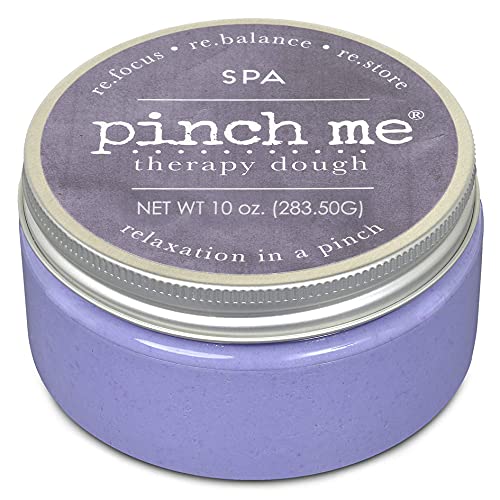
Pinch Me Therapy Dough Aromatherapy Putty
Best affordable sensory tub: Special Supplies Therapy Putty with Charms
For a low-cost single tub that still gives a child something to find. This Special Supplies putty comes with small charms tucked inside, pairing everyday resistance work with the same dig-and-discover motivation as the pricier discovery sets, at a friendlier price. It is a sensible pick when you want to try putty without committing to a full graded set, or when you need an inexpensive spare for a bag, a classroom, or a sibling. Affordable, sensory, and engaging enough that the tub does not sit unused.

Special Supplies Sensory Therapy Putty with Charms
Getting the Setup Right
Putty is only useful if it fits the hand and the moment. Start with resistance: pick a softness your child can move comfortably, because a too-firm tub teaches a kid that putty is hard and boring. Then attach a job to the squeezing. Hide beads or coins for a child to dig out, roll snakes, pinch a pie crust around the edge, pull it apart with both hands, or poke single fingers straight down. Different actions target different muscles, and a concrete task keeps a child working far longer than open squeezing does.
Timing helps too. A few minutes of putty before handwriting or homework warms up the hands and settles a busy body, and if you need the handwriting page itself, our free letter tracing worksheets print one letter or the whole alphabet at the support level your child is on, and a quiet tub during wind-down works as a calming fidget. Keep sessions short and frequent rather than long and rare. And keep the putty to hard surfaces and laps, since it is stubborn to lift out of carpet and hair. If your child mouths objects, stay close or choose a different fine-motor tool, because non-toxic putty is still not something to swallow. If your child has specific fine-motor goals in an IEP, an occupational therapist can prescribe exact exercises to match.
Where Therapy Putty Fits
Putty is one piece of the fine-motor and regulation toolkit, and it works best alongside the tools that meet the same needs in other moments. For the child who tires or presses too hard when writing, the pencil grips guide covers grips for an awkward grasp and for heavy pressing, and a busy board gives busy hands a whole station of latches and zippers to build the same skills. When the goal is a quiet fidget for focus rather than strength, the sensory and fidget toys roundup covers the handheld tools that keep hands occupied, and the sensory room guide shows how fine-motor, movement, and calm-down space fit together at home.
If you are still working out which inputs your child seeks, the sensory profile quiz is the place to start, the beginner's guide to sensory diets shows how a tub of putty slots into a daily rhythm of regulating activities, and the sensory-friendly activities guide has the wider menu of hands-on play, indoor and outdoor, that putty fits inside. Match the putty to the child, and a two-dollar tub can quietly build the hands and settle the nervous system at the same time.
Products mentioned in this article
CanDo TheraPutty 4-Piece Graded Hand Exercise Set
Vive Therapy Putty 6-Pack
Fun & Function Discovery Putty with Hidden Animals
Pinch Me Therapy Dough Aromatherapy Putty
Special Supplies Sensory Therapy Putty with Charms
Prices and availability are accurate as of the date/time shown and are subject to change. Any price and availability information displayed on Amazon at the time of purchase will apply to the purchase of this product.
Sensory overwhelm shows up differently in every child.
Beacon learns about YOUR child and gives guidance specific to them.
What would Beacon say?
"What sensory strategies actually work for my child?"
Beacon factors in your child's specific sensitivities (sound, light, texture, movement) and current regulation, then builds a sensory plan you can start tonight.

Spectrum Unlocked Editorial Team
Editorial Team
The Spectrum Unlocked editorial team combines lived experience as autism parents with research-backed guidance to create resources families can trust.
Frequently asked questions
- What is therapy putty and how does it help autistic kids?
- Therapy putty, sometimes sold as theraputty, is a soft, stretchy resistance material that occupational therapists use to build hand and finger strength. For autistic kids it tends to help in two ways at once. Squeezing, pinching, rolling, and pulling it strengthens the small muscles behind handwriting, scissors, zippers, and buttons, and that same resistance gives the hands proprioceptive input, the deep-pressure feedback many kids find calming and organizing. So a tub of putty can be a fine-motor workout and a quiet regulation fidget in the same object, which is a big part of why it shows up so often in OT sessions.
- What resistance or color of therapy putty should I start with?
- Start soft. Therapy putty is graded by resistance and usually color-coded, running from extra-soft through soft, medium, firm, and very firm. A young child, or any child with weaker hands, should begin on one of the softer resistances so the putty actually moves for them and the activity feels rewarding rather than impossible. As their hand strength builds, you step up to a firmer resistance. A graded set that includes several levels lets you find the right starting point and progress without buying again, which is why a multi-resistance set is the usual first purchase.
- Is therapy putty safe for kids, and is it toxic?
- Reputable therapy putty is non-toxic, but non-toxic does not mean edible, and that distinction matters most for autistic kids who still mouth objects. Putty is a supervised activity: a child who puts things in their mouth needs close watching or a different fine-motor tool entirely, because putty is a choking and swallowing hazard and can be very hard to remove if it is bitten off. It also sticks stubbornly to hair, carpet, and fabric. Scented putty adds essential oils that smell appealing, so keep scented versions for older kids, teens, and adults rather than a child who might taste it.
- How do you get therapy putty out of clothes, carpet, or hair?
- Work fast and do not rub it in. The trick that works best is to press a fresh piece of the same putty against the stuck bit and lift, dabbing repeatedly so the putty grabs its own residue out of the fibers. For what is left, chilling the spot with an ice cube hardens the putty so you can crumble and pick it off, and a little rubbing alcohol or vinegar on a cloth breaks down the last film. Avoid heat and avoid smearing, since both push the putty deeper into the fabric. This is also a good reason to keep putty to hard surfaces and laps rather than the living-room rug.
- What is the difference between therapy putty and slime or Play-Doh?
- They feel related but do different jobs. Play-Doh is soft and gives almost no resistance, so it is great for imaginative play but does little for hand strength. Slime stretches and drips but offers no graded resistance either, and it is messier. Therapy putty is denser and springier, built to push back against the hand so that squeezing and pinching it is genuine exercise, and it comes in measured resistance levels you can progress through. For a child who needs to build fine-motor strength or wants firm, satisfying proprioceptive input, putty is the tool. For open-ended sensory play, dough or slime is fine.
- How can I use therapy putty to actually build my child's hand skills?
- Give the squeezing a job. Beyond simple squeeze-and-release, you can hide small beads, coins, or charms in the putty and have your child dig them out one by one, which turns strengthening into a game. Rolling it into a snake, pinching along the edge to make a pie crust, pulling it apart with both hands, and poking single fingers in all target different muscles. Short and frequent beats long and rare, so a few minutes before handwriting or homework works well as a warm-up, and a tub during wind-down works as a calming fidget. An occupational therapist can prescribe specific exercises matched to your child's goals.
- Does therapy putty help with anxiety and focus, or only hand strength?
- It genuinely helps many kids with both. The repetitive squeezing and kneading is a self-regulating, proprioceptive activity, which is why fidget-style stress putty exists alongside the clinical kind. For a child who needs to keep their hands busy to attend, a quiet tub of putty at the desk can channel that energy without disrupting the room, and for an anxious or wound-up child, kneading a soft dough is a calming, grounding motion. It is not a treatment for anxiety on its own, but as one tool in a sensory diet it earns its place for focus and calm, not just strength.