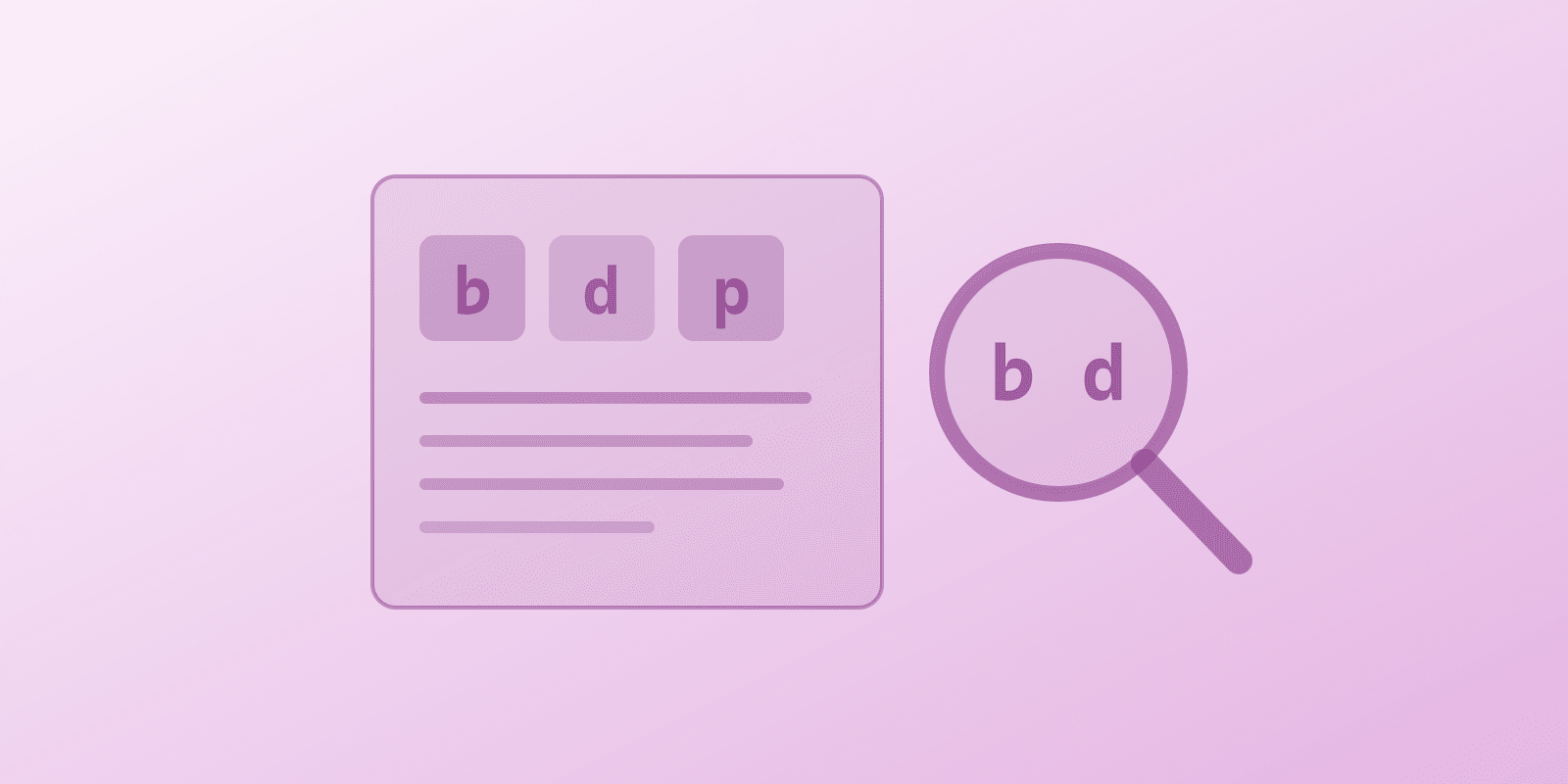
Dyslexia Testing for Kids: Screeners, School and Private
What a dyslexia test for kids actually checks, how a free school evaluation differs from a private one, and how to ask for testing in writing.
Key Takeaways
- A screener and an evaluation are different things: a screener flags risk in ten minutes, and only a full evaluation can identify dyslexia
- A full dyslexia evaluation looks at sound skills, naming speed, word reading, nonsense-word decoding, fluency, spelling and comprehension, and rules out vision and hearing
- Public schools must evaluate for free when they suspect a disability, and a written request starts the clock
- Schools often call it a specific learning disability in reading rather than dyslexia; federal guidance says nothing stops them using the word
- A private evaluation is faster and more detailed but rarely covered by insurance; the school has to consider it but does not have to adopt it
Most parents who search for a dyslexia test want one thing: to know whether their child's reading struggle has a name, and what to do about it. The answer comes in two very different sizes, and it helps to know which one you are looking at before you book anything.
A screener takes about ten minutes and tells you whether a child shows risk signs. An evaluation takes several hours, tests a range of skills, rules out other explanations, and is the only thing that can identify dyslexia.
What a dyslexia evaluation checks
A full evaluation tests reading itself and the skills underneath it. Expect most of these:
- Phonological awareness. Can the child hear and work with the sounds inside a spoken word, such as saying "cat" without the /k/?
- Rapid naming. How quickly the child names a row of familiar letters, numbers or colors. Slow naming is a strong predictor of reading difficulty.
- Real-word reading. Reading single words out of context, against age norms.
- Nonsense-word decoding. Reading made-up words such as "blim". This removes memorized sight words and shows whether the child can actually decode.
- Oral reading fluency. Reading a passage aloud for accuracy and rate.
- Spelling. Dyslexia almost always shows up in spelling, sometimes more clearly than in reading.
- Reading and listening comprehension. Comparing the two shows whether understanding is the problem or getting the words off the page is.
- Vision and hearing. Ruled out first, because either can look like a reading disorder.
Common instruments include the CTOPP-2 for sound skills and naming speed, the TOWRE-2 for timed word and nonsense-word reading, and achievement batteries such as the WIAT-4 or the Woodcock-Johnson IV. The names matter less than the coverage: if an evaluation skipped nonsense words and naming speed, ask why.
Screeners: useful, but not a diagnosis
Most states now require schools to screen young readers for dyslexia risk, usually from kindergarten through second or third grade. Online screeners for parents work the same way. They are good at one job, which is telling you a child should be looked at more closely.
A screener result is not a diagnosis, and a low-risk result does not close the question if your child is still struggling. If the screener and what you see at home disagree, believe what you see and ask for an evaluation.
The free route: asking the school to evaluate
Public schools have a duty under IDEA, called Child Find, to identify children who may have a disability. You do not have to wait for the school to raise it. You can ask.
Put the request in writing. Say what you are seeing, say that you suspect a learning disability in reading, and ask for a full evaluation in all areas of suspected disability. Date it and keep a copy. The IEP advocacy letter builder drafts one for you.
Once you sign consent, federal law gives the school 60 days to finish, unless your state sets its own timeline. The special education evaluation process walks through each step and what you can ask for along the way.
When the school will not say "dyslexia"
Many schools identify a specific learning disability in basic reading skills or reading fluency instead of using the word dyslexia. Federal law names dyslexia inside that category, and in October 2015 the Department of Education told states that nothing in IDEA stops a team from using the word in an evaluation, an eligibility decision or an IEP.
The label matters less than what follows it. What you want from the school is an accurate description of the gap and instruction that matches it. The IDEA disability categories explained post covers how specific learning disability is decided.
If you disagree with the school's evaluation, you can ask for an independent educational evaluation at public expense.
The private route
A private evaluation is usually done by a licensed psychologist, a neuropsychologist or an educational psychologist. It tends to be faster and more detailed, and it will use the word dyslexia when it applies. It is rarely covered by health insurance, so ask the price before you book.
You can share a private report with the school. The school must consider it, but it does not have to adopt its findings or its recommendations. A private report is most useful when it names specific skills and specific teaching approaches rather than only giving a label.
Dyslexia and autism together
Autism and dyslexia can occur together, and each can disguise the other. Some autistic children decode far ahead of their understanding, a pattern called hyperlexia, which is close to the opposite of dyslexia. Others struggle with comprehension because of language, not decoding.
That is why the comparison between reading comprehension and listening comprehension matters so much. The reading comprehension IEP goals post describes the trap of teaching comprehension to a child who cannot yet read the words.
After the results
If the evaluation finds dyslexia, the next step is instruction that teaches sounds and letters directly, in order, with plenty of practice. That is often called structured literacy. In school, it becomes goals and services in an IEP. The reading fluency and decoding IEP goals post shows what measurable goals look like.
At home and outside school, one-to-one practice adds the repetition a classroom rarely has time for. Spectrum Unlocked offers online tutoring for dyslexia built around the same steps, with a tutor who adapts to how your child learns.
This guide covers the basics. But every child is different.
Beacon learns about YOUR child and gives guidance specific to them.
What Would Beacon Say?
"My child was just diagnosed, what do I do first?"
Beacon looks at your child's age, communication style, and biggest challenges, and gives you a specific starting point instead of a generic checklist.
Spectrum Unlocked Editorial Team
Editorial Team
The Spectrum Unlocked editorial team combines lived experience as autism parents with research-backed guidance to create resources families can trust.
Frequently Asked Questions
- At what age can a child be tested for dyslexia?
- Risk can be screened from kindergarten, using sound skills, letter knowledge and naming speed. A full evaluation is most useful once a child has had some reading instruction, often in first or second grade, because the evaluator needs to see how the child responds to teaching. Waiting to see whether a struggling reader catches up on their own usually costs time rather than saving it.
- Is an online dyslexia test accurate?
- An online test is a screener. It can tell you whether a child shows risk signs worth following up, and some are well designed, but it cannot identify dyslexia. A diagnosis needs a full evaluation by a qualified evaluator who tests several skills, rules out other causes such as vision and hearing, and looks at how the child has responded to instruction.
- Do schools test for dyslexia?
- Public schools evaluate for a specific learning disability, and dyslexia falls inside that category under federal law. Some schools say they do not diagnose dyslexia. In 2015 the US Department of Education told states that nothing in IDEA stops a school from using the word dyslexia in an evaluation, an eligibility decision or an IEP. The testing itself is free to families.
- How long does a school dyslexia evaluation take?
- Federal law gives the school 60 days from the date you sign consent to complete the evaluation, unless your state sets a different timeline. Many states do. Put your request in writing and date it, so there is a clear start to the clock.
- Who can diagnose dyslexia privately?
- Usually a licensed psychologist, a neuropsychologist or an educational psychologist with experience in reading disorders. Ask what tests they use, whether they test nonsense-word reading and naming speed, and whether the report will include specific recommendations for school. A report that only gives a label is less useful than one that says what to teach next.
- Can an autistic child also have dyslexia?
- Yes. The two can occur together, and autism can also hide a reading problem or look like one. Some autistic children decode well ahead of their understanding, a pattern called hyperlexia, which is the opposite of the dyslexia profile. A good evaluation separates decoding from comprehension so the right skill gets taught.