How to Set Up Work Boxes in a Special Education Classroom
The work box system rather than the contents: shelf layout, how many boxes, rotation, who runs the station when you are out, and data that holds up.
Key Takeaways
- Work boxes fail as a system far more often than as individual tasks. The box is usually fine; the shelf, the rotation and the handover are what break.
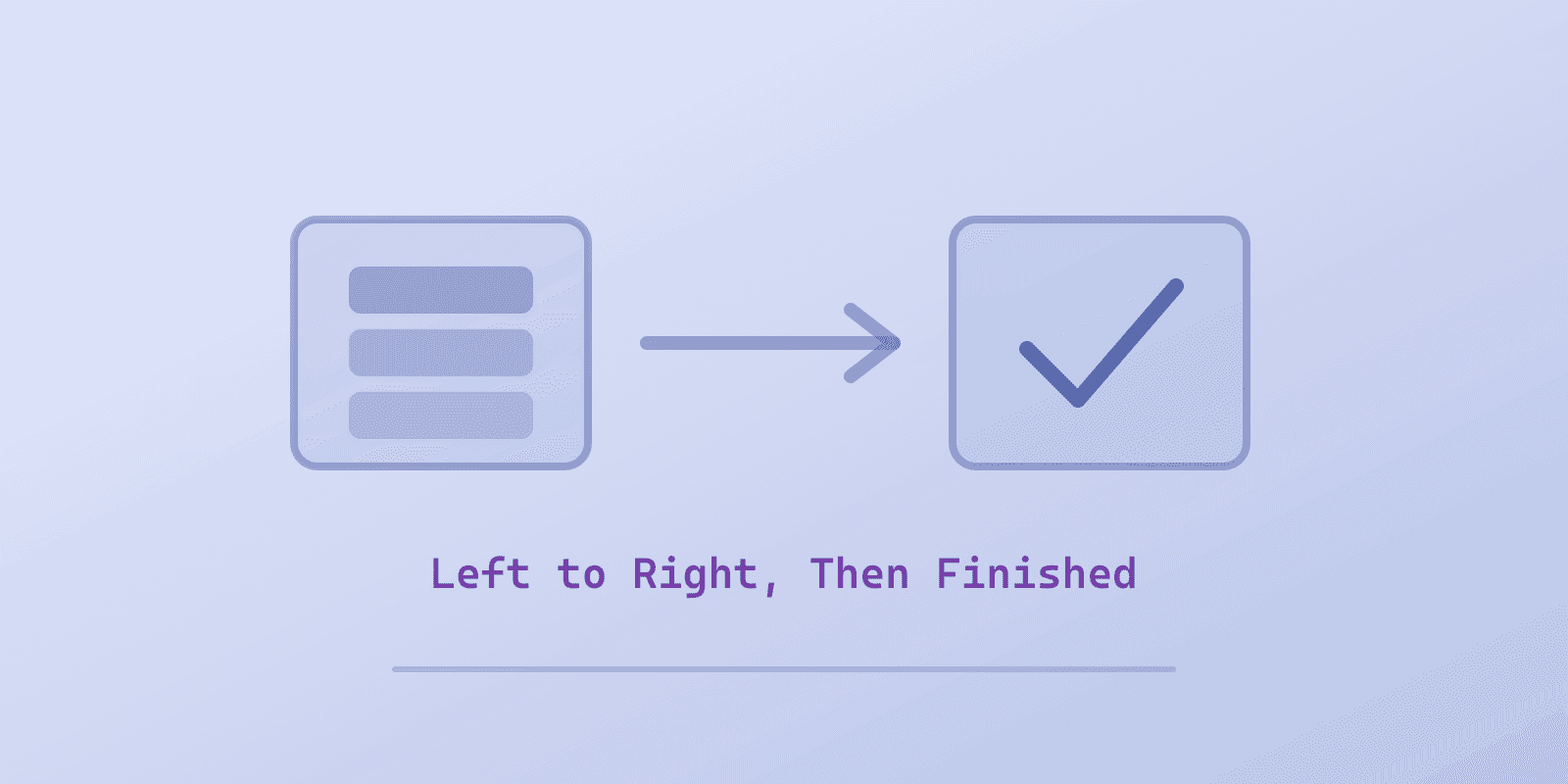
- Arrange the station so direction is built into the furniture. Work to be done on the left, finished work on the right, and a student can tell what is left without asking.
- Teach the routine before the content. Spend the first two weeks on boxes every student can already do, because independence is the skill being taught and easy content is what lets you fade.
- Rotate by changing contents, not containers. Students memorize a box faster than teachers expect, and a memorized box measures recall while looking like progress.
- Write down how each station runs. If the system only exists in your head, it stops the day you are absent, which is the day it most needs to work.
Most classrooms that abandon work boxes did not have bad boxes. They had a good box on a shelf nobody could run without the teacher standing next to it.
That is the useful thing to understand before buying or building anything. An independent work system has four moving parts, and only one of them is the box: the station it lives in, the routine that moves a student through it, the rotation that keeps it honest, and the record it produces. Getting the box right and the other three wrong produces a shelf of nice materials that quietly stops being used by October.
Setting up the station
- Give it a defined area. Even in a small room, independent work needs a place that is only for that. Students learn what a space is for by what happens there, and a table that is sometimes group instruction and sometimes independent work teaches neither.
- Build direction into the furniture. Work to be done on the left, finished work on the right, in a bin that is obviously the finished bin. A student should be able to see how much is left without asking anybody.
- Put the schedule beside it. The transition into independent work is where the routine usually breaks, and a visual schedule that names the station is what makes the move automatic.
- Start with boxes every student can already do. Independence is the skill being taught for the first two weeks, so the content should be easy. Difficult content in week one guarantees you are standing there prompting, which is the opposite of the thing you are building.
- Only then match boxes to goals. Once the room can run for ten minutes without you, start swapping in content that moves something on an IEP.
Rotation is the part that gets skipped
Students memorize a box faster than most teachers expect. Once memorized, the box measures recall, and the data it produces will look like progress while independence stands still.
The cheapest fix is to rotate contents rather than containers. A stable set of eight to twelve boxes can carry different material across a term, which costs a fraction of building new boxes and keeps the routine itself unchanged. Keep a note of when each box was last refreshed, because "it feels stale" arrives long after the data stopped meaning anything.
Watch for one specific signal: a student finishing a box faster each week while their accuracy on comparable new material stays flat. That is a memorized box, not a learned skill.
For daily warm-up work that is designed to be undated and rotated, the Morning Work for Teens Weeks 5-8 and Weeks 9-12 packs run the same four-part sheet across twelve weeks, which gives a station something to open with that changes without the routine changing.
What goes in the boxes
The system is content-agnostic, but two things make content suit a station rather than a lesson.
It has to be finishable without an adult, which means the information a student needs is printed on the materials rather than living in your key. And it should ask one question per box, because a box that sorts and counts and sequences gives you a score you cannot interpret.
For a teen or transition room, life-skills content keeps the station age-respectful while practicing the same operations, and life skills worksheets covers how to match a format to the skill. The daily warm-up slot has its own rules; see morning work for special education. The Hygiene and Safety Bundle covers self-care routines, community signs and kitchen safety in one download, which between them supply a term of sorting, sequencing and judgment tasks. If the room is specifically preparing students for work, vocational task boxes sets out how a job-based box differs from an academic one. And if the shelf is empty and there is no budget, free task boxes covers where to get them, including building them from what is already in the room.
The handover nobody writes
Here is the failure that costs the most and gets the least attention. The system exists in the teacher's head, runs beautifully while they are in the room, and collapses the first day they are not.
A station needs one page, kept at the station rather than in a binder in a cupboard, that says what the station is for, how a student starts and finishes, what to do when a student gets stuck, and what to record. Written like that it takes twenty minutes. Skipped, it costs a substitute an entire morning and a student a day of the routine you spent two weeks building.
If your room runs on paraprofessional support, this is worth treating as a real document rather than a verbal briefing, because the person covering may have met your students that morning. Setting up the paraprofessional role covers what belongs in that handover and how to agree a prompting rule so two adults support a student the same way. The Staff Systems Bundle for Paraprofessionals does exactly this job: station cards showing what to do and say at each station, an onboarding handbook for a new aide, and a sub and new-staff binder for the day you are out.
Taking data the room can actually sustain
Define the accuracy unit before the box goes on the shelf and write it where the work happens. Twenty cards into four bins means one point is one card in the correct bin, out of twenty.
Use one prompting scale across the whole room, verbal, gestural and physical, and record the highest level of help the session needed rather than counting how many times you helped. Wait five slow seconds before prompting, because processing time is not refusal.
The reason to write the rule on the box rather than train it is that the rule is then present at the moment somebody needs it. Data disagreements between staff are almost never carelessness. They are two reasonable people scoring an undefined thing differently, and the fix is a definition rather than a meeting.
Planning for a room where every student needs something different?
Beacon remembers your students and your setting, so you are not re-explaining them every time.
What would Beacon say?
"Help me plan a week for a mixed-goal group"
Beacon works from the goals and levels already in your room, then gives you something you can run on Monday. Not a blank template to fill in on Sunday night.

Spectrum Unlocked Editorial Team
Editorial Team
The Spectrum Unlocked editorial team combines lived experience as autism parents with research-backed guidance to create resources families can trust.
Frequently asked questions
- How do I set up work boxes in a special education classroom?
- Start with the station rather than the boxes. Give independent work a defined area with a clear direction of travel, conventionally work-to-do on the left and a finished bin on the right, so a student can see what remains without asking an adult. Put the schedule that sends them there next to it. Then stock it with boxes the students can already do, teach the routine for two weeks before you worry about the content, and only then start matching boxes to IEP goals. The most common mistake is building interesting boxes first and discovering later that no student can run the station without a prompt every ninety seconds.
- How many work boxes do I need?
- Enough to rotate without repeating within a week, which for most rooms is eight to twelve containers rather than three. The number matters less than the rotation plan. Because students memorize a box quickly, the practical approach is to keep a stable set of containers and change what goes inside them, so the same twelve boxes carry different contents across a term. If you are building from nothing, it is better to have eight boxes you rotate properly than twenty you never change.
- What is the difference between work boxes and task boxes?
- In most classrooms the terms are used interchangeably, and both describe a self-contained job a student completes independently. Where people do draw a line, task box tends to mean the individual container and its contents, while work boxes or work systems tends to mean the whole arrangement: the station, the sequence, the finished bin and the routine that moves a student through it. The distinction is worth keeping because the two fail differently. A bad task box teaches the wrong thing; a bad work system means good boxes never get used properly.
- How do I stop students memorizing their work boxes?
- Change the contents on a schedule rather than waiting until it looks stale. A box a student has completed a dozen times is measuring recall, not the skill it was built for, and the data will look like progress while independence stands still. Two practical habits help: keep a note of when each box was last changed, and vary the arrangement of materials inside so the answer cannot be found by position. If a student finishes a box faster each time without their accuracy on similar new material improving, they have learned the box.
- How do I take data on independent work without adding paperwork?
- Define the unit before the box goes on the shelf and write it on the box itself. If the job is sorting twenty cards into four bins, one point is one card in the correct bin, out of twenty. Record prompting on one scale used across the whole room, verbal, gestural and physical, and record the highest level of help the session needed rather than a tally. Because the rule is written where the work happens, an aide can record it without asking you and two staff will score the same session the same way, which is what makes the data usable at a meeting.
- How do I keep the system running when I am not there?
- Write it down, one page per station, and keep it where the station is rather than in a binder in a cupboard. A substitute or a new aide needs to know what the station is for, how a student starts and finishes, what to do when a student gets stuck, and what to record. This is the part teachers skip because the system is obvious to them, and it is exactly the part that fails on the day they are absent. If your room relies on paraprofessionals, the handover is worth treating as a real document rather than a verbal briefing.