The Best Binding Machine for Durable Visual Supports: Comb, Coil, and a $5 No-Machine Option
The best binding machines for making durable visual schedules, communication books, and adapted books: a budget comb binder, a coil machine, a tested $30 manual option, and a $5 no-machine method that still works.
Key Takeaways
- You do not need a machine to start. A set of binding rings turns a hole-punched stack of laminated cards into a flip book for a few dollars, and it is the fastest way to make a first-then book or a portable schedule.
- A binding machine earns its place when you make books often. It punches a whole stack at once and binds a spine that lays flat and turns cleanly, which matters for a child who handles the same book every day.
- Comb and coil do different jobs. A comb binder is cheapest and the comb is reusable, so you can open a bound book and swap a page. A coil spine is tougher and lays flatter, which suits a book that gets handled hard.
- Match the binding to the use. Daily communication books and visual schedules want a spine that opens flat and survives handling; a one-time social story booklet is fine on rings or a cheap comb.
- The spine is a consumable, like laminating pouches. Budget for combs or coils the way you budget for pouches, because a machine with no spines binds nothing.
Most binding advice is written for an office making report covers. Making durable visual supports for an autistic child is a different job, and it changes what you should buy. You are binding laminated picture cards, a communication book that gets opened fifty times a day, a first-then flip book, an adapted book with pages a child turns and sometimes chews the corner of. What matters is a spine that opens flat, turns cleanly, and survives a year of handling, and whether you need a machine at all.
So this guide covers the whole range, from a five-dollar set of rings to a classroom machine, and says plainly which one fits which use.
The short answer
- Not ready to buy a machine? A hole punch and a set of binding rings make a flip book for a few dollars. This is the fastest durable way to build a first-then book or a portable schedule.
- Want a cheap, small machine? A 10-hole manual binder (about $30) punches and binds thin planners and books, ships with colored spines, and stores in a drawer.
- Making books often, on a budget? The Amazon Basics comb binder does the whole job; put the savings into combs.
- Binding constantly in a classroom? The Fellowes Pulsar+ punches more sheets at once and is built for the workload.
- Want the flattest, toughest spine for daily-use books? A coil binder, because coil lays flat and turns a full 360 degrees.
Paid links: I get a commission for purchases made through the links below, at no extra cost to you.
How we chose
We did not test every machine on the market, and we will not pretend we did. These picks come from making real visual supports: laminating and binding schedules, communication books, and adapted books for autistic kids, and living with how those books hold up. The 10-hole manual binder below is one we own and use. For the rest, we read the listings against that experience, checked each product was genuinely in stock and buyable, and favored the ones with a long, strong review history over a cheaper near-identical clone with a handful of ratings. Where a machine and its spine are really one purchase pretending to be two, we said so.
Start here: no machine required
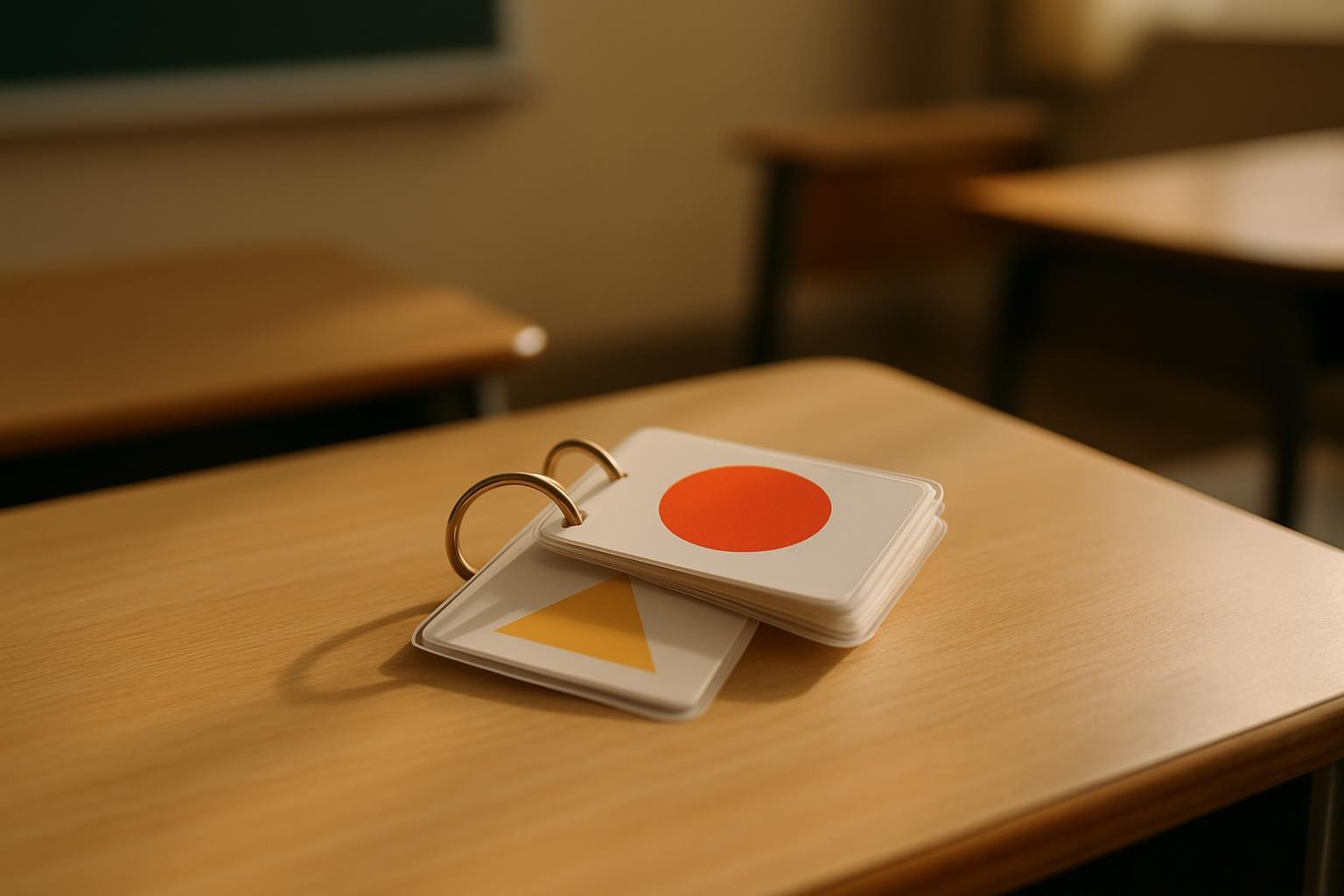
Before you spend anything on a machine, know that binding rings do most of what a parent needs. Punch a hole in the corner of each laminated card, thread a ring through, and you have a flip book that opens flat, lies open on a table, and lets you add, remove, or reorder pages in seconds. For a first-then board, a portable schedule, or a small choice book, this is often the right answer permanently, not a stopgap.

KTOJOY 2-Inch Loose Leaf Binder Book Rings (15-Pack)
The one tool rings do need is a hole punch. A sturdy single-hole punch costs a few dollars, handles laminated cards one at a time, and together with a set of rings it is a complete, durable binding kit for about ten dollars and no machine at all.

Swingline Single Hole Punch (5-Sheet)
Rings also pair with everything below: punch on a machine, bind on rings, and you get the clean holes of a machine with the swap-any-page freedom of rings.
The cheapest machine worth owning

IMLIKE 10-Hole Manual Binding Machine with Multi-Color Spines
This is the one we actually use. It is a small, all-metal manual punch that handles letter, A4, A5, and B5, and it ships with multi-color flexible spines, so you can color-code a set of books out of the box. It will not punch a thick stack the way a classroom machine does, and it is built for planners and thin books rather than three-hundred-page volumes, but for a parent making a handful of durable visual books at the kitchen table, it is hard to beat for the price. The colored spines are a quiet win for special education: a child who cannot read the label can still find the green book.
Paid link.
The classroom standard: comb binding

Amazon Basics Comb Binding Machine
A comb binder is the workhorse of a school supply closet. You punch a stack, open a plastic comb on the machine, drop the pages onto the teeth, and close it. The comb is reusable, so a bound book can be reopened and a page swapped, which suits a communication book that grows as a child does. The Amazon Basics machine covers letter and A4 and is the honest budget choice; the money you do not spend on the machine should go into combs.

Fellowes 1/2-Inch Plastic Binding Combs (100-Pack)
Combs are the consumable here, the way pouches are for a laminator. A half-inch comb holds a comfortable stack for a schedule or a data binder; buy a size up for a thick adapted book.
Paid links.
The step up: a classroom machine

Fellowes Pulsar+ Comb Binding Machine
If you bind often enough that the budget machine starts to feel slow, the Fellowes Pulsar+ is the common upgrade. It punches a larger stack at once, binds up to a few hundred sheets, and has a continuous punch-and-bind rhythm that matters when you are making a class set. Its own description names decodable reading books and custom student workbooks, which is exactly the special education use case. It is the most expensive machine here, and worth it only if your volume justifies the speed.
Paid link.
The flattest, toughest spine: coil binding

MAKEASY Spiral Coil Binding Machine with Electric Coil Inserter
Coil binding is the best choice for a book that gets handled hard every day. A coil spine lays completely flat, turns a full 360 degrees so the book folds back on itself, and shrugs off the handling a daily communication book or visual schedule takes. This machine punches by hand and inserts the coil with a small motor, which removes the fiddliest part of coil binding. Pair it with coil spines in the diameter your book needs.

Binditek 12mm Plastic Spiral Binding Coils (100-Pack)
A 12mm coil holds a solid daily-use book; step up the diameter for a thicker volume. Like combs, coils are the ongoing cost, so budget for them.
Paid links.
Which binding for which support
- Daily communication book or visual schedule: coil or sturdy rings. Both lay flat and survive heavy handling.
- First-then board or small choice book: binding rings. Cheap, instant, and you can reorder pages on the fly.
- Adapted book a child turns page by page: comb or coil, sized up for thickness.
- One-time social story booklet: rings or a cheap comb. It does not need to outlive the lesson.
- Teacher data binder or portfolio: comb, so you can open it and add pages through the year.
The thread running through all of it: the spine is a consumable. A machine with no combs or coils binds nothing, so budget for spines the way you budget for laminating pouches, and keep a size or two on hand.
Related tools and reading
If you are setting up to make your own visual supports, the companion piece on how to bind a book at home walks through the rings, comb, and coil methods step by step. For the rest of the make-your-own-supports kit, see the best laminator for teachers and the best printer for teachers. And for what to actually put in those books, Spectrum Unlocked's free makers build the pages you bind: the visual schedule creator, the communication board maker, the adapted book maker, the social story maker, the PECS card maker, and the first-then board. The companion guides to visual schedules and communication boards explain what goes on each page.
Some links on this page are affiliate links. If you buy through them, we may earn a small commission at no extra cost to you.
Products mentioned in this article
KTOJOY 2-Inch Loose Leaf Binder Book Rings (15-Pack)
Swingline Single Hole Punch (5-Sheet)
IMLIKE 10-Hole Manual Binding Machine with Multi-Color Spines
Amazon Basics Comb Binding Machine
MAKEASY Spiral Coil Binding Machine with Electric Coil Inserter
Fellowes Pulsar+ Comb Binding Machine
Fellowes 1/2-Inch Plastic Binding Combs (100-Pack)
Binditek 12mm Plastic Spiral Binding Coils (100-Pack)
Prices and availability are accurate as of the date/time shown and are subject to change. Any price and availability information displayed on Amazon at the time of purchase will apply to the purchase of this product.
Planning for a room where every student needs something different?
Beacon remembers your students and your setting, so you are not re-explaining them every time.
What would Beacon say?
"Help me plan a week for a mixed-goal group"
Beacon works from the goals and levels already in your room, then gives you something you can run on Monday. Not a blank template to fill in on Sunday night.
Spectrum Unlocked Editorial Team
Editorial Team
The Spectrum Unlocked editorial team combines lived experience as autism parents with research-backed guidance to create resources families can trust.
Frequently asked questions
- What is the best binding machine for a teacher or parent?
- For most people making classroom or home visual supports, an inexpensive comb binder does the whole job, and the money you save goes into spines. The Amazon Basics comb machine is hard to argue with at its price. If you want something small, portable, and genuinely cheap, a 10-hole manual binder handles planners and thin books for about thirty dollars. If you bind constantly, the Fellowes Pulsar+ is the classroom step up. And if you are not ready to buy a machine at all, binding rings make a flip book for a few dollars.
- What is the difference between comb and coil binding?
- A comb is a flat plastic spine with teeth that you open on the machine, drop the pages onto, and close, so a bound book can be reopened and edited. A coil is a continuous plastic spiral you wind through the holes; it lays flatter, turns a full 360 degrees, and survives heavy handling, but it is not meant to be reopened. For a communication book or a visual schedule a child uses every day, coil is tougher; for a book you expect to swap pages in and out of, comb is friendlier.
- Do I need a binding machine to make a visual schedule or communication book?
- No. The cheapest durable option is a hole punch and a set of binding rings: punch your laminated cards, thread a ring through, and you have a flip book that opens flat and lets you add or remove pages freely. Many teachers never buy a machine and bind everything on rings. A machine is worth it once you are making enough books that punching and binding by hand becomes the slow part.
- What binding works best for laminated cards and visual supports?
- Laminated pages are thicker and stiffer than paper, so count them as more than one sheet when you check a machine's punch capacity, and punch fewer at a time. Binding rings and coil spines both handle laminated cards well because they tolerate thickness and lay flat. For a daily-use communication book, a coil spine or sturdy rings hold up best; a comb can work but the teeth take more handling wear.
- How many sheets can these machines punch and bind?
- Punch capacity and bind capacity are two different numbers. A budget comb or coil machine typically punches around 10 to 12 sheets of regular paper per pull, while the bound spine can hold a few hundred pages depending on the comb or coil diameter. Laminated cards count as more than one sheet each, so punch in small batches to avoid jams and uneven holes.
- Are colored spines worth it for autism and special education materials?
- They can be, and they are inexpensive. Color-coding spines by subject, by routine, or by student is a simple visual system, and a child who cannot yet read a label can still find the green book. The IMLIKE manual binder ships with multi-color spines, and colored combs and coils are sold cheaply as refills, so this is a low-cost way to make a set of books easier to sort and find.