Best Sensory-Friendly Training Pants and Underwear for Autistic Kids
The training pants and seamless underwear that sensory-sensitive autistic kids will actually wear: padded cotton for training, truly seamless for seam-sensitive kids, and tag-free organic for sensitive skin.
Key Takeaways
- For a lot of autistic kids, the fabric is what blocks underwear, more than the potty training itself. A scratchy seam or tag produces a refusal that looks behavioral but is really sensory, and no sticker chart fixes a seam.
- Cotton training pants and pull-ups do different jobs. Cotton lets your child feel wetness immediately, which is the feedback that drives learning. It catches dribbles, not floods, so save it for daytime and home.
- Match the garment to the sensitivity. Padded cotton training pants for the training weeks, truly seamless knit underwear for seam-sensitive kids, organic tag-free briefs for sensitive skin.
- There is a real difference between 'tagless' marketing and truly seamless. SmartKnit-style underwear is knit in one piece with no seams at all, which is a different product than a brief with flat seams.
- Wash everything before the first wear, let your child touch and choose, and change one variable at a time. New underwear plus a new routine on the same day is two battles at once.
You finally get a yes to sitting on the potty, and then the underwear ends the whole thing. The seam hits wrong, the tag scratches, the waistband squeezes, and your child is done with the pants, even though the potty part was going fine. For a lot of autistic kids the fabric is the gatekeeper: a scratchy seam produces a refusal that looks behavioral but is purely sensory, and no reward chart fixes a seam.
This guide covers the best sensory training pants and underwear for autistic kids, the ones sensory-sensitive kids will keep on, each chosen for a different fabric problem. If the fabric is not the blocker and you just want the best training pants for the active training window itself, start with the best training pants for potty training an autistic toddler guide instead. If the struggle in your bathroom is bigger than clothing, our guide to sensory issues in potty training covers the whole environment, and if the refusal extends past underwear to the whole wardrobe, the clothes battle guide covers dressing head to toe.
The Fabric Rules That Make or Break It
- Feel beats features. Absorbency numbers do not matter if the garment never gets worn. Solve the texture first, then the function.
- Cotton is the learning tool. Training pants that let your child feel wetness immediately teach the body signal. They catch a dribble, not a flood, so pair them with an absorbent product for outings and nights while skills build. If your child needs bigger sizes or real overnight absorbency, that is the bigger-size training pants guide, a different problem from the one this list solves.
- Wash before the first wear, twice. New-fabric stiffness and finishing residue are exactly what a sensory-sensitive child notices. A few washes change the answer.
- One change at a time. New underwear on day one of a new potty routine is two battles at once. Introduce the garment during calm weeks when nothing is riding on it.
What Each Pair Had to Pass
No textile lab was involved, and no pair was given a score. Each garment was judged on its stated fabric, its seam construction, and its size chart, alongside what OTs and parents of seam-sensitive kids describe. Every pair had to clear five hurdles:
- Soft against the skin. Soft cotton or seamless knit, a covered or knit-in waistband, and no scratchy sewn tag.
- Clear about absorbency. Each one is described plainly as holding a dribble or holding nothing at all.
- Sizes past 4T. Autistic kids often train later, so ranges that run toward 7T ranked higher.
- Daily washing for weeks. Multipacks and durable stitching won out.
- A different fabric problem for each pick. Training feedback, seam sensitivity, sensitive skin and cut preference each get their own garment, rather than five versions of the same pant.
The Best Sensory Training Pants and Training Underwear for an Autistic Child
Best overall for the training weeks: MooMoo Baby Cotton Training Pants
Padded front and back with a cotton outer, so a small accident gets caught while your child still feels wet immediately, which is the feedback that does the teaching. The size range runs 2T to 7T, which matters in this house: autistic kids often train later, and most cotton training pants stop at 4T. Start here for daytime training at home.

MooMoo Baby Cotton Training Pants (2T-7T)
Best budget multipack: BIG ELEPHANT Soft Cotton Training Pants
Plain soft cotton that looks and feels like real underwear, in packs big enough that laundry never forces you back into pull-ups. Less padding than the MooMoo pick, so more feedback and less protection, which is exactly right for the late stage of training when accidents are small and rare.

BIG ELEPHANT Soft Cotton Training Pants
Best for seam-sensitive kids: SmartKnitKIDS Seamless Boxer Brief
This is the one to try if your child pulls underwear off or melts down over fabric. SmartKnit garments are knit in one continuous piece, the way a sock is, so there are no seams anywhere, no sewn tag, and no separate elastic band digging in. (The same construction exists for the feet; the seamless socks guide covers it.) The boxer-brief cut adds light, even coverage on the thigh, which some kids find calming. This is graduation underwear: zero absorbency, pure comfort, for when the skills are there and the fabric is the last blocker.

SmartKnitKIDS Seamless Sensitivity Undies (Boxer Brief, 3-Pack)
Same seamless construction, brief cut: SmartKnitKIDS Boy-Cut Brief
The identical knit-in-one-piece construction in a shorter brief cut, for kids who hate fabric on their thighs as much as others need it. Between the two SmartKnit styles, let your child's existing pajama and shorts preferences predict the cut, or let them choose.
One labelling note so the checkout page does not surprise you: "boy cut" here is the name of the cut, the same way boy shorts are in women's underwear, and this particular style is listed under the girls' range. The garment is the same seamless construction either way, so buy on the cut your child prefers rather than on the label.
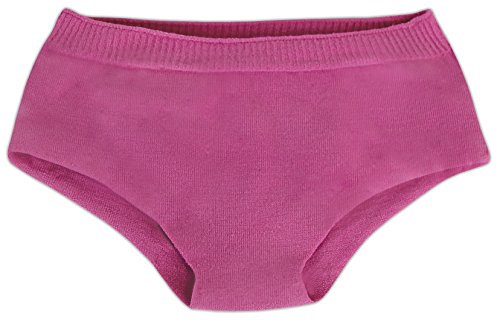
SmartKnitKIDS Girls' Boy Cut Style Seamless Sensitivity Undies
Best tag-free cotton for sensitive skin: City Threads Organic Briefs
A middle path: ordinary brief construction but in very soft organic cotton with covered waistbands and no scratchy tag, made specifically for sensitive skin and marketed for exactly this need. For the child who tolerates normal seams but reacts to rough fabric, dyes, or tags, this is the affordable everyday drawer-filler. Boys' and girls' versions are on the same brand storefront.

City Threads Organic Cotton Briefs (Sensitive Skin / SPD)
Everyday Underwear for Sensory Issues, Long After Potty Training
Not every family reading this is potty training. Plenty of autistic kids are years past that and still cannot tolerate a seam, and the request is simpler than a training plan: underwear for sensory issues, worn every day, that a child will actually keep on. Three of the picks above answer exactly that. Both SmartKnitKIDS styles and the City Threads briefs carry no absorbency, so they work as ordinary sensory underwear rather than as training garments.
The decision for boys and for girls is the same one, and it comes down to seams. Truly seamless knit is what to try when a child pulls underwear off within minutes, because nothing in the garment is sewn. Soft organic cotton with a covered waistband and no tag is enough for the child who tolerates a seam but reacts to rough fabric or dye. City Threads lists boys' and girls' versions on the same storefront, and the SmartKnit boy-cut brief is listed under the girls' range despite its name, so buy on the cut your child already prefers rather than on the label.
The First Wet Days After Pull-Ups
When you move from pull-ups to any of these, expect the first days to be wet ones. Those wet days mean the plan is working, because your child is getting the body feedback pull-ups were hiding. Keep the change boring and low-stakes, stack the odds with a soft garment they chose themselves, and let the sensory issues guide handle the rest of the bathroom. For the timing question itself (when to switch, which pull-up slots survive, and how to stage the transition), see pull-ups vs underwear for autistic kids.
A good pair is one your child stops noticing, and once the fabric fades into the background, the learning has room to happen.
The same goes for everything else your child puts on. If seams and closures are a fight elsewhere in the wardrobe, our guides to seamless socks and sensory-friendly shoes apply the identical logic to the two layers that press hardest all day.
Products Mentioned in This Article
MooMoo Baby Cotton Training Pants (2T-7T)
BIG ELEPHANT Soft Cotton Training Pants
SmartKnitKIDS Seamless Sensitivity Undies (Boxer Brief, 3-Pack)
SmartKnitKIDS Girls' Boy Cut Style Seamless Sensitivity Undies
City Threads Organic Cotton Briefs (Sensitive Skin / SPD)
Prices and availability are accurate as of the date/time shown and are subject to change. Any price and availability information displayed on Amazon at the time of purchase will apply to the purchase of this product.
Potty training an autistic child follows a different playbook.
Beacon learns about YOUR child and gives guidance specific to them.
What Would Beacon Say?
"Help me with potty training my child"
Beacon walks the route with you day by day, factoring in your child's sensory profile, communication, and the readiness signals that actually matter.
Spectrum Unlocked Editorial Team
Editorial Team
The Spectrum Unlocked editorial team combines lived experience as autism parents with research-backed guidance to create resources families can trust.
Frequently Asked Questions
- Why does my autistic child refuse to wear underwear?
- Often it is the fabric, not the potty training. Seams, tags, tight elastic, and stiff new-clothing finish are all real tactile stressors for a sensory-sensitive child, and the refusal they produce looks behavioral but is sensory. Before treating it as defiance, try a truly seamless or tag-free pair, wash it a few times to soften it, and let your child touch it and choose it. Many refusals disappear when the garment stops hurting.
- Are cotton training pants better than pull-ups for autistic kids?
- They do different jobs. Pull-ups absorb like a diaper, which keeps clothes dry but hides the wetness feedback many kids need in order to connect the body signal with the result. Cotton training pants hold a small accident while letting your child feel wet immediately, which is the learning signal. Many families use cotton training pants at home during the day and an absorbent product for outings, naps, and nights while skills build.
- What is the difference between training pants and training underwear?
- Most brands use the two names for the same garment. Padded cotton training pants are sold as training underwear, or as potty training underwear, just as often, and both describe something that looks like real underwear while still holding a small accident. What matters for a sensory-sensitive child is absorbency, not the name on the packet. The MooMoo and BIG ELEPHANT picks here are padded, so they catch a dribble during the training weeks while your child still feels wet immediately. The SmartKnitKIDS and City Threads picks have no padding at all, which makes them everyday underwear for the child whose skills are already there and whose only remaining blocker is fabric.
- What is the difference between tagless and truly seamless underwear?
- Tagless means the brand printed the label instead of sewing in a tag, but the garment still has ordinary sewn seams. Truly seamless underwear, like SmartKnitKIDS, is knit in one continuous piece, so there are no seams anywhere, no sewn elastic band, and nothing to rub. For a mildly sensitive child, tag-free with soft flat seams is usually enough. For a child who pulls clothes off or melts down over fabric, the truly seamless construction is the one to try.
- What size training pants for an older autistic child?
- Reusable cotton training pants commonly run to about 7T, which covers many autistic kids who train later than their peers. Measure your child and check the brand's chart rather than buying by age, since sizing varies. If your child has outgrown even the biggest cotton training pants, or needs serious overnight absorbency, that is a different product category: bigger-size absorbent training pants, which we cover in a separate guide.
- How many cotton training pants do I need for potty training?
- More than you think. During the active training weeks most families go through 4 to 8 pairs a day between accidents and near-misses, and you do not want laundry pressure to push you back to pull-ups. Eight to ten pairs is a comfortable starting set. Multipacks of 6 to 10 are the practical buy, and having enough also lets you wash everything several times, which softens the fabric before it ever touches your child's skin.
- Should I let my child pick their own underwear?
- Yes, whenever you can. Choice lowers resistance on its own, and for a sensory-sensitive child the act of touching and approving the fabric before buying is real information, not indulgence. Offer two or three pre-screened options that all pass your sensory checklist (soft fabric, no scratchy tag, seams your child tolerates) so any pick is a win, and let a favorite color or character do the motivational work.