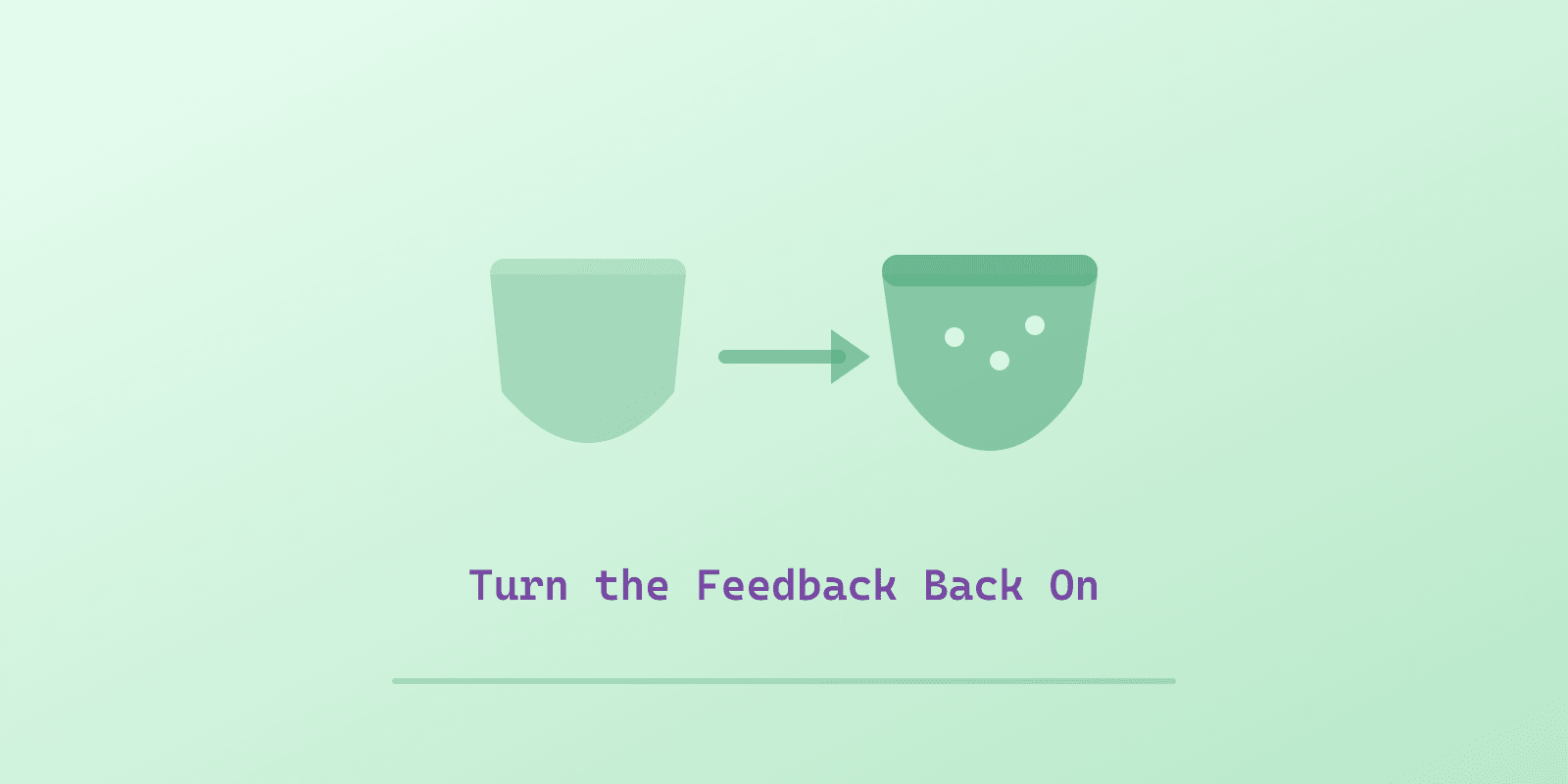
Pull-Ups vs Underwear for Potty Training an Autistic Child: When to Switch
Switching from pull-ups to underwear is the highest-leverage move in potty training an autistic child, and the most feared. When to switch, when pull-ups still make sense, and the middle options nobody mentions.
Key Takeaways
- Pull-ups are engineered to feel dry, which mutes the wet-feedback signal that potty training depends on. For autistic kids with muted interoception, that feedback matters even more, which is why the underwear switch is the highest-leverage single change most families can make.
- Switch when daytime training actually starts, not when training is finished. Underwear during the active training window, with pull-ups surviving only in defined slots (sleep, long car rides) that the child can predict.
- The middle options solve most standoffs: padded cotton training pants give underwear-grade wet feedback with accident-grade absorbency, and seamless versions exist for kids who fight fabric.
- Nighttime runs on different biology, and keeping a nighttime pull-up while running daytime underwear is standard practice, not mixed messages, as long as the slots are predictable and visual.
- If your child refuses underwear, treat it as a sensory problem before a compliance problem: the seam, the tag, or the waistband is usually the issue, and the fix is different underwear, not more pressure.
No purchase decision in potty training carries more anxiety than the underwear switch. Pull-ups feel safe: accidents stay contained, outings stay possible, the floor stays dry. Underwear feels like jumping without a net. So families hover in pull-ups for months, waiting for the child to be "ready for underwear," while the pull-up itself quietly works against them.
The short answer: switch to underwear when active daytime training starts, keep pull-ups only in defined, predictable slots (sleep, long drives), and use padded training pants as the bridge when full underwear feels like too big a jump. The reason is mechanical: pull-ups are built to feel dry, and feeling wet is how the body learns. Here's the decision by situation:
| Situation | What to use | Why |
|---|---|---|
| Active daytime training, readiness signs present | Underwear (or padded training pants) | Wet feedback is the learning signal; pull-ups mute it |
| Sleep and naps | Pull-up, presented as sleep equipment | Night dryness runs on different biology and arrives later |
| Long car rides, no-bathroom outings during training | Pull-up in a defined, named slot | Predictable exceptions don't confuse a rule; random ones do |
| Child feels accidents as catastrophic, or cleanup capacity is zero | Padded cotton training pants | Wet feedback with partial containment |
| Child refuses underwear on contact | Seamless, tag-free underwear, sized up | It's the seam, not the potty training |
| Older child past pull-up sizing | Bigger-size training pants + an older-kid training plan | Product for today, plan for the next months |
Why the Pull-Up Works Against You
A pull-up is a diaper that pulls up. Its engineering goal is feeling dry: moisture wicks away from skin so the child stays comfortable. That's exactly the wrong feature during training, because the wet feeling is the feedback loop. The body signals, the child doesn't act, the consequence arrives as unmistakable wet discomfort, and the brain wires the connection.
For autistic kids this matters double. Interoception, the internal body-sense that announces a full bladder, is commonly muted in autistic children, so the external feedback has to carry more of the teaching load. Mute that too and the child is learning with both signals turned down. Months of "we're still in pull-ups but practicing the potty" is usually this exact loop running quietly in the background.
None of this makes pull-ups the enemy. It makes them a tool with one specific cost, which you spend deliberately in slots where containment matters more than feedback, and never as the all-day default once training has started.
Making the Switch Without a Meltdown
The switch is a transition, and transitions are exactly where autistic kids need structure. The pieces that make it land:
- Verify readiness first. The switch amplifies training that's ready to happen; it can't create readiness that isn't there. The free readiness quiz settles that in five minutes.
- Make it an event, not an ambush. Put it on the visual schedule days ahead. Let your child choose the underwear; the character print is doing real motivational work. A printable visual toileting sequence for boys, or a girls' picture routine, gives that schedule its steps.
- Define the surviving pull-up slots out loud and visually. Sleep equipment, car equipment. A rule with named exceptions is still a rule; random exceptions are noise.
- Pre-wash and pre-tolerate. Wash new underwear a few times to soften it, then run short wearing windows at calm times before training depends on it.
- Commit to the accident window. The first days produce accidents; that's the system working, not failing. Handle them flat and warm, the way the pillar guide describes.
The Middle Options Nobody Mentions
The binary is false here too. Padded cotton training pants give the wet feedback underwear gives, contain a single accident the way underwear doesn't, and pull up and down to build the same motor routine. They're the right answer for the training window in most houses, and Spectrum Unlocked's best training pants for potty training an autistic toddler guide sorts the picks by job (thin cotton for feedback, padded for a gentle start, waterproof for naps and the car). For seam-sensitive kids specifically, the sensory-friendly training pants roundup covers the truly seamless versions. For older kids past standard sizing, the bigger-size training pants roundup covers daytime, heavy overnight, and won't-wear-a-diaper picks.
If underwear refusal is the wall you've hit, it's almost always sensory before it's behavioral: the leg-band seam, the tag, the waistband. The clothes battles guide covers the audit, and seam-free underwear exists for exactly this child.
Nighttime Is a Different Project
Keep the nighttime pull-up without guilt. Night dryness depends on a maturing bladder-brain connection during sleep, arrives on its own schedule (often months or years after daytime reliability), and is not trained by underwear-induced misery at 2 a.m. Run daytime underwear and nighttime pull-ups in parallel, signposted visually so the slots are predictable, and read the nighttime dryness guide for when active night training is actually worth attempting.
The Bottom Line
Underwear when active training starts. Pull-ups demoted to named slots: sleep, long drives. Padded training pants as the bridge when the jump feels too far, seamless everything if your child fights fabric, and bigger sizes plus an older-kid plan when pull-up sizing runs out. The switch feels like losing the safety net; what it actually does is turn the feedback back on.
Potty training an autistic child follows a different playbook.
Beacon learns about YOUR child and gives guidance specific to them.
What Would Beacon Say?
"Help me with potty training my child"
Beacon walks the route with you day by day, factoring in your child's sensory profile, communication, and the readiness signals that actually matter.
Spectrum Unlocked Editorial Team
Editorial Team
The Spectrum Unlocked editorial team combines lived experience as autism parents with research-backed guidance to create resources families can trust.
Frequently Asked Questions
- Do pull-ups delay potty training for autistic kids?
- They can prolong it, for a specific mechanical reason: pull-ups are engineered to wick moisture and feel dry, which mutes the wet-feeling feedback that connects the body's signal to the result. Many autistic kids already have muted interoception, so removing the one clear external signal makes the learning loop slower still. That doesn't make pull-ups evil; it makes them a tool with a specific cost, fine in defined slots like sleep, and counterproductive as the all-day default once active training starts.
- When should I switch my autistic child from pull-ups to underwear?
- At the start of active daytime training, once the readiness signs are present, rather than as a graduation prize at the end. The wet feedback is part of how training works, not a reward for having finished it. Make the switch a planned event: visual schedule, the child involved in choosing the underwear, defined pull-up slots that remain (sleep, long drives), and a committed stretch of days where accidents are expected and handled flatly.
- Should my child wear underwear or a pull-up at night during potty training?
- A nighttime pull-up alongside daytime underwear is standard practice, not mixed messages. Nighttime dryness runs on different biology (a maturing bladder-brain connection during sleep) and routinely arrives months or years after daytime reliability. The key for autistic kids is making the slots predictable and visual: underwear is daytime clothing, the pull-up is sleep equipment, and the schedule shows which is when. Our nighttime guide covers when night dryness is worth actively training versus waiting.
- What if my autistic child refuses to wear underwear?
- Treat it as sensory information first. The usual culprits are the seam across the toes' equivalent (the leg-band ridge), the tag, the waistband pressure, or the unfamiliar fabric against skin that pull-ups never touched. The fix is usually different underwear rather than more pressure: truly seamless knit-in-one-piece styles, tag-free, in a size up. Involve your child in choosing (character prints do real motivational work), wash new pairs a few times before the first wear, and start with short tolerated wearing windows at calm times rather than launching straight into training.
- Are padded training pants better than pull-ups for autistic kids?
- For the active training window, usually yes. Padded cotton training pants sit in the useful middle: the child feels wet (the learning signal pull-ups remove) but the accident is partially contained (the cleanup disaster underwear invites). They pull up and down like underwear, building the same motor routine. The trade-offs: they hold one accident, not an afternoon, and they're not a nighttime solution. Sensory-sensitive kids may need the seamless versions.
- My older autistic child has outgrown pull-up sizes. What now?
- Two parallel tracks. Practically, bigger-size training pants and absorbent underwear exist well past standard pull-up sizing, and our roundup for older kids covers the options by daytime, heavy overnight, and won't-wear-a-diaper situations. Strategically, outgrowing the product is often the push families needed to revisit training itself with an older-kid approach built on dignity and partnership rather than toddler methods. Both tracks can run at once: the right product for today, the training plan for the next months.