
Best Chew Necklaces for Autistic Kids (Matched to How They Chew)
The chew necklaces that actually hold up for autistic kids, plus the safety rules that matter most: matching the chew strength, supervision, and when to throw one out.
Key Takeaways
- A chew necklace gives a kid who needs to chew a safe thing to chew on instead of shirt collars, pencils, or their own hands. For a lot of autistic kids it is calming and organizing.
- The single most important choice is matching the chew strength to how hard your child chews. A necklace that is too soft for a strong chewer becomes a choking hazard fast; one that is too firm for a mild chewer just gets ignored.
- Safety basics: supervise use, choose a breakaway clasp, and inspect often. The moment you see a crack, a tear, or a chewed-through spot, throw it out and replace it.
- For an older kid or teen, a discreet design that looks like normal jewelry is what they will keep wearing. For a young or unpredictable chewer, start supervised and on the lighter side.
- Chewing is communication. It often means sensory seeking, anxiety, or an oral-motor need, and sometimes hunger or a medical issue. The necklace meets the need safely while you and your OT or SLP work out what is driving it.
If your autistic child chews, on shirt collars, pencil tops, sleeves, or their own hands, a chew necklace gives that very real need a safe place to land. For a lot of kids, the steady input of chewing is calming and organizing, and a chewable necklace lets them get it without wrecking clothes or hurting themselves.
With chew necklaces, though, the wrong pick can be unsafe as well as useless. (And if your big chewer also fights the toothbrush, that is not a contradiction; the toothbrushing guide explains why control is the difference, and there are chew-safe toothbrushes built to survive brush-biters.) So this guide groups the necklaces by bite strength and puts the safety rules first, because they decide which necklace is right at all.
Firmness Has to Match the Bite
A chew necklace has to match how hard your child chews. Most of the safety risk sits in that one match.
- A necklace that is too soft for a strong chewer gets bitten through fast, and a chewed-through or torn piece is a choking hazard.
- A necklace that is too firm for a mild chewer just gets ignored, so you have wasted money and your child is back to chewing their collar.
Good brands label firmness in tiers, often something like standard, firm, and very firm, which makes matching simple once you know your child. If you do not know yet how hard your child chews, start supervised and watch how quickly they mark the material.
The rest of the safety rules follow from that:
- Supervise, especially at first, and especially with a new or unpredictable chewer.
- Choose a breakaway clasp so the necklace releases instead of catching if it snags, and never let a child wear one on playground equipment or anywhere it could get caught.
- Inspect often and replace early. The moment you see a crack, a tear, or a chewed-through spot, throw it out. A worn chew necklace is a choking hazard, not a hand-me-down.
- Pick food-grade, BPA- and phthalate-free silicone from a reputable maker, and avoid thin hollow tubes that can collapse.
One more thing worth holding onto: chewing is communication. It usually means a sensory or oral-motor need, anxiety, or sometimes hunger, and occasionally something medical worth a pediatrician's eye. The necklace meets the need safely right now; understanding the why is the deeper work, and our guides to building a sensory diet and sensory-friendly activities are where that starts.
What Earned a Necklace a Spot Here
Nothing here was bite-tested in a lab, and there are no star ratings. Each necklace made the list on checks you can confirm on the listing yourself:
- A stated firmness tier. The maker says plainly whether the piece is soft, firm or very firm, so you can match it to your child's bite instead of guessing.
- Food-grade silicone and a breakaway clasp. BPA- and phthalate-free material named on the listing, and a clasp that releases if the cord snags.
- A shape that survives the back teeth. Thick, solid pieces for heavy biters rather than thin hollow tubes that collapse.
- A look your child will keep on. Jewelry-style pieces for self-conscious older kids, and a multipack where replacing often is the reality.
Chewing Necklaces for Autism in Soft, Firm and Very Firm
Best overall for moderate chewers: ARK Krypto-Bite (Firm)
For the typical chewer who is hard on materials but not destroying everything, this is the sensible default. ARK is a trusted, US-made therapy brand, the medical-grade silicone is built to last, and the firm version handles real chewing without being so hard a moderate chewer ignores it. The tube shape reaches the back teeth where a lot of kids want the pressure. Start here if you are not sure.

ARK Krypto-Bite Chewable Tube Necklace (XT, Firm)
Best for strong, aggressive chewers: ARK Saber Tooth (Very Firm)
If your child bites through everything, you need the heavy-duty tier, and this is it. The very-firm material is made for high bite force, so it stands up to an aggressive chewer far longer than a standard necklace, which is a safety win as much as a durability one, because the thing that lasts is the thing that does not become a choking hazard mid-chew. Still inspect it and replace at the first sign of damage.
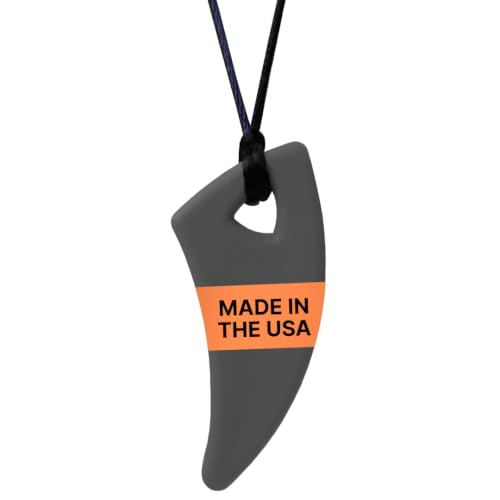
ARK Saber Tooth Chew Necklace (XXT, Very Firm)
Best for mild and younger chewers: ARK Krypto-Bite (Softest)
For a gentle chewer or a younger child, the softest tier gives satisfying input without being harder than they need. Same trusted brand and safe material, just tuned for a lighter bite. As always with younger kids, supervise, and step up a firmness tier if they start marking the material quickly.

ARK Krypto-Bite Chewable Tube Necklace (Standard, Softest)
Best discreet option for older kids and teens: Munchables Strawberry
Older kids and teens often will not wear anything that looks like an obvious chew toy, and a necklace that stays in a drawer helps no one. Munchables makes chewelry designed to read as normal jewelry, so a self-conscious tween can wear it at school without a second glance. Food-grade silicone with a breakaway clasp. Match the strength to their bite as you would for any age.

Munchables Strawberry Discreet Chew Necklace
Best value, and best for frequent replacing: GNAWRISHING 6-Pack
Because chew necklaces are consumables you replace as they wear, a multipack is often the smart buy, especially for a strong chewer or a kid who loses things. This pack gives you backups on hand so a worn or missing necklace never means going without, and the per-piece cost is low. Keep the same inspect-and-replace habit; having spares makes it easier to stick to.

GNAWRISHING Chew Necklaces (6-Pack)
Offer It Before the Collar Goes in the Mouth
Offer the necklace before the moments that tend to trigger chewing, not just after, so it becomes the default rather than a correction. Let your child have a say in the color or style, because a piece they like is one they will keep on. And keep the inspect-and-replace habit, since the safest necklace in the world stops being safe once it is chewed through.
What the Necklace Does and Does Not Do
A chew necklace keeps shirts, pencils, and skin safe and gives your child the input they are seeking, right now. It does not, by itself, answer why your child needs to chew. If the chewing spikes with anxiety or sensory overload, the lasting help comes from understanding and supporting that, with an occupational therapist or speech-language pathologist and a broader sensory plan. Our guides to sensory-friendly activities and building a sensory diet are the next step.
If they chew their straw at every meal, see the guide to cups for kids who bite straws, since a straw chewer usually needs a different cup rather than another necklace. The necklace meets the need safely while the sensory plan and your therapist work on the cause, so the two belong together. (And if a birthday or holiday brought you here, chew jewelry is one of the picks in the gift guide for autistic kids, which starts from how your kid plays rather than the age on the box.)
If the oral-seeking shows up hardest at mealtimes, that is worth addressing at the table too. Our guide to sensory feeding tools covers the utensils, plates, and cups that make eating itself easier for an oral-sensitive child. And if a necklace alone is not enough, our wider chewables and oral-sensory tools guide covers the bracelets, pencil toppers, and firmer oral-motor chews for different chewers and settings.
Products Mentioned in This Article
ARK Krypto-Bite Chewable Tube Necklace (XT, Firm)
ARK Saber Tooth Chew Necklace (XXT, Very Firm)
ARK Krypto-Bite Chewable Tube Necklace (Standard, Softest)
Munchables Strawberry Discreet Chew Necklace
GNAWRISHING Chew Necklaces (6-Pack)
Prices and availability are accurate as of the date/time shown and are subject to change. Any price and availability information displayed on Amazon at the time of purchase will apply to the purchase of this product.
Behavior is communication. The question is what it's telling you.
Beacon learns about YOUR child and gives guidance specific to them.
What Would Beacon Say?
"Help me understand what's driving this behavior"
Beacon helps you map the trigger and the function, then plan a response that meets the same need, tailored to your specific child instead of a generic chart.
Spectrum Unlocked Editorial Team
Editorial Team
The Spectrum Unlocked editorial team combines lived experience as autism parents with research-backed guidance to create resources families can trust.
Frequently Asked Questions
- How do I pick the right chew necklace strength?
- Match it to how hard your child chews, not their age. Light chewers do fine with softer, thinner designs. Moderate chewers need a firmer material. Strong or aggressive chewers need the very firm, durable options built for high bite force, because a softer necklace will be bitten through quickly and a chewed-through piece is a choking hazard. Brands like ARK label firmness in tiers (standard, firm, very firm), which makes matching straightforward. If you are unsure, an occupational therapist or speech-language pathologist can assess your child's oral-motor needs.
- Are chew necklaces safe for autistic kids?
- Used correctly, yes, but there are real rules. Supervise your child while they use it, especially at first. Choose a necklace with a breakaway clasp so it releases instead of catching if it snags, and do not let a child wear one on playground equipment or anywhere it could get caught. Pick the right firmness for your child's bite, avoid thin hollow tubes that collapse, and inspect the necklace regularly. Replace it at the first sign of cracks, tears, or chewed-through material. Choose food-grade, BPA- and phthalate-free silicone from a reputable maker.
- When should I replace a chew necklace?
- Inspect it often and replace it the moment you see wear: cracks, splits, a chewed-through section, or any piece that feels like it could come loose. A worn chew necklace is a choking hazard, not a frugal hand-me-down. Strong chewers will go through them faster, which is one reason a multipack or a very firm design can be the more sensible buy.
- Why does my autistic child chew on everything?
- Chewing is usually communication or a sensory need rather than a bad habit. Common drivers include seeking proprioceptive input through the jaw (it is calming and organizing), managing anxiety or regulating big feelings, meeting an oral-motor need, and sometimes plain hunger or teething. Occasionally it points to a medical issue or to pica (chewing or eating non-food items), which is worth raising with your pediatrician. A chew necklace gives a safe outlet right now while you figure out the why with an OT or speech-language pathologist.
- What is the best chew necklace for an older kid or teen?
- The one they will actually wear, which usually means a discreet design that reads as normal jewelry rather than an obvious chew toy. Self-consciousness is real for older kids, so a subtle pendant or a piece that looks like a fashion necklace is far more likely to stay on at school than a brightly colored kid style. It still needs to match their chew strength and follow the same safety rules.
- Will a chew necklace stop my child chewing their clothes or skin?
- Often it helps a lot, by redirecting the need to a safe object, but it is a redirection tool, not a cure. Offer the necklace consistently, especially before the situations that tend to trigger chewing, and pair it with understanding the trigger. If chewing is driven by anxiety or sensory overload, addressing that with a broader sensory plan does the deeper work, while the necklace keeps shirts and skin safe in the meantime.