The Best Quiet Hair Clippers for Autistic Kids
Quiet hair clippers for autistic kids, picked on noise, vibration and cordless runtime, plus the scissor and manual options for kids who can't take any buzz.
Key Takeaways
- Pick the clipper by how much buzz your child can take, not by the word quiet on the box. A child who cannot tolerate any motor sound needs a round-tip scissor kit, a child who flinches at the ear but copes with a hum needs a low-noise cordless clipper, and a child who only has thirty seconds of patience needs a small trimmer that finishes the ears fast.
- Every decibel number on a clipper listing is the maker's own figure, measured nobody knows how. The two kids clippers here claim about 48 and 55 dB, which one maker compares to a whisper; normal conversation is about 60 to 70 dB by the NIDCD's reference list. Treat the numbers as a rough order, not a test result.
- Cordless matters more than it sounds. No cord tugging at the neck, no hum from a transformer, and you can run the clipper against your child's hand across the room before it ever comes near the head, which is the first rung of the desensitization ladder in the haircut guide.
- A quiet clipper only fixes the sound. The hair down the collar, the cape, the stranger's hands and the long sit are the rest of the load, so the clipper goes with the environment changes and the ladder in the haircut guide, not instead of them.
- The Philips Norelco Kids Clipper that every general list calls the quietest ever is discontinued by Philips and did not come up on Amazon, so it is not here. The manual hand-squeeze clippers that are truly motorless are stocked, but rated poorly, so they are mentioned and not recommended.
Quiet hair clippers for autism are a real category now, and a confusing one: half the listings on Amazon carry the word autism in the title, every one of them calls itself ultra-quiet, and the decibel numbers come from the sellers. Meanwhile the page 1 of Google for this search is forum threads where a parent asks which clipper to buy and nobody quite answers.
This guide answers. It groups the clippers by how much buzz your child can take, gives the maker's own noise and runtime claims for each pick and says plainly where no figure exists, and ends with the two things the clipper cannot do for you. If the haircut itself is the battle, start with the haircuts without meltdowns guide, which owns the ladder, the day-of playbook and the barber script; this page is the shopping half of that guide.
How Much Buzz Can Your Child Take
Sound sensitivity is common in autism: a 2021 meta-analysis across more than 13,000 autistic people put current hyperacusis at about 41 percent by questionnaire and lifetime at about 61 percent. But a clipper is not one load, it is three, and the right pick depends on which one your child reacts to.
- No buzz at all. The child who covers their ears at the sound of a clipper across the room needs a tool without a motor: a round-tip scissor kit that cuts with only the snip of scissors. Scissors are slower, so the trade is a longer sit.
- A hum is fine, the buzz at the ear is not. The child who copes with a running clipper on the hand but flinches when it reaches the ear needs a low-noise cordless clipper with a small, light body, so there is less vibration against the skull and no cord dragging across the neck.
- Thirty seconds of patience. The child whose limit is time, not sound, needs the cut to be over fast: a palm-sized trimmer for the ears and neckline, a bath straight after so the clippings never settle, and the rest done another day.
Find out which one you have before you buy. The haircut guide's hand test settles it: a running clipper against your child's hand or forearm, their choice, for a second or two. The child who tolerates the hand but not the ear is a low-buzz child; the child who leaves the room is a no-buzz child.
What the Decibel Numbers Do and Do Not Mean
Two of the picks below claim a figure, about 48 dB and about 55 dB, and one maker compares its figure to a whisper. Nobody outside those companies has checked, no listing says how or where it was measured, and the "80 dB" that affiliate sites quote for ordinary clippers is equally unsourced. A test code for clipper noise exists (the IEC 60704-2-8 standard), and not one listing cites a result against it.
So read the numbers as a rough order, not a test. For scale, the NIDCD puts normal conversation at 60 to 70 dBA, the CDC puts a vacuum cleaner at about 85 to 90 dBA, and hearing damage starts with long or repeated exposure at or above 85 dBA. No clipper is a hearing hazard. The problem for an autistic child is a buzz an inch from the ear canal, and for that the pitch of the motor and the vibration through the skull matter as much as the volume, which is why the hand test beats any spec sheet.
How These Quiet Hair Clippers for Autism Were Chosen
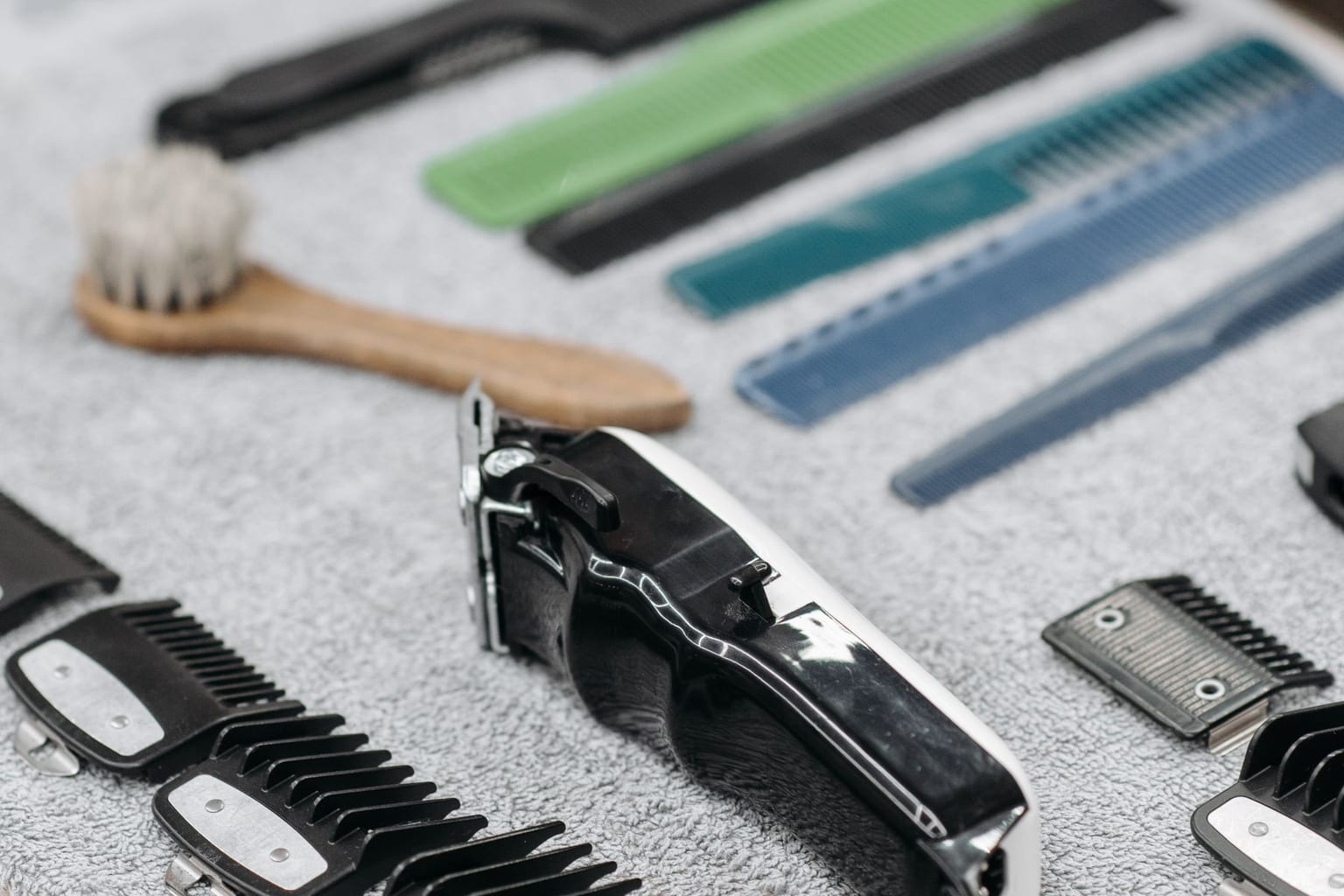
Nothing here was measured in a sound booth or a lab, and none of the picks gets a score. Each one was opened on Amazon in a real browser on the day of writing, with an add-to-cart button present and the listing's own claims copied down. Five rules held:
- One job per pick. A silent kit, an everyday low-noise clipper, a low-noise clipper the whole family can share, a clipper built for sensory haircuts and a palm trimmer. No two picks answer the same question.
- Nothing under 4.5 stars. Every pick had 4.5 stars or better on the day it was opened. The one exception is the silent kit, which has no competitor with a motorless design, and its rating is given beside it.
- Maker claims stay maker claims. Where a listing says 48 dB, two hours of runtime or waterproof, that is what the listing says. Where a listing contradicts itself, the contradiction is reported.
- Cordless unless there is a reason. Four of the five are cordless. The one corded pick is corded on purpose, and the reason is stated.
- Only what was actually opened. Amazon is full of no-name listings with autism in the title that were never opened for this guide, so they are not here, however good their stars look.
The prices on the cards are live from Amazon and change; the whole range runs from a cheap kids clipper to a barber-grade machine.
The Best Quiet Hair Clippers for Autistic Kids
Best No-Motor Option With No Buzz at All: A Round-Tip Scissor Kit
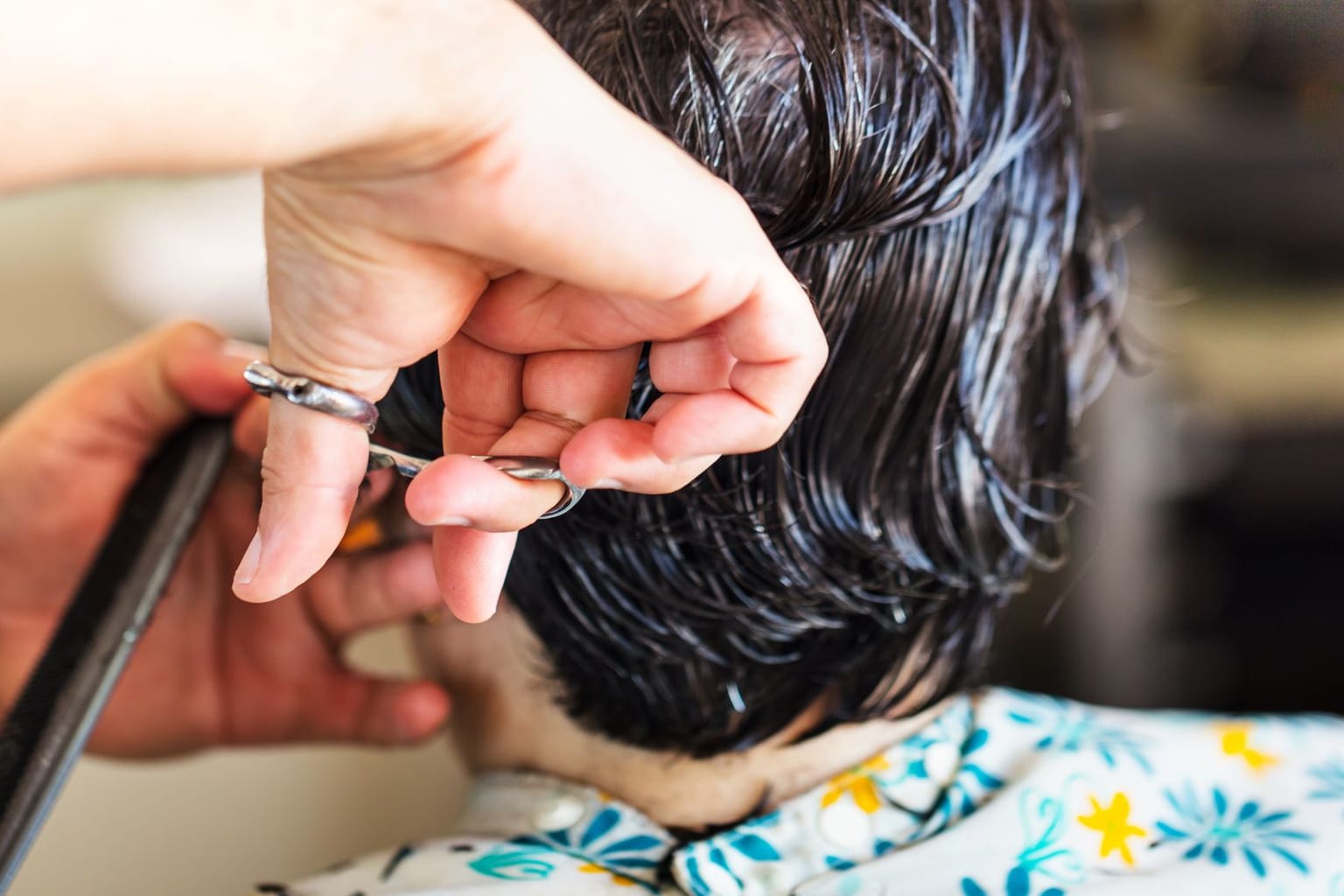
For the child who cannot take a motor at any distance. A scissor cut is the only haircut with no buzz in it, and this kit is the plain version of that: a 6.1-inch cutting scissor and a 6.5-inch thinning scissor, both with rounded safety tips so a flinch does not meet a point, a comb and a pouch, in stainless steel. The listing calls the round tips its reason for being, and that is the right reason for a child who moves. There are no snap-on guide combs, so an even clipper length takes a comb in the other hand and more passes, which is the trade for silence. It carries 4.6 stars across more than sixteen thousand ratings, which is why it is carded ahead of the better-known scissor-and-comb kits, none of which reach 4.5.

CIICII Kids Hair Cutting Scissors Kit (Round Tip)
Best Low-Noise Clipper for Most Kids: ENSSU Baby Hair Clippers
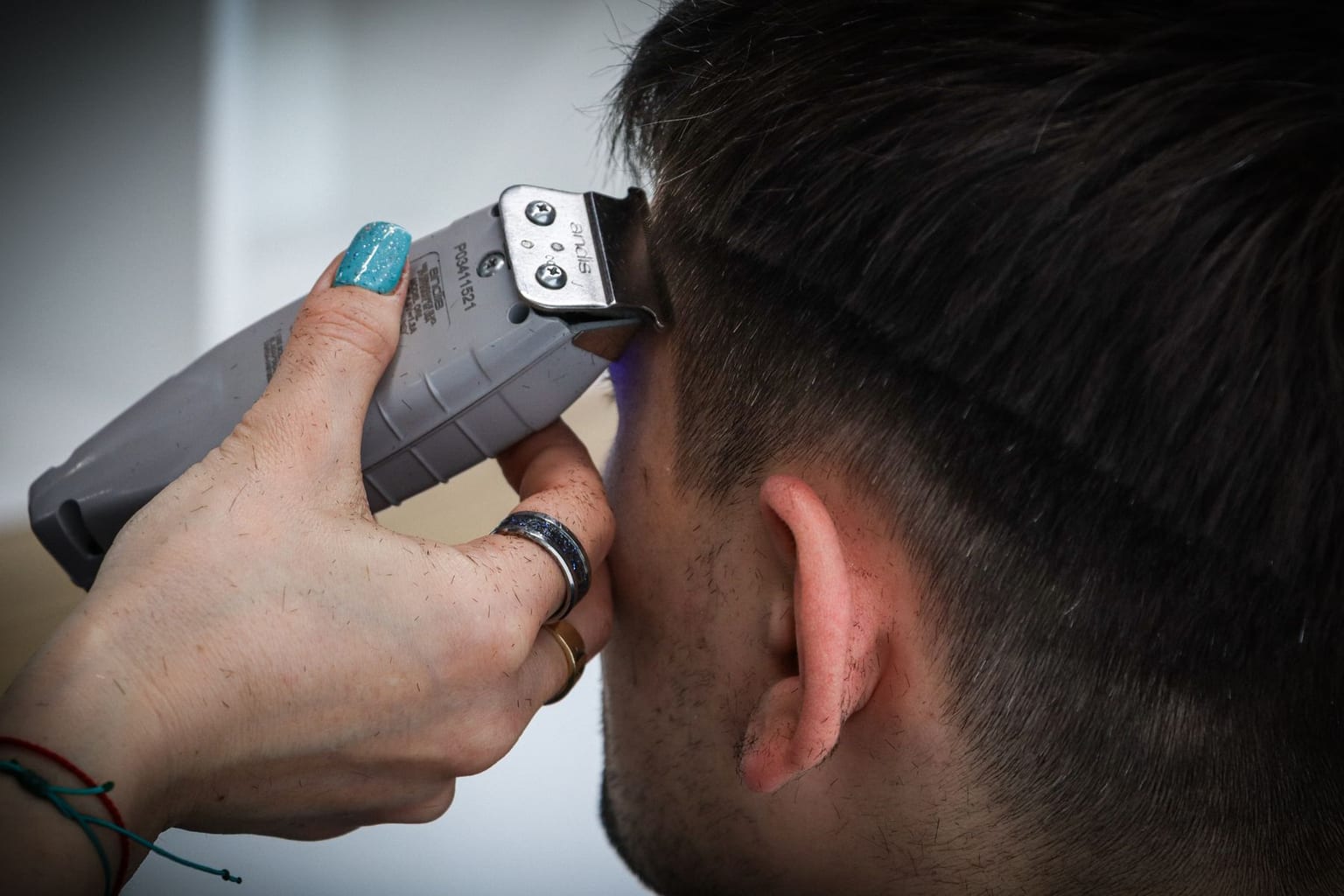
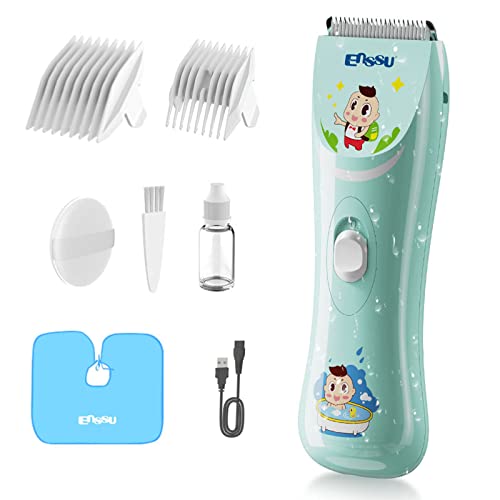
For the child who copes with a hum but not the buzz of a full-size clipper. ENSSU's kids clipper is the one with the honest listing: it claims a working noise of about 48 dB, "just like pillow talking", and then says in the next sentence that it is not soundless and there is a working vibration sound. That candor is why it leads this tier. It is small and light, with a ceramic blade the maker says sits 0.5 mm off the skin with rounded tips, so it cannot nick the ear it is working around, and it comes with two guide-comb ranges, a cape and a brush. The listing says it is fully washable to IPX7 and runs about 60 minutes on a charge, which is several short cuts. Its own tip is the one this site gives too: let the child touch it and hear it running before it goes anywhere near the head.
ENSSU Baby Hair Clippers (Lower Noise, Cordless)
Best Quiet Clipper the Whole Family Can Share: Eanceil Ceramic Blade Hair Clippers
For the house with one clipper for everyone. The Eanceil is sold for kids and adults together, and its listing is specific about the parts that matter at a child's ear: a 28-tooth cutting unit the maker says catches soft hair without pulling, a ceramic blade with a widened, rounded edge so the outside of the unit is blunt against the skin, and a low-noise motor the listing puts at about 55 dB, a little above the ENSSU's claim and still well under what sellers quote for a salon clipper. The cutting unit comes off and the whole body is washable to IPX7 by the maker's claim, so a cut before the bath can end with the clipper under the tap. It is the clipper for a parent who will also use it on themselves, which keeps it out of the drawer and in plain sight between haircuts, where the ladder needs it to be. It sits in the same price band as the ENSSU, so choose on the blade shape and the household, not the cost.

Eanceil Ceramic Blade Hair Clippers for Kids and Adults (Low Noise)
Best Clipper Built for Sensory Haircuts: Andis Zephyr Quiet Cordless Hair Clipper
For the child who will be getting clipper cuts for years, or the parent who wants the tool a sensory-trained barber would use. The Andis Zephyr is the first clipper from a professional maker designed for sensory-sensitive clients, developed with The Sensory Safe Solution, a nonprofit that trains salons for exactly this. The design choices track the problem: two speeds, 3,500 and 5,500 strokes a minute on the listing, so a cut can start slow and build; a cordless two-hour runtime by Andis's own page; ten attachment combs from a half to an eight; USB-C charging. Andis gives no decibel figure and calls it ultra-quiet, which is a maker's word; what makes it different is the lower speed setting, which no kids clipper offers, and a motor built to be smooth rather than cheap. It costs several times the kids clippers above, and that is the right order to try them in.

Andis Zephyr Quiet Cordless Hair Clipper
Best for a Quick Trim at the Ears: Wahl Professional Classic Peanut Trimmer
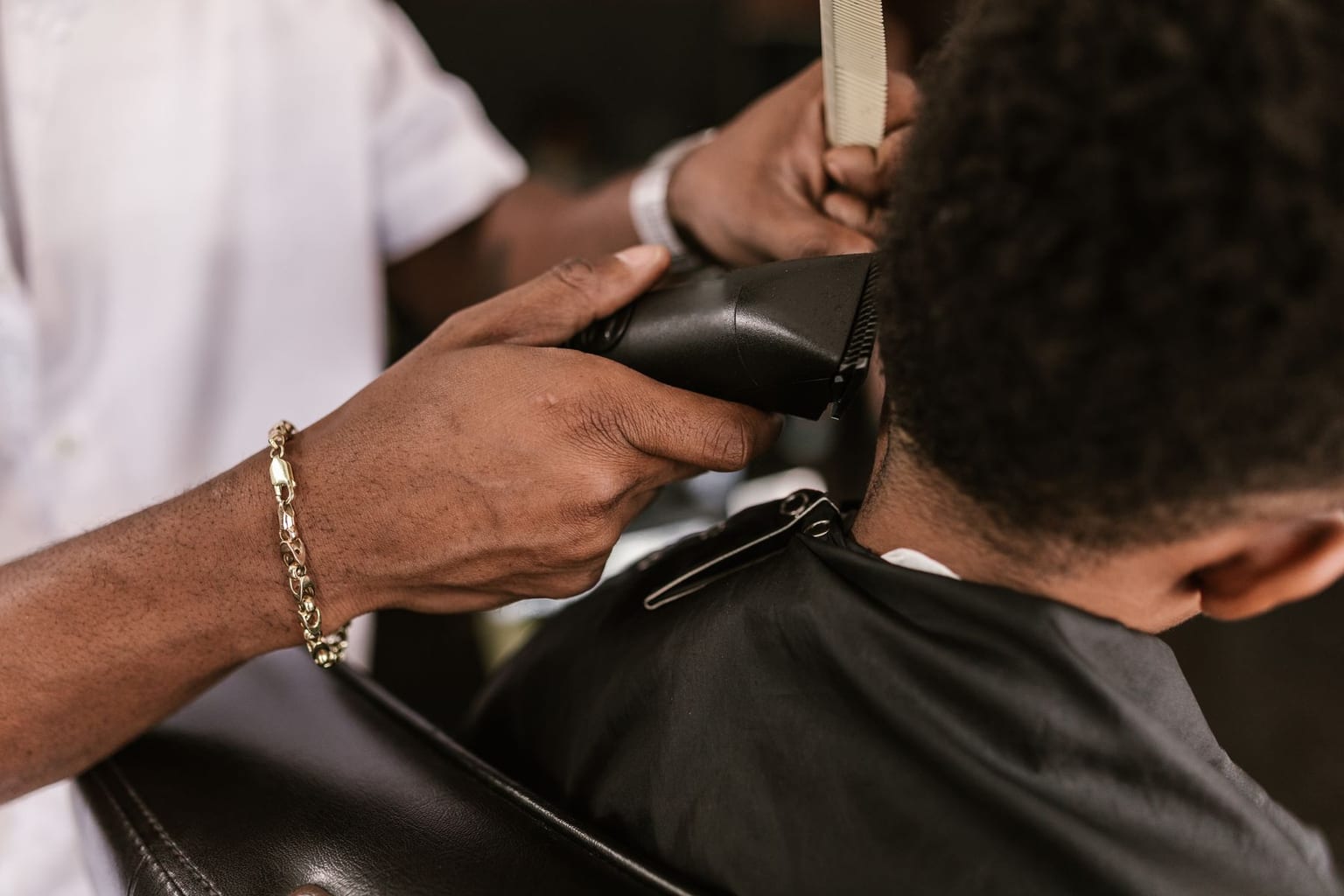
For the child whose limit is time. The Wahl Peanut is the palm-sized trimmer barbers keep for edges, and it is here for its size and speed, not for silence: Wahl makes no quiet claim for it and it is corded, which is why it sits last. What it does is finish the parts of a cut a child tolerates least, the ears and the neckline, in seconds, with a small blade that is easy to see around, so a tense child is done before the protest builds. It is the right tool for the family that cuts hair in short sessions, one section a day, and needs the fiddly bits over fast. Run it on the hand first like everything else; a corded trimmer cannot be handed across the room, so this is a pick for a child already partway up the ladder.

Wahl Professional Classic Peanut Trimmer (Corded)
What Did Not Make the List
The Calming Clipper. The scissor-and-comb kit the autism forums keep naming, and a sound idea: safety scissors with nine snap-on guide combs, so a scissor cut comes out an even clipper length. Every listing of it, the kit alone, left-handed, with a cape, with a sharpener and the Haircut Hero bundle with a low-noise clipper, was opened on 2026-10-14 and every one sits at 4.3 stars across about 3,500 ratings, with a 51-rating variant at 4.1. Nothing under 4.5 stars is carded here, so it is named and not linked. If silence is the whole problem and you want the guide combs, it is still the kit people mean.
Manual hand clippers. The only motorless clipper that is actually a clipper is the old hand-squeeze kind, and it is tempting for a no-buzz child. The three listings opened for this guide are rated 3.4 to 3.8 stars, and the reviews describe pulling and uneven cutting, which is worse for a sensory child than a hum. A scissor-comb kit does the silent job better.
The Philips Norelco Kids Clipper. The CC5059 is on every general quietest-clippers list, and Philips itself calls it its quietest clipper ever, with 45 minutes of cordless use. Philips's own product page now marks it discontinued, and it did not come up on Amazon search, so it is not carded. If you find one, it was a sound choice.
Budget clippers. The cheapest low-noise kids clippers, a HAUSBELL at about $21 and a $22 no-name kit with a cape and brush, were both opened for this guide and both sit below 4.5 stars, at 4.2 on 103 ratings and 4.3 on 4,500. Nothing under 4.5 stars is recommended here, so the budget tier stays empty until a clipper earns it; the ENSSU and the Eanceil are a few dollars more.
Vacuum clippers. A clipper that pulls the clippings into a chamber as it cuts solves the itch down the collar, and two were opened: the kid-sized ENSSU vacuum model at 4.3 stars on 199 ratings and Remington's corded adult vacuum kit at 4.4 on 7,824. Neither reaches 4.5, so neither is carded. If the itch is the whole problem, cut right before a bath and keep the change of clothes ready, which the haircut guide covers.
The autism-labeled no-name clippers. Amazon search returns a dozen listings with autism in the title, none from a maker you could name. They were not opened in a browser for this guide, so nothing is known about them beyond their titles, and that is not enough to put one in front of you.
Before the First Real Cut
A quiet clipper fixes one of the loads. The haircut guide covers the rest, and three of its tools pair directly with whatever you buy here. Climb its ladder with the new clipper: visible at home first, then running across the room, then against the hand, then one real pass. Make the cut visible with a visual timer so "almost done" is something the child can see, and walk the steps in advance with the ready-made social story for getting a haircut. For a child who copes with the clipper on the hand but not at the ear, ear defenders between passes, one ear at a time, often bridge the gap, and a chew necklace gives the jaw something to do while the clipper works.
Where to Go Next
Match the tool to the tolerance: a silent kit for the child who cannot take a motor, a low-noise cordless clipper for the child who can take a hum, and a fast trimmer or a vacuum clipper for the child whose limit is time or the itch. If you are not sure which child you have, the free sensory profile quiz maps the seeking and avoiding pattern in a few minutes, and the haircuts without meltdowns guide turns the right clipper into a haircut that actually happens.
Products mentioned in this article
CIICII Kids Hair Cutting Scissors Kit (Round Tip)
ENSSU Baby Hair Clippers (Lower Noise, Cordless)
Eanceil Ceramic Blade Hair Clippers for Kids and Adults (Low Noise)
Andis Zephyr Quiet Cordless Hair Clipper
Wahl Professional Classic Peanut Trimmer (Corded)
Prices and availability are accurate as of the date/time shown and are subject to change. Any price and availability information displayed on Amazon at the time of purchase will apply to the purchase of this product.
Sensory overwhelm shows up differently in every child.
Beacon learns about YOUR child and gives guidance specific to them.
What would Beacon say?
"What sensory strategies actually work for my child?"
Beacon factors in your child's specific sensitivities (sound, light, texture, movement) and current regulation, then builds a sensory plan you can start tonight.
Spectrum Unlocked Editorial Team
Editorial Team
The Spectrum Unlocked editorial team combines lived experience as autism parents with research-backed guidance to create resources families can trust.
Frequently asked questions
- What are the quietest hair clippers for an autistic child?
- There is no independently measured answer, because clipper makers publish their own decibel figures and most publish none. Of the clippers that are buyable right now, the ENSSU kids clipper says about 48 dB on its listing, which its maker compares to a whisper, the Eanceil says about 55 dB, while the Andis Zephyr, the one clipper designed with a sensory organization, gives no number at all and simply calls itself ultra-quiet. All three are cordless. The only truly silent option is not a clipper at all but a scissor kit, which has no motor to be quiet. Run any of them on your child's hand first; the reaction there is the only measurement that matters.
- Are there silent hair clippers with no buzz at all?
- Yes, two kinds, and neither has a motor. The first is a scissor kit: round-tip cutting and thinning scissors with a comb, so the only sound is the snip. The Calming Clipper, a pair of safety scissors with snap-on guide combs, is the best-known version, but its listings sit at 4.3 stars, under the bar every card here meets, so it is named and not carded. The second kind is the old-fashioned manual clipper, a hand-squeeze tool with no battery; the ones stocked on Amazon are rated between 3.4 and 3.8 stars and reviewers describe pulling, so they are not recommended here. Every electric clipper, however quiet its listing claims, still makes a motor sound and a vibration at the ear, and the ENSSU listing says so in its own words.
- How loud are normal hair clippers compared with quiet ones?
- Honest answer: nobody has published a measured comparison you can trust. Sellers quote ordinary clippers at anything from 60 to 90 dB and quiet ones at 45 to 50 dB, with no test method given, so those are marketing numbers. For scale, the NIDCD lists normal conversation at 60 to 70 dBA and long or repeated exposure at or above 85 dBA as the level that can damage hearing, and the CDC puts a vacuum cleaner around 85 to 90 dBA. A clipper is nowhere near a safety problem; the issue for an autistic child is a buzz an inch from the ear canal, and for that the pitch and the vibration matter as much as the volume.
- Clippers or scissors for a child with sound sensitivity?
- Scissors win on sound and lose on time. A scissor cut is nearly silent but takes longer and means more combing, more repositioning and more light touches, which bother a tactile-sensitive child more than a firm clipper pass does. A quiet clipper is faster, so the whole event is shorter, but it brings a hum and a vibration. Many families land on a scissor kit for the first few cuts and a low-noise clipper once the child has climbed a few rungs of the ladder. Test both off the head before deciding: clippers on the hand, scissors snipping the air nearby.
- Do cordless clippers vibrate less?
- Not necessarily, but cordless clippers remove two other problems. There is no cord to tug across the child's neck or snag on the chair, and no transformer hum from a wall unit. Vibration comes from the motor and blade, and a cheap cordless clipper can rattle more than a good corded one, so judge vibration on the hand rather than by the battery. Where cordless clearly helps is practice: you can hand a running clipper to your child across the room and let them bring it to their own arm, which no corded clipper allows.
- Is the Calming Clipper worth it?
- If your child cannot take any motor sound at all, a scissor cut is the only haircut that makes no buzz, and the Calming Clipper is the best-known kit for it: a pair of safety scissors with nine snap-on combs from half an inch to an inch and a half, finger inserts for small or large hands and a two-year refund guarantee from the maker. It is not carded here because every one of its listings sits at 4.3 stars across about 3,500 ratings, under the 4.5 bar the picks on this page meet; the carded no-motor pick is a round-tip scissor kit at 4.6. Either way the trade is time and skill: you are scissor-cutting by hand, so a full head takes longer than a clipper pass, and the first cut will not be a barber's fade. If your child tolerates a hum, a low-noise cordless clipper is cheaper and faster.
- How do I cut my autistic child's hair at home without a meltdown?
- The clipper is one part of a bigger fix. Change the event first: a quiet time, no cape, dry cutting, a screen for regulation and the clippings washed off within minutes. Then build tolerance between haircuts on a ladder, from the clipper living visibly at home, to running across the room, to running on the hand, to one real snip, with weeks per rung being normal. Make it predictable with a picture sequence and a visual timer, keep the real cut ruthlessly short and stop if it falls apart. The full version, with the day-of playbook and what to tell a barber, is in the haircuts without meltdowns guide.